


The inability to conceive, often referred to as infertility, stands as one of the most profoundly distressing life crises couples can encounter, casting a long shadow of loss and uncertainty over their aspirations for parenthood. This complex medical condition, which affects millions globally, extends far beyond the physiological realm, deeply impacting mental health, relationships, and overall well-being. Recognizing this deep emotional landscape, organizations like the American Pregnancy Association (APA) are at the forefront, providing evidence-based resources and unwavering support to individuals and couples grappling with the arduous path to conception. Their commitment, underscored by a rigorous content validation process and regular updates, aims to equip those facing infertility with the knowledge, tools, and emotional resilience needed to navigate this challenging journey.

Understanding Infertility: Definitions and Global Prevalence
Infertility is medically defined as the inability to achieve pregnancy after 12 months or more of regular, unprotected sexual intercourse. For women aged 35 or older, this timeframe is typically reduced to six months, acknowledging the age-related decline in ovarian reserve and fertility potential. According to the World Health Organization (WHO), an estimated 1 in 6 people worldwide are affected by infertility, highlighting its significant global prevalence and profound public health impact. In the United States, the Centers for Disease Control and Prevention (CDC) indicates that approximately 12% of women aged 15-44 years have difficulty getting pregnant or carrying a pregnancy to term. This widespread challenge is not solely a female issue; male factor infertility accounts for about one-third of cases, another third are due to female factors, and the remaining third are either a combination of both or classified as unexplained. This multifactorial nature necessitates a comprehensive diagnostic approach, often involving both partners. The journey to understanding "Can I get pregnant?" often begins with a period of hopeful trying, followed by growing concern as months turn into a year or more without success, ultimately leading to the difficult question, "Still Not Pregnant. Is It Infertility?"

The Emotional and Psychological Burden of Infertility
The emotional toll of infertility is frequently described as one of the most distressing life crises, causing "deep feelings of loss to surface." This experience often triggers a cascade of intense emotions, including grief, anger, guilt, shame, anxiety, and depression. The dream of parenthood, often deeply ingrained from a young age, can feel shattered, leading to a profound sense of loss – not just of a child, but of a perceived future, a societal expectation, and even a part of one’s identity. Individuals may experience a grieving process akin to losing a loved one, mourning the children they may never have, the pregnancy experience they might miss, and the biological legacy they hoped to create.

Moreover, the relentless cycle of anticipation and disappointment each month can be emotionally draining. Fertility treatments, while offering hope, frequently involve invasive procedures, hormonal fluctuations that impact mood, and significant financial strain, all of which can exacerbate existing stress levels. Studies have shown that women undergoing infertility treatments can experience anxiety and depression levels comparable to those diagnosed with severe chronic illnesses such as cancer or heart disease. Men, too, face considerable emotional distress, often struggling with feelings of inadequacy, guilt, and the pressure to remain strong and provide support while dealing with their own private pain. The intimacy within a relationship can also be severely strained, as spontaneous sexual encounters often become scheduled and goal-oriented, losing their natural spontaneity and pleasure. Couples may find themselves isolated, as friends and family around them easily conceive and progress through pregnancies, leading to feelings of envy, resentment, and a reluctance to participate in social gatherings centered around children or expectant parents. The constant questions from well-meaning but often insensitive acquaintances can further deepen feelings of isolation and inadequacy.
Effective Coping Mechanisms and the Power of Support Systems

Navigating this complex emotional landscape requires robust coping mechanisms and strong, reliable support systems. The American Pregnancy Association emphasizes the critical importance of "learning ways to cope and lean on loved ones." Effective coping strategies often involve a multi-pronged approach, integrating medical intervention with psychological and social support:
- Seeking Professional Mental Health Support: Individual and couples counseling with therapists specializing in reproductive issues can provide a safe, confidential space to process grief, manage anxiety, and develop healthy communication strategies. Cognitive Behavioral Therapy (CBT) and mindfulness-based stress reduction techniques have shown promise in improving emotional well-being and reducing stress during the infertility journey.
- Joining Support Groups: Connecting with others who understand the unique, often unspoken challenges of infertility can alleviate profound feelings of isolation and provide invaluable emotional validation and practical advice. Sharing experiences fosters a sense of community and reduces the pervasive stigma often associated with the condition.
- Open and Empathetic Communication within the Relationship: Honest and empathetic dialogue between partners is crucial. Acknowledging each other’s pain, differing emotional responses, and individual coping styles can strengthen the marital bond rather than allowing infertility to create a wedge between them.
- Stress Reduction Techniques: Engaging in activities such as yoga, meditation, deep breathing exercises, gentle exercise, and hobbies can significantly help manage stress, improve emotional regulation, and enhance overall mental health.
- Setting Healthy Boundaries: It is important for individuals to protect their emotional well-being by setting clear boundaries with well-meaning but sometimes insensitive friends and family members. This includes choosing when and how to engage in social situations that might be particularly painful or triggering.
- Information and Education: Empowering oneself with accurate, evidence-based information about infertility, treatment options, and coping strategies can reduce anxiety stemming from the unknown and provide a sense of control.
The American Pregnancy Association: A Pillar of Guidance and Support

The American Pregnancy Association stands as an indispensable resource in this challenging landscape, providing comprehensive, evidence-based information and compassionate support services. Their unwavering commitment to accuracy and reliability is evident in their rigorous content validation process, with articles regularly reviewed and updated by their dedicated Content Validation Team. For instance, the main article on coping with infertility has been referenced with a last revision date of February 20, 2026, indicating a forward-looking and continuously updated knowledge base designed to provide the most current and relevant information.
APA’s suite of resources is thoughtfully designed to ensure that "You’re Never Alone on Your Journey." Key offerings include:

- Free Live Helpline: This service offers immediate, confidential support and guidance from trained professionals. This direct line of communication can be invaluable for individuals seeking clarity, emotional support, or direction on where to find further specialized help, all accessible during moments of acute need.
- Free Live Chat: Providing another accessible avenue for discreet consultation and information, allowing users to connect with support staff in real-time. This can be particularly beneficial for those who prefer written communication or require quick answers without the commitment of a phone call.
- Pregnancy Questions Center: A comprehensive online hub where individuals can find answers to a wide array of questions related to conception, pregnancy, and infertility. All information is meticulously vetted for accuracy and reliability, offering a trustworthy source in an often-overwhelming sea of online information.
These resources underscore APA’s core philosophy that "No matter where you are in your pregnancy journey, you’ll always have our support," making expert guidance and compassionate understanding "Absolutely Free!" This accessibility is critically important for many, as the substantial financial burden of infertility treatments often leaves little room for additional paid support services.
The Diagnostic Pathway: Essential Fertility Tests

When natural conception proves elusive after the recommended timeframe, a systematic diagnostic process becomes necessary to identify any underlying causes. The APA’s article on "Fertility Tests" highlights that if a couple has been unsuccessful after one year (or six months for women over 35), a comprehensive evaluation for both partners is strongly recommended. This involves a series of tests to pinpoint potential issues:
- For Women: The diagnostic process may include blood tests to check critical hormone levels such as Follicle-Stimulating Hormone (FSH), Luteinizing Hormone (LH), estrogen, progesterone, and thyroid hormones. Ovulation tracking methods like basal body temperature charting and ovulation predictor kits are often employed. Imaging tests such as transvaginal ultrasound are used to examine the uterus and ovaries for structural abnormalities like fibroids, polyps, or cysts. A hysterosalpingography (HSG) checks for fallopian tube patency, and sometimes a hysteroscopy or laparoscopy may be performed to investigate more complex structural issues like endometriosis or adhesions.
- For Men: A primary and crucial test is a semen analysis, which evaluates sperm count, motility (their ability to move), and morphology (their shape). Further tests may include blood tests for hormone levels (e.g., testosterone, FSH), genetic testing, and imaging of the reproductive organs to detect issues like varicoceles or obstructions.
These thorough tests aim to "improve the Conception Playing Field" by identifying specific issues that can then be addressed through targeted interventions, moving from a general sense of not getting pregnant to a specific diagnosis.

Exploring Treatment Avenues: Modern Infertility Treatment Options
Once a diagnosis is made, a range of "Infertility Treatment" options become available, tailored to the specific cause. The American Society for Reproductive Medicine (ASRM) recommends consulting a healthcare provider if a woman is under 35 and has been trying to conceive for a year, or if she is over 35 and has been trying for six months. Treatment approaches vary widely depending on the identified cause of infertility and the couple’s preferences:

- Medications: Often the first line of treatment, these are used to stimulate ovulation in women (e.g., Clomid, Femara) or to address hormonal imbalances in men.
- Intrauterine Insemination (IUI): A less invasive assisted reproductive technology where specially prepared sperm is directly placed into the uterus around the time of ovulation, increasing the chances of fertilization.
- In Vitro Fertilization (IVF): This is a more complex and widely recognized assisted reproductive technology. It involves stimulating the ovaries to produce multiple eggs, retrieving them, fertilizing them with sperm outside the body in a laboratory setting, and then transferring the resulting embryos into the uterus. IVF has several variations and is often used for a wide range of infertility causes.
- Surgery: Surgical interventions may be employed to correct structural issues such as blocked fallopian tubes, remove endometriosis implants or uterine fibroids in women, or to address conditions like varicocele in men.
- Third-Party Reproduction: In certain circumstances, when conventional treatments are not successful or feasible, options like donor eggs, donor sperm, or the use of gestational carriers (surrogacy) may be considered.
These treatments offer significant hope to many couples, but they can be emotionally, physically, and financially demanding, underscoring the ongoing need for robust support systems and access to comprehensive information.
Critical Factors in Conception: Ovulation, Hormones, and Lifestyle
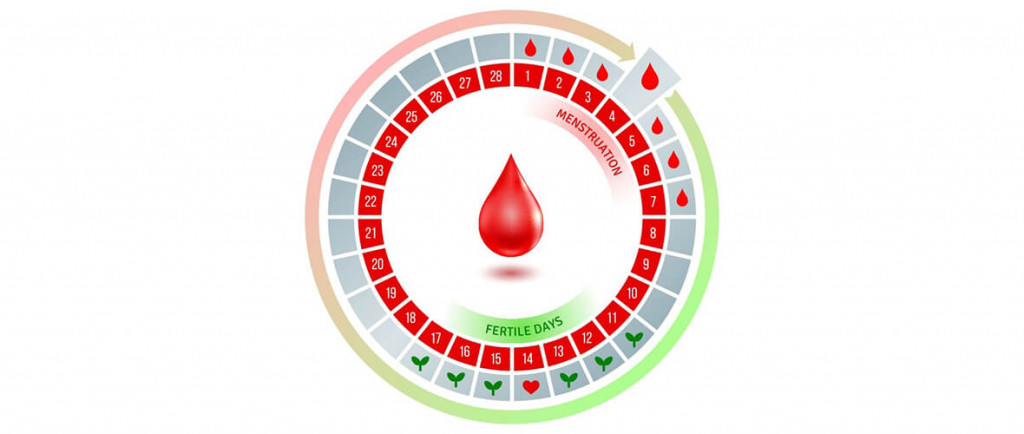
Several related articles on the APA platform delve into specific aspects crucial for successful conception, offering detailed insights:
- Understanding Ovulation: As detailed in "What is Ovulation?", this fundamental biological process is the release of a mature egg from the ovary, its journey down the fallopian tube, and its availability for fertilization. Approximately every month, one egg matures and is released. Understanding one’s ovulatory cycle is paramount for timing intercourse effectively and identifying potential issues like irregular ovulation or anovulation (absence of ovulation). The "Ovulation: Frequently Asked Questions" article further clarifies common queries and misconceptions about this vital process.
- Hormonal Balance and its Impact: The article "How Do FSH Levels Affect Fertility?" emphasizes the critical role of Follicle Stimulating Hormone (FSH) in reproductive processes for both men and women. In women, FSH is crucial for the growth and maturation of ovarian follicles and egg development. In men, it is essential for sperm production (spermatogenesis). Abnormal FSH levels can indicate diminished ovarian reserve in women or issues with spermatogenesis in men, directly impacting fertility potential. Monitoring FSH and other hormone levels is a standard and essential part of fertility diagnostics.
- Preconception Health for Men: Historically, infertility was often solely attributed to women, leading to a neglect of male reproductive health. However, "Preconception Health For Men" highlights that "male factor issues are responsible at least" for a significant portion of infertility cases. This article underscores the vital importance of men optimizing their health before conception, which includes maintaining a healthy weight, adopting a balanced diet, regular exercise, avoiding smoking and excessive alcohol consumption, managing chronic stress, and addressing any underlying medical conditions. Sperm health, including count, motility, and morphology, is significantly influenced by lifestyle, diet, and environmental factors, making male preconception care just as vital as female preconception care.
- The Overlooked Impact of Fertility Lubricants: In a practical but often overlooked aspect, the article "Fertility Lubricants" reveals that "most commonly sold lubricants harm sperm, which can decrease" the chances of conception. This insight is crucial for couples actively trying to conceive, as many common lubricants contain ingredients that can impede sperm motility and viability by altering pH levels or creating physical barriers. The article advises on using "sperm-friendly" lubricants specifically designed to maintain an optimal environment for sperm, thus not hindering their journey to the egg.
Broader Impact and Societal Implications

The widespread nature of infertility has significant societal implications that extend beyond individual couples. It challenges traditional notions of family formation, prompts continuous advancements in reproductive medicine, and sparks critical debates around access to care, ethical considerations, and the definition of parenthood. The substantial financial burden of infertility treatments, which can run into tens of thousands of dollars per cycle, often creates profound disparities in access, effectively making fertility care a privilege rather than a universally accessible healthcare right for many. This raises crucial questions about insurance coverage, government support, and the equitable distribution of advanced reproductive technologies.
Furthermore, the profound emotional and psychological toll on individuals and couples can have long-term effects on mental health, necessitating sustained psychological support not only throughout the fertility journey but also after successful conception or, conversely, after the decision to pursue alternative paths to parenthood or to live child-free. The increased visibility of infertility stories, facilitated by advocacy and educational organizations like the APA, helps to normalize the experience, reduce the pervasive stigma, and encourage more open dialogue within communities and healthcare settings. This growing transparency fosters a more compassionate and understanding society for those affected by infertility.

Conclusion: A Journey of Resilience and Comprehensive Support
Coping with infertility is undeniably a challenging, often heart-wrenching, and profoundly personal experience, marked by profound emotional highs and lows. Yet, it is also a journey that frequently fosters immense resilience, strength, and an unwavering desire for family. In this intricate and often isolating landscape, the American Pregnancy Association serves as an indispensable beacon, offering not just factual, evidence-based information but also a compassionate community of support. By providing accessible and free resources such as helplines, live chats, and a wealth of verified articles, they empower individuals and couples to navigate the complexities of fertility tests, treatments, and emotional distress with greater confidence and informed decision-making. Their commitment to continuous, validated content ensures that those seeking to understand their fertility and explore their options have access to the most current and reliable guidance. As the APA states, "Whenever you’re ready, feel free to explore our other journeys for support at every stage of pregnancy," reaffirming their holistic approach to reproductive health and their dedication to ensuring no one walks this arduous path alone. The journey to parenthood may be arduous and fraught with challenges, but with comprehensive support and accurate information, hope remains a constant and powerful companion.
