

The landscape of children’s literature, while rich and varied, has historically presented a skewed representation of the world. An examination of popular children’s books reveals a persistent overrepresentation of white, male protagonists, a trend that educators, librarians, and child development experts have increasingly highlighted as a missed opportunity to foster empathy, understanding, and a true reflection of society for young readers. This article presents a curated selection of books that not only captivate young minds but also actively champion diversity across race, gender, ability, and sexuality, offering children windows into worlds and experiences that mirror the complexity and beauty of their own.
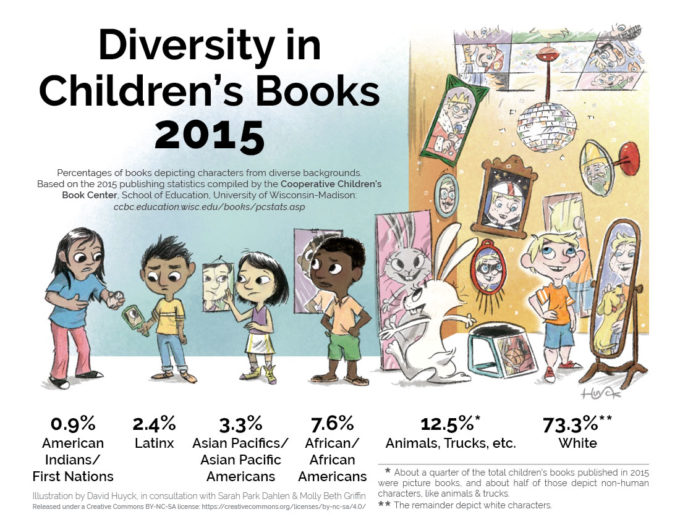
The imperative for diverse representation in children’s books is rooted in a growing body of research and advocacy. Studies, such as those cited by organizations like the Cooperative Children’s Book Center (CCBC) at the University of Wisconsin-Madison, have consistently shown that characters of color and female characters remain significantly underrepresented in published children’s books. For instance, the CCBC’s annual "What’s Inside a Picture Book?" report has, over years, indicated that books featuring protagonists of color or from marginalized backgrounds often constitute a small single-digit percentage of the total published works. This disparity means that many children, particularly those from minority groups, may rarely see themselves reflected in the stories they consume, potentially impacting their sense of belonging and self-worth. Conversely, children who are part of the dominant demographic may develop a limited worldview, failing to recognize or appreciate the richness of human experience beyond their immediate surroundings.
The implications of this literary imbalance are far-reaching. Children’s literature serves as a foundational tool for shaping young minds, introducing them to concepts of identity, relationships, and the broader social fabric. When books consistently portray a narrow range of characters, they inadvertently communicate a message that certain lives and experiences are more significant or normative than others. This can perpetuate stereotypes, limit children’s capacity for empathy, and hinder the development of a truly inclusive society. Conversely, books that offer diverse narratives can:
- Foster Empathy and Understanding: By stepping into the shoes of characters with different backgrounds, abilities, or family structures, children learn to appreciate perspectives beyond their own.
- Build Self-Esteem and Identity: Seeing oneself represented positively in literature can be profoundly affirming, particularly for children from marginalized communities who may otherwise feel invisible.
- Promote Critical Thinking: Diverse stories often challenge simplistic narratives and encourage children to question assumptions and explore complex social issues.
- Prepare for a Diverse World: Children will inevitably interact with individuals from all walks of life. Exposure to diversity in books can equip them with the social and emotional tools to navigate these interactions with respect and understanding.
This curated list aims to address this critical need by highlighting books that are not only exceptional in their storytelling and artistic merit but also exemplary in their commitment to inclusivity. The selection spans various age groups, from board books for the youngest readers to chapter books and graphic novels for older children, ensuring that the journey towards a more representative literary experience can begin at any stage.
Books for Babies and Toddlers: Laying the Foundation for Inclusivity
The earliest exposure to books is crucial in shaping a child’s understanding of the world. For infants and toddlers, simple narratives, engaging illustrations, and relatable themes are paramount. This section focuses on books that introduce diversity in a gentle, accessible manner, often through themes of family, belonging, and the celebration of individual uniqueness.

"Not Quite Narwhal" by Jessie Sima is a heartwarming tale that explores themes of identity and family acceptance. The story follows Kelp, a creature who has always felt a bit different. While seemingly a simple narrative about embracing one’s uniqueness, it extends to demonstrate the all-encompassing love of family, showcasing a narrative that resonates with children who may feel outside the norm. The book’s charming illustrations and gentle message make it a delightful read for the youngest audiences.
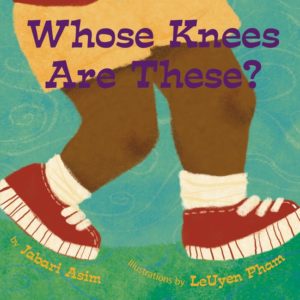
"Whose Knees Are These?" is a delightful board book that uses playful rhymes to introduce young children to their own bodies. While not explicitly focused on racial or gender diversity, its simple exploration of physical characteristics and the rhyming structure make it an engaging tool for early language development. Such books, by focusing on universal human anatomy, subtly reinforce the idea of shared physicality across different appearances.
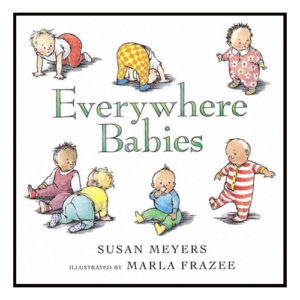
"Everywhere Babies" by Susan Meyers, with illustrations by Caldecott Honor winner Rafael López, is a celebration of the diversity of babies. The book features children of various ethnicities and abilities engaged in everyday baby activities. López’s vibrant illustrations bring to life a world where babies are seen in all their varied glory, from different skin tones to different family structures. The book’s inclusive portrayal of a multitude of babies and the gentle, rhythmic text make it an ideal choice for introducing very young children to a world rich with difference.
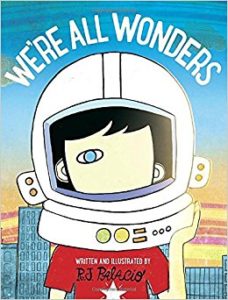
"We’re All Wonders" by R.J. Palacio, adapted from the beloved chapter book "Wonder," introduces younger children to the character of Auggie Pullman. Auggie, who does not look like everyone else, navigates the challenges of public school. This picture book adaptation offers a simplified yet powerful message about kindness, acceptance, and the idea that everyone is unique and special. It serves as an important early introduction to the concept of visible differences and the importance of treating everyone with respect and empathy.
Books for Preschoolers: Exploring Identity and Social Dynamics
As children enter preschool, their understanding of the world expands, and they begin to engage more deeply with social interactions and personal identity. Books for this age group can introduce more nuanced themes of individuality, community, and navigating social expectations.
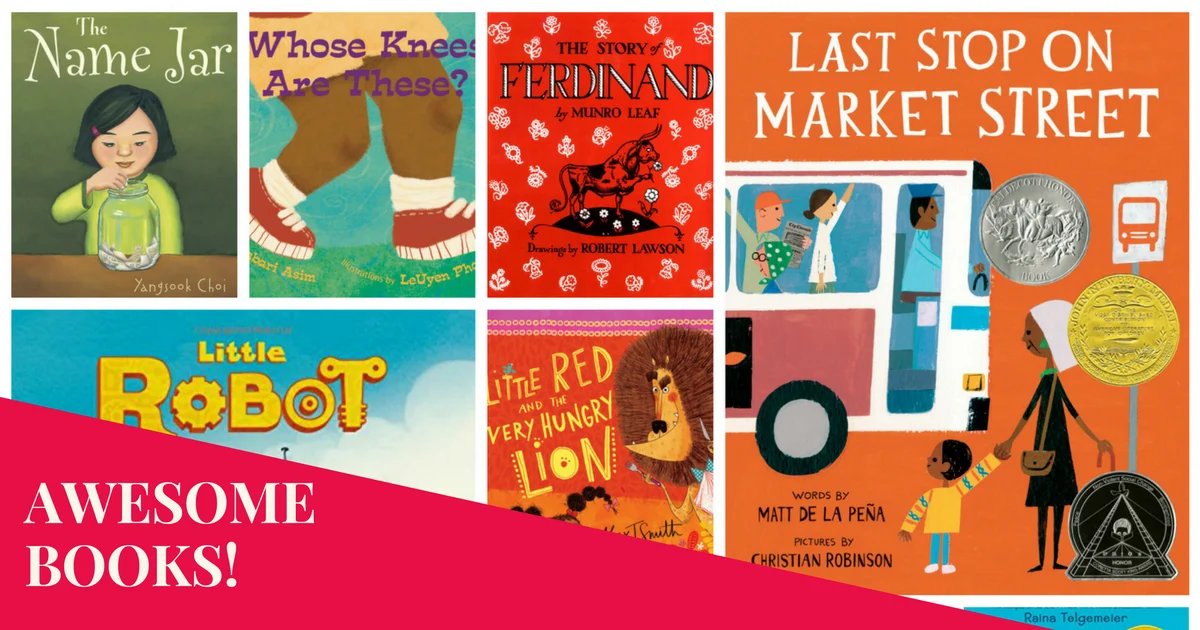
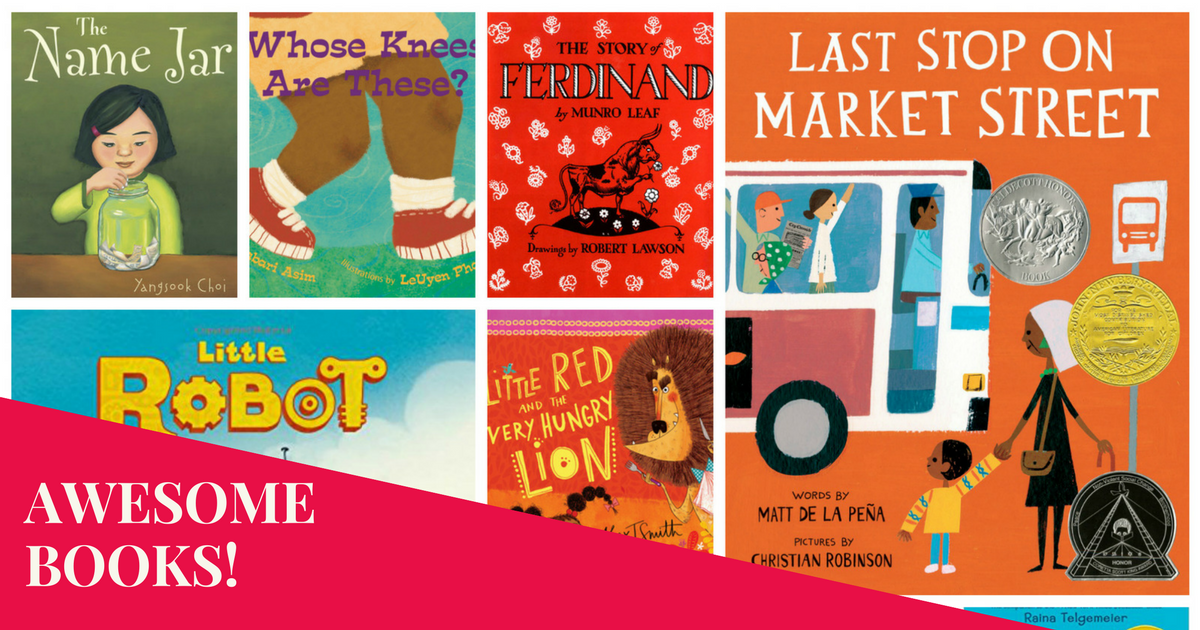
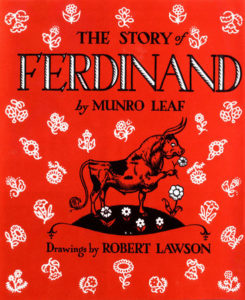
"The Story of Ferdinand" by Munro Leaf, a timeless classic, features Ferdinand, a bull who prefers smelling flowers to bullfighting. The story champions individuality and the courage to be different, even when societal expectations dictate otherwise. Ferdinand’s gentle nature and his quiet rebellion against the norms of his community offer a powerful message about self-acceptance and the value of pursuing one’s own path. Its enduring popularity speaks to the universal appeal of a protagonist who dares to be himself.
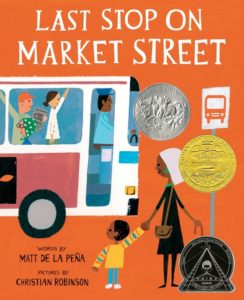
"Last Stop on Market Street" by Matt de la Peña, illustrated by Christian Robinson, is a Caldecott Medal winner that follows CJ and his grandmother on their weekly bus ride. The book beautifully captures the essence of community, diversity, and finding beauty in the ordinary. CJ’s initial reluctance to embrace the bus ride evolves into an appreciation for the vibrant tapestry of people and places they encounter. Robinson’s illustrations are a masterful depiction of urban life, showcasing a diverse cast of characters with warmth and authenticity. The book subtly weaves in themes of social observation and intergenerational connection, making it a rich and meaningful read.
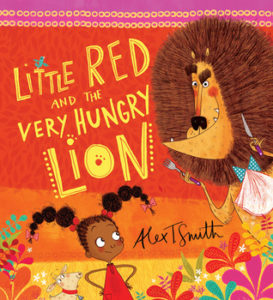
"Little Red and the Very Hungry Lion" by Alex Beard offers a playful, jungle-themed reimagining of the classic fairy tale. This vibrant and humorous retelling features a determined Little Red navigating the African savanna. The book’s bold illustrations and lively narrative make it an engaging read. Crucially, it presents a version where the traditional dangers are recontextualized, and the story concludes with a positive and empowering resolution, eschewing the darker elements of its predecessor. The unique setting and characters offer a refreshing take on a familiar story.
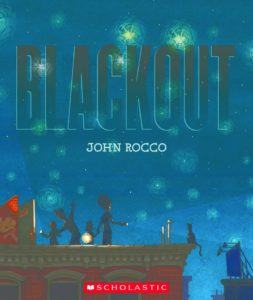
"Blackout" by John Rocco, a Caldecott Honor book, is a visually stunning and word-minimalist story about a city plunged into darkness by a power outage. As the city’s distractions fade, a family reconnects and discovers the simple joys of spending time together. The book’s illustrations are remarkable in their ability to convey emotion and narrative. While not overtly focused on demographic diversity, it emphasizes the importance of human connection and shared experiences, which can transcend individual differences. Its accessible format makes it suitable for pre-readers and emergent readers alike.
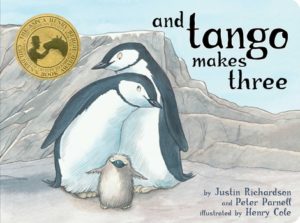
"And Tango Makes Three" by Justin Richardson and Peter Parnell, illustrated by Henry Cole, is a true story about two male penguins at the Central Park Zoo, Roy and Silo, who form a pair and are given an egg to raise. This gentle and heartwarming narrative offers a simple yet profound introduction to same-sex families. In a literary landscape where representation of diverse family structures can be scarce, this book provides a valuable and affirming story for children, demonstrating that love and family can take many forms. Its factual basis adds to its credibility and impact.
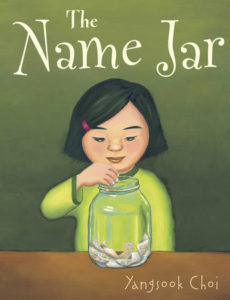
"The Name Jar" by Yangsook Choi tells the story of Unhei, a young girl who has recently moved from Korea. Worried that her new classmates won’t be able to pronounce her name, she decides to keep it a secret. The story beautifully explores the challenges of being new, cultural identity, and the importance of embracing one’s heritage. When her classmates create a "name jar" filled with suggestions for an American name, the narrative takes an unexpected turn, highlighting the power of a name and the journey of self-discovery. The book is a gentle yet effective exploration of cultural integration and personal acceptance.
"The Snowy Day" by Ezra Jack Keats is a seminal work in children’s literature, earning the Caldecott Medal for its groundbreaking illustrations and simple yet profound narrative. The story follows Peter, a young African American boy, as he experiences the joy of a snowy day in his neighborhood. Keats’s innovative use of collage and vibrant colors captures the magic of childhood wonder. The book’s enduring appeal lies in its universal theme of simple pleasures and its quiet representation of a Black child as the protagonist, which was remarkably progressive for its time and continues to be a beloved classic.
"Little Robot" by Ben Hatke is a wordless graphic novel that tells the story of a small, lost robot who is befriended by a kind and curious young girl. The narrative unfolds entirely through Hatke’s expressive illustrations, allowing readers to interpret the emotional journey of the characters. The story highlights themes of friendship, compassion, and the formation of bonds between different beings. The wordless format makes it accessible to a wide range of ages and language backgrounds, and the beautiful artwork makes it a joy to explore repeatedly.
Books for Older Children: Navigating Complex Themes and Graphic Narratives
As children grow into elementary and middle school ages, their literary tastes evolve, and they are often ready for more complex narratives, intricate plots, and visually engaging formats like graphic novels. This section features books that tackle more nuanced themes of identity, disability, social justice, and personal growth.
"Zita the Spacegirl" by Ben Hatke, and its sequels, are highly acclaimed graphic novels that have become favorites in many households. The series follows Zita, a brave and resourceful Earth girl who embarks on an interstellar adventure to rescue her best friend. The books are lauded for their fast-paced action, engaging characters, and vibrant artwork. Zita herself is a strong, flawed, and relatable protagonist, and the stories often feature a diverse cast of alien beings, promoting a sense of wonder and inclusivity on a cosmic scale. Hatke’s ability to blend adventure with compelling character development makes these books exceptional.
"Mighty Jack" by Ben Hatke is a creative and adventurous retelling of the Jack and the Beanstalk tale. The story centers on Jack, whose sister, Maddy, has autism and is nonverbal. Maddy is a significant character, and her relationship with Jack is integral to the plot. The graphic novel skillfully weaves in themes of divorced households, sibling bonds, and the fantastical elements of a classic fairy tale. While potentially intense for very young readers due to its thematic depth and action sequences, it offers a powerful portrayal of sibling dynamics and the complexities of family life, alongside thrilling swordplay and dragon encounters.
"El Deafo" by Cece Bell is a Newbery Honor-winning graphic novel memoir that recounts Bell’s experiences growing up deaf. The story follows Cece as she navigates school and social life with her hearing aid, which she imagines as a superhero’s cape, transforming her into "El Deafo." The book honestly and humorously addresses themes of difference, isolation, and the search for acceptance. Bell’s unique perspective and relatable narrative make "El Deafo" a compelling read that fosters empathy and understanding for individuals with disabilities.
"Sisters" by Raina Telgemeier is a highly popular graphic novel that delves into the often-turbulent world of sibling relationships. The story follows sisters Cat and Amara as they embark on a road trip to visit their grandparents in Colorado. Telgemeier masterfully captures the nuances of sibling rivalry, the desire for connection, and the complexities of growing up. Her relatable characters and engaging artwork have made her books, including "Smile," "Drama," and "Ghosts," incredibly popular with young readers. "Ghosts" features a protagonist with cystic fibrosis, and "Drama" includes a subplot involving unrequited love and a middle schooler questioning his sexuality, showcasing Telgemeier’s ability to address a range of contemporary issues with sensitivity and humor.
The inclusion of these diverse titles is not merely an exercise in checking boxes; it is a deliberate effort to enrich the reading experience for all children. By offering stories that reflect the vast spectrum of human identity and experience, we empower children to become more compassionate, understanding, and well-rounded individuals, better equipped to navigate the diverse world they inhabit. This curated list serves as a starting point, encouraging continued exploration and dialogue about the vital role of representation in children’s literature. The ongoing conversation and the demand for more inclusive stories are crucial in shaping a future where every child can find themselves reflected in the pages of a book.
