


When a couple has been unsuccessful at achieving pregnancy after one year of regular, unprotected intercourse, both partners need to undergo a comprehensive physical and medical assessment without delay. Fertility testing for women and a semen analysis for men should commence immediately, as male factors account for approximately 50% of all infertility cases. This collaborative and inclusive diagnostic approach is paramount to accurately identifying the root cause of conception difficulties, paving the way for targeted and effective intervention strategies. The American Pregnancy Association emphasizes this evidence-based protocol, recognizing that the journey to parenthood can be emotionally and physically challenging, and timely diagnosis is the first crucial step towards resolution.

Understanding the Global Landscape of Infertility
Infertility is a widespread global health issue, affecting millions of couples worldwide. The World Health Organization (WHO) defines infertility as the disease of the reproductive system defined by the failure to achieve a clinical pregnancy after 12 months or more of regular unprotected sexual intercourse. Recent estimates suggest that between 8% and 12% of couples globally experience some form of infertility, translating to tens of millions of people. This prevalence underscores the significant public health burden and the profound personal impact it has on individuals and families. Historically, societal perspectives often placed the blame for conception difficulties solely on the female partner, leading to delayed or incomplete diagnoses. However, advancements in reproductive science and a more holistic understanding of human biology have decisively shifted this narrative, highlighting the equal contribution of both male and female factors. The recognition of infertility as a medical condition, rather than a personal failing, has been critical in destigmatizing the issue and encouraging couples to seek professional help.

The Indispensable Role of Dual-Partner Assessment
The initial consultation following a year of unsuccessful attempts (or six months for women over 35, given the age-related decline in ovarian reserve) should always involve both partners. This integrated approach is not merely about efficiency; it reflects the biological reality of reproduction. While female fertility challenges, such as ovulatory disorders, fallopian tube blockages, and uterine abnormalities, are well-known, male factor infertility is equally prevalent, contributing to about half of all cases. Conditions like low sperm count, poor sperm motility, abnormal sperm morphology, or issues with sperm delivery can significantly impair a couple’s ability to conceive. Therefore, a comprehensive evaluation that simultaneously addresses both male and female reproductive health saves valuable time, reduces emotional distress, and ensures that the diagnostic process is thorough and unbiased. Delaying male factor testing until female causes are ruled out can lead to prolonged periods of uncertainty and potentially misdirected treatment paths.

Female Fertility Testing: A Multifaceted Approach
The diagnostic pathway for women typically begins with a detailed medical history, including menstrual cycles, previous pregnancies, sexually transmitted infections, and any existing medical conditions. A physical examination, including a pelvic exam, is also standard. Key diagnostic tests for female infertility often include:

- Hormone Blood Tests: These measure levels of hormones crucial for ovulation and ovarian function. Common tests include Follicle-Stimulating Hormone (FSH), Luteinizing Hormone (LH), Estradiol, Progesterone (to confirm ovulation), Thyroid-Stimulating Hormone (TSH), and Anti-Müllerian Hormone (AMH). AMH is particularly valuable as a marker for ovarian reserve, indicating the number of eggs remaining in the ovaries.
- Ovulation Tracking: This can involve basal body temperature (BBT) charting, ovulation predictor kits (OPKs), or ultrasound monitoring to confirm ovulation and assess its regularity.
- Hysterosalpingogram (HSG): An X-ray procedure where dye is injected into the uterus and fallopian tubes to check for blockages or structural abnormalities that could prevent sperm from reaching the egg or an embryo from implanting.
- Ultrasound: Pelvic ultrasounds can identify uterine fibroids, polyps, ovarian cysts, or signs of endometriosis, all of which can impact fertility. Transvaginal ultrasounds are often used to assess ovarian follicles and uterine lining.
- Laparoscopy: In some cases, a minimally invasive surgical procedure may be recommended to visually inspect the reproductive organs for conditions like endometriosis, adhesions, or fibroids that might not be detectable through other means.
- Genetic Testing: For some individuals or couples, genetic screening may be considered to identify chromosomal abnormalities or genetic conditions that could affect fertility or increase the risk of miscarriage.
These tests, when interpreted together by a fertility specialist, provide a detailed picture of a woman’s reproductive health, helping to pinpoint specific issues.
Male Fertility Testing: Unpacking the Semen Analysis

For men, the cornerstone of fertility assessment is the semen analysis. This non-invasive test evaluates several critical parameters of sperm health and quantity. The process typically involves providing a semen sample, usually after 2-5 days of abstinence, which is then analyzed in a laboratory. Key parameters assessed include:
- Sperm Count (Concentration): The number of sperm per milliliter of semen. A normal count is generally considered to be 15 million sperm/mL or more.
- Sperm Motility: The percentage of sperm that are moving and how well they move. Good motility is essential for sperm to travel through the female reproductive tract to reach and fertilize an egg. At least 40% progressive motility is generally desired.
- Sperm Morphology: The percentage of sperm that have a normal shape and size. Abnormal morphology can affect a sperm’s ability to penetrate the egg. Typically, at least 4% normal forms are considered adequate by strict criteria.
- Semen Volume: The total amount of semen ejaculated.
- Liquefaction Time: The time it takes for the semen, which is initially thick, to liquefy.
- pH: The acidity or alkalinity of the semen.
- White Blood Cells: Presence of white blood cells can indicate infection.
Abnormalities in any of these parameters can point to male factor infertility. If the initial semen analysis is abnormal, a repeat test is often recommended to confirm the findings, as sperm parameters can fluctuate. Further investigations might include hormonal tests (FSH, LH, Testosterone), genetic testing, or imaging studies (e.g., ultrasound of the testes) to identify underlying causes such as hormonal imbalances, genetic conditions, varicocele, or obstructions. The importance of this assessment cannot be overstated, as a significant portion of couples struggling with infertility will find a contributing factor on the male side.

Common Underlying Causes and Risk Factors
Infertility can stem from a wide array of factors, some of which are identifiable, while others remain unexplained.

For women, common causes include:
- Ovulatory Disorders: Conditions like Polycystic Ovary Syndrome (PCOS), hypothalamic amenorrhea (often due to extreme exercise or low body weight), and premature ovarian insufficiency can disrupt the regular release of eggs.
- Fallopian Tube Damage or Blockage: Often caused by pelvic inflammatory disease (PID), endometriosis, or previous abdominal surgery, preventing sperm from reaching the egg or the embryo from traveling to the uterus.
- Endometriosis: A condition where tissue similar to the lining of the uterus grows outside the uterus, potentially causing inflammation, scarring, and affecting egg quality or implantation.
- Uterine or Cervical Factors: Uterine fibroids, polyps, congenital uterine abnormalities, or cervical stenosis can interfere with implantation or sperm transport.
- Age: Female fertility significantly declines after age 35 due to decreasing egg quantity and quality.
For men, common causes include:

- Sperm Production Issues: Low sperm count (oligospermia), absence of sperm (azoospermia), or abnormally shaped/motile sperm can result from hormonal imbalances, genetic defects, infections, or undescended testes.
- Sperm Delivery Problems: Blockages in the tubes that transport sperm (e.g., due to infection, vasectomy, or congenital defects), ejaculatory disorders, or erectile dysfunction can prevent sperm from reaching the female reproductive tract.
- Varicocele: Swelling of the veins that drain the testicle, leading to increased scrotal temperature and potentially affecting sperm quality.
- Environmental and Lifestyle Factors: Exposure to certain chemicals, heavy metals, excessive heat, smoking, heavy alcohol consumption, and certain medications can negatively impact sperm production.
In a notable percentage of cases (around 10-15%), infertility remains "unexplained" even after thorough investigation. While frustrating, this diagnosis does not mean conception is impossible, and couples can still pursue various treatment options.
The Emotional and Psychological Toll of Infertility
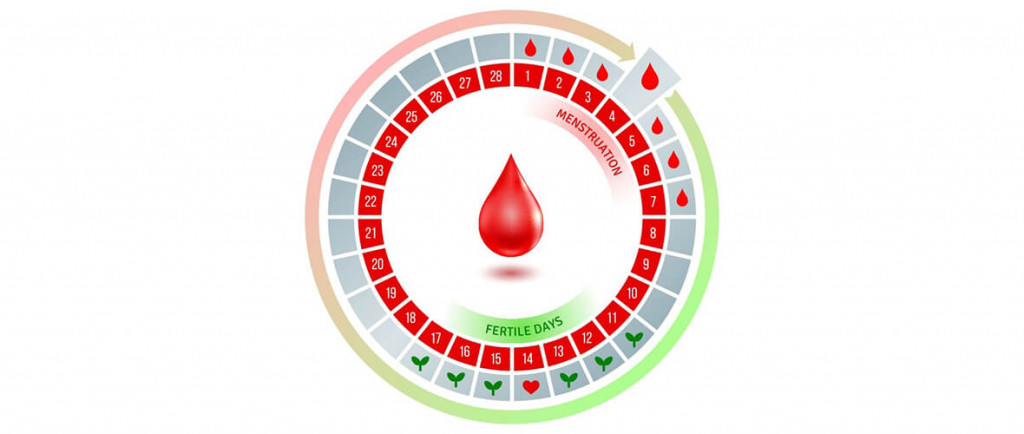
Beyond the clinical aspects, infertility exerts a significant emotional and psychological toll on couples. The protracted process of trying to conceive, undergoing multiple tests, and potentially facing complex medical treatments can lead to stress, anxiety, depression, and feelings of isolation. Couples often experience a roller coaster of hope and disappointment with each menstrual cycle or failed treatment. The societal pressure to have children, coupled with the intimate nature of the struggle, can strain relationships and personal well-being. It is common for individuals to grieve the loss of a "natural" conception experience and to grapple with questions of identity and purpose. Therefore, access to psychological support, counseling, and peer support groups is an integral part of comprehensive infertility care. Recognizing and addressing the mental health aspects is as crucial as addressing the physiological ones.
Navigating Treatment Options and Future Prospects

Once a diagnosis is made, a range of fertility treatments becomes available, tailored to the specific causes of infertility. These can include:
- Medications: Such as Clomiphene Citrate or Letrozole to stimulate ovulation in women with ovulatory disorders.
- Intrauterine Insemination (IUI): A procedure where specially prepared sperm are directly inserted into the uterus around the time of ovulation.
- In Vitro Fertilization (IVF): A highly effective assisted reproductive technology (ART) where eggs are fertilized by sperm outside the body in a laboratory, and the resulting embryos are then transferred to the uterus. IVF can also involve techniques like Intracytoplasmic Sperm Injection (ICSI) for severe male factor infertility.
- Donor Gametes or Embryos: For cases where one or both partners cannot produce viable eggs or sperm, or for single individuals and same-sex couples.
- Surgery: To correct anatomical issues such as blocked fallopian tubes, remove fibroids or endometriosis, or repair varicoceles.
The field of reproductive medicine continues to evolve rapidly. Ongoing research is exploring new diagnostic tools, less invasive treatment options, and a deeper understanding of genetic and epigenetic factors influencing fertility. Innovations like artificial intelligence in embryo selection and advanced genetic screening techniques are constantly improving success rates and personalizing treatment plans.

The Role of Support Systems and Resources
Organizations like the American Pregnancy Association (APA) play a vital role in providing accessible, evidence-based information and support to individuals and couples navigating fertility challenges. Their resources, including free helplines, live chats, and comprehensive guides, offer invaluable assistance in understanding diagnostic processes, treatment options, and coping strategies. Such platforms foster a sense of community and ensure that no one feels alone in their journey. Advocacy for better insurance coverage for fertility treatments and reduced stigma surrounding infertility also remains crucial to improve access to care for all who need it.

In conclusion, the journey to parenthood can be complex, and infertility is a medical condition affecting a significant portion of the population. The imperative for comprehensive, dual-partner fertility assessment after one year of trying to conceive (or six months for older women) is clear. By embracing a collaborative diagnostic approach, informed by the latest medical understanding and supported by robust resources, couples can navigate the challenges of infertility with greater clarity, hope, and ultimately, a higher chance of achieving their dream of starting a family. The ongoing commitment to research, patient education, and accessible support systems will continue to improve the "conception playing field" for generations to come.
