


The journey to independent sleep for children is often fraught with parental anxiety and meticulous planning, with countless resources dedicated to guiding parents through the complexities of establishing this crucial developmental milestone. While the focus typically remains on the arduous process of teaching a child to self-soothe and fall asleep without external assistance, a less discussed, yet equally significant, phase emerges once independent sleep is achieved: the child’s reaction to bedtime itself. Contrary to the widely held assumption that a child who can fall asleep independently will seamlessly transition to a peaceful bedtime, many parents find themselves facing continued resistance, leading to confusion and concern. This phenomenon, termed "powering down," is a normal aspect of childhood development and requires a nuanced understanding from caregivers.
The Paradox of Independent Sleep: Skill vs. Willingness
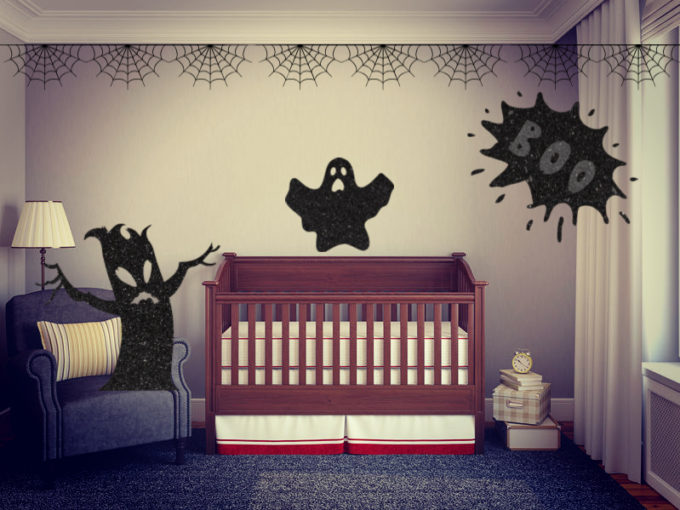
The fundamental principle underpinning independent sleep is equipping a child with the innate ability to transition from wakefulness to sleep without relying on unsustainable sleep associations, such as being rocked, fed, or held until drowsy. Numerous methodologies exist to foster this skill, with experts like those at Precious Little Sleep outlining at least seven distinct approaches in their comprehensive guides. The prevailing parental expectation post-establishment of independent sleep is a quiet, compliant child who readily enters their crib, perhaps engaging in some light self-soothing behaviors before drifting off peacefully. Indeed, some children do exhibit this ideal scenario, even appearing content, or "chuffed," about the prospect of bedtime. However, a significant portion of children, despite mastering the ability to fall asleep on their own, continue to express strong opposition to the bedtime routine itself. This resistance often manifests as active protest, leading parents to question if their child views them as the instigator of an unpleasant experience, hence the darkly humorous observation that parents are "apparently" perceived as monsters.
Protesting Bedtime: A Normal Developmental Stage
The core of independent sleep training lies in cultivating a skill. However, possessing a skill and embracing the activity associated with it are distinct concepts. Children can develop the ability to fall asleep independently while still harboring an aversion to the act of going to bed. Parents frequently express concern when their child begins to complain during the bedtime routine, even when the activities involved are generally enjoyed. This complaint, experts suggest, is not a reflection of dislike for the routine’s components but rather a recognition that the routine inevitably leads to bedtime, an event many children are not inherently eager to participate in.

A common point of confusion arises when children who previously did not protest bedtime begin to do so after sleep training. Prior to achieving independent sleep, a child’s lack of protest was largely due to their unconscious state when being put to bed. Through methods like rocking, nursing, or feeding to sleep, parents would place a deeply sleeping child into their crib, bypassing any opportunity for protest. Once independent sleep is established, the child is aware of the transition, leading to their vocalized displeasure. This vocalization is a form of expression, akin to how children might protest other necessary activities like wearing winter coats, being placed in car seats, or receiving vaccinations. The act of protesting bedtime, therefore, is not necessarily an indicator of failed sleep training but rather a child’s assertion of their feelings about the process. It is a clear signal that they "don’t want to go to sleep," and this is a choice they are empowered to express.
The "Powering Down" Phenomenon: Understanding the Process
This common bedtime resistance has been termed "powering down to sleep." It represents a child’s way of releasing pent-up emotions and energy before succumbing to sleep. The phrase encapsulates the idea that children, upon entering their sleep environment, may need to vent their frustrations, anxieties, or general feelings about the day. This can range from mild grumbling and fidgeting to intense, prolonged crying. The critical factor in determining whether this "powering down" is healthy and normal is its duration, not its intensity. Experts emphasize that if a child is able to fall asleep within approximately 15 minutes of being placed in their crib, the powering down process is considered successful and within normal developmental parameters. The volume or emotional intensity of the protest is less important than the eventual ability to self-regulate and fall asleep within a reasonable timeframe.
Defining a Successful Bedtime: Beyond Silence
A successful bedtime, according to sleep specialists, is characterized by a consistent and nurturing bedtime routine, a safe and conducive sleep environment, and the child’s ability to fall asleep independently. It is crucial to understand that a child’s job is to fall asleep, but their job is not necessarily to do so silently or without any expression of emotion. The period between being placed in the crib and falling asleep can be a time of transition for many children. Some may exhibit behaviors like tossing, turning, or even vocalizing their discontent. This is a natural part of the process for many healthy young children. Rather than interpreting these behaviors as a sign of failure, parents are encouraged to accept them as their child’s individual way of navigating the transition to sleep.
Addressing Persistent Bedtime Struggles
While a period of "powering down" is considered normal, concerns may arise if a child consistently takes longer than 15 minutes to fall asleep. In such cases, underlying issues might be contributing to the prolonged struggle. Troubleshooting these persistent bedtime battles often involves re-evaluating the sleep environment, bedtime routine consistency, and potential daytime factors affecting sleep. Comprehensive resources, such as detailed guides on sleep training and common sleep challenges, can provide valuable strategies for identifying and addressing these issues. However, for parents whose children are able to fall asleep relatively quickly after a period of protest, the overwhelming message from sleep experts is one of reassurance: the child is functioning well, and their bedtime experience, though not silent, is ultimately successful. The ability to fall asleep independently, even with a period of vocalization, signifies a significant achievement in a child’s sleep development.
The Broader Implications: Parental Expectations and Child Development
The societal narrative surrounding sleep training often focuses on achieving a silent, effortless transition to sleep. This expectation can inadvertently place undue pressure on parents and create anxiety when reality diverges from this idealized outcome. The "powering down" phenomenon highlights the importance of realistic expectations in parenting. It underscores that children are individuals with their own emotional landscapes and coping mechanisms. The ability to express displeasure, even at bedtime, is a sign of developing self-awareness and agency.
From a developmental perspective, the resistance to bedtime can be viewed as a child’s way of asserting independence and control in a situation where they have limited autonomy. By allowing children to express their feelings, within reasonable boundaries, parents can foster emotional intelligence and self-regulation. The key lies in distinguishing between genuine distress that requires intervention and the normal, albeit noisy, process of transitioning to sleep.
The prolonged focus on the method of achieving independent sleep, while essential, sometimes overshadows the experience of bedtime once that method is successful. This article aims to bridge that gap, offering a more comprehensive understanding of what constitutes a healthy and successful bedtime for children who have mastered the skill of falling asleep on their own. By reframing parental expectations and recognizing the normalcy of "powering down," caregivers can approach bedtime with greater confidence and a deeper appreciation for the individual developmental trajectories of their children. The ultimate goal is not a silent crib, but a child who can reliably fall asleep, even if it takes a few minutes of vocal expression to get there.
