


The profound connection between general wellness, particularly nutrition, and the ability to conceive is increasingly affirmed by scientific research and medical consensus. For couples embarking on the journey to parenthood, understanding and implementing key lifestyle modifications, including the adoption of healthier habits and optimized nutrition, can significantly boost fertility outcomes for both partners. This evidence-based approach, regularly reviewed and maintained by organizations like the American Pregnancy Association (APA) Content Validation Team, underscores the evolving understanding of preconception health as a cornerstone of successful conception and a healthy pregnancy.
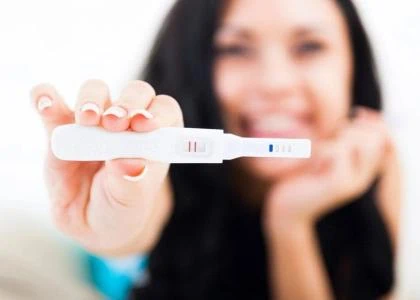
The Scientific Imperative: How Diet Influences Reproductive Health
Fertility is a complex biological process influenced by a myriad of factors, with nutrition emerging as a critical, modifiable determinant. For women, adequate nutrient intake is essential for hormonal balance, ovulation regularity, egg quality, and creating a receptive uterine environment. Nutritional deficiencies or excesses can disrupt these delicate processes, leading to ovulatory dysfunction, poor egg maturation, or issues with embryo implantation. In men, diet plays an equally vital role, impacting sperm count, motility, morphology, and DNA integrity. Oxidative stress, often exacerbated by poor dietary choices, can damage sperm, compromising its ability to fertilize an egg successfully. Therefore, a holistic approach to nutrition, encompassing both partners, is not merely beneficial but often crucial for optimizing reproductive potential.
Key Nutrients for Female Fertility: Laying the Foundation
For women, a targeted nutritional strategy before and during the earliest weeks of pregnancy is paramount. Several key nutrients have been identified as particularly impactful:

- Folic Acid (Folate): Perhaps the most widely recognized nutrient in preconception care, folic acid is crucial for preventing neural tube defects (NTDs) in the developing fetus. Beyond this, folate plays a role in DNA synthesis and repair, cell growth, and metabolism, which are all vital for healthy egg development and ovulation. Experts recommend at least 400 micrograms (mcg) of folic acid daily, ideally starting at least one month before conception and continuing through the first trimester. Rich sources include leafy green vegetables (spinach, kale), fortified cereals, legumes, and citrus fruits.
- Iron: Adequate iron stores are essential for preventing anemia, which can impact ovulation and overall energy levels. Iron is critical for red blood cell production, ensuring oxygen delivery throughout the body, including to the reproductive organs. Non-heme iron from plant sources (lentils, beans, spinach) and heme iron from animal products (lean red meat, poultry) are important. Pairing non-heme iron with Vitamin C can enhance absorption.
- Zinc: Involved in numerous enzymatic reactions, zinc is vital for cell division, egg maturation, and hormonal regulation. Deficiencies have been linked to ovulatory dysfunction and extended time to conception. Foods high in zinc include nuts, seeds, whole grains, and lean meats.
- Vitamin D: Often referred to as the "sunshine vitamin," Vitamin D plays a role in hormone production and immune function, both of which are critical for fertility. Research suggests a link between Vitamin D deficiency and conditions like polycystic ovary syndrome (PCOS) and endometriosis, which can impact fertility. Fatty fish, fortified dairy products, and sunlight exposure are primary sources.
- Omega-3 Fatty Acids: Particularly DHA and EPA, these essential fatty acids are crucial for reducing inflammation, improving egg quality, and supporting healthy hormone function. They are also vital for fetal brain and eye development. Found abundantly in fatty fish (salmon, mackerel, sardines), walnuts, and flaxseeds.
- Antioxidants (Vitamins C & E, Selenium): These compounds combat oxidative stress, which can damage reproductive cells. Vitamin C supports hormone production and iron absorption, while Vitamin E is vital for cell membrane integrity. Selenium, a trace mineral, contributes to thyroid function and protects cells from damage. Berries, nuts, seeds, and colorful vegetables are excellent sources.
Optimizing Male Fertility Through Diet: A Shared Responsibility
While often overlooked, male fertility is equally susceptible to dietary influences. Sperm production, maturation, and function are highly energy-intensive processes that require a steady supply of specific nutrients.
- Zinc: Crucial for testosterone metabolism, sperm production, and sperm motility. Studies have shown that zinc deficiency can lead to reduced sperm count and quality. Oysters, lean beef, pumpkin seeds, and lentils are good sources.
- Selenium: An essential trace mineral, selenium acts as a powerful antioxidant, protecting sperm from oxidative damage. It also plays a role in sperm motility and morphology. Brazil nuts, fish, and whole grains are rich in selenium.
- Folate: While primarily known for female reproductive health, folate is also important for male fertility, contributing to sperm DNA synthesis and reducing chromosomal abnormalities. Leafy greens, beans, and fortified grains are good sources.
- Vitamin C & E: These antioxidants work synergistically to protect sperm from oxidative damage. Vitamin C is also found in seminal plasma, where it contributes to sperm viability. Citrus fruits, bell peppers, and nuts are excellent sources.
- L-Carnitine and Coenzyme Q10 (CoQ10): These compounds are critical for sperm energy metabolism and motility. L-carnitine transports fatty acids into mitochondria, where they are converted into energy, while CoQ10 is involved in ATP production. Red meat, dairy, and some nuts contain L-carnitine, while organ meats and fatty fish contain CoQ10.
Embracing Fertility-Friendly Dietary Patterns
Beyond individual nutrients, adopting a holistic dietary pattern has shown significant benefits. The "fertility diet," a concept popularized by researchers at Harvard, emphasizes:

- Complex Carbohydrates: Whole grains, fruits, and vegetables provide sustained energy and fiber, helping to regulate blood sugar and insulin levels, which is crucial for hormonal balance.
- Plant-Based Proteins: Beans, lentils, nuts, and seeds can be prioritized over excessive animal protein, particularly red meat, which has been linked to ovulatory infertility.
- Healthy Fats: Monounsaturated fats (avocado, olive oil) and omega-3 fatty acids (fish, flaxseed) are favored over trans fats and excessive saturated fats, which can negatively impact insulin sensitivity and inflammation.
- Full-Fat Dairy (in moderation): Some research suggests that full-fat dairy may be more beneficial for ovulatory fertility than low-fat options, though this area requires further investigation.
- Plenty of Fruits and Vegetables: A wide variety ensures a broad spectrum of vitamins, minerals, and antioxidants.
The Mediterranean diet, with its emphasis on whole foods, fresh produce, lean proteins, and healthy fats, aligns closely with these fertility-friendly principles and has been associated with improved fertility rates. Conversely, diets high in processed foods, refined sugars, trans fats, and excessive caffeine or alcohol can negatively impact fertility by promoting inflammation, oxidative stress, and hormonal imbalances.
Beyond the Plate: Lifestyle’s Crucial Role in Conception
While nutrition forms a significant pillar of preconception health, other lifestyle factors are equally critical:

- Weight Management: Both underweight and overweight/obesity can impair fertility. Being underweight can disrupt hormonal balance and ovulation in women, while obesity in both men and women is associated with hormonal imbalances, reduced egg and sperm quality, and higher rates of miscarriage. Achieving and maintaining a healthy Body Mass Index (BMI) is a vital step.
- Regular, Moderate Exercise: Consistent physical activity can improve hormonal balance, reduce stress, and help maintain a healthy weight. However, excessive or strenuous exercise, particularly in women, can sometimes lead to ovulatory dysfunction.
- Stress Reduction: Chronic stress can disrupt the hypothalamic-pituitary-gonadal axis, affecting hormone production and ovulation. Techniques such as mindfulness, yoga, meditation, and adequate sleep can help manage stress levels.
- Adequate Sleep: Sufficient, quality sleep is crucial for regulating hormones, including those involved in reproduction. Disrupted sleep patterns can negatively impact fertility.
- Avoiding Harmful Habits: Smoking, excessive alcohol consumption, and recreational drug use are unequivocally detrimental to fertility for both partners. Smoking, for instance, can damage egg and sperm DNA, accelerate ovarian aging, and reduce sperm quality. Alcohol can disrupt hormone levels and impair reproductive function.
- Limiting Environmental Toxin Exposure: Exposure to certain pesticides, plastics (BPA, phthalates), and other endocrine-disrupting chemicals can interfere with hormonal systems and negatively impact reproductive health.
The Importance of Preconception Health: Setting the Stage
The concept of preconception health emphasizes that the health status of both prospective parents before conception significantly influences the chances of getting pregnant, the health of the pregnancy, and the long-term health of the child. This proactive approach allows couples to address potential deficiencies, mitigate risks, and optimize their bodies for conception and fetal development. Starting these changes early – ideally three to six months before attempting to conceive – allows sufficient time for egg and sperm maturation cycles to benefit from improved nutrition and lifestyle. The American Pregnancy Association, through initiatives like the "Health Pregnancy Journey," provides comprehensive guidance to support couples at every stage, from planning to the earliest weeks of pregnancy.
Expert Consensus and Broader Implications
Leading health organizations worldwide, including the World Health Organization (WHO), the Centers for Disease Control and Prevention (CDC), and the American College of Obstetricians and Gynecologists (ACOG), increasingly advocate for comprehensive preconception care, with nutrition and lifestyle at its core. This reflects a growing understanding that health interventions initiated before pregnancy can have profound and lasting impacts, reducing the incidence of infertility, pregnancy complications, and certain birth defects.

The implications of prioritizing preconception nutrition extend beyond individual couples. From a public health perspective, promoting widespread awareness and access to resources on fertility-enhancing diets and lifestyles could lead to healthier populations, reduced healthcare costs associated with infertility treatments, and improved maternal and child health outcomes globally.
Conclusion: Empowering Couples Through Informed Choices
In conclusion, the answer to "Can good food ensure good fertility?" is a resounding yes, though it is one part of a larger wellness puzzle. The scientific evidence overwhelmingly supports the critical role of nutrition and lifestyle in optimizing fertility for both men and women. By making informed choices about diet, managing weight, reducing stress, and eliminating harmful habits, couples can significantly enhance their chances of conception and lay the healthiest possible foundation for a successful pregnancy and a thriving family. The American Pregnancy Association’s commitment to providing evidence-based information, regularly validated and updated (as exemplified by the January 30, 2026, revision date), empowers individuals with the knowledge and resources needed to navigate their unique fertility journeys.
