

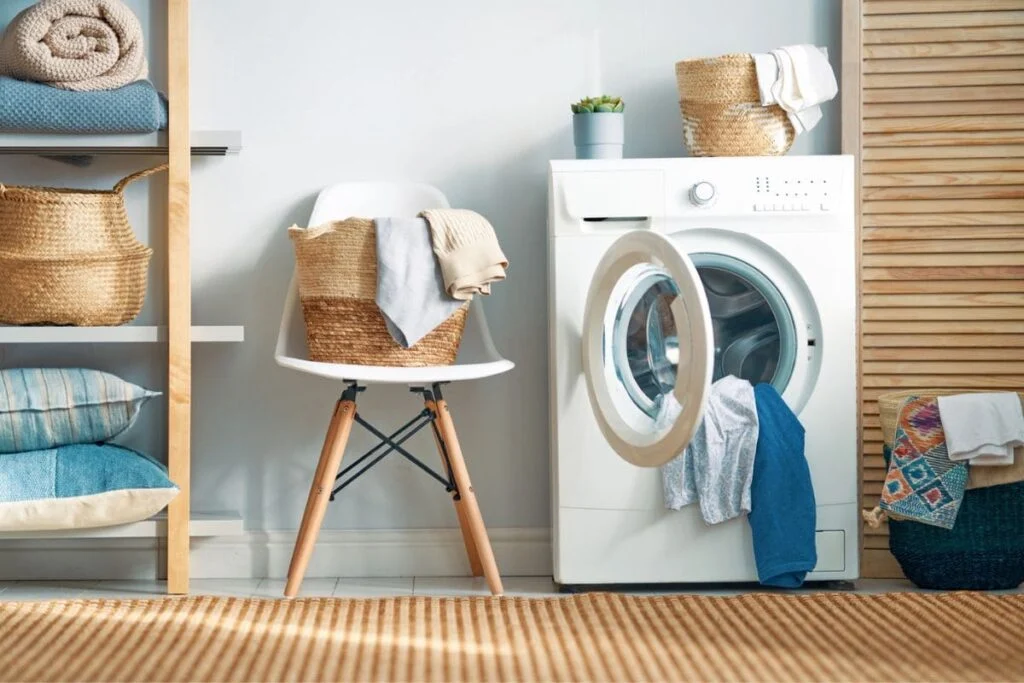
The mundane task of doing laundry, a recurring necessity for households worldwide, is emerging as a viable and accessible income-generating opportunity for individuals seeking flexible work-from-home arrangements. With the increasing demand for convenience services and the growing gig economy, several companies and platforms are now facilitating opportunities for individuals to earn money by offering laundry services, turning this domestic chore into a profitable side hustle. This evolution reflects a broader trend where everyday tasks are being professionalized and commoditized, offering accessible entry points for those looking to supplement their income without significant upfront investment or specialized professional experience.
The foundational concept behind this burgeoning industry is straightforward: individuals with the necessary equipment and a willingness to dedicate time can offer their services to those who prefer to outsource their laundry needs. This can range from simple wash-and-fold services to more specialized offerings like ironing and dry cleaning, often facilitated through user-friendly mobile applications and online platforms. The appeal lies in its low barrier to entry, flexibility, and the potential for significant earnings, particularly for those who can establish a consistent client base or leverage the reach of established service providers.
Understanding the Laundry Service Ecosystem
The modern laundry service landscape is characterized by a dual approach: independent entrepreneurs and platform-facilitated services. While starting an independent laundry business from scratch requires considerable effort in marketing, customer acquisition, and operational management, the emergence of specialized apps and websites has democratized access to this market. These platforms act as intermediaries, connecting service providers with customers, handling payment processing, and often providing a framework for service standards and customer support. This model significantly reduces the initial hurdles for aspiring laundry professionals.
The demand for such services is driven by a variety of demographic factors. Busy professionals, dual-income households, students managing demanding academic schedules, and individuals with mobility challenges often find themselves with limited time or energy to dedicate to laundry. The convenience of having clean, folded, and sometimes even ironed clothes returned to their doorstep makes outsourcing this chore an attractive proposition. Furthermore, the digital age has fostered an expectation of on-demand services, extending to household tasks.
Requirements for Aspiring Laundry Professionals
Embarking on a laundry side hustle, while accessible, does necessitate certain fundamental requirements to ensure efficient and professional service delivery. Foremost among these is access to reliable laundry equipment. A functional washing machine and dryer are essential, and while commercial-grade machines are not typically required, a robust, high-quality set is advisable to handle increased usage and potential wear and tear. The capacity of the machines will also influence the volume of laundry that can be processed efficiently.
Beyond the core equipment, a dedicated and clean workspace is crucial for organizing, folding, and preparing laundry for delivery. This space should be conducive to maintaining hygiene and preventing cross-contamination. Depending on the platform and the services offered, transportation may also be a key requirement. The ability to pick up and deliver laundry within a specified radius is often a prerequisite, necessitating a reliable vehicle and a valid driver’s license.
Customer service skills are paramount. Professionalism, clear communication, punctuality, and a meticulous approach to handling clients’ garments are vital for building trust and securing repeat business. Attention to detail, such as proper sorting of clothes, careful adherence to care instructions, and neat folding or hanging, distinguishes a good service provider from an exceptional one. Some platforms may also require background checks and a smartphone with internet access for managing orders and communications.
Earning Potential and Financial Projections
The earning potential within the laundry service sector is multifaceted and can vary significantly based on several contributing factors. These include the geographic location of the service provider, the demand for laundry services in that area, the specific platform utilized, and the range of services offered. Most platforms operate on a per-pound pricing model, with additional charges for specialized services like ironing, stain removal, or same-day turnaround. Customer tipping, while not always mandatory, can significantly augment overall earnings.
Industry reports and platform data suggest that typical earnings for a laundry side hustle can range from approximately $15 to $20 per bag of laundry. However, some high-performing individuals have reported substantially higher income figures. For instance, reports indicate that some top-tier laundry professionals, particularly those leveraging platforms with strong demand and offering premium services, can potentially earn upwards of $5,000 per month. This level of income is often achieved through consistent client engagement, efficient service delivery, and potentially offering additional value-added services that command higher rates.
The ability to offer specialized services can be a key differentiator in maximizing income. Ironing, for example, is a labor-intensive task that many customers are willing to pay a premium for. Similarly, handling delicate fabrics or executing complex stain treatments requires specific skills and knowledge, allowing providers to charge accordingly. The flexibility inherent in these roles also allows individuals to scale their efforts based on their availability and income goals, making it a adaptable income stream.

Leading Platforms and Opportunities in the Laundry Service Market
A growing number of companies and applications are dedicated to connecting individuals with opportunities to earn money by doing laundry. These platforms offer varying structures, compensation models, and geographic coverage, providing a diverse landscape for potential service providers to explore.
1. Care.com
While widely recognized for connecting families with childcare providers, Care.com also serves as a broader platform for various household services, including laundry. Service providers can create profiles and apply for jobs posted by individuals seeking assistance with tasks such as housekeeping and laundry. The platform requires a membership fee for background checks, which contributes to a secure environment for both clients and providers. Laundry service providers on Care.com can potentially earn an average of $22 per hour, benefiting from the platform’s extensive network of 29 million families.
2. Clotheslyne
Operating in specific states, Clotheslyne offers a remote laundry service with a notable 24-hour turnaround time for certain services. To become a "Clotheslyner," applicants need strong customer service skills, a smartphone, and access to laundry facilities. The compensation typically ranges from $15 to $25 per hour, plus tips. A crucial step in the onboarding process involves completing a test run to ensure quality standards are met. Clotheslyne maintains a positive presence on app stores, indicating a functional and user-friendly interface for its providers.
3. Hampr
Hampr utilizes a user-friendly app to match laundry service providers, known as "Washrs," with customers. The service employs proprietary "Hamprs" (laundry bags) to streamline the pickup and delivery process. Washrs are required to pass a background check and can define their service radius, accommodating pickup and drop-off requirements. Hampr Washrs receive 70% of the standard market rate per load and are paid weekly via direct deposit. Active Washrs can potentially earn around $500 per week, with some individuals reporting significant annual earnings.
4. Laundry Care
Laundry Care is an established company providing comprehensive laundry services. It aims to equip its service providers with the necessary tools and support, including marketing materials and customer service assistance, fostering a team-oriented environment. Laundry Care is known for its competitive pay structure, with providers earning at least $20 per bag of laundry, plus a $3 service fee and any customer tips. The platform offers flexibility in turnaround times, with options for two-day jobs, appealing to those who may not be able to commit to a 24-hour service. Payments are processed within one to three business days after job completion, offering providers frequent access to their earnings.
5. Londr
Londr operates as a laundry and dry-cleaning platform that connects customers with highly-rated laundry care providers. The platform allows users to accept job notifications via text message and offers flexibility in service execution; providers can use their own machines or a local laundromat if they lack home facilities. Londr compensates providers with $20 for small to mid-sized loads and $32 for larger loads, with payments typically issued within two to three business days after a job is marked as delivered. The company holds an A+ rating with the Better Business Bureau, indicating a strong reputation for business practices.
6. Monzit
Monzit is an on-demand laundry service app that includes wash, dry, fold, and iron services. Service providers, referred to as "Monzas," have complete control over their schedules and earning potential. Monzit offers competitive compensation, with providers retaining 75% of the service fee (after payment processing) and 100% of all tips received. With a minimum service spend of $48 per load, Monzas can expect to earn at least $33.60 per load. Essential requirements for Monzas include having a smartphone, a reliable vehicle, and access to a washer and dryer.
7. Poplin
Poplin facilitates connections between laundry professionals and clients needing laundry services, emphasizing competitive pay and flexible scheduling. The platform provides training resources, including best practices videos and a "Getting Started" guide, to ensure providers adhere to Poplin’s service standards. To begin, providers are required to purchase specific supplies, such as laundry bags and detergent. Poplin laundry pros receive job requests through their app and are expected to return clean, folded, or hung laundry within 24 to 48 hours. High earners can potentially reach $6,000 per month, with average earners typically making between $2,000 to $2,500 per month. The average earning per order is reported to be $40, with a minimum of $15 before tips.
8. TaskRabbit
TaskRabbit is a versatile platform that allows individuals to offer a wide array of services, including laundry and ironing. By signing up as a "Tasker," individuals can set their own prices and work hours, whether part-time or full-time. The app requires a $25 registration fee and identity verification. TaskRabbit offers flexibility, allowing Taskers to set their own rates, which can vary significantly by location. In some areas, laundry and ironing services can command hourly rates as high as $34. The platform boasts a strong rating on Trustpilot, reflecting a generally positive user experience.
The Broader Implications of the Laundry Side Hustle Economy
The proliferation of opportunities to earn money doing laundry signifies a broader shift in the nature of work and income generation. It underscores the increasing commodification of everyday tasks and the growing reliance on the gig economy to meet consumer demand for convenience. This trend has several implications:
- Increased Accessibility to Income: For individuals who may face barriers to traditional employment, such as those with caregiving responsibilities, limited mobility, or those seeking supplemental income, laundry services offer a relatively low-barrier entry point.
- Flexibility and Autonomy: The inherent flexibility of these roles allows individuals to set their own hours and work around other commitments, promoting a better work-life balance. This autonomy is a significant draw for many seeking alternative employment models.
- Economic Impact: The growth of this sector contributes to local economies by creating independent contractor opportunities and increasing consumer spending power.
- Challenges and Considerations: While attractive, it’s important for potential providers to acknowledge the potential downsides. Increased wear and tear on personal appliances, the cost of supplies, and the fluctuating nature of gig work income are factors that require careful consideration. Furthermore, the lack of traditional employee benefits, such as health insurance or paid time off, is a characteristic of the gig economy that service providers must manage.
- Technological Integration: The success of these platforms is heavily reliant on sophisticated mobile applications and web interfaces that streamline the entire process, from order placement and provider matching to payment and customer reviews. This highlights the indispensable role of technology in modern service delivery.
Conclusion: Laundering Your Way to Extra Income
The prospect of earning money by performing a common household chore is no longer a novelty but a tangible reality for many. The availability of platforms like Care.com, Clotheslyne, Hampr, Laundry Care, Londr, Monzit, Poplin, and TaskRabbit has democratized access to this lucrative side hustle. By understanding the requirements, potential earnings, and the operational nuances of these services, individuals can effectively leverage their time and resources to transform laundry from a burden into a source of supplementary income. As the demand for convenient, on-demand services continues to grow, the laundry side hustle is poised to remain a relevant and accessible income-generating avenue for a diverse range of individuals. The key to success lies in professionalism, efficiency, and a commitment to delivering high-quality service that meets and exceeds client expectations.
