

The landscape of children’s literature is undergoing a significant transformation, with a growing emphasis on diverse representation in books shared with young readers. This shift is not merely a trend but a crucial development in fostering empathy, understanding, and a more inclusive worldview in children. While beloved stories have long formed the bedrock of childhood reading, recent decades have seen a concerted effort to ensure that the characters and narratives encountered by children reflect the multifaceted reality of the world they inhabit. This article explores the critical need for diversity in children’s books, examines specific titles that exemplify this inclusive approach, and analyzes the broader implications of this evolving literary environment.
The Imperative for Diverse Representation in Children’s Literature

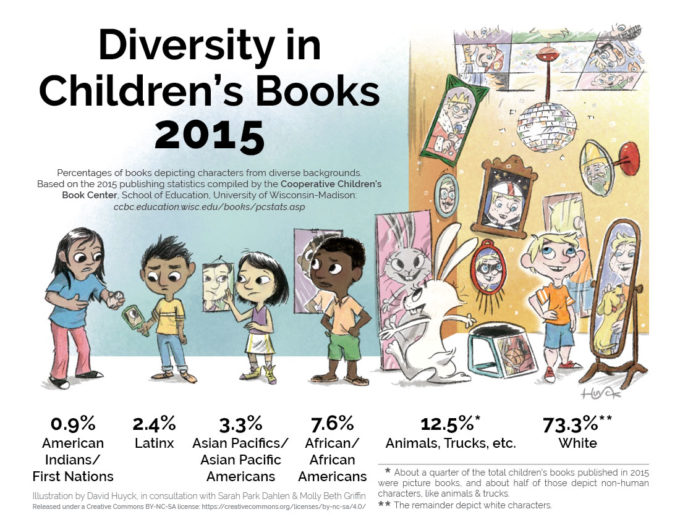
For decades, children’s books have, by and large, presented a skewed reality. Data consistently indicates a significant overrepresentation of white, male characters, even in stories featuring animal or anthropomorphic protagonists. A landmark study by the Cooperative Children’s Book Center at the University of Wisconsin-Madison, which has been tracking diversity in children’s literature for years, has repeatedly highlighted this imbalance. For instance, in the 2018 report, only 10% of children’s books featured Black or African characters, and a mere 5% featured Asian characters. Similarly, female characters often occupy a secondary or less prominent role compared to their male counterparts. This lack of representation can have profound consequences for children.

When children do not see themselves or people who are like them reflected in the stories they consume, it can lead to feelings of invisibility and marginalization. Conversely, exposure to diverse characters and experiences from an early age can cultivate empathy, break down stereotypes, and promote a deeper understanding of different cultures, abilities, genders, and family structures. Research published in journals like "Child Development" has indicated that exposure to diverse narratives can positively influence children’s attitudes towards different groups, reducing prejudice and fostering more inclusive social behaviors. The importance of this cannot be overstated, as early childhood is a formative period for developing social and emotional intelligence.
A Critical Examination of the Current Literary Environment
The call for greater diversity in children’s literature is not a new one, but its urgency has intensified in recent years. The publishing industry, while making strides, still faces challenges in fully realizing this vision. Critics and educators have pointed out that even when diverse characters are present, their narratives may sometimes rely on stereotypes or tokenism rather than offering nuanced and authentic portrayals. The experiment proposed by some proponents of diverse literature—encouraging parents to tally the diversity of characters in their existing book collections—often reveals a stark imbalance, underscoring the need for intentional curation and selection of books that offer a broader spectrum of representation.
The anecdotal evidence from parents and educators often mirrors these findings. Many note that while popular series like "Diary of a Wimpy Kid," "Lucky Luke," or "Captain Underpants" are enjoyed by children, they predominantly feature white, male protagonists. This creates a potential disconnect between the diverse world children are growing up in and the often monolithic worlds presented within their reading material. This realization has spurred a movement among parents, educators, and authors to actively seek out and promote books that champion a wider array of identities and experiences.
Highlighting Diverse Voices: A Curated Selection
The following selection of books, categorized by age group, represents a commitment to showcasing stories that not only entertain but also educate and inspire, featuring characters that reflect the richness of human diversity across race, gender, ability, and sexuality.
Books for Babies and Toddlers: Laying the Foundation for Inclusivity
Even for the youngest readers, books can introduce the concept of diversity and belonging.
- "Not Quite Narwhal" by Jessie Sima: This heartwarming story introduces Kelp, a character who feels different. While it can be interpreted as a tale of self-acceptance, it also beautifully illustrates the encompassing nature of family love, offering a gentle introduction to themes of belonging.
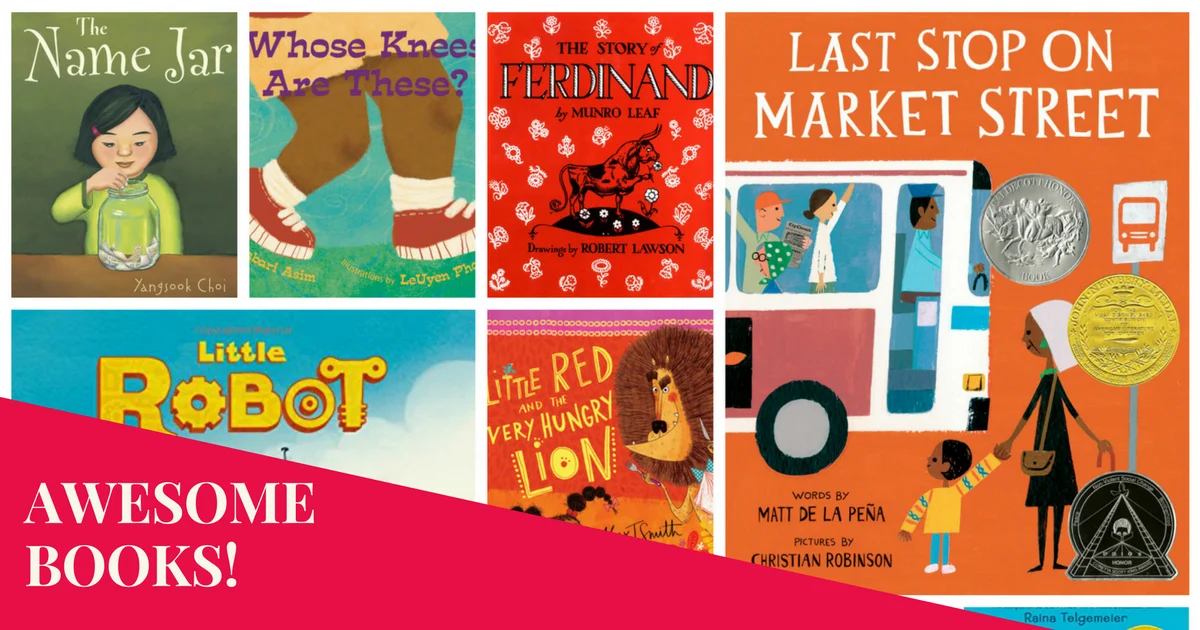
- "Whose Knees Are These?" by Gloria L. Smith: This simple board book, with its playful rhymes, is an engaging way for very young children to learn body parts. The illustrations often depict a variety of children, subtly introducing different physical appearances and promoting early recognition of diversity.
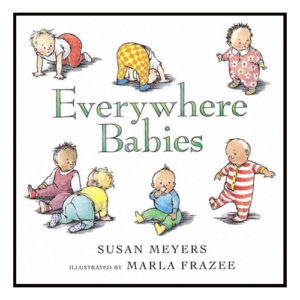
- "Everywhere Babies" by Susan A. Morgan: Illustrated by the acclaimed Caldecott Honor artist John J. Muth, this board book is a celebration of babies in all their forms. It features a rich tapestry of illustrations showcasing babies of various ethnicities, family structures, and environments, emphasizing that babies are found everywhere and are inherently valuable. Its simple narrative and vibrant artwork make it highly appealing to both infants and toddlers.
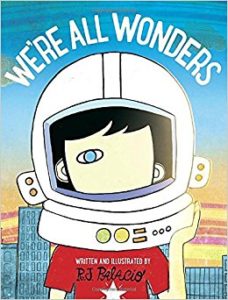
- "We’re All Wonders" by R.J. Palacio: Adapted from the beloved chapter book "Wonder," this picture book brings the story of Auggie Pullman to a younger audience. Auggie, who looks different from his peers, navigates the challenges of public school. The book gently introduces themes of embracing differences and understanding that everyone is wonderful in their own way, making it a powerful tool for fostering empathy and acceptance from an early age.
Books for Preschoolers: Cultivating Understanding and Empathy
As children enter preschool, their capacity for understanding more complex social dynamics and narratives expands, making this an opportune time to introduce more nuanced diverse stories.
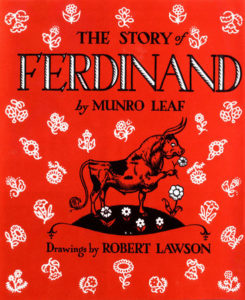
- "The Story of Ferdinand" by Munro Leaf: A timeless classic, "The Story of Ferdinand" tells the tale of a bull who prefers smelling flowers to fighting. Ferdinand’s gentle nature and refusal to conform to traditional expectations make him a compelling character who champions individuality and peace. This story, celebrated for its lyrical prose, subtly encourages children to embrace their unique qualities and question societal norms.
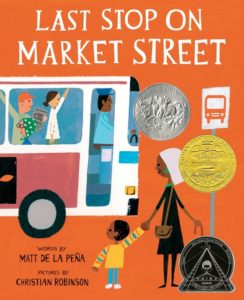
- "Last Stop on Market Street" by Matt de la Peña: This Caldecott Medal winner follows CJ and his grandmother on their weekly bus ride. Initially reluctant, CJ learns to appreciate the beauty and diversity of his community through his grandmother’s insightful observations. The book is a profound exploration of gratitude, mindfulness, and the richness found in everyday life and diverse human connections, all rendered with vibrant and evocative illustrations.
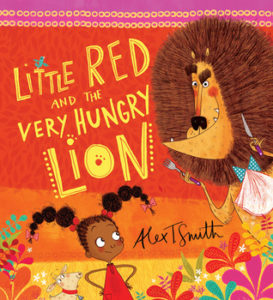
- "Little Red and the Very Hungry Lion" by Alex Smith: A delightful twist on the classic "Little Red Riding Hood," this version is set in a vibrant African jungle. Little Red is resourceful and brave, and the story subverts traditional fairy tale tropes with its humor, colorful illustrations, and a less grim outcome for the characters. It offers a refreshing cultural perspective and a modern, engaging narrative.
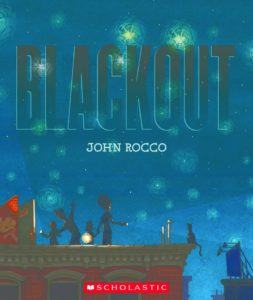
- "Blackout" by John Rocco: This Caldecott Honor book, with its minimal text and striking illustrations, tells the story of a family’s experience during a city-wide blackout. The power outage forces a family, initially engrossed in their electronic devices, to connect with each other and their community. It’s a powerful visual narrative about the importance of human connection and shared experiences, transcending age and background.
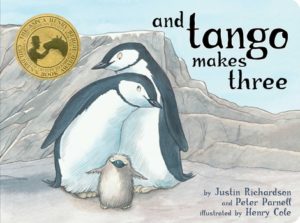
- "And Tango Makes Three" by Justin Richardson and Peter Parnell: Based on a true story, this heartwarming book recounts the tale of two male penguins at the Central Park Zoo who form a pair and are given an egg to raise. It’s a beautiful and accessible introduction to same-sex relationships and the diverse forms that families can take, promoting acceptance and understanding of different family structures.
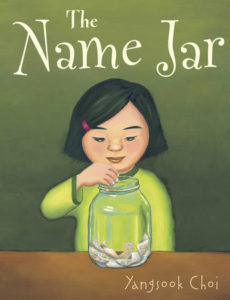
- "The Name Jar" by Yangsook Choi: Unhei, a young girl who has just moved from Korea, worries about her new classmates pronouncing her name. She keeps it a secret, but her classmates’ thoughtful gesture of creating a "name jar" with potential new names for her, followed by the disappearance of the jar, leads to a gentle yet profound exploration of identity, cultural heritage, and the welcoming nature of community.
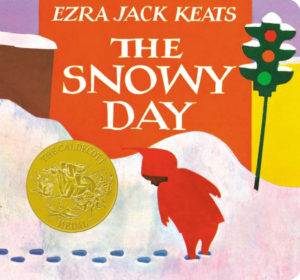
- "The Snowy Day" by Ezra Jack Keats: A perennial favorite and a Caldecott Medal winner, this book is celebrated for its simple yet evocative portrayal of a young boy’s joyful exploration of a snowy day. Peter, a Black child, is depicted experiencing the wonder of winter, making it a landmark in children’s literature for its representation of a minority child as the central protagonist in a universally relatable experience.
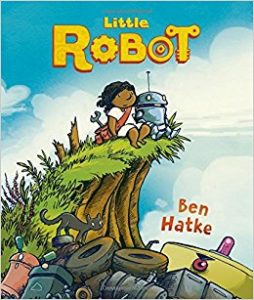
- "Little Robot" by Ben Hatke: This wordless picture book tells the story of a small robot befriended by a kind and curious young girl. Through its beautiful illustrations and engaging narrative, it explores themes of friendship, kindness, and the formation of bonds across perceived differences. Hatke’s work is renowned for its charm and emotional depth.
Books for Older Children: Engaging with Complex Themes
As children mature, their reading preferences evolve, and they can engage with more complex themes and narratives that explore identity, social justice, and personal challenges.
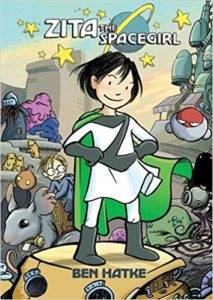
- "Zita the Spacegirl" Trilogy by Ben Hatke: This adventurous series follows Zita, a courageous and loyal Earth girl who finds herself on an epic journey across the galaxy. The books are filled with imaginative characters, thrilling plotlines, and relatable themes of friendship, bravery, and self-discovery. Zita’s resilience and the diverse alien species she encounters offer a captivating and inclusive space opera for young readers.
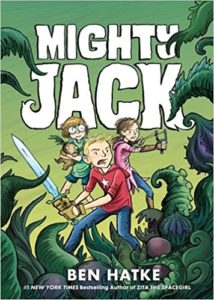
- "Mighty Jack" by Ben Hatke: A creative retelling of "Jack and the Beanstalk," this graphic novel introduces Jack and his sister Maddy, who has autism and is nonverbal. Maddy is a central character, and her relationship with Jack is integral to the story. The book also touches upon themes of divorce and mother-son relationships, offering a nuanced portrayal of family dynamics and sibling bonds, all within an exciting adventure.
- "El Deafo" by Cece Bell: A Newbery Honor winner, "El Deafo" is a graphic novel memoir about the author’s experience losing her hearing as a child and her fantasy life as a superhero named El Deafo. The book candidly addresses the challenges of being different, the complexities of friendship, and the power of imagination, resonating deeply with readers who have experienced similar feelings of otherness.
- "Sisters" by Raina Telgemeier: This highly popular graphic novel chronicles the complex relationship between two sisters on a road trip to visit family. It explores sibling rivalry, the dynamics of family, and the everyday experiences of young girls with humor and honesty. Telgemeier’s work is widely praised for its authentic portrayal of middle school life and its relatable characters. Other works by Telgemeier, such as "Ghost" (featuring a protagonist with cystic fibrosis) and "Drama" (touching on themes of crushes and questioning sexuality), further expand the range of diverse experiences explored in her accessible and engaging style.
The Broader Impact and Future of Diverse Children’s Literature
The increasing availability and popularity of diverse children’s books signal a positive shift in the publishing industry and in how we approach childhood education. This movement is not about replacing established classics but about enriching the literary landscape to ensure that all children can find stories that resonate with them and broaden their understanding of the world.
The implications of this trend are far-reaching. By normalizing diversity in literature, we are actively working to dismantle prejudice and foster a generation that is more accepting, empathetic, and inclusive. The stories shared with children today will shape the adults they become tomorrow, and by providing a wider lens through which to view humanity, we are investing in a more equitable and understanding future.
As this literary landscape continues to evolve, ongoing dialogue and a commitment from publishers, authors, educators, and parents are essential. Continued research into representation, the promotion of underrepresented voices, and the intentional selection of books that reflect the multifaceted nature of our world will be crucial in ensuring that children’s literature remains a powerful tool for positive social change and personal growth. The journey towards truly inclusive children’s literature is ongoing, but the progress made thus far offers a hopeful glimpse into a future where every child can see themselves, and their diverse world, reflected in the pages of a book.
