

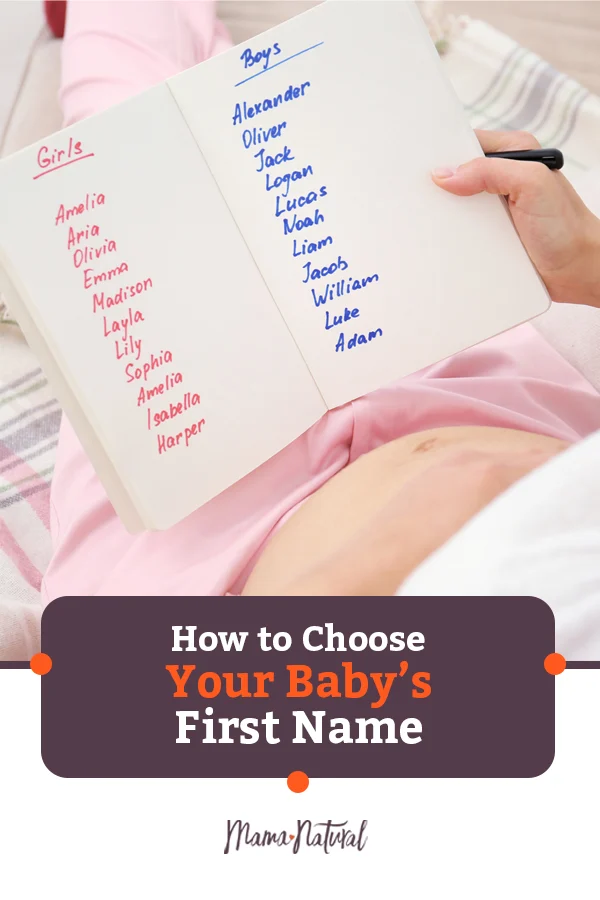
Selecting a first name for a newborn has evolved from a simple family tradition into a significant psychological and social decision that carries lifelong implications for the child. As parents navigate an increasingly globalized world, the pressure to find a name that is both unique and culturally resonant has intensified. This process, often described as a child’s "first gift," requires a strategic approach that balances personal preference with practical considerations of phonetics, heritage, and social perception. According to data from the Social Security Administration (SSA), the diversity of baby names has increased significantly over the last century; in the 1950s, the top 10 most popular names accounted for nearly 25% of all births, whereas today, that figure has dropped to less than 10%, reflecting a broad societal shift toward individuality.
Establishing a Foundational Strategy for Naming
The initial phase of selecting a name involves establishing a set of shared criteria between partners to prevent future conflict and narrow the search field. Professional naming consultants suggest that parents first identify their "naming style," which typically falls into categories such as traditional, modern, vintage, or nature-inspired. By discussing "wants and needs" early in the pregnancy, parents can create a framework that addresses specific constraints.
Key foundational questions often include the desired length of the name, the importance of honoring specific ancestors, and the level of popularity the parents are comfortable with. For instance, some parents may prefer a name that is easily recognizable but not in the "Top 10" list, while others may seek a completely unique identifier. Establishing these boundaries early serves to foster compromise and ensures that both parties feel represented in the final decision.
Utilizing Digital Tools and Historical Databases
In the digital age, the search for the perfect name has been streamlined by sophisticated databases and "name finders" that allow parents to filter options by origin, meaning, and popularity trends. These tools provide a wealth of inspiration for those who may feel overwhelmed by the sheer volume of choices. Modern databases offer curated lists ranging from biblical selections for boys to unique, avant-garde options for girls.
For parents seeking specific auditory qualities, many platforms now allow sorting by starting or ending letters, as well as the number of syllables. The "Surprise Me" feature, common in many naming apps, utilizes randomization to introduce parents to names they might not have otherwise considered. This exposure to a broad assortment of names—varying in origin from Polynesian to Eastern European—encourages parents to look beyond their immediate cultural bubble.
The Psychological and Etymological Impact of Meanings
Every name carries a linguistic history, and for many parents, the etymology of a name is as important as its sound. Research into "nominative determinism" suggests that a name’s meaning can subconsciously influence a person’s self-perception and even their career path. For example, parents seeking a name that conveys resilience might opt for Ethan, which translates to "enduring and strong," rather than a more overt choice like Valor.
Meanings also offer a way to connect a child’s identity to specific virtues or natural elements. A child perceived as calm during the prenatal stage might be given a name like Salma or Arina, both of which signify "peace." Conversely, names like Vida or Eva, meaning "life," are popular choices for children born into families that value vitality and energy. Exploring these roots allows parents to select a name that serves as a subtle "mission statement" for the child’s future.
Expanding the Horizon: Beyond Traditional Modernity
While modern names such as Paisley or Kenzie have seen a surge in popularity over the last decade, there is a counter-trend toward "vintage sweethearts"—names like Sadie or Minnie that were popular in the late 19th and early 20th centuries. This cyclical nature of naming often sees names "resting" for two or three generations before returning to fashion, a phenomenon sociologists call the "100-Year Rule."
Furthermore, parents are increasingly looking toward global origins to find names that sound familiar but remain distinct. A parent who appreciates the floral roots of Lily but finds the name too common might gravitate toward the Polynesian name Leilani, meaning "heavenly flower." This strategy allows for a name that is unique within a specific geographic region while maintaining a connection to a beloved theme or sound.

Technical Considerations: The Intersection of First and Last Names
A name does not exist in a vacuum; it must function harmoniously with the family’s surname. Journalists and linguists often point to the "flow" of a name as a critical factor in its long-term success. Parents are encouraged to evaluate how the first name interacts with the surname by asking several technical questions:
- Syllabic Balance: Does a short first name pair well with a long surname? (e.g., "Jane Montgomery" vs. "Isabella Montgomery")
- Phonetic Overlap: Does the first name end with the same letter that the last name begins with? (e.g., "Thomas Smith," where the ‘s’ sounds can blur together)
- Initials and Acronyms: Do the initials form an unintended word or an embarrassing acronym?
- Nicknames: Is the name prone to nicknames that the parents find unappealing?
One practical exercise recommended by experts is the "Shout Test"—vocalizing the full name as if calling the child from across a park. This helps determine if the name is easy to pronounce and whether it retains its dignity when spoken loudly.
Conflict Resolution: Navigating Parental Disagreements
It is common for parents to experience "naming friction" when their aesthetic preferences clash. One partner might favor a bold, car-inspired name like Chevelle, while the other prefers a classic, multi-syllabic name like Isabella. In such cases, experts suggest several methods of resolution:
- The Middle Name Compromise: Using one partner’s favorite name as the middle name to ensure it is included without being the primary identifier.
- The "Veto" System: Each partner is given a set number of "vetoes" to eliminate names they absolutely cannot tolerate.
- Derivative Searching: Finding a middle ground through variations. If Isabella is too long, perhaps Isabel or Belle offers a suitable compromise.
- The "Waiting Room" Strategy: Shortlisting two or three names and waiting until the baby is born to see which name "fits" their appearance and temperament.
Chronology and the Timing of the Final Decision
The timeline for naming a child varies significantly across cultures and individual families. In some traditions, such as Jewish naming ceremonies, the name is not officially revealed until several days after birth. Conversely, many modern parents prefer to have the name finalized months before the due date to personalize the nursery and bond with the fetus.
Data suggests that approximately 40% of parents have a shortlist of names before conception, while 10% wait until the moment of birth to make a final choice. There is no legal requirement in most Western jurisdictions to name a child immediately upon delivery, though hospitals typically require a name for birth certificate processing before discharge. This flexibility allows parents to avoid rushing a decision that will last a lifetime.
The Social Implications of Name Disclosure
The decision of whether to reveal a baby’s name before birth has become a point of contention in the age of social media. While "name reveals" are popular for engagement, they also open the parents up to unsolicited opinions and criticism from friends and family. To protect the sanctity of the naming process, many parents now opt to keep the name private until the birth certificate is signed.
Psychologists suggest that keeping the name private can prevent "name theft" (where acquaintances use the name first) and eliminates the risk of someone else’s negative association with a name influencing the parents’ choice. If pressured to reveal the name, parents are advised to maintain a firm boundary, stating that they are "waiting to meet the baby" before making the final announcement.
Broader Impact and Conclusion
The act of naming a child is more than a domestic task; it is a contribution to the linguistic and social fabric of a generation. As naming trends continue to shift toward the unique and the meaningful, the role of the "first name" as a marker of identity becomes even more pronounced. By employing a structured approach—balancing data-driven research with emotional resonance and technical flow—parents can ensure that their child’s first gift is one that will serve them well throughout their personal and professional life.
Ultimately, the process of choosing a name is a reflection of a family’s values and hopes for the future. Whether the name is a vintage classic or a modern innovation, the most successful names are those chosen with intentionality, compromise, and a deep respect for the individual the child will one day become.
