

The landscape of entrepreneurship is constantly evolving, with innovation often stemming from unexpected places. In today’s fast-paced world, the demand for convenience and personalized products has fueled a surge in the popularity of compact, specialized machinery. These "mini machines," ranging from advanced crafting tools to automated service units, represent a significant opportunity for individuals seeking to launch or expand their business ventures with relatively low startup costs and the potential for substantial returns. This article explores the burgeoning market of mini machines and outlines eleven innovative ideas that capitalize on this trend, offering insights into their benefits, potential, and the strategic considerations for aspiring entrepreneurs.
The Rise of Mini Machines: Redefining Small Business Potential
The concept of a "mini machine" encompasses a broad spectrum of devices, from semi-automated, self-serve units designed for passive income generation to highly specialized tools that empower creators to produce bespoke goods. At their core, these machines are characterized by their compact size, often requiring minimal operational space, and their ability to perform specific, often complex, functions. This accessibility is a key driver of their appeal. Unlike traditional industrial equipment that demands significant capital investment and specialized facilities, mini machines are increasingly within reach for individuals and small businesses.
The increasing consumer appetite for instant gratification and unique, personalized items has created fertile ground for these technologies. From customized gifts and artisanal food products to on-demand services and entertainment solutions, mini machines are proving to be remarkably versatile. Their growing presence across various industries signifies a shift towards more agile, niche-focused business models. The inherent advantages of operating with mini machines – including lower initial investment, the potential for passive income streams, and the ability to tap into growing niche markets – make them an attractive proposition for a wide range of entrepreneurs.
Understanding the Appeal: Benefits of a Mini Machine Business
The attractiveness of mini machines for both hobbyists transitioning into entrepreneurship and seasoned business owners seeking diversification is multifaceted. Key benefits include:
- Reduced Startup Costs: Compared to large-scale manufacturing equipment, mini machines generally represent a more accessible entry point, lowering the financial barrier to starting a business.
- Space Efficiency: Their compact nature makes them ideal for home-based operations, small workshops, or even mobile business models, eliminating the need for extensive commercial real estate.
- Passive Income Potential: Many semi-automated and automated mini machines, such as vending units or photo booths, can generate revenue with minimal ongoing human intervention once set up and stocked.
- Niche Market Opportunities: The specialized nature of many mini machines allows entrepreneurs to target specific customer segments with unique products or services, fostering brand loyalty and reducing direct competition.
- Scalability: While starting small, many mini machine businesses can be scaled by acquiring additional units, expanding product lines, or diversifying service offerings as demand grows.
- Flexibility and Adaptability: The evolving nature of technology means that new and improved mini machines are constantly emerging, allowing businesses to adapt to changing market demands and consumer preferences.
Eleven Innovative Mini Machines Driving Entrepreneurial Growth
The versatility of mini machines translates into a diverse array of profitable business opportunities. Here are eleven compelling examples:
1. 3D Printing: Bringing Designs to Life
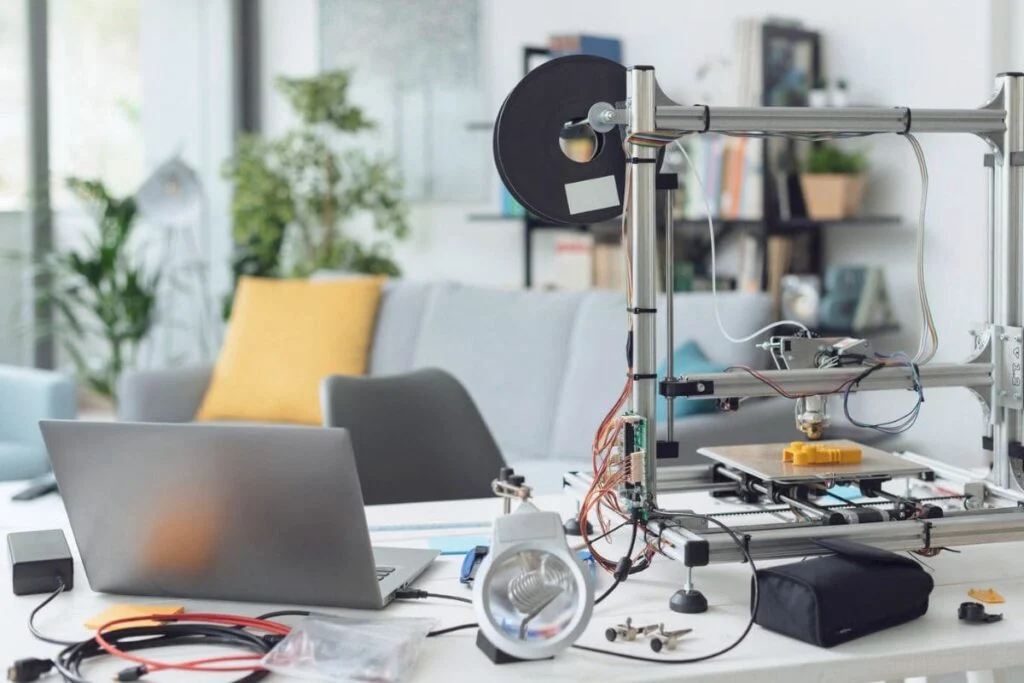
3D printers have revolutionized product development and customization. These machines enable users to create intricate three-dimensional objects from digital designs, opening up a wide range of business possibilities. Entrepreneurs can offer on-demand services for creating product prototypes for inventors and designers, or focus on personalized gifts and decorative items. The market for custom jewelry, home decor, architectural models, and even specialized medical devices is expanding. Furthermore, designers can monetize their skills by selling 3D printer design files to other creators, establishing a digital product revenue stream. The recent advancements in commercial cookie printers, exemplified by entrepreneurs like Kellie Fusaro and her personalized cookie business Photo Bake Shop, demonstrate how specialized printing machines can cater to the booming personalized food industry, offering a unique and potentially lucrative niche.
2. Arcade Games: Nostalgia and Entertainment Revenue
The resurgence of classic arcade games offers a unique avenue for profit. Portable arcade machines, such as pinball machines, claw games, and on-demand jukeboxes, can be a lucrative rental option for special events like parties, corporate gatherings, and community festivals. Beyond events, these machines can find permanent placement in high-traffic locations like trendy boutiques, cafes, and bars, generating revenue through per-play fees. The appeal of interactive entertainment remains strong, and a well-curated selection of arcade games can draw significant customer engagement.
3. Cricut Creations: Customization at Your Fingertips
Cricut machines are compact electronic cutting machines that have empowered a generation of crafters. These versatile devices can cut, score, and write on a wide array of materials, enabling the creation of custom stickers, vinyl decals, intricate paper crafts, and personalized designs for various surfaces. Businesses can leverage Cricut machines to offer print-on-demand services for custom mugs, t-shirts, stationery, wooden signs, and personalized home decor. This machine is particularly well-suited for creatives who want to translate their digital designs into tangible products with relative ease and low overhead.
4. Dehydrator or Freeze Dryer: Preserving Flavor and Value
The demand for convenient, healthy, and shelf-stable food options is on the rise. Dehydrators and freeze dryers allow for the preservation of fruits, vegetables, meats, and even full meals, extending their shelf life significantly while retaining nutrients and flavor. Home-use dehydrators are relatively inexpensive and ideal for small-scale operations, enabling entrepreneurs to produce artisanal dried fruits, vegetable chips, jerky, or custom spice blends. Freeze dryers, while a more significant investment, offer the ability to create lightweight, long-lasting food products, appealing to outdoor enthusiasts, emergency preparedness markets, and specialty food businesses. The premium consumers are willing to pay for the convenience and quality of preserved foods makes this a promising niche.
5. Drone Services: Aerial Perspectives for Diverse Industries
The proliferation of drones has unlocked a wealth of business opportunities that leverage aerial capabilities. Professional drone services are in high demand across various sectors. This includes aerial photography and videography for real estate marketing, event coverage, and tourism promotion. Drones are also employed for infrastructure inspection, such as surveying bridges, power lines, and agricultural fields, offering cost-effective and safer alternatives to traditional methods. For entrepreneurs with a knack for technology and a desire for a dynamic business, drone services provide a cutting-edge and potentially highly profitable venture. Furthermore, skilled drone operators can extend their revenue streams by offering training courses to aspiring drone pilots.
6. Embroidery Machines: Personalization with Professional Finish
While hand embroidery offers a unique artisanal touch, modern embroidery machines provide efficiency, precision, and durability for commercial applications. These machines allow for the creation of intricate custom embroidered designs on a wide range of textiles. Businesses can specialize in producing branded merchandise for companies, such as embroidered polo shirts, hats, and tote bags. Monogrammed items, from towels and bedding to children’s clothing, also represent a popular and consistently in-demand market. The ability to quickly produce high-quality, personalized embroidered goods makes this a viable option for entrepreneurs seeking to offer premium customized products.
7. Laser Cutting Machines: Precision and Intricacy in Material Fabrication
Laser cutters are sophisticated computer-controlled machines that use a laser beam to precisely cut and engrave a wide variety of materials, including wood, acrylic, leather, and fabric. Their ability to create intricate designs with remarkable accuracy makes them invaluable for producing custom signage, intricate architectural models, bespoke jewelry, personalized gifts, and decorative home goods. While the initial investment for a laser cutter is higher than for some other mini machines, the high perceived value and premium pricing of laser-cut products can offer a strong return on investment. The precision offered by laser cutting surpasses that of many other fabrication methods, allowing for a level of detail that appeals to discerning customers.
8. Laser Engraving Machines: Etching Detail and Value
Distinct from laser cutters, laser engravers etch designs or text onto the surface of materials without cutting all the way through. This capability is ideal for personalizing a vast array of items, including wedding rings, photo frames, ornaments, keychains, tumblers, and promotional products. Brands like WeCreate offer machines suitable for both hobbyists and aspiring business owners, making the technology more accessible. Laser engraving allows for the addition of a personalized touch that significantly increases the perceived value of everyday items, creating a strong market for custom gifts and corporate branding.

9. Photo Booths: Capturing Memories and Generating Event Revenue
Photo booths have experienced a significant resurgence in popularity, becoming a staple at weddings, parties, corporate events, and community gatherings. These interactive machines offer guests a fun way to capture memories and receive a tangible keepsake. Entrepreneurs can establish a portable photo booth business, renting out their equipment to various events. The market extends to include vintage-style photo booths, which appeal to a demographic seeking unique and retro experiences. The combination of entertainment and personalized mementos ensures a consistent demand for photo booth services.
10. Sewing Machines: Versatility in Textile Creation and Alteration
A sewing machine, whether already owned or newly acquired, represents a foundational tool for numerous profitable ventures. Beyond offering alteration and repair services for clothing and textiles, entrepreneurs can leverage their sewing skills to create original product lines. This could include custom apparel, handmade bags, quilts, home decor items, or even upcycled fashion. The ability to transform existing materials into new, desirable products is a sustainable and creative business model. For those new to sewing, a wealth of free online tutorials, particularly on platforms like YouTube, makes learning the necessary skills accessible.
11. Vending Machines: Automated Convenience and Passive Income
Vending machines are a classic example of a mini machine that generates passive income. These automated units can be stocked with a diverse range of products, extending far beyond traditional snacks and beverages. Emerging trends include vending machines offering toys, electronics, personal care items, specialty foods, and even fresh produce in certain markets. Identifying high-traffic locations and stocking machines with in-demand products are key to success. The appeal lies in their ability to provide convenient access to goods and services 24/7, making them a reliable source of recurring revenue with relatively low ongoing labor requirements.
Strategic Considerations for Mini Machine Entrepreneurs
While the allure of low startup costs and high earning potential is strong, successful mini machine businesses require careful planning and strategic execution. Several key factors must be considered:
Return on Investment (ROI) Analysis
A thorough analysis of the potential Return on Investment is crucial. While some machines offer immediate profitability, others may require a larger upfront investment with a longer payback period. Entrepreneurs should research market demand, potential pricing, and operational costs to project their ROI accurately. Considering second-hand options or rental agreements can be a prudent strategy for testing the market or managing initial capital outlay.
Maximizing Passive Income Opportunities
The degree of automation in a mini machine directly correlates with its passive income potential. Businesses should evaluate how much time and effort are required for operation, maintenance, and restocking. Identifying opportunities to automate processes, such as using remote monitoring systems for vending machines or streamlining production workflows for crafting machines, can significantly reduce the owner’s workload and maximize passive earnings.
Essential Maintenance and Upkeep
Regular maintenance is vital for ensuring the longevity and optimal performance of any machine. Entrepreneurs must factor in the costs associated with routine servicing, repairs, and potential upgrades. Understanding the warranty terms and available support from the manufacturer or supplier is also essential for minimizing unexpected expenses and downtime.
Navigating Legal Requirements
Before launching a mini machine business, entrepreneurs must familiarize themselves with all applicable legal requirements. This includes registering the business, obtaining necessary permits and licenses (which can vary by location and industry), securing appropriate insurance coverage, and understanding any contractual obligations related to rental spaces or supplier agreements.
Efficient Inventory Management
While mini machines often reduce the need for extensive inventory, effective inventory management is still critical for maintaining profitability and customer satisfaction. Utilizing inventory management software, such as Zoho Inventory, can help track stock levels, monitor inventory costs, and forecast demand, preventing stockouts or overstocking. This is particularly important for businesses that rely on consumable materials for their machines.
Strategic Sales Channels
Selecting the right sales channels is paramount for reaching the target audience. Online marketplaces like Etsy, Amazon Handmade, and MakerPlace by Michaels are excellent platforms for selling handmade and customized products. Building a dedicated e-commerce website using platforms like Shopify offers greater brand control and customer engagement. Additionally, participating in local craft fairs, farmers’ markets, and trade shows can provide direct customer interaction and immediate sales.
Robust Marketing and Promotion
Even the most innovative products or services require effective marketing to reach consumers. Social media platforms, including TikTok, Instagram, and YouTube, are powerful tools for showcasing creative processes, sharing product demonstrations, and building a community around a brand. Mastering Search Engine Optimization (SEO) for online listings and websites is essential for attracting organic traffic and ensuring discoverability. Providing excellent customer service, including prompt shipping and responsive communication, is crucial for building positive reviews and fostering customer loyalty.
Planning for Future Growth
Entrepreneurs should develop a long-term vision for their mini machine business. This includes identifying potential avenues for scaling operations, such as expanding product lines, investing in additional or more advanced machinery, and exploring new markets. Building a strong brand identity and fostering a community around the business can create opportunities for future growth and diversification.
Conclusion: The Big Potential of Small Machines
The trend towards miniaturized, specialized machinery represents a significant and accessible pathway into entrepreneurship. Mini machines, with their inherent advantages of lower startup costs, space efficiency, and the potential for passive income, are democratizing business ownership. By carefully identifying a niche, understanding the technology, and implementing sound business strategies, individuals can leverage these compact powerhouses to build substantial and sustainable ventures. As consumer demand for convenience and personalization continues to grow, the market for innovative mini machine-based businesses is poised for continued expansion, offering a compelling opportunity for those ready to embrace the future of small-scale enterprise.
