

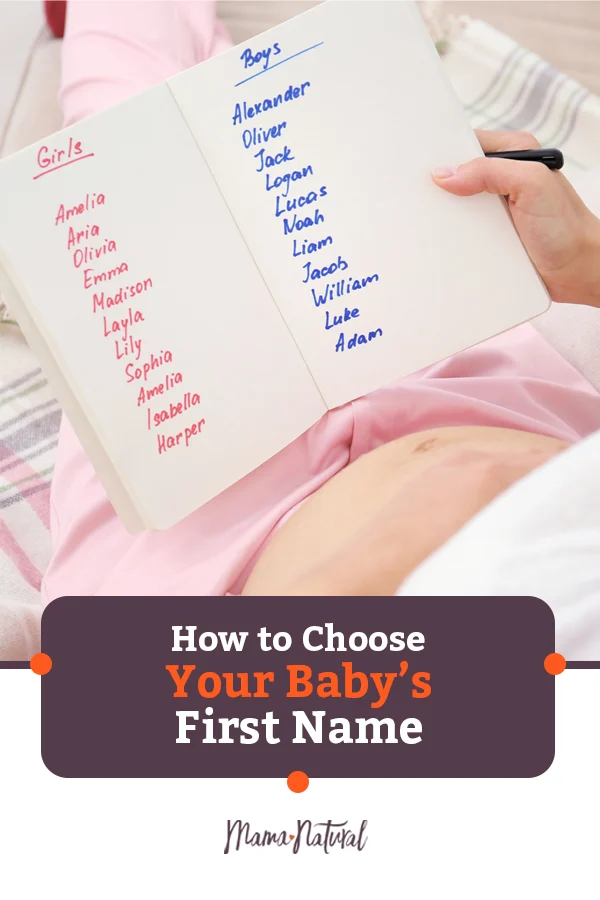
The process of selecting a child’s first name has evolved from a purely ancestral or religious tradition into a complex psychological, social, and even strategic endeavor for modern parents. In an era where a name serves as a lifelong digital and social identifier, the stakes for this "first gift" have reached unprecedented heights. Data from the Social Security Administration (SSA) and sociological studies suggest that the naming process is no longer merely about personal preference but is increasingly influenced by cultural shifts, phonetic aesthetics, and long-term professional implications. As parents navigate the vast landscape of nomenclature, experts suggest a methodical approach to ensure that the chosen name is both unique and functional within a globalized society.
The Evolution of Naming Conventions: A Historical Context
Historically, naming conventions in Western societies were rigid, often dictated by religious calendars or the preservation of familial lineages. In the 19th century, a limited pool of names—such as John, Mary, William, and Elizabeth—dominated the census records. However, the mid-20th century marked a turning point, as individualism began to supersede tradition. By the 21st century, the diversification of names accelerated, driven by the accessibility of global information and the desire for personal branding.
Sociologists note that the rise of "unique" names correlates with the digital age. Parents today often search for "domain name availability" or social media handles before finalizing a birth certificate. This shift represents a transition from names as a mark of belonging to names as a mark of distinction. Consequently, the pressure to find a name that is "perfectly suited" has led to the development of sophisticated tools, such as digital baby name finders and etymological databases, which categorize names by origin, meaning, and popularity rankings.
Establishing the Foundation: Strategic Discussion and Consensus
The selection process begins with an essential period of negotiation between parents. Experts in family dynamics emphasize the importance of establishing "wants and needs" before reviewing specific lists. This foundational stage involves identifying cultural priorities, honoring heritage, and determining the desired level of popularity. According to recent surveys of expectant parents, the most common points of contention involve the "uniqueness factor" versus "traditional stability."
To mitigate conflict, naming consultants suggest a "veto-and-vote" system. This involves each partner creating an independent list of top contenders and then cross-referencing them to find common ground. This phase is critical because it fosters compromise early in the parenting journey. By discussing feelings regarding gender-neutral options, family honorifics, and phonetic preferences, parents can avoid "name regret"—a phenomenon that affects approximately 11% of parents, according to data from parenting research groups.
Data-Driven Inspiration and the Rise of Niche Categories
For parents who find themselves at a loss, the modern nomenclature market offers a wide assortment of specialized categories. Journalistic analysis of naming trends reveals several burgeoning sectors:
- Biblical and Classical Revivals: While traditional names like Noah and Abigail remain popular, there is a surge in "forgotten" biblical names and Greco-Roman classics, such as Silas, Ezra, or Cassius.
- The "Vintage Sweetheart" Trend: Names that peaked in the late 1800s—such as Sadie, Minnie, and Arthur—are experiencing a cyclical resurgence, often referred to as the "hundred-year rule" in linguistics.
- Nature and Botanical Origins: Environmental awareness has translated into a rise in names like Willow, Sage, and River.
- Global Cross-Pollination: As the world becomes more interconnected, parents are looking toward diverse origins. A parent may appreciate the floral sound of "Lily" but opt for the Polynesian "Leilani" to provide a sense of global identity.
The use of "Surprise Me" features in digital databases has also become a popular method for breaking through "choice paralysis." By introducing random assortments of names, these tools can bypass the cognitive biases that often lead parents back to the same overused options.
The Etymology of Identity: Exploring Meanings and Symbolism
The meaning behind a name often serves as a psychological anchor for a child’s identity. Etymological research shows that names carry "hidden" messages; for example, a parent seeking a "strong" name might bypass the literal "Valor" for the Hebrew "Ethan," which signifies "enduring and strong."
This exploration of meaning is particularly relevant for parents of twins or those who have observed specific temperaments during pregnancy. If a child is perceived as particularly active in the womb, names meaning "life" or "vitality"—such as Vida or Eva—are frequently selected. Conversely, if a sense of calm is desired, names like Salma or Arina (meaning "peace") are often prioritized. This "nominative determinism"—the theory that people tend to gravitate toward areas of work or life that fit their names—remains a subject of debate among psychologists, but its influence on the naming process is undeniable.

Phonetic Compatibility and Practical Considerations
Beyond the abstract meaning, the practical application of a name is a significant factor in its longevity. Professional naming experts suggest that the "Surname Test" is the most critical hurdle for any potential name. This involves several key questions:
- Does the first name flow rhythmically with the surname?
- Do the initials create any unintended or embarrassing acronyms?
- Is the name easily pronounceable and spellable for teachers, employers, and peers?
A common exercise recommended by linguists is the "Holler Test"—shouting the name across a park to see if it sounds natural—and the "Boardroom Test"—visualizing the name on a professional business card or a judicial bench. These exercises help parents transition from the "cute" factor of a newborn to the reality of an adult professional.
Resolving Naming Feuds: Strategies for Compromise
When parents reach an impasse, the resolution often requires creative "naming architecture." If one parent prefers a modern, edgy name like "Chevelle" while the other prefers a classic like "Isabella," compromise can be found in derivatives like "Isabel" or "Belle." Alternatively, many families utilize the middle name slot as a repository for more adventurous or sentimental picks that might not fit as a first name.
In cases of extreme disagreement, some parents opt for "the coin toss" or "the alternate pick" (where one parent names the first child and the other names the second). However, the most successful resolutions typically involve finding a "bridge name"—a name that shares the phonetic qualities of both parents’ favorites but belongs to neither of their original lists.
The Timing of the Decision: From Conception to Delivery
There is no standardized timeline for naming a child. Statistical data indicates a wide variance in decision-making:
- Pre-Conception: Approximately 15% of parents have a name chosen years before pregnancy.
- The Second Trimester: The majority of parents finalize their choice after the 20-week anatomy scan.
- Labor Day Decisions: A significant minority (roughly 10%) wait until they see the baby’s face to confirm if the name "fits."
Experts advise that both approaches are valid. Rushing the process can lead to dissatisfaction, while waiting too long can add stress to the postpartum period. The "bottom line" for most consultants is that the process should be enjoyed as a milestone rather than feared as a deadline.
Privacy and the Ethics of Disclosure
The final hurdle in the naming process is the decision of whether to reveal the name before the birth. In the age of social media, "name reveals" have become high-stakes events. However, many parents are opting for "naming privacy" to avoid unsolicited opinions and "name theft" (where friends or family members use the name first).
The psychological impact of external criticism cannot be understated. If a parent reveals a name and receives a negative reaction, it can tarnish their perception of the choice. Therefore, many experts recommend keeping the final selection private—or simply stating that they are "waiting to meet the baby"—to preserve the intimacy of the decision.
Broader Implications: The Societal Impact of Names
The names we choose today will shape the social landscape of the next century. Research into "resume bias" has shown that names can influence hiring practices and social perceptions, though this is gradually changing as the workforce becomes more diverse. By choosing names with care, parents are not just gifting an identity; they are navigating a complex web of social signals.
In conclusion, selecting a baby name is a multifaceted task that blends art, history, and strategy. By utilizing modern tools, respecting etymological roots, and maintaining open lines of communication, parents can ensure that their child’s first gift is one that will serve them well throughout their lives. Whether the choice is a "heavenly flower" like Leilani or a "strong" classic like Ethan, the ultimate goal remains the same: a name that is unique, perfectly suited, and deeply loved.
