

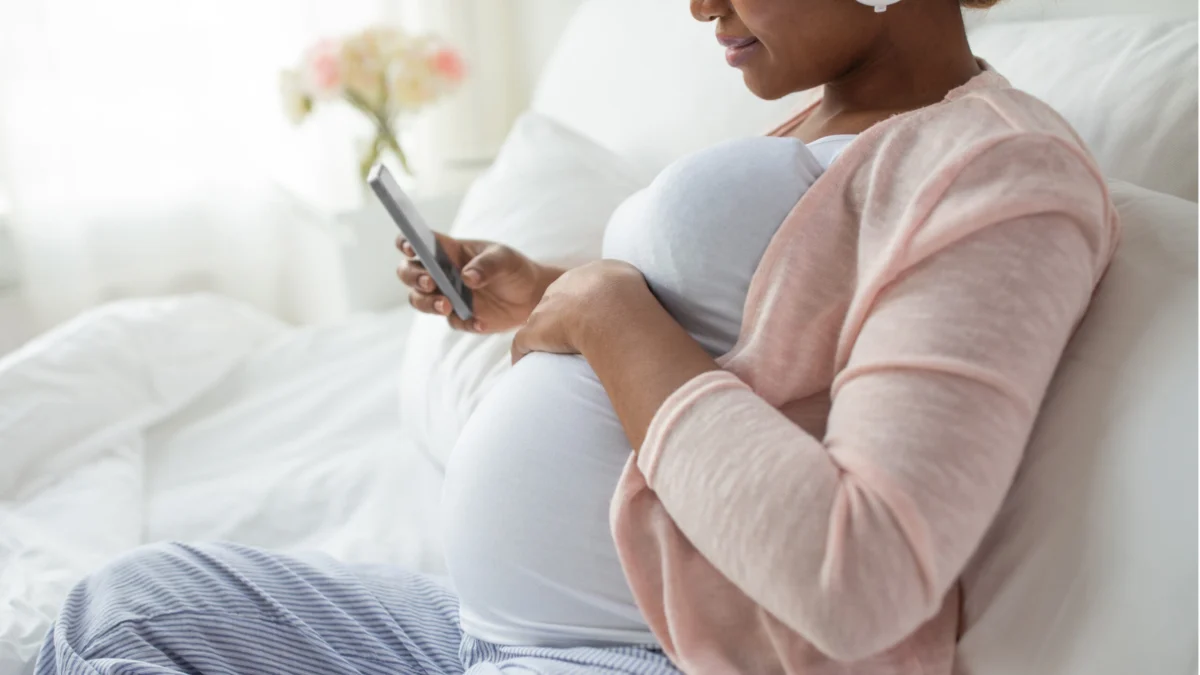
The landscape of prenatal education has undergone a significant transformation over the last decade, transitioning from traditional hospital-based seminars to a diverse array of digital platforms. As expectant parents navigate the financial pressures of preparing for a new addition to the family, the availability of free childbirth classes has become a focal point of interest. These resources, ranging from community-based programs to comprehensive online modules, offer varying degrees of medical accuracy and practical utility. Understanding the nuances of these offerings is essential for families seeking to balance budget constraints with the need for high-quality, evidence-based medical information.
The Evolution of Prenatal Education: A Chronological Context
The concept of formal childbirth education gained momentum in the mid-20th century, primarily as a response to the increasing medicalization of birth. In the 1940s and 1950s, pioneers such as Dr. Grantly Dick-Read and later Dr. Fernand Lamaze introduced methods designed to reduce fear and pain through education and breathing techniques. For decades, these classes were almost exclusively conducted in person, often hosted by hospitals or private community organizations for a significant fee.
By the early 2000s, the advent of the internet began to democratize access to health information. The 2010s saw the rise of specialized parenting blogs and video sharing platforms like YouTube, which allowed certified midwives and doulas to share insights with a global audience. The COVID-19 pandemic served as a final catalyst, forcing traditional educators to move online and prompting a surge in the development of free, accessible digital courses. Today, expectant parents can access a spectrum of information from their smartphones, though the quality of this information remains highly variable.
Current Market Dynamics and the Scarcity of Free In-Person Options
While digital resources are abundant, free in-person childbirth classes remain a rarity in the current healthcare market. The primary reason for this scarcity is the high cost of overhead and professional expertise. Childbirth education is a highly specialized field; instructors are typically Certified Nurse Midwives (CNMs), Registered Nurses (RNs), or certified doulas who require compensation for their time and specialized knowledge.
In most metropolitan areas, a standard in-person birth course can cost anywhere from $150 to $500. Organizations that offer these services for free are usually non-profits, government-funded health departments, or hospitals that bundle the cost into delivery packages. For the independent professional, offering free classes is often financially unsustainable, as the costs of venue rentals, insurance, and educational materials must be covered. Consequently, parents seeking free education are increasingly directed toward the digital realm.
Analysis of Leading Free Online Childbirth Resources
Several major platforms currently dominate the free online prenatal education market. Each offers a distinct pedagogical style, ranging from video-led instruction to text-heavy modules.
BabyCenter: The Generalist Approach
BabyCenter, a long-standing authority in the parenting space, offers a structured online birthing class hosted by website editor Linda Murray. The curriculum is comprehensive, covering the mechanics of contractions, pain management, and newborn care. Data indicates that this course is particularly popular among first-time parents seeking a broad overview. However, medical analysts note that because the host lacks clinical medical qualifications, the content serves better as a primer than a clinical guide. The production value is high, but the tone is often described as "clinical" or "sterile," focusing primarily on hospital-based birth scenarios.
BabyMed: The Text-Based Alternative
For those who prefer reading over visual learning, BabyMed provides a ten-part series of text-based classes. Associated with OB-GYN expertise, this platform offers high-density information. The primary drawback identified by users is the fragmented nature of the website, which requires significant navigation between pages. This format can be time-consuming and lacks the interactive or visual elements—such as demonstrations of labor positions—that many modern learners find essential.

YouTube: The Crowdsourced Knowledge Base
YouTube represents the most vast but least regulated source of free childbirth education. Channels hosted by certified professionals, such as "Holiday Tyson" or various maternity hospitals, provide high-quality demonstrations. The challenge for the consumer lies in "information hygiene"—the ability to distinguish between evidence-based clinical advice and anecdotal personal experiences. Healthcare providers generally recommend that if parents use YouTube, they should prioritize content from verified medical professionals or established healthcare institutions.
The "Freemium" Model: Sample Classes and Lead Generation
A significant portion of the "free" market consists of introductory lessons from premium, paid courses. This "freemium" model allows parents to "test drive" an instructor’s style before committing to a full curriculum.
- Lamaze International: Known for its "six-step" approach to a healthy birth, Lamaze offers a brief free online class titled "Labor Confidence With Lamaze." While it introduces the philosophy of natural pain management, it is not a replacement for their full course.
- The Pulling Curls Prenatal Class: Taught by a certified labor and delivery nurse, this platform offers a free introductory lesson focusing on third-trimester testing and common fears. It is highly succinct, designed for couples with limited time.
- Kopa Birth: This program targets parents seeking a natural hospital birth. Their free one-hour session provides a substantial look at their methodology, though it represents only one-eighth of their full curriculum.
Supporting Data: The Impact of Prenatal Education on Birth Outcomes
The value of childbirth education extends beyond mere preparation; it has measurable impacts on clinical outcomes. According to data published in the Journal of Perinatal Education, women who participate in comprehensive childbirth classes often report:
- Lower Rates of Medical Intervention: Increased knowledge of the labor process is linked to a reduction in elective inductions and requests for epidurals in some cohorts.
- Reduced Anxiety: A 2021 study indicated that prenatal education significantly lowers maternal anxiety scores, which can lead to shorter labor durations.
- Higher Breastfeeding Success: Most birth classes include a component on the "golden hour" and lactation, which correlates with a higher rate of breastfeeding initiation.
Despite these benefits, a gap exists in access. Lower-income families are less likely to afford premium classes, making the availability of high-quality free resources a matter of public health equity.
Official Responses and Professional Perspectives
Professional medical bodies generally encourage prenatal education but emphasize the need for reputable sources. The American College of Obstetricians and Gynecologists (ACOG) suggests that while online classes are a valid tool, they should complement, not replace, discussions with a primary healthcare provider.
Midwifery associations often point out that free classes provided by hospitals may have a "pro-intervention" bias, as they are designed to prepare patients for the specific protocols of that institution. Conversely, independent free classes may lean toward "natural" birthing styles that may not always align with the medical realities of high-risk pregnancies. Experts suggest that parents should look for "balanced" curriculums that cover both natural techniques and medical interventions like C-sections.
Broader Implications and Final Analysis
The proliferation of free childbirth classes represents a significant step toward making maternal health education accessible to all. However, the "cost" of free education is often measured in the time required to curate multiple sources and the risk of encountering outdated or non-evidence-based information.
For parents with specific goals—such as an unmedicated birth or a home birth—the generalist nature of most free classes may prove insufficient. In these cases, specialized paid courses, such as the "Mama Natural Birth Course," provide a depth of focus on holistic nutrition, mindset coaching, and specific natural techniques that free platforms rarely cover in detail.
In conclusion, free childbirth classes are an excellent starting point for any expectant couple. They provide a foundational understanding of the biological process of birth and help demystify the hospital experience. However, for a truly comprehensive preparation that addresses the physical, emotional, and clinical complexities of labor, parents must remain discerning consumers, often supplementing free resources with professional medical consultations or specialized curricula to ensure the best possible outcomes for both mother and child.
