

The human gastrointestinal tract, often referred to as the "second brain," serves as a complex ecosystem housing trillions of microorganisms that play a critical role in overall systemic health. Recent advancements in gastroenterology and nutritional science have underscored the profound impact of the gut microbiome on everything from metabolic function to mental well-being. When this delicate balance of bacteria—known as the microbiome—is disrupted, a condition called dysbiosis occurs, leading to a cascade of physiological and psychological symptoms. Identifying these signs is the first step toward implementing evidence-based interventions to restore internal equilibrium.
The Clinical Significance of the Gut Microbiome
The gastrointestinal system is responsible for more than just the digestion of food and the absorption of nutrients. It is the primary site of the human immune system and a central hub for neurotransmitter production. Research published in journals such as Nature and The Lancet has demonstrated that the gut-brain axis—a bidirectional communication network between the central nervous system and the enteric nervous system—links emotional and cognitive centers of the brain with peripheral intestinal functions. Consequently, an imbalance in gut flora can manifest in ways that seem unrelated to digestion, affecting the skin, the immune response, and cognitive clarity.
Primary Indicators of Microbiome Dysbiosis
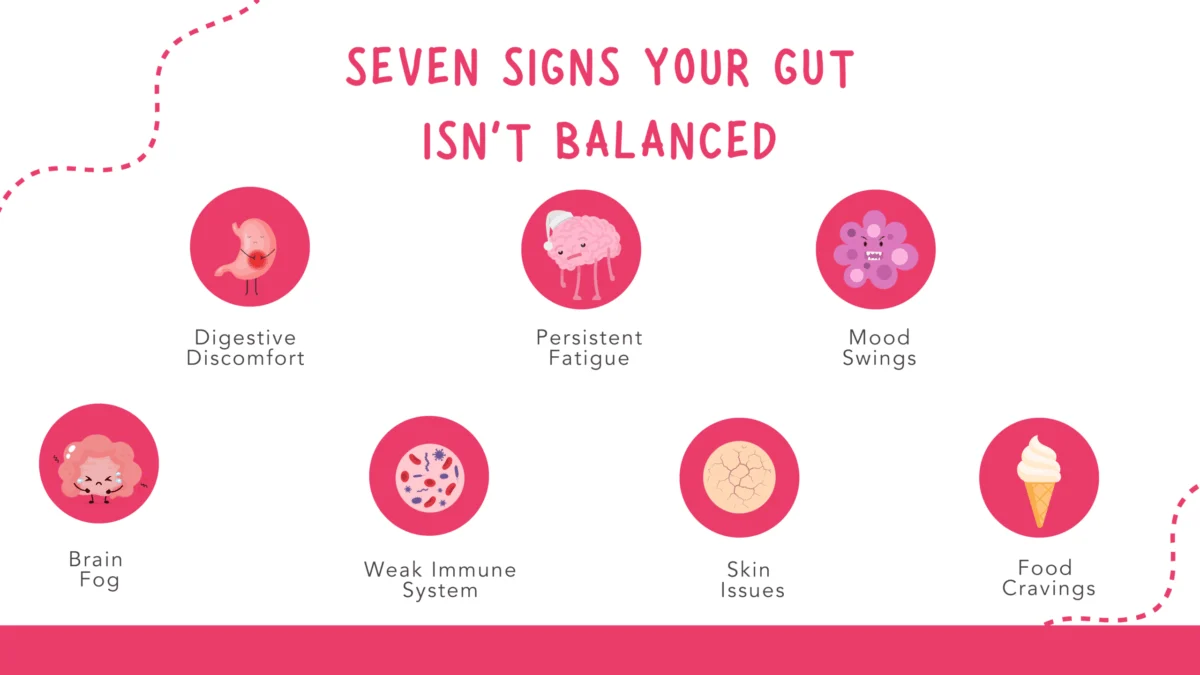
Medical professionals and nutritionists have identified seven key indicators that suggest an individual’s gut health may be compromised. These symptoms serve as biological signals that the internal environment requires intervention.
1. Chronic Digestive Irregularities
The most immediate signs of gut imbalance are localized within the digestive tract. Frequent bloating, excessive gas, constipation, and diarrhea are primary symptoms of dysbiosis. These issues often arise when the gut is unable to process food efficiently or eliminate waste effectively. For instance, an overgrowth of certain bacteria in the small intestine (SIBO) can lead to the fermentation of carbohydrates, producing gas that causes significant abdominal distension. Clinical tools like the Bristol Stool Scale are frequently utilized by healthcare providers to help patients categorize these irregularities and determine the severity of the transit time issues.
2. Persistent Fatigue and Sleep Disturbances
While fatigue is often attributed to a lack of sleep or high stress, chronic exhaustion is frequently rooted in gut health. A study published in Journal of Gastroenterology and Hepatology found that approximately 60% of individuals suffering from chronic fatigue also met the criteria for Irritable Bowel Syndrome (IBS). The gut is responsible for the absorption of B vitamins and other essential nutrients required for energy production at the cellular level. When the gut lining is inflamed or the microbiome is imbalanced, the body’s ability to produce Adenosine Triphosphate (ATP)—the primary energy currency of cells—is significantly hindered.
3. Neurological Fluctuations and Mood Disorders
Perhaps the most striking revelation in modern medicine is the extent to which the gut dictates mood. Data indicates that approximately 95% of the body’s serotonin, a key neurotransmitter responsible for mood regulation, is synthesized in the gut rather than the brain. An imbalance in gut bacteria can interrupt the production of these "feel-good" hormones, leading to increased levels of anxiety, irritability, and depressive symptoms. The gut-brain axis ensures that inflammation in the intestines is communicated to the brain, potentially triggering neuroinflammation and mood instability.
4. Pathological Food Cravings
The composition of the microbiome can influence dietary choices through a process known as microbial manipulation. Certain species of bacteria and yeast, such as Candida, thrive on refined sugars and processed carbohydrates. These microorganisms can release signaling molecules into the bloodstream that alter taste receptors and trigger intense cravings for the very foods that sustain their overgrowth. This creates a feedback loop where poor dietary choices fuel the growth of harmful bacteria, which in turn demand more unhealthy fuel.
5. Dermatological Manifestations
The "gut-skin axis" describes the relationship between intestinal health and skin integrity. Chronic inflammatory conditions such as eczema, acne, and psoriasis have been linked to "leaky gut" or increased intestinal permeability. When the gut barrier is compromised, undigested food particles and toxins can enter the bloodstream, triggering a systemic immune response that often manifests as skin inflammation. Research suggests that improving the ratio of beneficial bacteria can mitigate these inflammatory markers, leading to clearer skin.
6. Compromised Immune Response
The gut-associated lymphoid tissue (GALT) contains approximately 70% to 80% of the body’s immune cells. A healthy microbiome trains these cells to distinguish between harmless antigens and dangerous pathogens. When the gut is in a state of dysbiosis, the immune system may become hyper-reactive (leading to allergies or autoimmune issues) or under-reactive (leading to frequent infections, colds, and slow recovery times).
7. Cognitive Impairment and Brain Fog
"Brain fog," characterized by confusion, forgetfulness, and a lack of mental clarity, is a common neurological symptom of gut imbalance. This occurs when metabolites produced by harmful bacteria cross the blood-brain barrier. Furthermore, beneficial bacteria produce short-chain fatty acids (SCFAs) like butyrate, which are essential for maintaining cognitive function and protecting the brain from oxidative stress. A lack of these SCFAs due to poor gut health can lead to significant cognitive decline and difficulty focusing.
A Chronology of Understanding: The Evolution of Gut Science
The transition of the gut from a simple "waste pipe" to a "second brain" in the eyes of the medical community has occurred over several decades.
- The 1900s: Early pioneers like Élie Metchnikoff suggested that fermented milk could improve health and longevity by replacing "putrefactive" bacteria with beneficial lactic acid bacteria.
- The 1990s: The term "Gut-Brain Axis" began gaining traction as researchers discovered the complex neural pathways connecting the two systems.
- The 2000s: The Human Microbiome Project (HMP) was launched, providing a comprehensive map of the microbial communities inhabiting the human body.
- 2010–Present: Massive clinical trials have solidified the link between the microbiome and metabolic diseases, mental health, and autoimmune disorders.
Strategic Interventions for Microbiome Restoration
Restoring balance to the gut is a multi-faceted process that requires dietary modification, lifestyle adjustments, and, in some cases, targeted supplementation.
Dietary Fiber Integration
Fiber serves as a prebiotic, providing the necessary fuel for beneficial bacteria to flourish. Health organizations recommend that adult women consume between 22 and 25 grams of fiber daily, while men should aim for 38 grams.
- Soluble Fiber: Found in oats, beans, and fruits, this type of fiber dissolves in water to form a gel-like material, which helps lower glucose and cholesterol levels.
- Insoluble Fiber: Found in whole grains and vegetables, this fiber promotes the movement of material through the digestive system and increases stool bulk.
Emerging research also highlights the benefits of "superfruit" fibers, such as those derived from the African Baobab fruit. Baobab is exceptionally high in prebiotic fiber and antioxidants, which support both the microbiome and the immune system.
The Role of Fermented Foods
Introducing live cultures through fermented foods is a traditional and effective method of diversifying the gut microbiome. Foods such as kefir, sauerkraut, kimchi, and miso contain natural probiotics that can survive the acidic environment of the stomach to populate the lower intestine. Experts suggest that consistent, small servings of these foods are more effective for long-term health than occasional large doses.
Hydration and Mucosal Integrity
Water is essential for the mucosal lining of the intestines, which acts as a barrier and a habitat for beneficial bacteria. Adequate hydration (typically calculated as half of one’s body weight in ounces) ensures that fiber can move through the system without causing further constipation or discomfort.
Targeted Probiotic Supplementation
In certain life stages—such as postpartum, post-antibiotic treatment, or during periods of high stress—dietary changes alone may not be sufficient. In these instances, high-quality probiotic supplements are recommended. Journalistic analysis of the supplement market suggests that consumers should look for specific, well-researched strains:
- *Lactobacillus rhamnosus: Known for supporting the vaginal microbiome and immune health.
- *Bifidobacterium lactis: Effective in improving digestive regularity and metabolic health.
- *Lactobacillus acidophilus: A staple for nutrient absorption and preventing the overgrowth of harmful yeast.
The efficacy of these supplements depends on "survivability"—the ability of the bacteria to remain viable through the stomach acid to reach the intestines—and the absence of fillers, GMOs, and common allergens like soy or gluten.
Broader Public Health Implications
The rising prevalence of gut-related issues is largely attributed to the "Western Diet," characterized by high intakes of ultra-processed foods, added sugars, and low fiber. Public health experts argue that addressing gut health on a societal level could drastically reduce the burden of chronic diseases. Analysis of healthcare data suggests that improving microbiome health could lead to lower rates of obesity, Type 2 diabetes, and certain inflammatory conditions, potentially saving billions in annual healthcare costs.
Furthermore, the environmental impact of food choices plays a role. Diets rich in diverse, plant-based whole foods not only support the internal microbiome but also promote more sustainable agricultural practices. As research continues to evolve, the integration of microbiome testing into standard annual physicals may become a reality, allowing for personalized nutrition plans tailored to an individual’s specific bacterial profile.
In conclusion, the state of the gut is a primary determinant of systemic health. By recognizing the signs of imbalance—from digestive distress to cognitive fog—and implementing structured dietary and supplemental strategies, individuals can significantly improve their quality of life and long-term health outcomes. The "whispers" of the body, when addressed with scientific rigor and consistent care, can lead to a profound transformation in overall vitality.
