

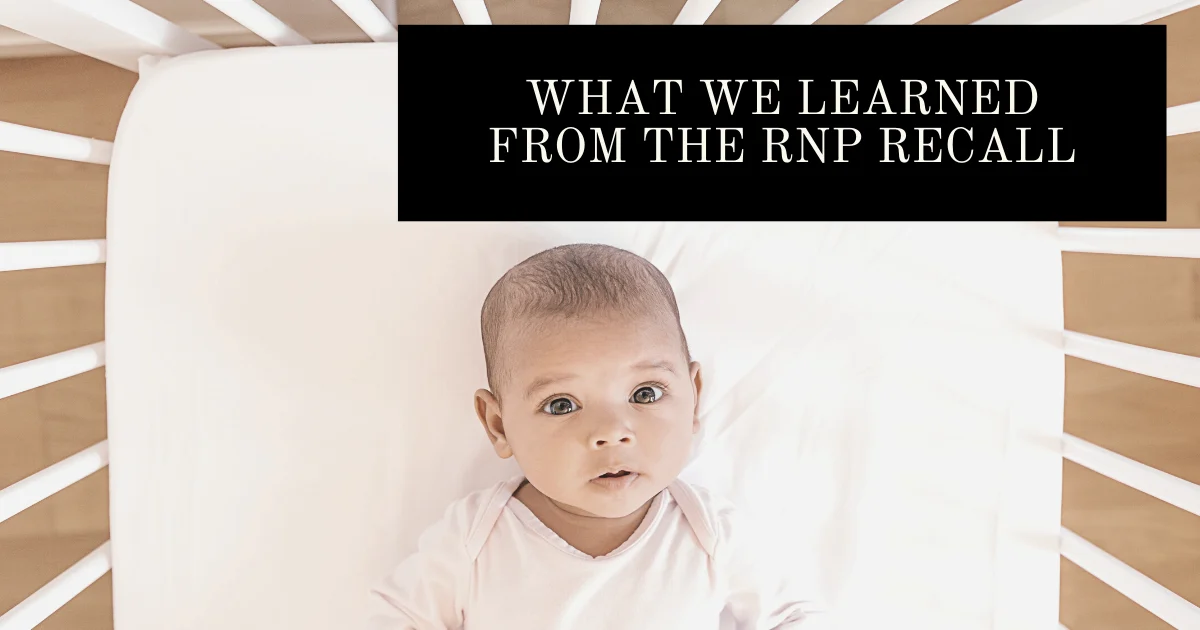
The widely publicized recall of the Fisher-Price Rock n’ Play sleeper, while a significant event, represents only a fraction of a larger, more complex issue surrounding infant sleep safety. The story extends beyond this single product to encompass the broader risks associated with inclined infant sleep products, the investigative role of consumer advocacy groups, the effectiveness and limitations of regulatory bodies like the Consumer Product Safety Commission (CPSC), and the profound challenges faced by sleep-deprived parents seeking safe and viable solutions for their newborns. This comprehensive examination delves into the events leading to the recall, the systemic issues it exposed, and the ongoing search for safe sleep alternatives.
The Rock n’ Play Recall and the Broader Crisis of Inclined Sleepers
On October 31, 2019, the U.S. Consumer Product Safety Commission (CPSC) issued a critical warning to consumers, advising against the use of any inclined infant sleep products. This directive followed an investigative report published in April 2019 by Consumer Reports, which highlighted serious safety concerns surrounding these products. The initial spotlight fell on the immensely popular Fisher-Price Rock n’ Play sleeper, a product that had sold an estimated 4.7 million units. However, the scope of the danger quickly became apparent, leading to a proposed rule by the CPSC to ban the sale and use of all inclined infant sleepers. This proposed ban was directly linked to an alarming number of infant deaths, with reports indicating at least 73 fatalities associated with such products.
The danger stemmed from the incline itself. Products with an incline greater than 10 degrees were identified as posing a significant risk. This concern extended beyond specific models to a wide array of infant sleep devices that utilized an inclined surface. While the Fisher-Price Rock n’ Play was a prominent example, the investigation and subsequent regulatory actions implied a widespread problem within the category of inclined infant sleep products. Brands such as Graco, Evenflo, Summer Infant, and Delta Children were also implicated in discussions and potential recalls related to inclined sleepers.
Crucially, the message from safety advocates and regulatory bodies became clear: not all inclined infant sleepers had been officially recalled at that point. However, the overarching recommendation was unambiguous. Parents using any product with an incline exceeding 10 degrees were urged to discontinue its use immediately, regardless of whether it had been formally recalled. This precautionary principle was emphasized due to the growing body of evidence linking these inclined surfaces to infant suffocation and strangulation.
Timeline of Events and the Role of Consumer Reports
The unfolding crisis surrounding the Rock n’ Play and similar inclined sleepers was not a sudden event but rather a culmination of investigative journalism, data analysis, and regulatory response. The pivotal moment arrived with the in-depth reporting by Consumer Reports.
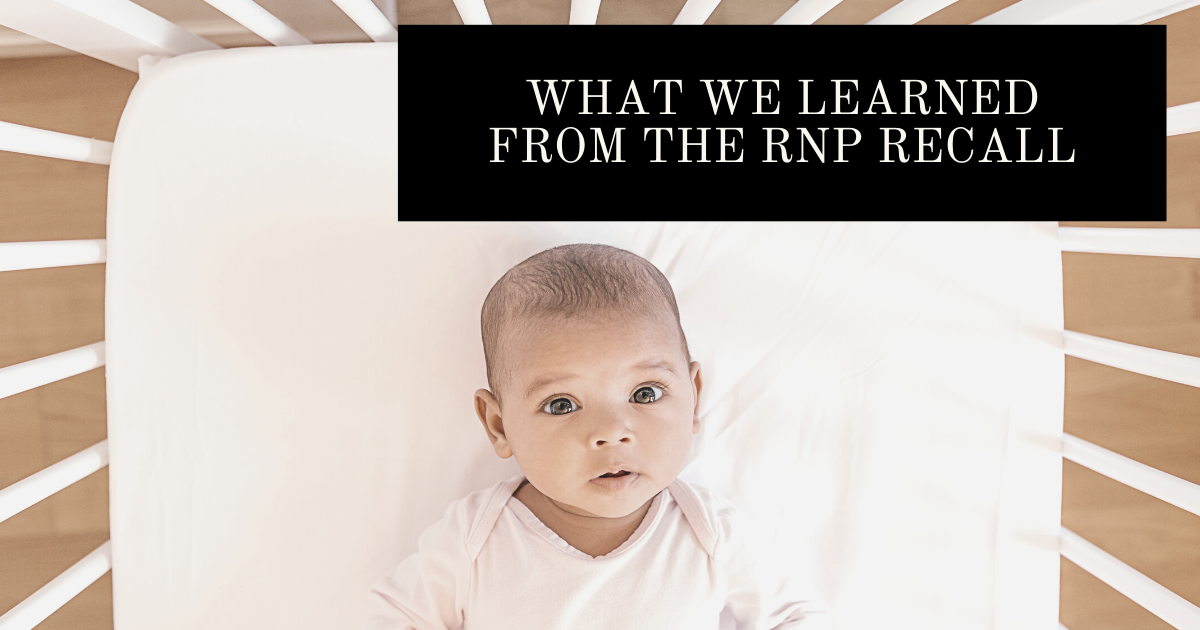
- April 2019: Consumer Reports publishes its initial investigative report, raising serious safety concerns about the Fisher-Price Rock n’ Play and other inclined infant sleepers. This report served as the catalyst for broader public awareness and regulatory scrutiny.
- May 2019: Following the Consumer Reports investigation, Fisher-Price initiated a voluntary recall of approximately 940,000 Rock n’ Play Sleepers. This recall was specifically for models manufactured between September 2009 and April 2019. The company cited reports of infant deaths in the product.
- October 2019: The CPSC issues a broader warning to consumers against using any inclined infant sleep products. This warning was based on a review of incident data and reinforced the findings of Consumer Reports.
- October 2019 (Later): The CPSC publishes a Supplemental Notice of Proposed Rulemaking, indicating a move towards a complete ban on the sale and use of infant inclined sleep products with inclines greater than 10 degrees. This proposed rule aimed to address the systemic risks identified across multiple brands.
The investigative work of Consumer Reports was instrumental in bringing the dangers of these products to light. The organization’s detailed reporting revealed that the Rock n’ Play, in particular, was marketed and sold without sufficient safety testing, despite its widespread popularity. The investigation highlighted a concerning gap between the product’s market penetration and the lack of rigorous safety validation. Furthermore, it exposed that even as concerns and tragic incidents mounted, Fisher-Price initially maintained its stance, defending the product.
The article posits that the only reason this crisis came to light was due to the diligence of Consumer Reports and an inadvertent disclosure of unredacted data by the CPSC. This suggests a potential systemic failure in the oversight and proactive safety monitoring mechanisms that should ideally be in place. The implications of this point to a regulatory framework that may be more reactive than preventative, potentially prioritizing manufacturer interests over immediate consumer safety.
Beyond the Recall: The Systemic Issues and Regulatory Oversight
The Rock n’ Play recall is a stark illustration of deeper issues within product safety regulation and manufacturing accountability. The article suggests that assumptions about rigorous research and testing by large manufacturers, and about the CPSC’s proactive monitoring, were fundamentally flawed. This raises critical questions about the efficacy of current regulations and enforcement.
The Consumer Product Safety Commission (CPSC) is mandated to protect the public from unreasonable risks of injury or death associated with consumer products. However, the narrative surrounding the Rock n’ Play suggests that this mandate may have been inadequately fulfilled in this instance. The delay in addressing the risks associated with inclined sleepers, despite early warnings and accumulating data, points to potential challenges in the CPSC’s ability to swiftly and effectively act against potentially hazardous products, especially those with significant market share.
The article critically examines the legal framework governing the CPSC, suggesting that current laws may inadvertently favor manufacturers, potentially at the expense of public health and safety. This perspective implies a need for legislative reform to empower the CPSC with stronger enforcement capabilities and to ensure that product safety testing and approval processes are more stringent and transparent. The financial implications for manufacturers and the potential for regulatory capture are also underlying concerns in such situations.
The article also highlights the vital role of independent consumer advocacy groups like Consumer Reports. Their commitment to in-depth investigations, rigorous testing, and public dissemination of findings serves as a crucial check on the market and regulatory bodies. The author explicitly encourages readers to support Consumer Reports, underscoring the value of their independent research in safeguarding consumers.
The Dilemma of Infant Sleep and the Search for "Plan B"

The crisis surrounding inclined sleepers has forced a re-evaluation of commonly accepted infant sleep practices and the "Plan B" solutions parents often resort to when standard sleep methods prove challenging. For decades, infant swings were often recommended as a viable alternative to cribs, particularly for parents struggling with severe sleep deprivation. These swings, with their gentle motion and often inclined seating, were perceived as providing a comforting environment for fussy babies and offering a much-needed respite for exhausted parents.
The article acknowledges the long-standing advocacy for swings, noting their effectiveness in breaking negative sleep cycles for many families. Dr. Harvey Karp, a prominent advocate for infant sleep solutions, heavily promoted swings for years. The CPSC’s own available information previously suggested that swings were generally safe, with reported incidents often involving egregious misuse, such as placing premature twins in a single swing with blankets.
However, the revelations about the dangers of inclined sleep have compelled a significant shift in recommendations. The author, once a proponent of swings, now strongly advises against the use of angled infant swings, citing the newly understood hazard profile of inclined sleep. This represents a substantial change in guidance, reflecting the evolving understanding of infant sleep safety. The author states that their own published works and recommendations are being updated to reflect this critical change.
Exploring Alternative Sleep Solutions: Flat Swings and Bassinets
In the wake of the inclined sleeper controversy, manufacturers have introduced new products designed to offer motion and comfort while adhering to flatter sleep surfaces. These include motorized bassinets that provide continuous motion. The Snoo Smart Bassinet, developed by Dr. Karp, is one of the most prominent examples, designed to rock and shush infants. Other manufacturers, including Graco and 4moms (makers of the mamaRoo), have also entered this market with flat, motorized bassinets.
While these products theoretically comply with existing regulations for bassinets, the article raises concerns about the adequacy of current safety standards for these devices. The safety regulations for bassinets are generally less stringent than those for cribs. Potential risks, such as entrapment or a newborn inadvertently rolling into a facedown position due to the continuous motion, remain areas of concern and require further research. The high cost of some of these advanced bassinets, like the Snoo, is also noted as a potential barrier for many families.
The Unacknowledged Reality of Parental Exhaustion and the Path Forward
The article emphasizes a crucial, often overlooked, factor in infant sleep safety: the debilitating impact of severe parental sleep deprivation. Desperate exhaustion, the author argues, leads parents to seek any available solution, making them vulnerable to products that, while potentially hazardous, offer a glimmer of relief. This explains the widespread popularity of products like the Rock n’ Play, which sold millions of units not because parents were unaware or uncaring, but because they were pushed to their absolute limits and desperately sought an answer.

The article directly challenges the notion that parents should simply "soldier through" extreme exhaustion. It highlights documented cases of parents experiencing hallucinations, accidental property damage, and severe mental health challenges due to lack of sleep. This underscores the critical need for safe, effective sleep alternatives that acknowledge human endurance limits.
Conclusion: Prioritizing Sleep Hygiene and Independent Sleep
In light of the evolving understanding of infant sleep safety and the limitations of current products, the article pivots to advocating for fundamental sleep practices: good sleep hygiene and independent sleep. The core message is that establishing independent sleep habits for infants, starting at a young age (as early as 2-4 months), is the most effective way to prevent the desperate situations that lead parents to rely on potentially unsafe products.
The author advocates for proactive strategies, such as using "SWAPS" (Sleep Without a Parent) techniques, to help babies develop the ability to fall asleep independently. This approach aims to set babies up for sleep success before parents reach a crisis point.
The article concludes with a powerful call for greater research, transparency, and regulatory reform. It asserts that regulations should be driven by scientific evidence rather than manufacturers’ interests, and that the CPSC must prioritize the safety of children above the reputations of large corporations. The need for increased funding for sleep and safety research is also highlighted. Ultimately, the piece implores parents to focus on establishing healthy sleep habits for their infants from an early age, recognizing that sleep success is achievable sooner than many might believe, and is the safest foundation for their child’s well-being.
