

The landscape of children’s literature is undergoing a vital evolution, with a growing emphasis on the inclusion of diverse characters and narratives. This shift is not merely a trend but a critical component in fostering empathy, understanding, and a more inclusive worldview in young readers. While beloved stories have long occupied bookshelves, a closer examination reveals a persistent underrepresentation of characters from various racial, ethnic, gender, ability, and sexual orientation backgrounds. This article delves into the significance of this representation and presents a curated selection of books that excel in both literary merit and inclusive storytelling, catering to a range of age groups.
The Underrepresentation Challenge in Children’s Books
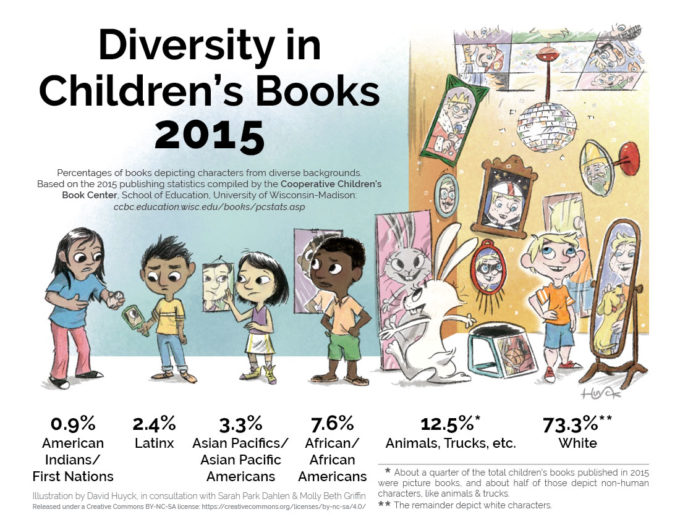
For decades, children’s books have predominantly featured white, male protagonists. This trend extends even to stories with animal or anthropomorphic characters, which are overwhelmingly depicted as male. Data consistently supports this observation. A 2017 report by the Cooperative Children’s Book Center at the University of Wisconsin-Madison found that only 22% of children’s books published in 2015 featured characters of color. Similarly, research from the University of Pennsylvania in 2017 indicated that in books published between 2002 and 2015, male characters outnumbered female characters by a ratio of 2:1. This imbalance creates a skewed perception of the world for young readers, potentially limiting their understanding of the diverse society they inhabit.

The impact of this lack of representation can be profound. Children who do not see themselves reflected in the stories they consume may feel invisible or marginalized. Conversely, children exposed solely to a narrow range of characters may develop unconscious biases and a limited understanding of human experiences. The absence of diverse narratives also deprives all children of the opportunity to learn about different cultures, perspectives, and the multifaceted nature of identity.
The Imperative for Inclusive Storytelling
The importance of diversity in children’s literature stems from its power to:
- Promote Empathy and Understanding: By encountering characters from different backgrounds, children learn to connect with experiences outside their own, fostering empathy and compassion.
- Build Self-Esteem and Identity: Seeing characters who share their race, gender, abilities, or family structures validates a child’s own identity and contributes to a positive self-image.
- Challenge Stereotypes: Diverse books can actively dismantle harmful stereotypes by presenting nuanced and authentic portrayals of individuals from all walks of life.
- Prepare for a Diverse World: Children are growing up in an increasingly diverse and interconnected world. Literature that reflects this reality helps them navigate and appreciate this complexity.
- Encourage Critical Thinking: Exposure to a variety of perspectives can encourage children to think critically about different viewpoints and develop their own informed opinions.
A Curated Selection of Diverse Children’s Books
The following selection highlights books that not only champion diversity but are also exceptional in their storytelling, illustrations, and engagement with young readers. This list is a starting point, acknowledging that the journey towards comprehensive representation is ongoing.
For Babies and Toddlers: Laying the Foundation of Inclusion
Even the youngest readers benefit from exposure to diverse characters and themes. These board books and early readers offer simple yet impactful introductions to a world of difference.
- "Not Quite Narwhal" by Jessie Sima: This charming story follows Kelp, a creature who feels different from his narwhal peers. While a simple tale of belonging, it beautifully illustrates the overarching love of family and acceptance, presented with endearing charm.
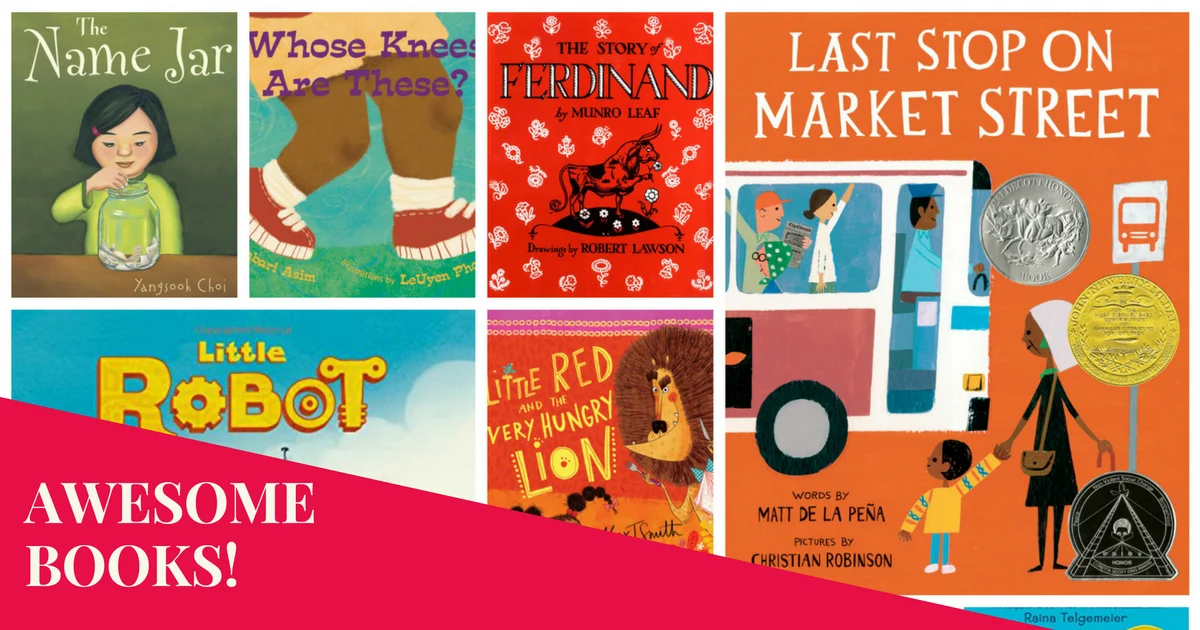
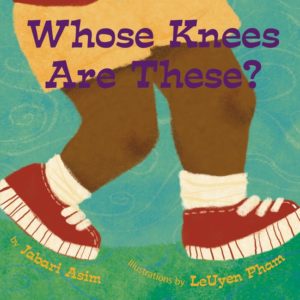
- "Whose Knees Are These?" by Sundee T. Frazier: A delightful board book employing playful rhymes to introduce body parts. Its simple verses and engaging style make it perfect for little ones, and its diverse depiction of children’s knees subtly underscores the variety of human forms.
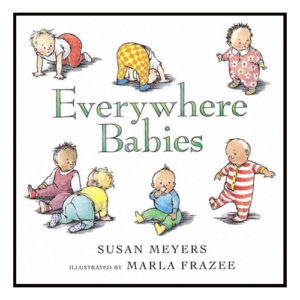
- "Everywhere Babies" by Susan Meyers: Featuring gorgeous illustrations by the acclaimed artist of "All the World," this board book offers a gentle and inclusive portrayal of babies from all walks of life. It celebrates the universality of infancy, showcasing a spectrum of races, family structures, and abilities, making it a valuable addition to any young child’s library.
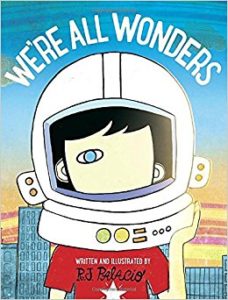
- "We’re All Wonders" by R.J. Palacio: Adapted from the popular chapter book "Wonder," this picture book introduces younger readers to Auggie Pullman, a boy who looks different. It gently conveys the message that everyone is a wonder in their own way, promoting kindness and acceptance of those who may appear different.
For Preschoolers: Exploring Identity and Empathy
As children enter preschool, their understanding of the world expands, and books can play a pivotal role in shaping their perceptions of self and others.
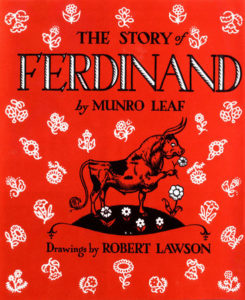
- "The Story of Ferdinand" by Munro Leaf: A timeless classic, "The Story of Ferdinand" features a bull who prefers smelling flowers to fighting. This tale of nonconformity and individuality is a powerful early lesson in embracing one’s true nature, regardless of societal expectations. Ferdinand’s gentle spirit and defiance of traditional bull behavior resonate with themes of unique identity.
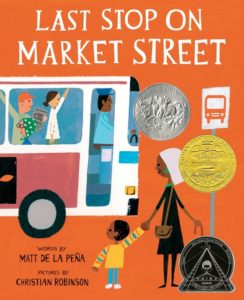
- "Last Stop on Market Street" by Matt de la Peña: This Caldecott Medal winner follows CJ and his Nana on their weekly bus ride through their diverse neighborhood. The book beautifully captures the richness of community, the wisdom of elders, and the joy found in everyday experiences, all through vibrant illustrations and lyrical prose. It’s a profound exploration of finding beauty and connection in unexpected places, celebrating a multi-generational, multi-ethnic urban landscape.
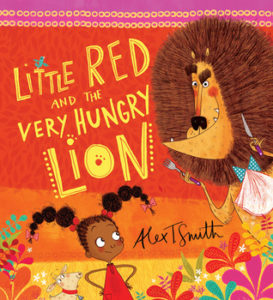
- "Little Red and the Very Hungry Lion" by Alex Smith: A delightful, jungle-themed reimagining of "Little Red Riding Hood," this book offers a fresh perspective with vibrant illustrations and a humorous twist where no one gets eaten. It’s a playful and engaging story that introduces a familiar narrative with a unique cultural setting and empowering female protagonist.
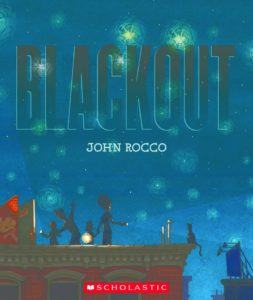
- "Blackout" by John Rocco: This Caldecott Honor book uses minimal text and striking illustrations to tell the story of a family reconnecting during a city-wide power outage. It highlights the importance of human connection and shared experience, transcending age and background as the community comes together.
- "And Tango Makes Three" by Justin Richardson and Peter Parnell: Based on a true story, this heartwarming book tells the tale of two male penguins at the Central Park Zoo who form a family. It’s a pioneering and gentle introduction to same-sex relationships and the diverse forms that families can take, presented in a way that is accessible and affirming for young children.
- "The Name Jar" by Yangsook Choi: Unhei, a young girl who has recently moved from Korea, worries about her name being difficult for her new classmates to pronounce. This story beautifully explores the challenges of being new, the importance of cultural identity, and the kindness of peers who create a "name jar" to help her embrace her heritage.
- "The Snowy Day" by Ezra Jack Keats: A beloved masterpiece, this Caldecott Medal winner captures the simple magic of a child’s exploration of a snowy world. Peter, a Black boy, is the central character, and the book’s enduring appeal lies in its universal depiction of childhood wonder and discovery, subtly embedding racial diversity within a universally cherished narrative.
- "Little Robot" by Ben Hatke: This wordless picture book tells a touching story of friendship between a small robot and a curious girl. Through its evocative illustrations, it explores themes of connection, loyalty, and the quiet power of companionship, transcending language barriers and showcasing a heartwarming inter-species bond.
For Older Children: Navigating Complex Themes and Identities
As children grow, so does their capacity to engage with more complex narratives and nuanced character development. These books offer rich storylines that incorporate diversity in meaningful ways.
- "Zita the Spacegirl" by Ben Hatke: The first in a trilogy, "Zita the Spacegirl" features a brave and resourceful Earth girl who embarks on an interstellar adventure. Zita’s journey is filled with alien encounters, unlikely friendships, and acts of courage. The series is celebrated for its strong female lead, compelling plot, and the diverse cast of characters Zita encounters on her travels. Hatke’s work consistently features relatable and flawed characters who demonstrate resilience and loyalty.
- "Mighty Jack" by Ben Hatke: This graphic novel creatively reimagines "Jack and the Beanstalk," introducing Jack’s sister, Maddy, who has autism and is nonverbal. Their sibling relationship is central to the plot, exploring themes of divorce and family dynamics with sensitivity. The book’s adventurous plot, complete with swordplay and dragons, is balanced by its honest portrayal of complex family life and neurodiversity.
- "El Deafo" by Cece Bell: A Newbery Honor book, "El Deafo" is a graphic novel memoir about the author’s experience of losing her hearing at a young age. Cece navigates the challenges of being different, finding her voice through her imaginative alter ego, the superhero "El Deafo." The book humorously and honestly addresses themes of pain, isolation, and the search for acceptance, making it a powerful exploration of disability and self-discovery.
- "Sisters" by Raina Telgemeier: This popular graphic novel chronicles the complex relationship between two sisters on a road trip. Telgemeier’s work often delves into relatable adolescent experiences, including sibling rivalry, friendships, and the awkwardness of growing up. "Sisters" is praised for its authentic portrayal of familial dynamics and its engaging artwork. Telgemeier’s other works, such as "Drama," which includes a character exploring his sexuality, and "Ghosts," featuring a protagonist with cystic fibrosis, further showcase her commitment to diverse storytelling for young readers.
- "The War That Saved My Life" by Kimberly Brubaker Bradley: This historical fiction novel tells the story of Ada, a young girl with a clubfoot, who is sent from London to the countryside during World War II. Ada’s journey is one of survival, resilience, and finding a sense of belonging. The book powerfully depicts the challenges faced by those with disabilities and the transformative impact of kindness and acceptance.
Broader Implications and Future Directions
The increasing availability and critical acclaim of diverse children’s books signal a positive shift in the publishing industry and among educators and parents. However, challenges remain. Ensuring equitable distribution, continued support for diverse authors and illustrators, and ongoing critical evaluation of representation are crucial.
The analysis of sales data and library acquisition trends can provide further insights into the reach and impact of diverse literature. Initiatives by organizations promoting diversity in publishing, such as We Need Diverse Books, have been instrumental in advocating for greater representation. The conversation surrounding diversity in children’s literature is not static; it requires continuous dialogue, critical engagement, and a commitment to ensuring that every child can find themselves reflected in the stories that shape their understanding of the world. As more data emerges on the long-term effects of early exposure to diverse narratives, the imperative to champion these stories will only grow stronger, fostering a generation of more empathetic, understanding, and inclusive global citizens.
