

The challenges of postpartum recovery, particularly concerning core strength and abdominal integrity, are significant for many women. Among these, diastasis recti (DR) and umbilical hernias are common conditions that can profoundly impact quality of life. Traditionally, severe cases of these conditions often pointed towards surgical intervention, such as abdominoplasty or hernia repair. However, recent developments and growing clinical evidence suggest that targeted, non-surgical exercise programs can effectively resolve these issues, even in complex cases involving both conditions. This shift represents a potential paradigm change in postpartum care, emphasizing accessible, home-based rehabilitation.
![Diastasis Recti Before And After [Without Surgery] | Lucies List](https://www.lucieslist.com/wp-content/uploads/2024/03/umbilical-hernia.jpeg)
Diastasis recti, commonly known as "mummy tummy" or "mommy pooch," is the separation of the rectus abdominis muscles (the "six-pack" muscles) along the linea alba, a connective tissue midline. This separation occurs when the uterus expands during pregnancy, placing immense pressure on the abdominal wall. While some degree of separation is normal and often resolves spontaneously in the first few months postpartum, a significant number of women experience persistent diastasis recti. Research from the National Institute of Health (2021) indicates that nearly half of all women experience DR after childbirth, with 33% of women (and 39% of women over 35) still affected 12 months postpartum. Beyond cosmetic concerns, DR is a clinical diagnosis linked to a spectrum of debilitating symptoms, including chronic lower back pain, pelvic floor dysfunction, urinary incontinence, constipation, and pain during intercourse. The weakened core musculature fails to provide adequate support for the spine and pelvic organs, leading to these functional impairments.
An umbilical hernia, considered a more severe complication, frequently co-occurs with untreated or severe diastasis recti. It manifests as a protrusion of abdominal tissue, such as fat or a loop of intestine, through a weak spot in the abdominal wall near the navel. This occurs when the increased intra-abdominal pressure, exacerbated by a compromised linea alba, forces tissue outward. While common in newborns and often resolving on its own, adult umbilical hernias, particularly those arising from pregnancy-related abdominal wall weakness, can lead to serious complications including bowel obstruction or strangulation, which is a medical emergency requiring immediate surgery. For many years, the standard medical advice for persistent or symptomatic umbilical hernias, especially when coupled with significant diastasis recti, often involved surgical repair. In cases where DR was also present, an abdominoplasty (tummy tuck) might be recommended first, as the detached abdominal muscles would otherwise continue to place pressure on the hernia repair site, potentially leading to recurrence. This often placed women in a difficult position, particularly if they desired future pregnancies, as subsequent pregnancies could compromise surgical repairs.
![Diastasis Recti Before And After [Without Surgery] | Lucies List](https://www.lucieslist.com/wp-content/uploads/2024/03/diastasis-recti-check-1024x682.jpg)
A notable case illustrating the potential for non-surgical resolution involves an individual who experienced significant postpartum core issues after two consecutive pregnancies, both delivered via C-section. Approximately six months postpartum, despite attempts at diet modification and increased walking, she continued to suffer from persistent lower back pain, constipation, and occasional urinary leakage. These symptoms were initially attributed to the recovery from C-sections. Upon seeking medical evaluation, a gynecologist diagnosed a 4 cm abdominal separation, indicative of severe diastasis recti. Further examination revealed the presence of an umbilical hernia, leading to a referral for gastroenterological consultation and potential surgical repair.
The recommended surgical pathway presented a dilemma: an abdominoplasty would likely be required before hernia repair to stabilize the abdominal wall, and the prospect of future pregnancies potentially damaging any surgical intervention caused hesitation. It was during this period of uncertainty that a crucial piece of information emerged: a mention of an NPR segment discussing a non-surgical approach to "flattening the mummy tummy." This led the individual to discover Leah Keller, CEO of Every Mother, and her specialized exercise program.
![Diastasis Recti Before And After [Without Surgery] | Lucies List](https://www.lucieslist.com/wp-content/uploads/2024/03/diastasis-recti-before-and-after-1024x763.jpg)
Leah Keller, a certified personal trainer and mother, developed a program focused on deep core activation, specifically targeting the transverse abdominis muscle and pelvic floor. Her method, known as the "Core Compressions" technique, involves precise breathing and muscle engagement exercises designed to draw the separated rectus abdominis muscles back together and strengthen the entire core musculature from within. Crucially, Keller’s program highlights that many traditional abdominal exercises, such as crunches, can actually exacerbate diastasis recti and contribute to hernia formation by increasing intra-abdominal pressure incorrectly.
The individual commenced the Every Mother program, which promised resolution of diastasis recti in as little as 12 weeks with just ten minutes of daily exercise, requiring minimal equipment. Her journey through the program unfolded as follows:
![Diastasis Recti Before And After [Without Surgery] | Lucies List](https://www.lucieslist.com/wp-content/uploads/2024/03/umbilical-hernia-anatomy.jpeg)
- Weeks 1-2: Foundational Learning. The initial phase focused on understanding and correctly engaging the deep transverse abdominis, a muscle often overlooked in conventional fitness routines. The program provided detailed instruction on safe and effective exercises, acting as a virtual physical therapist. While initially unsure of proper engagement, daily soreness confirmed muscle activation.
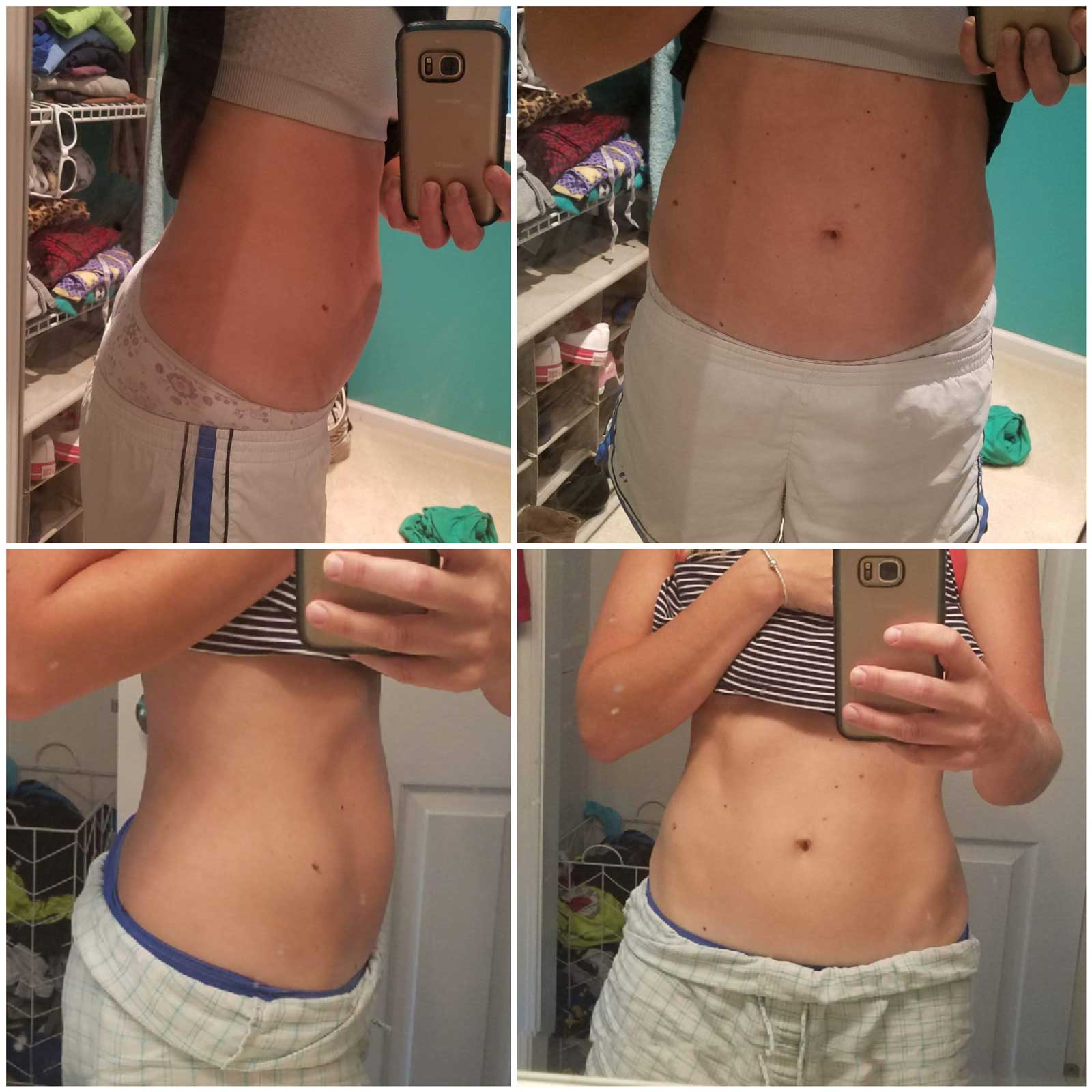
- Week 3: Initial Progress Confirmed. A pivotal moment occurred after 21 days when a re-measurement indicated a significant reduction of the diastasis, shrinking by 2 cm. This objective improvement, alongside decreased post-workout soreness and a subjective feeling of increased core strength, balance, and energy, solidified commitment to the program.
- Weeks 4-5: Enhanced Engagement and Symptom Relief. With growing confidence in core compression techniques, the individual began incorporating additional suggested exercises. The daily routine became an anticipated activity. Notably, the previously chronic lower back pain had resolved, and instances of urinary incontinence from coughs or sneezes ceased entirely.
- Day 62: Diastasis Recti Closure. In less than three months, the individual successfully closed her diastasis recti. This achievement was particularly significant as it occurred without surgical intervention, substantial financial investment in personal training or gym memberships, or the lingering concern of further injury to the hernia due to detached abdominal muscles.
The true test of the program’s efficacy came with a subsequent, unplanned pregnancy. The individual seamlessly transitioned to Every Mother’s "pregnancy" workout path, which adjusts routines to minimize strain on the linea alba and support the body through gestation. This proactive approach contributed to a healthier pregnancy with reduced back pain and an easier postpartum recovery following her third child’s birth in April 2020. Eight weeks postpartum, her gynecologist confirmed that her diastasis recti remained closed, an outcome that surprised and impressed the medical professional, particularly given the previous diagnosis and subsequent pregnancy. This remarkable outcome led the OBGYN practice to begin recommending the Every Mother program to all their patients, regardless of their current stage of childbirth.
Leah Keller, in an interview, underscored the profound impact of her program. "Your story is a message of hope for other women," she stated, highlighting the "tremendous clinical validation" the program has received through peer-reviewed journals and studies conducted in partnership with institutions like the Hospital for Special Surgery. She cited a 2014 pilot study involving 63 women, where 100% achieved full resolution of their DR in an average of 11.25 weeks. Keller emphasized the universal applicability of her method: "We are all vulnerable and can all benefit from learning healthy ways to relax, lengthen, and strengthen core muscles." She noted that while 80% of users seek the program reactively after experiencing postpartum symptoms, the benefits extend to all stages of life. When asked if it’s ever too late to start, Keller shared an inspiring anecdote of an 82-year-old woman successfully closing her diastasis. Her core message remains one of encouragement: "Just start. You need minutes a day – not hours. It’s one baby step at a time. One day at a time. Any step forward is progress. Your body is resilient. Your body wants to get better. It starts with awareness. Everyone deserves affordable access to this information and to know how our body works."
![Diastasis Recti Before And After [Without Surgery] | Lucies List](https://www.lucieslist.com/wp-content/uploads/2024/03/postpartum-belly-with-diastasis-recti-and-hernia-1024x684.jpg)
The success of this non-surgical approach carries significant implications for postpartum healthcare. Firstly, it offers a highly accessible and affordable alternative to surgery, potentially reducing healthcare costs associated with operations, recovery, and rehabilitation. App-based programs democratize access to specialized physical therapy that might otherwise be geographically or financially out of reach for many. Secondly, it empowers women to take an active role in their recovery, fostering a deeper understanding of their own bodies and promoting long-term core health. The ability to prevent or even reverse conditions like diastasis recti and umbilical hernias without invasive procedures marks a significant advancement in maternal health. This approach aligns with a growing trend in medicine towards preventative and rehabilitative strategies that leverage the body’s natural healing capabilities.
The medical community is increasingly recognizing the efficacy of targeted exercise for conditions previously thought to require surgery. While surgery remains a necessary option for certain severe cases or emergencies, programs like Every Mother demonstrate that for many, a structured, consistent exercise regimen can provide a safe and effective pathway to recovery. The documented resolution of both a 4 cm diastasis recti and the prevention of umbilical hernia surgery through exercise, even across subsequent pregnancies, serves as compelling evidence for integrating such non-surgical interventions into standard postpartum care protocols. This evolution in understanding and treatment offers renewed hope and practical solutions for countless women navigating the complexities of postpartum physical recovery.
