

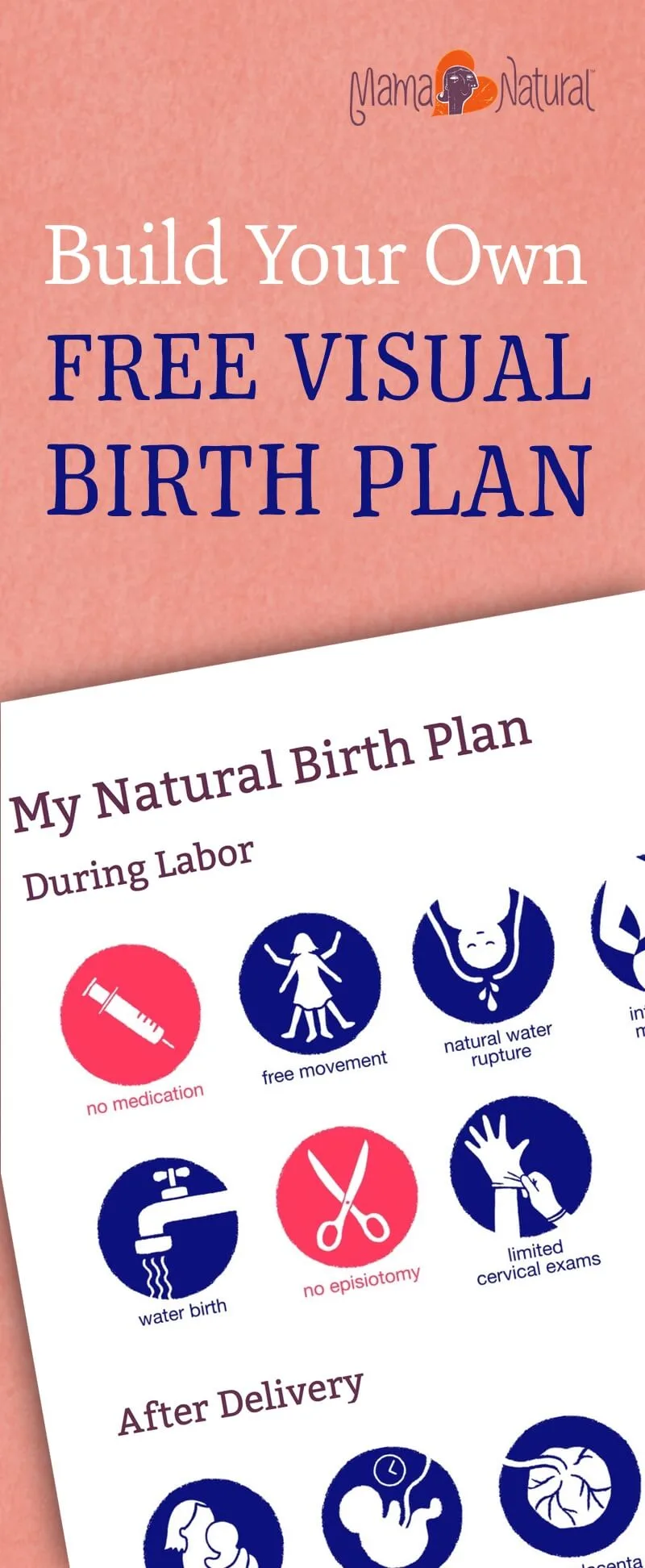
The utilization of birth plans has transitioned from a niche preference in alternative birthing circles to a cornerstone of modern patient-centered maternity care. A birth plan, essentially a structured blueprint of a laboring person’s preferences regarding medical interventions, environment, and newborn care, serves as a critical communication bridge between expectant parents and healthcare providers. As clinical environments become increasingly fast-paced, the demand for streamlined, highly legible documentation has led to the development of visual birth plan templates. These tools, such as the customizable resources provided by maternal health platforms like Mama Natural, utilize iconography and color-coded systems to convey complex medical preferences in a format that can be assessed by clinical staff in seconds. The primary objective of these documents is to ensure that a patient’s informed choices are respected even during the high-intensity phases of active labor, thereby fostering a collaborative environment between the birthing family and the medical team.
The Historical Evolution of Birth Planning and Patient Autonomy
The concept of the written birth plan emerged prominently in the late 1970s and early 1980s, coinciding with the broader "natural childbirth" movement. Pioneers in the field, including doulas and midwives, recognized that the increasing medicalization of birth often left parents feeling sidelined in their own care. Historically, the birth plan was a reaction to the routine use of interventions such as episiotomies, continuous fetal monitoring, and the restriction of movement, which had become standard hospital protocols regardless of individual risk profiles.
Over the decades, the format of these documents has evolved significantly. Initial birth plans were often multi-page narratives that, while thorough, were frequently ignored by hospital staff due to their length and complexity. By the early 2000s, clinicians began advocating for "one-page" summaries to improve readability. The current shift toward visual birth plans represents the latest iteration of this evolution. By replacing dense text with standardized icons—such as a "walking" symbol to indicate a desire for mobility or a "crossed-out syringe" to indicate a preference against an epidural—these templates align with modern medical communication standards that prioritize rapid information retrieval and the reduction of cognitive load for practitioners.
Technical Specifications and the Logic of Visual Iconography
The modern visual birth plan is engineered for maximum clarity under pressure. The 2025 updates to leading templates include a sophisticated system of color-coded icons designed to prevent medical errors and misunderstandings. In these systems, blue icons typically represent positive preferences—actions the birthing team is encouraged to take. Examples include delayed cord clamping, the use of a birthing ball, or immediate skin-to-skin contact. Conversely, red icons serve as a visual shorthand for "do not perform" or "avoid," such as the avoidance of routine IV fluids, artificial rupture of membranes, or the administration of a hepatitis B vaccine in the immediate postpartum period.
The inclusion of specialized sections for "Gentle Cesareans" marks a significant advancement in the 2025 templates. Recognizing that approximately 31% of births in the United States occur via Cesarean section, advocates have moved toward "family-centered" surgical experiences. Visual icons for these scenarios include requests for clear drapes (allowing the mother to see the birth), the placement of EKG leads on the mother’s back to facilitate immediate skin-to-skin contact in the operating room, and the presence of a doula or support person during the procedure. This granular level of planning ensures that even when a birth deviates from the preferred physiological path, the patient’s autonomy remains a priority.
Statistical Analysis of Maternal Satisfaction and Clinical Outcomes
Research into the efficacy of birth plans suggests a nuanced relationship between documentation and outcomes. A 2022 study published in the Journal of Perinatal Education indicated that while a birth plan does not always reduce the rate of medical interventions, it is strongly correlated with higher levels of maternal satisfaction and a reduced risk of postpartum post-traumatic stress disorder (PTSD). The data suggests that the process of creating the plan—which requires the patient to research options and discuss them with their provider—is as valuable as the document itself.
In the United States, where maternal mortality and morbidity rates remain higher than in other developed nations, the birth plan is increasingly viewed as a tool for safety. According to the Centers for Disease Control and Prevention (CDC), significant disparities exist in maternal care, particularly for women of color. The implementation of documents like the "Black Birthing Bill of Rights" within a birth plan framework serves as an advocacy tool, ensuring that patients receive respectful, high-quality care that adheres to evidence-based practices. By presenting a clear, professional visual document, patients can effectively signal their level of health literacy and their expectation for collaborative care.

Clinical Reception and the "High Maintenance" Stigma
Despite the clear benefits of birth plans, their reception within hospital systems remains varied. A common point of friction exists between labor and delivery nurses and patients who present extensive, inflexible plans. Journalistic inquiries into hospital culture have revealed that some staff may perceive a complex birth plan as a sign of a "difficult" patient who may be resistant to necessary medical advice during an emergency. This stigma often stems from the unpredictable nature of childbirth; clinicians express concern that a rigid adherence to a plan may lead to disappointment or dangerous delays in care.
However, the visual birth plan is specifically designed to mitigate this tension. Midwives and obstetricians have noted that the "one-page visual" format is significantly more palatable to clinical staff than a five-page typed essay. By presenting preferences in a professional, icon-based layout, patients demonstrate an understanding of the hospital’s need for brevity. Stephanie, a midwife practicing in a metropolitan hospital, noted that visual templates are "the best and clearest way to keep everyone on the same page," emphasizing that clarity reduces the likelihood of conflict during the labor process.
Chronology of the Birth Planning Process
To maximize the effectiveness of a visual birth plan, healthcare advocates suggest a specific timeline for implementation:
- Early Second Trimester: Begin researching various birth interventions (e.g., Pitocin, episiotomy, vacuum extraction) and newborn procedures (e.g., Vitamin K shot, erythromycin eye ointment).
- 28–32 Weeks: Select a template and begin customizing it. This involves selecting icons that align with personal values and discussing these choices with a partner or doula.
- 34 Weeks: Present the draft birth plan to the primary healthcare provider (OBGYN or midwife) during a routine prenatal visit. This allows for a "pre-clearance" of the plan and identifies any hospital policies that may conflict with the patient’s wishes.
- 36 Weeks: Finalize the document. It is recommended to print multiple copies—one for the hospital chart, one for the bedside, and one for the support team.
- Labor Admission: Upon arrival at the birthing facility, the plan should be handed to the admitting nurse. The visual nature of the template allows the nurse to quickly scan and understand the patient’s "non-negotiables."
Broader Implications for Healthcare Policy and Equity
The widespread adoption of standardized visual birth plans has broader implications for healthcare policy. As hospitals move toward "Value-Based Care" models, patient satisfaction scores (such as HCAHPS) become increasingly important for hospital reimbursement and branding. Facilities that proactively encourage the use of birth plans and respect patient autonomy often see higher satisfaction ratings.
Furthermore, the birth plan is a vital component of the "Informed Consent" and "Informed Refusal" legal frameworks. In a medical setting, every procedure requires the patient’s consent. A birth plan serves as a pre-emptive record of these decisions. For marginalized communities, having a written, visual record of their choices can provide a layer of protection against medical paternalism. Organizations such as the National Association to Advance Black Birth (NAABB) emphasize that clear communication of rights is a fundamental step in addressing the systemic inequities in the American obstetric system.
Conclusion: The Future of Collaborative Maternity Care
The transition toward visual, icon-driven birth plans represents a significant step forward in the professionalization of patient advocacy. By acknowledging the time constraints and high-stress nature of the delivery room, these templates provide a solution that serves both the patient and the provider. While no document can guarantee a specific birth outcome—given the inherent unpredictability of biological processes—the visual birth plan ensures that the patient’s voice remains present throughout the experience.
As we move toward 2025 and beyond, the integration of these templates into digital health records and hospital portals is expected to increase. The ultimate goal is a maternity care system where the "standard of care" is not a one-size-fits-all protocol, but a personalized approach that respects the individual’s physical, emotional, and cultural preferences. Through the use of simple, clear, and professional documentation, the modern birthing family is better equipped than ever to navigate the complexities of the hospital environment and achieve a positive, empowered birth experience.
