

The human gastrointestinal tract, once viewed primarily as a system for nutrient extraction and waste elimination, is now recognized by the global medical community as a cornerstone of systemic health. Recent advancements in metagenomics and microbiology have revealed that the gut microbiome—a complex ecosystem of trillions of microorganisms residing in the intestines—exerts a profound influence on metabolic, immunological, and neurological functions. As clinical research continues to bridge the gap between digestive health and chronic disease, healthcare professionals are increasingly identifying specific physiological and psychological markers that indicate a state of dysbiosis, or microbial imbalance.
The Historical Evolution of Microbiome Research
The scientific understanding of gut health has undergone a radical transformation over the last century. In the early 1900s, Nobel laureate Elie Metchnikoff first hypothesized that the consumption of fermented milk could suppress "putrefactive" bacteria in the gut and promote longevity. However, it was not until the launch of the Human Microbiome Project (HMP) by the National Institutes of Health in 2007 that the true scale of this internal ecosystem was mapped. The HMP and subsequent international initiatives have utilized high-throughput sequencing to identify thousands of bacterial species, many of which cannot be cultured in a laboratory setting. This chronological shift from "germ theory," which focused on eradicating pathogens, to "microbiome science," which focuses on nurturing commensal organisms, has redefined the diagnostic approach to modern ailments.
Seven Primary Indicators of Gut Dysbiosis
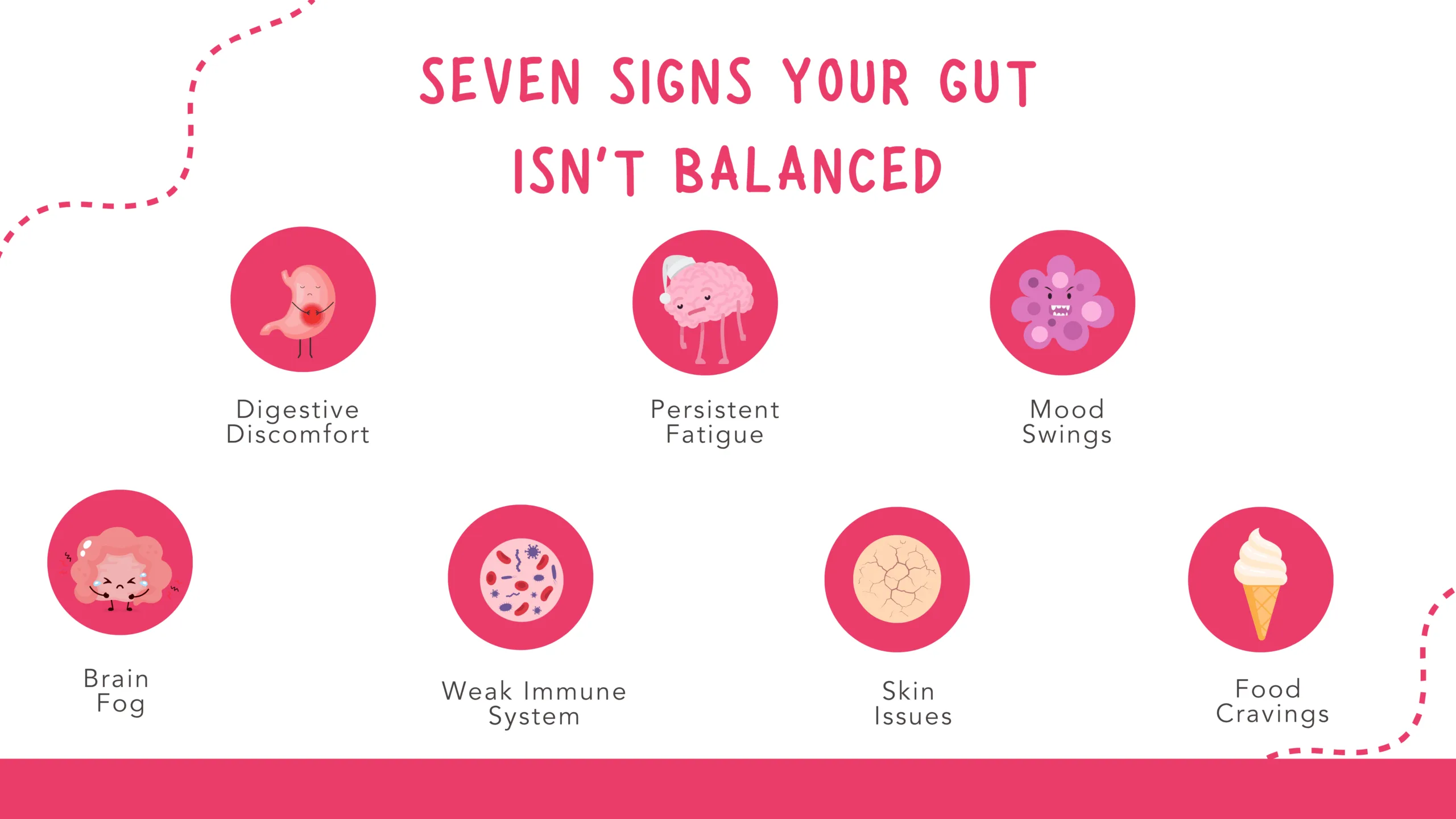
Clinical observations and peer-reviewed studies have coalesced around seven primary indicators that suggest the gut microbiome may be in a state of imbalance. These symptoms often serve as early warning signs of more significant underlying health disruptions.
1. Chronic Gastrointestinal Distress
Persistent bloating, flatulence, constipation, and diarrhea are the most direct manifestations of a compromised microbiome. When the balance of beneficial bacteria to pathogenic or opportunistic organisms shifts, the fermentation of dietary carbohydrates can become irregular, leading to the production of excess gas and inflammation. According to data from the American Gastroenterological Association, nearly 60 to 70 million Americans suffer from digestive diseases, many of which are exacerbated by an lack of microbial diversity.
2. Persistent Fatigue and Sleep Disruptions
The correlation between gut health and energy levels is increasingly supported by clinical data. A study published in the journal Microbiome found that individuals with chronic fatigue syndrome (CFS) often possess a distinct and less diverse gut microbial profile compared to healthy controls. Furthermore, approximately 60% of patients diagnosed with irritable bowel syndrome (IBS) report significant levels of fatigue. This suggests that the metabolic byproducts of gut bacteria play a critical role in mitochondrial function and energy regulation.
3. Neurological Fluctuations and the Gut-Brain Axis
The bidirectional communication between the central nervous system and the enteric nervous system, known as the gut-brain axis, explains why gut health is inextricably linked to mood. Research indicates that approximately 95% of the body’s serotonin—a key neurotransmitter responsible for mood regulation—is synthesized in the gut by enterochromaffin cells. Dysbiosis can disrupt this synthesis, potentially leading to increased rates of anxiety, depression, and significant mood swings.
4. Maladaptive Food Cravings
Emerging evidence suggests that gut microbes may influence host eating behavior to favor their own survival. For example, certain yeast species and bacteria thrive on simple sugars. When these populations overgrow, they can manipulate the host’s cravings through the production of signal molecules that mimic hunger hormones. This creates a feedback loop where poor dietary choices further degrade the microbial environment, leading to a "vicious cycle" of metabolic dysfunction.
5. Dermatological Manifestations
The "gut-skin axis" is a well-documented phenomenon in which intestinal inflammation manifests as skin conditions such as eczema, acne, and psoriasis. When the intestinal barrier is compromised—a condition often referred to as "leaky gut"—pro-inflammatory cytokines and undigested food particles can enter the bloodstream, triggering a systemic immune response that affects the skin’s integrity and appearance.
6. Compromised Immunological Function
The gut is the primary site of the human immune system, housing an estimated 70% to 80% of all immune cells within the Gut-Associated Lymphoid Tissue (GALT). A healthy microbiome trains these immune cells to distinguish between harmless antigens and dangerous pathogens. Consequently, frequent illness or a slow recovery from infections may indicate that the gut’s microbial defense system is weakened, leaving the host more susceptible to viral and bacterial threats.
7. Cognitive Impairment and "Brain Fog"
"Brain fog," characterized by confusion, forgetfulness, and a lack of mental clarity, has been linked to the production of metabolites by certain gut bacteria. High levels of ammonia or other toxins produced by an imbalanced microbiome can cross the blood-brain barrier, leading to neuroinflammation. Chronic gut inflammation is also being investigated as a contributing factor to long-term cognitive decline and neurodegenerative diseases.
Therapeutic Strategies and Evidence-Based Interventions
Addressing gut dysbiosis requires a multi-faceted approach involving dietary modification, lifestyle adjustments, and targeted supplementation.
Dietary Fiber and Prebiotic Support
Fiber serves as the primary fuel source for beneficial gut bacteria. The fermentation of fiber by these microbes produces short-chain fatty acids (SCFAs) like butyrate, which are essential for maintaining the health of the colonic lining. Current nutritional guidelines recommend 25 grams of fiber daily for women and 38 grams for men, yet the average Western diet provides less than half of this amount. Emerging research highlights the efficacy of superfruits like the baobab fruit, which is exceptionally high in prebiotic fiber and antioxidants, in supporting microbial proliferation.
The Role of Fermented Foods and Probiotics
Traditional fermented foods, such as kefir, sauerkraut, and kimchi, introduce live beneficial cultures into the digestive tract. However, in cases of severe dysbiosis or after antibiotic treatment, clinical-grade probiotic supplements may be necessary. Modern formulations often target specific needs, such as women’s health, by including strains like Lactobacillus rhamnosus and Lactobacillus reuteri, which have been shown to support both the gut and the vaginal microbiome.
Hydration and Mucosal Integrity
Water is essential for the movement of fiber through the digestive tract and for the maintenance of the mucosal lining that protects the intestinal walls. Chronic dehydration can lead to a thinning of this protective layer, increasing the risk of inflammation and pathogen invasion.
Market Trends and Regulatory Landscape
The global probiotic market is projected to reach over $90 billion by 2030, reflecting a growing public awareness of gut health. However, this rapid growth has prompted calls from regulatory bodies, such as the FDA and EFSA, for more stringent labeling requirements. Consumers and clinicians alike are increasingly demanding transparency regarding Colony Forming Units (CFUs), strain specificity, and the "survivability" of probiotic organisms as they pass through the acidic environment of the stomach.
Expert Analysis and Broader Implications
The implications of gut health research extend far beyond digestive comfort. Epidemiological studies suggest that early-life microbiome development can influence the risk of developing autoimmune disorders, obesity, and allergies later in life. Furthermore, the field of "psychobiotics"—probiotics used to treat mental health disorders—is currently undergoing rigorous clinical trials, offering hope for non-pharmacological interventions in psychiatry.
As the medical community moves toward a model of personalized medicine, microbiome profiling is likely to become a standard diagnostic tool. By understanding the unique microbial fingerprint of an individual, healthcare providers can tailor dietary and supplemental interventions to correct specific imbalances.
In conclusion, the seven signs of gut imbalance serve as a critical interface between the body’s internal ecosystem and its outward health. While the science is still evolving, the consensus remains clear: a diverse and balanced microbiome is fundamental to human longevity and well-being. Proactive management through diet, hydration, and evidence-based supplementation represents a vital shift toward preventive healthcare in the 21st century.
