

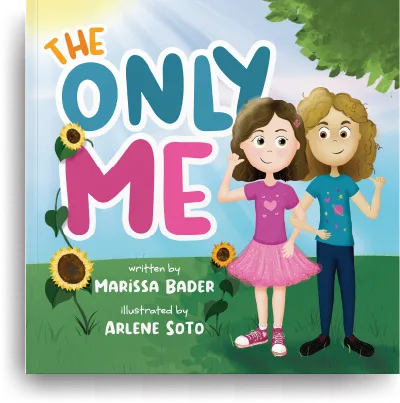
The landscape of children’s literature has recently welcomed a significant new voice with the publication of Marissa Bader’s book, "The Only Me," released and updated in August 2022. This compelling narrative, centered on a pair of seven-year-old fraternal twins, Stella and Paige, delves into the often-overlooked psychological imperative for individuals, particularly multiples, to be recognized and celebrated for their unique identities rather than as an inseparable unit. The book serves as a timely reminder to parents, educators, and society at large that while twins share an extraordinary bond, they are distinct individuals deserving of separate acknowledgment and appreciation.
The core of "The Only Me" explores the journey of Stella, who grapples with feelings of frustration and insecurity stemming from constant comparisons to her sister, Paige. Despite their inherent differences, Stella and Paige are frequently viewed and referred to collectively, blurring their individual identities. This societal tendency to group twins, often benign in intent, can have profound effects on a child’s developing sense of self. Stella’s quest to be seen as "her own person" resonates deeply with the experiences of many multiples who struggle to carve out a distinct identity in a world that often perceives them as a duo. The narrative follows Stella as she learns to identify and embrace her unique strengths, ultimately valuing herself as an individual, irrespective of external comparisons.
The Psychology of Individual Identity in Multiples
The premise of "The Only Me" is firmly rooted in developmental psychology, which emphasizes the critical role of individual recognition in fostering a healthy self-concept and robust self-esteem in children. From birth, humans strive to differentiate themselves from others, a process essential for forming a secure identity. For twins, this process can be uniquely challenging. Studies in developmental psychology indicate that while twins, especially identical ones, share significant genetic material and often similar environments, their individual experiences, interactions, and perceptions shape distinct personalities, preferences, and cognitive profiles. Dr. Nancy L. Segal, a prominent researcher in twin studies, has extensively documented that even identical twins exhibit unique behaviors and personalities from a very early age, underscoring the powerful influence of individual experience and environmental interaction.
The persistent labeling of children as "the twins" rather than by their names, or the constant comparison of their physical appearance, academic performance, or social skills, can impede this crucial developmental process. Children, particularly during formative years, internalize external feedback. When they are consistently grouped or contrasted, they may struggle to develop a clear understanding of their independent strengths and weaknesses. This can lead to feelings of being "incomplete" without their twin, or foster unhealthy competition and resentment. Psychologists suggest that such dynamics can contribute to identity confusion, lower self-esteem, and even affect social development, as children may rely too heavily on their twin for social interaction rather than developing independent friendships.
Challenges and Misconceptions Faced by Twin Families
The inspiration for "The Only Me" stems directly from the lived experiences of author Marissa Bader, who observed these dynamics firsthand with her own six-year-old fraternal twins. She noted how people frequently referred to her daughters as "the twins" rather than by their individual names, Mila and Grace, inadvertently creating an amalgamated identity. This common practice, often unintentional, can have a cumulative effect, leading children to feel unseen, frustrated, and confused about their unique place in the world. The compounding factor of constant comparison, both physically and mentally, further exacerbated these feelings, leading to perceived inferiority in one twin relative to the other.
This phenomenon is not isolated to Bader’s family. Many parents of multiples report similar experiences, highlighting a widespread societal misconception that twins are essentially interchangeable or possess identical traits and abilities. This perception often overshadows the fundamental truth that each twin, regardless of their genetic similarity, is a unique human being with their own thoughts, feelings, and aspirations. The original title of Bader’s book, "The Twins Who Were Different," reflects this initial focus, which later evolved to encompass a broader message about individual recognition for all children.
A Broader Message: Individuality Beyond Multiples
While "The Only Me" was conceived with twins specifically in mind, its message transcends the experience of multiples. Bader realized, through her research for an earlier article on "the importance of treating siblings like their own people," that the core themes of embracing differences, honoring individual strengths, and cultivating self-love apply universally to all children. This expanded perspective transforms the book from a niche publication for twin families into a valuable resource for any family navigating sibling relationships and fostering individual growth.
Research consistently shows that even non-twin siblings, despite sharing parents and a home environment, are often no more similar than two unrelated individuals in many aspects of personality and cognitive ability. This startling fact underscores the profound impact of unique experiences, peer interactions, and even subtle differences in parental treatment on individual development. When caregivers actively treat each child as an individual, they communicate respect and value for their inherent uniqueness. This, in turn, is a powerful catalyst for boosting a child’s self-confidence and solidifying their sense of identity. The book effectively crystallizes this critical pedagogical insight: recognizing and celebrating individuality is not merely beneficial but essential for healthy child development.
Parental and Educational Strategies for Nurturing Unique Identities
The implications of "The Only Me" extend into practical parenting and educational strategies. For parents of multiples, fostering individuality requires conscious effort to counteract societal tendencies. This includes:
- Using Individual Names: Consistently referring to each child by their name rather than "the twins" helps reinforce their separate identities.
- Acknowledging Unique Interests and Talents: Encouraging separate hobbies, friendships, and pursuits allows each twin to develop distinct skills and passions.
- Avoiding Direct Comparisons: Refraining from comparing academic performance, athletic abilities, or social skills between twins prevents feelings of inadequacy or superiority.
- Celebrating Differences: Actively pointing out and praising each child’s unique qualities and achievements fosters a sense of individual worth.
- Allocating Individual Time: Spending one-on-one time with each twin, engaging in activities they enjoy, strengthens their individual bond with the parent and validates their unique preferences.
- Independent Socialization: Encouraging separate playdates, school activities, and even classrooms (when appropriate and desired by the children) can help them build independent social circles and self-reliance.
For educators, creating an inclusive classroom environment that recognizes and celebrates each student’s individuality is paramount. This means teachers should be mindful of how they group and refer to twins, ensuring that each child is given opportunities to shine independently. Implementing personalized learning approaches that cater to individual learning styles and strengths can also significantly contribute to a child’s sense of self-efficacy and value.
The Role of Literature in Child Development
Children’s books like "The Only Me" play a vital role in addressing complex social and psychological themes in an accessible and engaging manner. Through the relatable characters of Stella and Paige, children (and their parents) can explore the emotional landscape of identity formation, learn about empathy, and understand the importance of self-acceptance. Literature provides a safe space for children to process their feelings, see their experiences reflected, and acquire valuable life lessons. The book’s engaging narrative structure makes it an effective tool for initiating conversations about individuality, sibling dynamics, and the broader concept of self-worth.
The media recognition garnered by "The Only Me," including an interview on CBS News Minnesota, underscores the relevance and timeliness of its message. Such platforms amplify the book’s reach, bringing these important discussions into more households and educational settings. The author’s proactive engagement with the public, inviting parents to share their experiences, further enriches the dialogue surrounding individuality in children and demonstrates a commitment to fostering a supportive community for families of multiples and singletons alike.
Broader Societal Implications
The message embedded in "The Only Me" carries significant broader societal implications. In an increasingly interconnected world, where conformity can sometimes overshadow individuality, promoting self-acceptance and the celebration of differences is more crucial than ever. The book subtly advocates for a shift in societal perspective, moving away from a tendency to categorize and label, towards a deeper appreciation for each person’s unique contribution. This shift not only benefits children by bolstering their self-esteem but also enriches communities by fostering diversity, understanding, and mutual respect.
The responsibility of caregivers—parents, grandparents, teachers, and other influential adults—to shape a child’s sense of value and self-esteem is immense. Books like "The Only Me" serve as powerful resources, offering not just a story, but a framework for understanding and enacting this responsibility. By reading and discussing such literature, families can actively participate in nurturing resilient, confident, and self-aware individuals who are proud of who they are.
In conclusion, Marissa Bader’s "The Only Me" is more than just a children’s book; it is a profound commentary on the universal human need for individual recognition and validation. Updated in August 2022, its timely release highlights a critical aspect of child development, particularly for twins, while offering an inclusive message for all families. By encouraging children to embrace their unique strengths and personalities, the book contributes to a healthier psychological foundation for the next generation. It reminds us that our greatest opportunity and responsibility as caregivers lie in helping each child realize and cherish their singular, irreplaceable self, ensuring they feel respected, loved, and secure in their own skin.
