

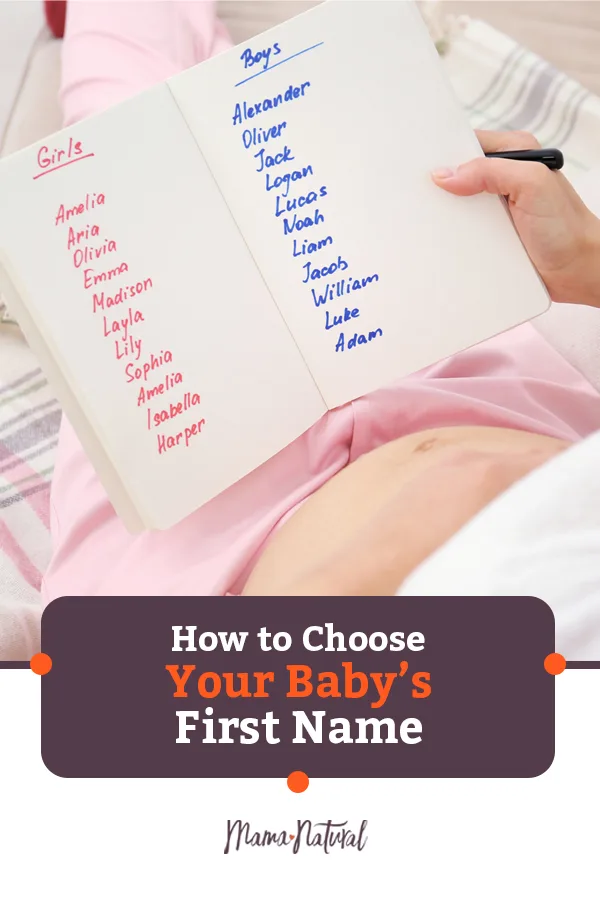
The selection of a newborn’s first name represents the inaugural significant decision in a child’s life, serving as a permanent identifier that influences social perception, psychological development, and personal identity. While the process is often celebrated as a milestone of expectant parenthood, it increasingly carries a significant burden of pressure. In the modern era, naming has evolved from a tradition of familial inheritance into a complex exercise in branding, linguistics, and cultural signaling. Data from the Social Security Administration (SSA) indicates a widening "name pool," where parents are moving away from top-tier traditional names in favor of unique identifiers, making the selection process more exhaustive than in previous generations.
The Evolution of Naming Trends: A Historical Chronology
Historically, naming conventions were dictated by religious adherence, royal lineage, or the preservation of paternal surnames. In the early 20th century, a limited set of names dominated the demographic landscape; for instance, names like John and Mary accounted for a significant percentage of the population. However, the mid-1960s marked a cultural shift toward individualism. By the 1990s and early 2000s, the advent of the internet allowed parents to access global databases, leading to a surge in "nature names," "virtue names," and creative spellings.
Current trends reflect a "hundred-year rule," where names popular in the early 1900s—such as Sadie, Minnie, or Otis—undergo a resurgence as they shed their "geriatric" associations and acquire a vintage, artisanal appeal. Simultaneously, the rise of "gender-neutral" naming has seen a 60% increase in the use of traditionally masculine names for females and vice versa over the last two decades.
Establishing a Foundation: The Preliminary Negotiation
Expert consensus suggests that the naming process should begin with a structured dialogue between partners to establish core criteria. This preliminary phase involves defining the desired "vibe" of the name—whether it should be classic, modern, edgy, or bohemian. Sociologists note that naming conflicts often arise from differing subconscious goals: one partner may prioritize social mobility and professional "fitting in," while the other may prioritize uniqueness and creative expression.
Key considerations during this foundational stage include:
- Cultural and Religious Heritage: Determining if the name should reflect the family’s ethnic roots or religious traditions.
- Popularity Tolerance: Utilizing tools like the SSA’s annual rankings to decide if a name in the "Top 10" is acceptable or if the goal is a name outside the "Top 1000."
- Family Honorifics: Deciding whether to utilize names from the family tree as first or middle names.
Data-Driven Strategies for Inspiration and Exploration
In the digital age, parents are no longer limited to "baby name books." Specialized digital finders and algorithmic databases allow users to filter by origin, meaning, syllable count, and popularity trends.

- Linguistic Diversity and Global Origins: Exploring names beyond one’s immediate culture has become a standard practice. For example, parents seeking a floral theme who find "Lily" too ubiquitous may pivot to "Leilani," a Polynesian name meaning "heavenly flower." This global approach allows for phonetic familiarity without the drawback of high local popularity.
- Etymological Significance: The meaning of a name often acts as a "hidden" gift. Data suggests that names associated with strength, such as Ethan ("enduring and strong") or Valor, remain popular among parents who wish to instill specific character traits. Conversely, names associated with peace, such as Salma or Arina, are often selected by parents seeking a calming influence.
- The "Surprise" Factor: Some digital tools now offer randomized "Surprise Me" features. These are designed to bypass cognitive biases and introduce parents to names they might otherwise overlook due to preconceived notions about certain letters or origins.
Phonetic Harmony and the Surname Constraint
A critical, often overlooked aspect of naming is the phonetic interaction between the first name and the surname. Professional naming consultants advise parents to evaluate the "flow" of the full name through several tests:
- The Syllable Balance: Generally, a short first name pairs well with a long surname, and vice versa. For example, "Jane Montgomery" often provides a more rhythmic balance than "Jane Smith."
- Alliteration and Initials: While alliteration (e.g., "Sloane Stevens") can be memorable, parents must remain vigilant regarding the resulting initials. Ensuring that the first, middle, and last initials do not form unintended acronyms is a vital step in the vetting process.
- The "Starbucks Test": This practical exercise involves using the prospective name in public settings—such as ordering a coffee—to see how it feels to inhabit the name and how easily others can spell and pronounce it.
Resolving Interpersonal Conflicts: The "Veto" and Compromise
Naming feuds are common and can become a source of significant stress during the third trimester. Conflict resolution experts suggest several "tie-breaker" strategies:
- The Middle Name Pivot: If one partner is adamant about a name that the other dislikes, moving that name to the middle slot often serves as an acceptable compromise.
- Phonetic Alternatives: If a partner likes "Isabella" but the other finds it too common, they might agree on "Isabel," "Belle," or "Annabel"—names that share the same root or sound but feel distinct.
- The "Bracket" System: Modeled after sports tournaments, couples can create a list of 16 names and "face them off" against each other until a winner emerges.
Legal and Social Considerations: To Reveal or Conceal?
The timeline for finalizing a name varies. While some parents decide months in advance, others wait until the birth to ensure the name "matches" the infant’s appearance. Legally, most jurisdictions in the United States allow a window of several days to several weeks after birth to file a birth certificate, providing a buffer for those who remain undecided.
Regarding the social reveal, a growing trend among modern parents is "naming privacy." By keeping the choice secret until the birth, parents avoid the "unsolicited opinion" trap, where friends or family members may inadvertently ruin a name by associating it with a negative person or experience. Analysts suggest that keeping the name private reinforces the parental unit’s autonomy and reduces external pressure.
The Broader Impact: Naming and Future Outcomes
The implications of a name extend far beyond childhood. Studies in "implicit egotism" suggest that people are subconsciously drawn to things, places, and even professions that resemble their own names. Furthermore, research into resume bias has shown that names can impact hiring processes, though the rise of "blind recruitment" is beginning to mitigate these effects.
Choosing a unique name can foster a sense of individuality, but it may also require the child to spend a lifetime correcting spelling and pronunciation. Conversely, a common name provides a level of anonymity that some find comforting in the age of digital footprints.
Final Analysis
The process of picking a baby name is a multifaceted endeavor that requires a balance of emotional resonance, linguistic logic, and strategic planning. By utilizing modern data tools, understanding historical trends, and maintaining open lines of communication, parents can navigate the complexities of this decision. Ultimately, the "perfect" name is one that feels authentic to the family’s values while providing the child with a solid foundation for their future identity. Whether the choice is a vintage revival like Sadie or a modern innovation like Kenzie, the goal remains the same: to provide the child with their first, and perhaps most enduring, life gift.
