

The seemingly simple act of leaving the house transforms into a complex logistical challenge for parents once children enter the equation. What was once a swift departure involving little more than keys and a purse has evolved into a jam-packed sequence of tasks, each a potential point of friction. This perennial parental predicament, exacerbated by the demands of modern schooling and childcare, underscores the critical need for structured morning routines. Child development experts and educational institutions consistently highlight that predictability and consistency are not merely conveniences but fundamental pillars supporting children’s emotional stability, cognitive development, and overall household functionality. As the academic year recommences, often after a relaxed summer, the imperative to re-establish and refine these routines becomes paramount for ensuring children arrive at school or daycare punctually, well-prepared, and with a positive mindset, while simultaneously alleviating significant parental stress.

In contemporary society, where dual-income households are increasingly common and parental schedules are often demanding, the efficiency of the morning routine carries significant weight beyond mere punctuality. Studies from organizations like the American Psychological Association frequently cite parental stress as a major factor affecting family well-being, with morning chaos being a primary contributor. The ripple effect extends to the workplace, where parental tardiness can impact productivity and career progression. Conversely, a well-orchestrated morning not only ensures children are ready for learning but also empowers parents to commence their professional day with greater focus and less anxiety. This comprehensive guide, updated for September 2024, delves into seven empirically supported strategies, complemented by practical product recommendations, designed to transform chaotic mornings into smooth, predictable, and even enjoyable transitions.
The Cornerstone of Efficiency: Preparing the Night Before
One of the most impactful strategies for a smooth morning is to front-load as many tasks as possible into the preceding evening. This proactive approach significantly reduces cognitive load and decision fatigue during the critical morning hours. For parents, who often juggle multiple mental tasks before the day even properly begins, pre-preparation acts as a vital buffer against unexpected delays and meltdowns.

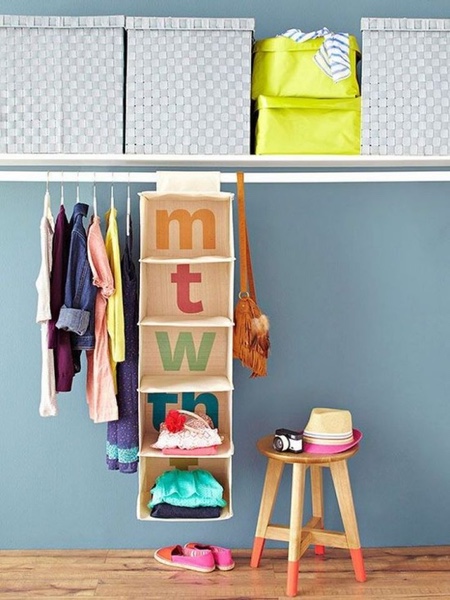
The scope of evening preparation can be extensive. This includes laying out clothes for the next morning, a task that, when done with children, can also foster a sense of autonomy and reduce morning disputes over attire. Beyond clothing, preparing the breakfast table after dinner cleanup, packing lunch boxes, and organizing snacks are essential steps. For families seeking to maximize this efficiency, extending outfit selection to cover the entire week can be a game-changer. Specialized weekly clothes organizers, featuring compartments for each day’s ensemble, allow children and parents to make choices at a leisurely pace on a Sunday evening, removing a common source of morning conflict. Furthermore, utilizing a school lunch planner can streamline meal preparation, ensuring balanced and appealing lunches are ready to go without last-minute scrambling. Anything that can be completed the night before—from signing permission slips to charging devices—contributes to a calmer, more controlled morning environment. This strategy aligns with principles of effective time management, where proactive planning consistently outperforms reactive problem-solving.
Prioritizing Parental Well-being: The Pre-Dawn Advantage
While counter-intuitive to some, granting oneself a period of "me-time" before children wake up can profoundly influence the entire family’s morning experience. Waking up 30 minutes or even an hour before the children allows parents to attend to their personal needs, such as getting dressed, enjoying a quiet cup of coffee, or engaging in a brief moment of mindfulness, in peace. This self-care ritual is not a luxury but a strategic investment in emotional regulation.
Psychological research consistently demonstrates that a parent’s emotional state directly impacts their children’s behavior and the overall household atmosphere. A calm, collected parent is better equipped to navigate potential challenges, offer patient guidance, and model positive coping mechanisms. Conversely, a rushed and stressed parent can inadvertently transmit that anxiety, leading to heightened tension and increased likelihood of power struggles with children. This strategy often necessitates a disciplined approach to bedtime for parents, prioritizing adequate sleep to facilitate an early, refreshed start. Embracing this personal lead time allows parents to transition from "waking up" to "being ready," enabling them to fully focus on their children’s needs without feeling personally behind, thereby fostering a more harmonious and effective morning flow.
Navigating Time with Precision: The Role of Visual and Auditory Cues
For children, particularly those who have not yet mastered reading a clock, the abstract concept of time can be a significant hurdle in adhering to a morning schedule. This is where the strategic implementation of timers and other cues becomes invaluable. Timers externalize the passage of time, making it concrete and understandable for young minds, thereby reducing the need for constant parental nagging and shifting responsibility for time management, in part, to the child.

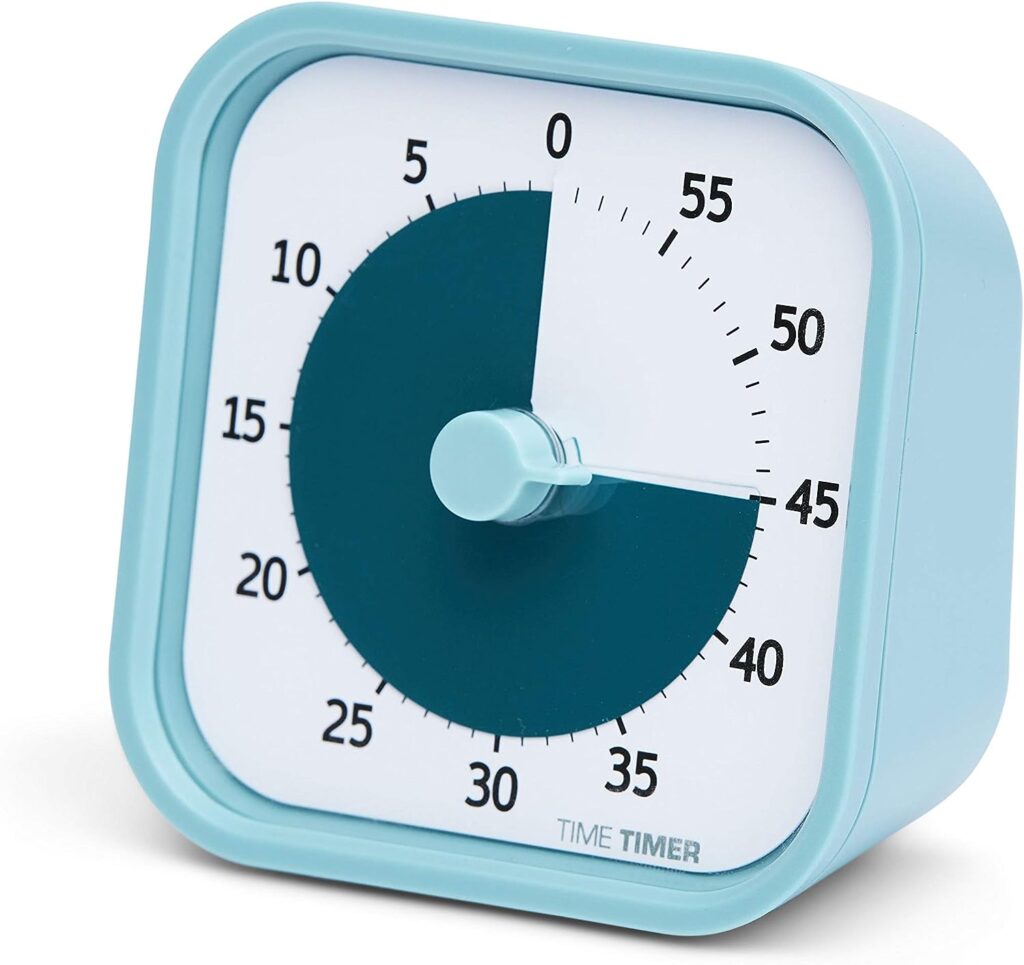
Visual timers, such as those featuring a colored disc that gradually disappears as time elapses, are particularly effective. These devices allow children to literally "see" how much time they have left for a specific task, such as getting dressed or eating breakfast. This visual representation is far more intuitive for children with developing cognitive abilities than abstract numbers on a digital clock. For younger children, variations featuring animals or color-coded segments can further enhance comprehension. Beyond visual aids, auditory cues play a powerful role. Setting phone alarms for specific transition points ("15 minutes until shoes," "5 minutes until the bus") creates clear, non-negotiable markers. An innovative approach involves curating a morning playlist of upbeat, familiar songs. Each song or sequence of songs can be associated with a particular task, guiding children through their routine without verbal prompts. For instance, "Here Comes the Sun" might signal dressing time, followed by another track for breakfast. This gamifies the routine and leverages music’s ability to influence mood and rhythm.
Empowering independence begins even before the alarm. "Ok-to-wake" clocks, like the Hatch Rest, utilize light and sound cues to signal when it’s permissible for children to leave their beds. A yellow light and chirping birds, for example, can indicate that it’s time to start the day, fostering a sense of autonomy while preventing excessively early risers from disrupting household sleep patterns.
Engaging Young Minds: The Art of Gamification
Transforming mundane morning tasks into engaging games can be a remarkably effective way to accelerate children’s readiness and reduce resistance. The principle behind gamification is to tap into children’s natural inclination for play, competition, and achievement, thereby shifting their focus from the chore itself to the challenge or reward associated with it.
Simple "races" can be incredibly motivating. For example, challenging children to be fully dressed by the time a parent finishes brushing their teeth or making the bed can ignite a competitive spirit that yields rapid results. Other gamified approaches include "morning Olympics" where tasks are small "events," or a "mystery prize" for finishing the routine on time. The key is to keep it light-hearted and age-appropriate, ensuring the focus remains on positive reinforcement rather than creating undue pressure or anxiety. While the power of play is undeniable, it’s important to vary the games to maintain novelty and ensure that children are internalizing the routine rather than solely relying on external competitive stimuli.
Motivation Through Autonomy: Structured Free Time as a Reward
The promise of "free time" can be a potent motivator for children to complete their morning tasks efficiently. This strategy leverages the concept of positive reinforcement, where a desired activity is granted upon the completion of necessary responsibilities. Crucially, this free time should be clearly defined and structured to avoid unintended consequences.
Once children are dressed, fed, and ready to go, allowing a designated period of free play, reading, or even limited educational screen time can incentivize speed and cooperation. The boundaries around this free time are paramount; for example, restricting video games and prioritizing activities like building with LEGOs, playing with stuffed animals, or drawing encourages positive engagement. The timer, once again, becomes a valuable tool here, clearly delineating the duration of free time before the final transition to shoes and backpacks. A significant consideration, as highlighted by parenting experts, is to prevent children from waking excessively early solely to maximize screen time. Parents should establish clear guidelines, perhaps linking free time to the "ok-to-wake" clock’s signal, ensuring that the reward system supports a healthy sleep schedule rather than undermining it. This approach teaches children valuable lessons in time management and the satisfaction of earning rewards through diligent effort.

Fostering Self-Sufficiency: The Power of Checklists
Checklists are powerful organizational tools that can profoundly enhance morning routine efficiency by externalizing expectations and promoting children’s independence. By providing a clear, visual roadmap of required tasks, checklists empower children to take ownership of their routine, reducing the need for constant verbal reminders from parents.
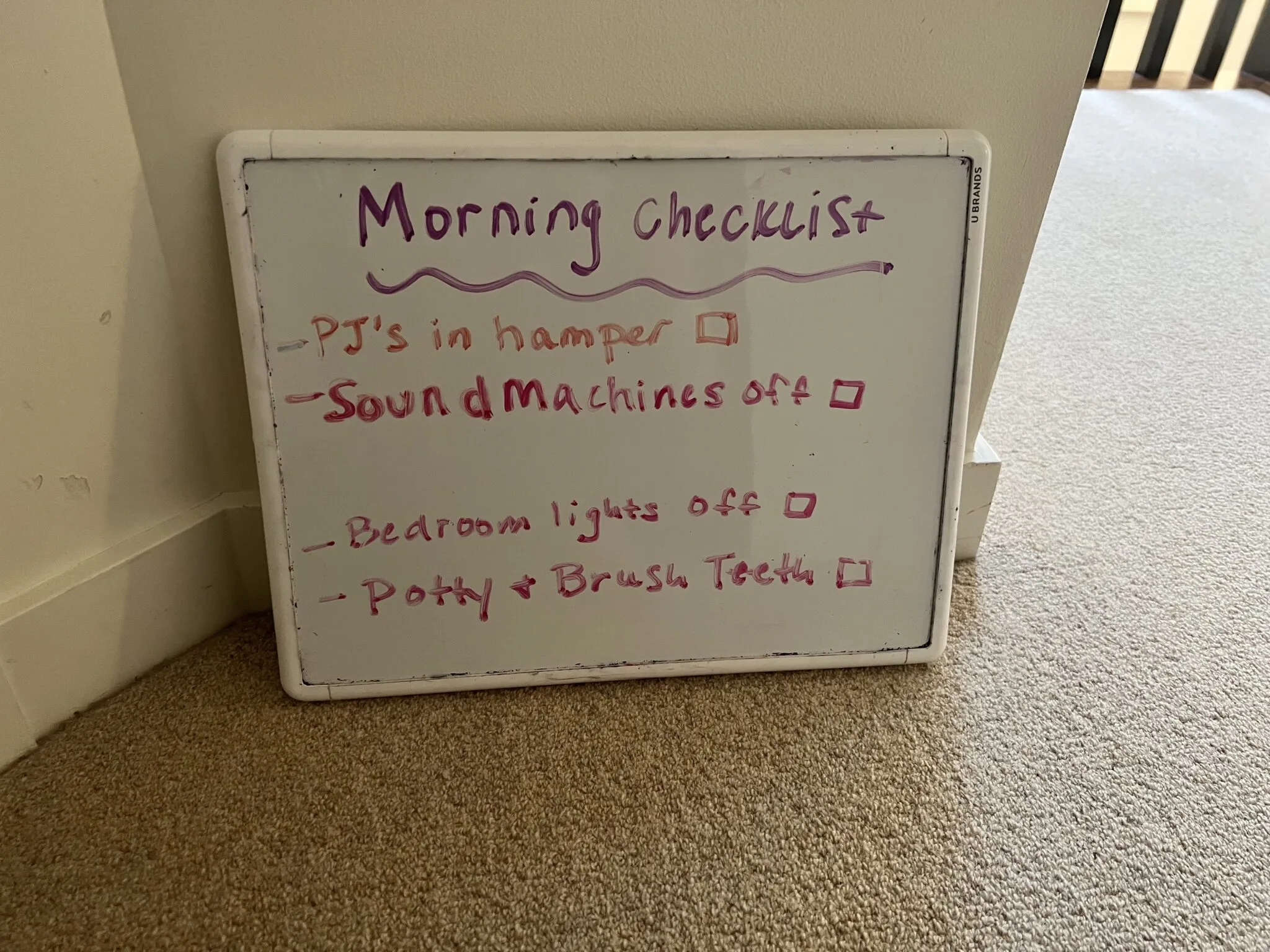
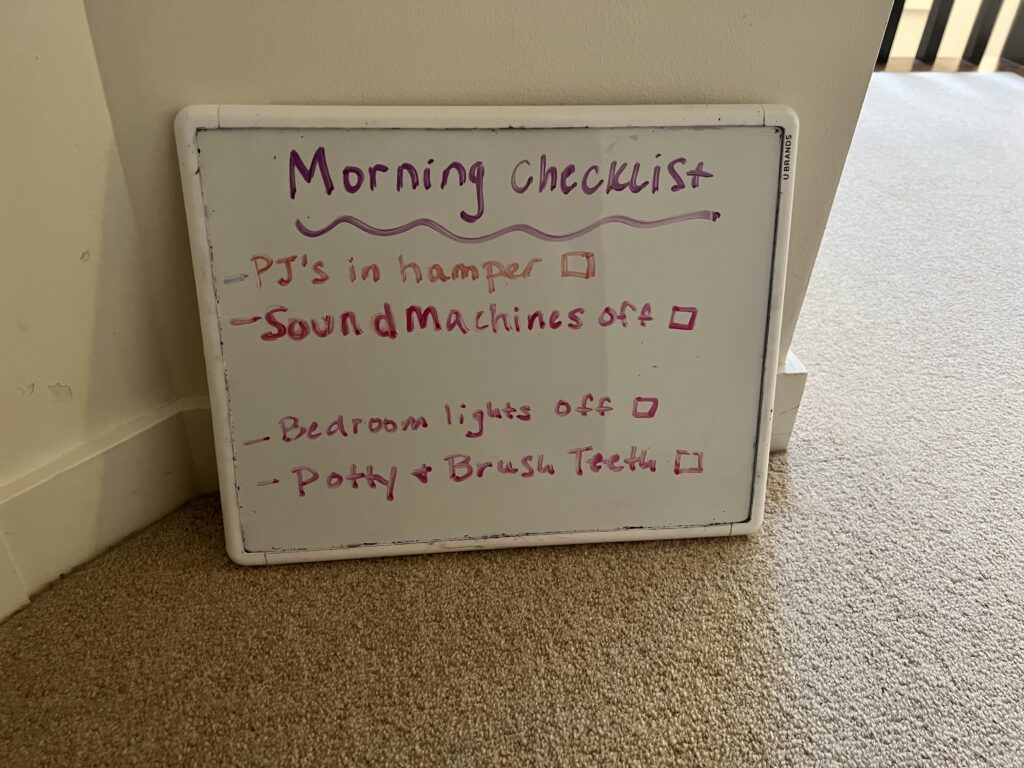
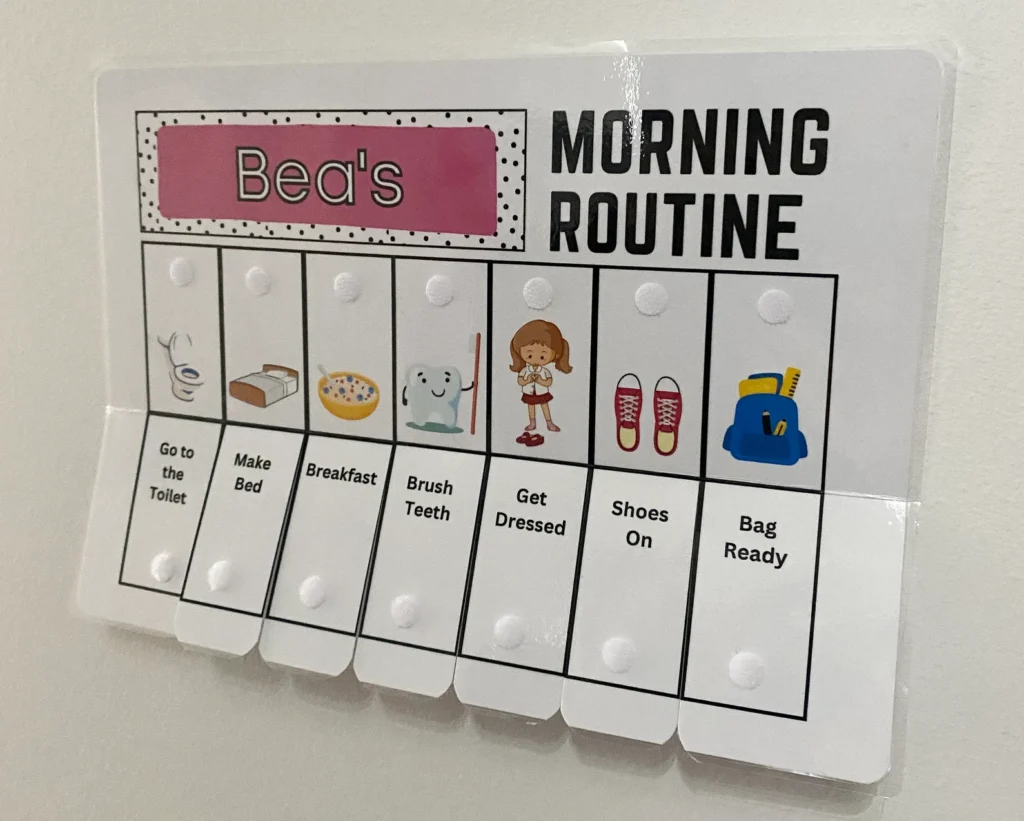
For younger children who are pre-readers, pictorial checklists are highly effective. Images depicting tasks like "brush teeth," "get dressed," or "eat breakfast" allow them to visually track their progress. As children grow older and develop literacy skills, written checklists can be introduced. A simple whiteboard, strategically placed in a high-visibility area like outside a child’s bedroom or on the refrigerator, allows for easy customization and updates. For a more interactive experience, visual morning charts with sliding check boxes or velcro tabs offer a tactile way for children to mark tasks as completed, providing immediate gratification and a sense of accomplishment. This systematic approach not only streamlines the morning but also supports the development of crucial executive function skills in children, such as planning, organization, and self-monitoring, which are foundational for academic success and life skills.

Nutritional Efficiency: Simplifying Breakfast for Optimal Start
Breakfast is undeniably the most important meal of the day, providing the essential fuel children need for cognitive function, physical energy, and sustained attention throughout their school day. However, in the rush of morning preparations, it can also become a source of delay if not approached strategically. The key is to prioritize simplicity and nutrition over elaborate culinary efforts.
Mornings are not the time for gastronomic experimentation. Instead, focus on quick, balanced, and appealing options that can be prepared with minimal fuss. Examples include peanut butter and banana toast, minute oatmeal, whole-grain toaster waffles, avocado toast, or yogurt with granola. Many of these options can be partially prepped the night before, such as setting out dry ingredients for oatmeal or pre-portioning yogurt and berries. The goal is to provide sustained energy without introducing complex steps or lengthy cooking times. By establishing a rotation of a few simple, nutritious breakfast options, parents can ensure their children are well-nourished and ready for learning, without adding unnecessary stress or time to the morning routine.
Optimizing the Final Exit: Accessibility and Independence
The final moments before leaving the house often involve a flurry of activity—grabbing backpacks, putting on coats, and slipping into shoes. Streamlining this final exit point can prevent last-minute delays and frustration. Creating an organized and accessible "launchpad" near the door empowers children to manage these tasks independently.
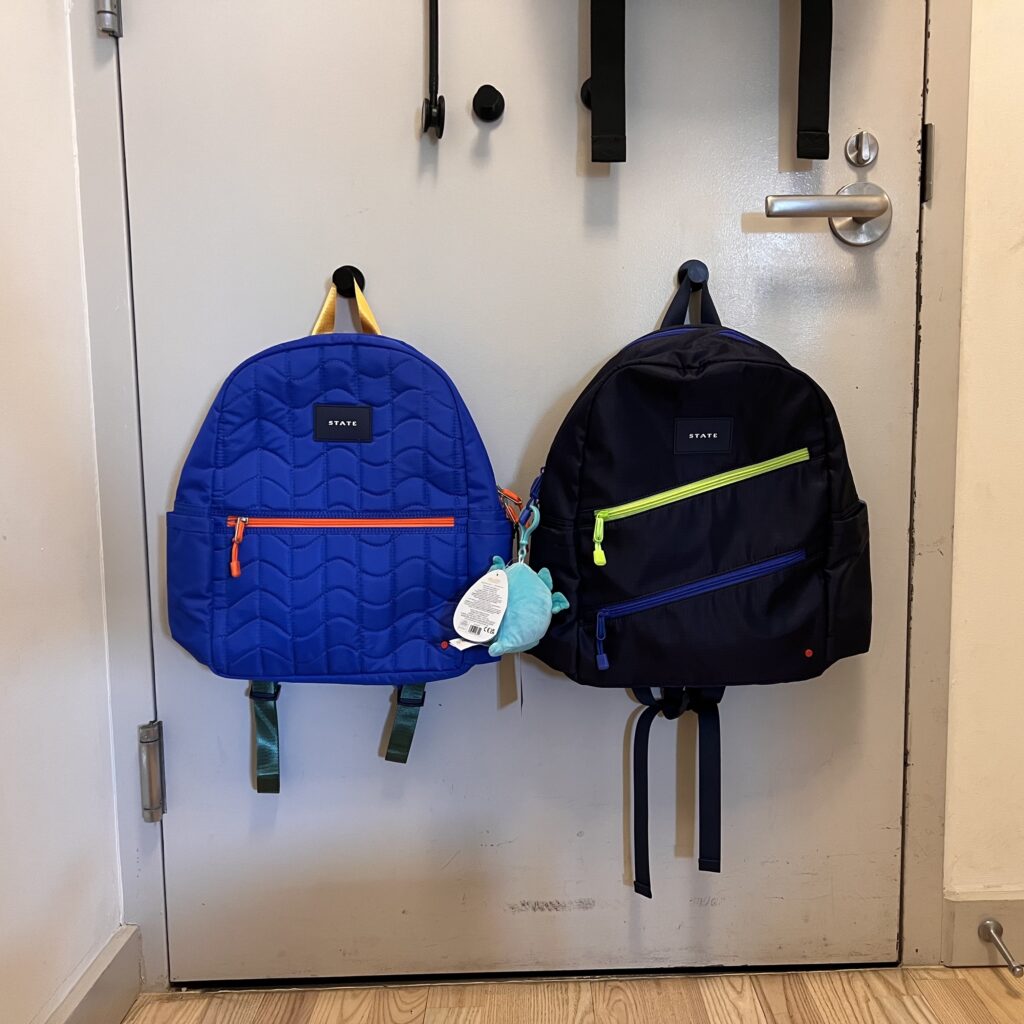
Installing wall hooks at children’s eye level allows them to easily grab their backpacks and coats without assistance. Magnetic hooks on the door can serve a similar purpose, keeping items readily available. A dedicated spot for shoes, perhaps a small bench or cubby, further promotes order. The choice of footwear can also significantly impact departure speed. Hands-free sneakers, like Kizik shoes, which allow children to slide their feet in without bending down or manipulating laces or Velcro, can shave precious minutes off the routine. These small organizational adjustments and product choices reinforce the overarching goal of fostering independence and efficiency, ensuring that the transition from home to school is as smooth and stress-free as possible for the entire family.

Broader Societal and Developmental Implications
The cumulative effect of consistently well-managed morning routines extends far beyond individual family dynamics. For children, predictable routines contribute significantly to a sense of security and reduce anxiety, leading to improved emotional regulation and better social interactions at school. Academically, children who arrive at school on time, well-rested, and well-fed are better positioned to engage with learning from the outset, leading to enhanced academic performance and a more positive school experience.
For parents, the reduction in morning stress translates into improved mental health, reduced parental burnout, and a greater capacity to focus on their professional responsibilities. This contributes to a more productive workforce and a healthier work-life balance. From a broader societal perspective, a generation of children raised with strong organizational skills and a sense of responsibility for their daily routines is better prepared for future academic and professional challenges. Educational institutions also benefit from fewer late arrivals, allowing classes to start promptly and maximizing instructional time.
In conclusion, transforming morning chaos into a structured, harmonious routine is a strategic imperative for modern families. By integrating proactive evening preparations, prioritizing parental well-being, leveraging effective time management tools like visual timers and engaging gamification, and fostering child independence through checklists and simplified tasks, parents can cultivate an environment that supports both their children’s development and their own peace of mind. The investment in these strategies yields dividends not only in punctuality but also in the overall well-being and long-term success of the entire family unit.
