

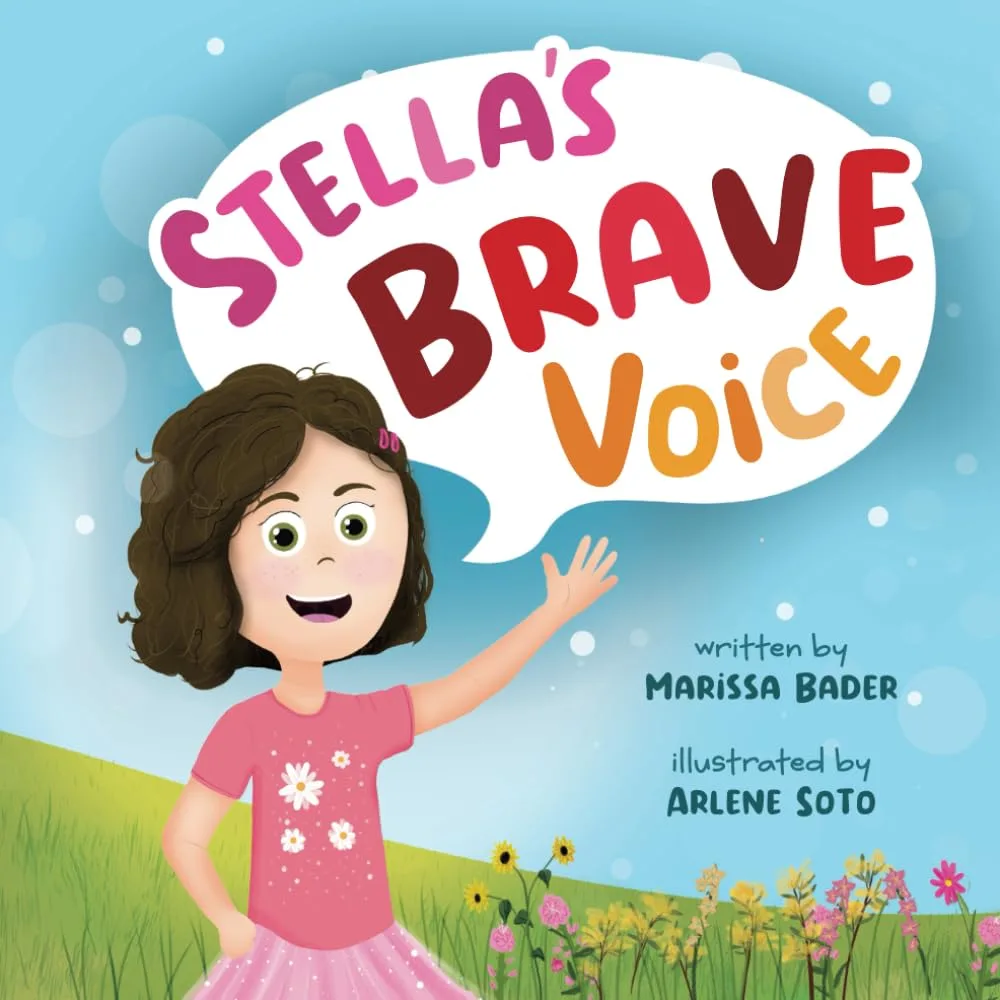
The "Sandwich Generation," a term describing adults simultaneously caring for aging parents and dependent children, represents a rapidly expanding demographic facing immense emotional, logistical, and financial pressures. A recent account from Marissa Bader, detailed in an April 2024 update, offers a poignant glimpse into the profound personal journey of becoming a dual caregiver, highlighting the sudden onset of complex medical and cognitive challenges in an elderly parent alongside the demands of raising young children. Her experience underscores a broader societal trend, where demographic shifts and increased lifespans are placing unprecedented strains on middle-aged individuals, often leading to significant personal sacrifice and burnout.
The Rise of the Dual Caregiving Phenomenon
The concept of the "Sandwich Generation" is not new, but its prevalence has surged in recent decades. According to the Pew Research Center, nearly half (47%) of adults in their 40s and 50s have a parent aged 65 or older and are either raising a young child or financially supporting a grown child. This figure has grown considerably, reflecting longer life expectancies for seniors and a trend toward delayed childbearing among younger generations. The average age of first-time mothers in the U.S., for instance, has been steadily increasing. Consequently, many individuals find themselves at a life stage where they are simultaneously managing the active parenting of school-aged children and confronting the declining health and increasing care needs of their elderly parents. This demographic reality creates a unique set of challenges, often requiring individuals to become expert navigators of complex healthcare systems, financial planners, and emotional anchors for multiple generations.
A Sudden Shift into Elder Care
For Marissa Bader, the transition into the Sandwich Generation was abrupt and stark. Her initial realization of her mother’s declining health occurred in 2019, following a diagnosis of Myelodysplastic Syndrome (MDS), a type of blood cancer. While focusing on her three young children, then aged seven and four-year-old twins, Bader discovered a significant lapse in her mother’s ability to manage her own medical care. The inability of her mother to recall her primary care physician, instead naming a doctor not seen since Bader’s childhood, served as a critical turning point. This prompted Bader to assume direct oversight of her mother’s medical appointments, an initial step into a caregiving role that would profoundly reshape her life.
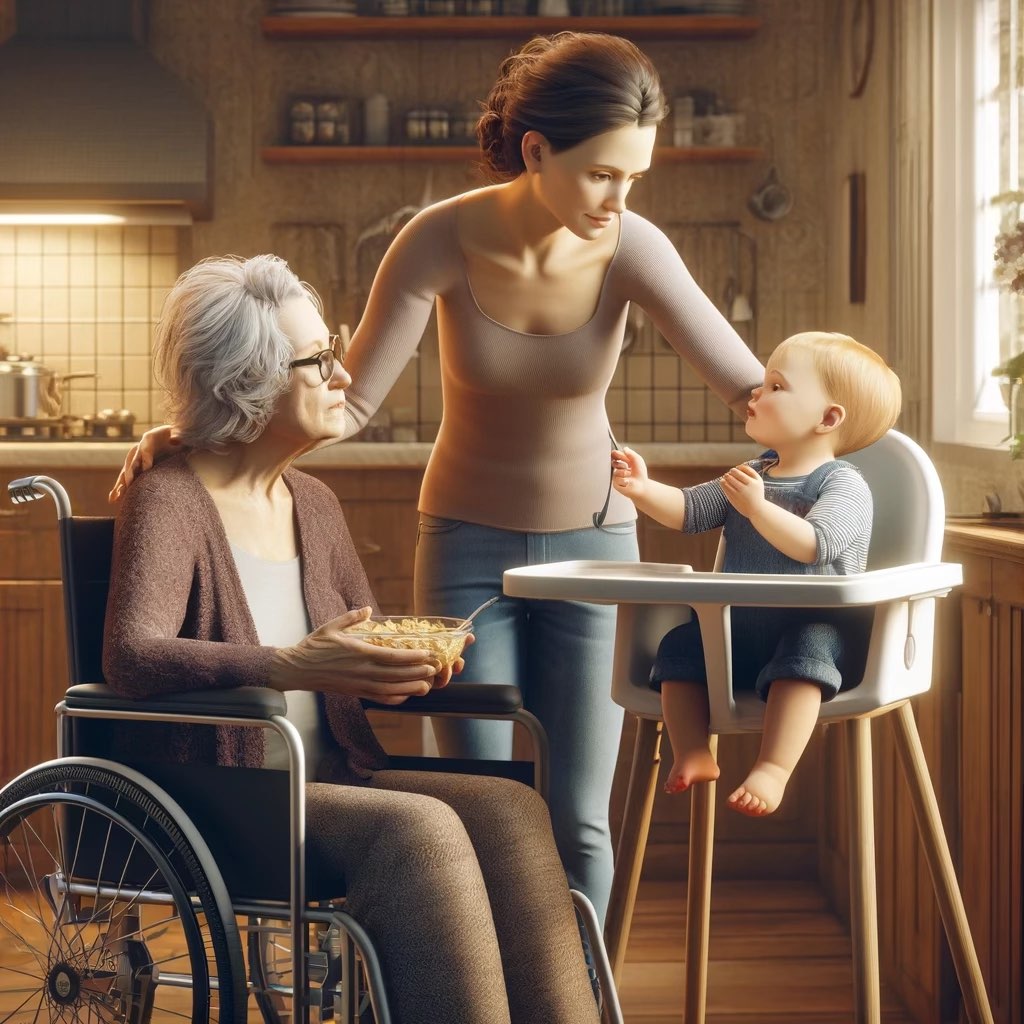
The complexities of navigating an unfamiliar healthcare landscape quickly became apparent. Bader meticulously organized her mother’s medical records and appointments, undertaking what she described as "detective work" to identify and coordinate care among various specialists. This initial phase, marked by intense logistical effort, culminated in an overwhelming emotional realization: she was now responsible for both her young children and her ailing mother, a burden she initially felt was "completely untenable." The support of her husband, who affirmed their shared commitment to the family, provided a crucial foundation during this challenging period.
Confronting a Dual Diagnosis: Cancer and Cognitive Decline
The journey began with the immediate threat of MDS. Dr. Warlick, her mother’s oncologist, outlined a grim prognosis: a life expectancy of approximately three years without intervention, or the option of aggressive chemotherapy. Despite the risks, the family chose chemotherapy, which, remarkably, led to a period of remission. However, during the frequent hospital visits and appointments, a more insidious issue began to surface: pronounced forgetfulness and confusion, coupled with increasing reclusiveness, paranoia, and a noticeable decline in personal habits, particularly cleanliness. These observations, profoundly out of character for her "consummate neat freak" mother, signaled a deeper cognitive decline.
The direct conversation about memory loss was initiated by her mother, who casually mentioned her mind "isn’t working as well as it used to." This rare opening allowed Bader to suggest an appointment with a "memory doctor," leading to a formal diagnosis of early-stage dementia by a geriatrician specializing in Alzheimer’s and Dementia. This news, though somewhat anticipated, was described as a "gut punch," intensifying the emotional toll on Bader and her family. The diagnosis necessitated immediate action, including establishing a Power of Attorney (POA) and advanced directives, and planning for an unpredictable future where her mother’s independence would inevitably diminish.
The Compounding Crisis: A Fall and Rapid Deterioration
For months, Bader’s mother continued to live independently, albeit with increasing supervision. However, the inherent unpredictability of dementia, combined with other health factors, led to a rapid and irreversible decline. The worry over her mother’s safety—including becoming lost while driving, the growing clutter at home posing fall hazards, and the risk of fire from her lifelong smoking habit—intensified. This constant anxiety permeated Bader’s daily life, impacting her parenting, work, and personal well-being, embodying the "empty cup" syndrome often experienced by caregivers.
The situation reached a critical juncture when Bader’s mother, spending the winter in Arizona, suffered a severe fall outside her home, breaking her hip. This incident, often a "kiss of death" for the elderly as Bader noted, triggered a cascade of negative effects. The combination of immobility, the trauma of surgery, new medications, an unfamiliar environment, and the cessation of smoking exacerbated her dementia tenfold. Within a week, her cognitive function deteriorated dramatically, making independent living impossible.
The Difficult Decision: Transition to Memory Care
The rapid decline necessitated an urgent and difficult decision: 24/7 in-home care, which is both expensive and challenging to secure, or a move to a memory care facility. The family, after frantic research and tours, concluded that memory care was the most viable and appropriate option. This decision, however, was fraught with profound guilt for Bader, who felt she was "betraying her on the deepest level." The plan to move her mother directly from the airport to a memory care facility, under the guise of it being a rehab center, weighed heavily on her conscience.
During this period, Bader described herself as physically, mentally, and emotionally "drowning." Juggling her children’s needs, her work deadlines, managing her mother’s care remotely, coordinating the move, and enduring distressing calls from her mother expressing confusion and anger, pushed her to the brink. A particularly raw moment occurred during a family Zoom call, where the emotional magnitude of the situation caused her to break down. As the only biological child, Bader felt an amplified sense of responsibility and guilt, believing she was letting her mother, and even her deceased father, down.
The Reality of the Sandwich Generation: Unseen Burdens
Bader’s experience vividly illustrates the multifaceted burdens faced by the Sandwich Generation.
- Emotional Toll: Caregivers often grapple with grief, guilt, anxiety, and depression. Witnessing a parent’s decline, making difficult decisions, and navigating their anger or confusion can be emotionally draining.
- Physical Exhaustion: The constant demands of caring for both children and parents, often while working, lead to chronic sleep deprivation and physical fatigue.
- Financial Strain: The costs associated with elder care, including medical expenses, in-home care, or facility fees, can be substantial. AARP data indicates that family caregivers spend, on average, over $7,000 annually out-of-pocket for caregiving expenses. This can be compounded by reduced work hours or lost career opportunities.
- Impact on Relationships: Marital relationships and relationships with children can suffer due to lack of time, energy, and emotional bandwidth. The "empty cup" syndrome describes the inability to give fully to any role.
- Social Isolation: The demanding schedule often leaves little time for personal pursuits, hobbies, or social engagements, leading to isolation.
Finding Solace Amidst the Storm
Upon her mother’s arrival from Arizona, facilitated by her brother and his wife, Bader was confronted with the stark reality of her mother’s advanced state of decline. The vibrant, independent woman who raised her was now "small, disheveled, confused, and broken." This moment solidified the reversal of roles, recognizing her new identity as the primary caregiver for a vulnerable parent.
Despite the profound challenges, Bader found a moment of connection during the drive to the memory care facility. Playing a Spotify mix of her mother’s favorite songs, spanning decades, brought a gentle smile to her mother’s face, sparking a brief, familiar moment of joy. This small act of connection offered a profound sense of solace, reminding Bader that even amidst cognitive decline, the essence of their relationship and shared memories endured.
A Path Forward: Seeking Better Care and Self-Preservation
Eight months after the initial move, the family recognized that the first memory care facility was not the right fit. This led to another, more successful, transition to a smaller home-like facility with a stronger community feel. In this new environment, Bader reports her mother is "thriving," engaging more socially, enjoying the staff, and generally appearing happier. This outcome, described as the "best-case scenario in an otherwise difficult situation," highlights the critical importance of finding the right care environment tailored to individual needs.
For Bader, the journey continues to be a work in progress. She emphasizes the ongoing effort to balance care for herself, her family, and her mother without succumbing to burnout. Her experience serves as a powerful testament to the resilience required of the Sandwich Generation and a reminder for caregivers to extend themselves "as much grace, love, and compassion as possible." The challenges are immense, but so too is the opportunity for profound connection and fulfillment in honoring the parents who once cared for them. The growing number of individuals navigating this complex role necessitates increased societal awareness, robust support systems, and a collective commitment to acknowledging and alleviating the immense pressures faced by dual caregivers.
