

The global probiotic market, valued at approximately $70 billion in 2023, continues to expand as consumers increasingly prioritize preventative health and microbiome maintenance. However, despite the proliferation of over-the-counter supplements, a significant portion of the female demographic reports a lack of discernible results. Scientific inquiry into this discrepancy suggests that the failure of many probiotic interventions is not necessarily a failure of the concept of microbial supplementation, but rather a result of formulation inadequacies, lack of strain specificity, and a failure to account for the unique physiological challenges of the female body. As the medical community moves toward personalized nutrition, the limitations of "one-size-fits-all" probiotic blends have become a focal point for researchers and manufacturers alike.
The Gastric Barrier and the Challenge of Microbial Survival
The primary obstacle for any oral probiotic is the highly acidic environment of the human stomach. Gastric acid, with a pH typically ranging from 1.5 to 3.5, serves as a critical biological defense mechanism designed to denature proteins and neutralize potentially harmful pathogens ingested through food. While this acidity is essential for systemic health, it poses a lethal threat to the delicate live cultures contained within many standard probiotic supplements.
Research indicates that a substantial percentage of generic probiotic strains are eradicated before reaching the small and large intestines, where they are intended to colonize. To counteract this "gastric gauntlet," industry leaders have shifted toward two primary strategies: enteric coating and "potent overage." The latter involves the inclusion of higher-than-advertised colony-forming units (CFUs) at the time of manufacture to ensure that, despite inevitable losses during transit and shelf-life degradation, a therapeutic dose remains viable upon reaching the intestinal tract. Modern formulations, such as the Mama Natural Women’s Probiotic, utilize this overage strategy to maintain efficacy without the need for synthetic chemical coatings, relying instead on the inherent resilience of specifically selected, high-quality strains.
Addressing the Gender Gap in Microbiome Research
Historically, clinical research into the human microbiome often neglected gender-specific variables. However, contemporary studies have identified that women possess unique microbial needs influenced by hormonal fluctuations, reproductive health cycles, and a distinct urogenital microbiome. The "estrobolome," a collection of bacteria in the gut capable of metabolizing and modulating the body’s circulating estrogens, highlights the inextricable link between gut health and hormonal balance.
Generic probiotic blends often focus exclusively on general digestive regularity, ignoring the secondary benefits required by women, such as the prevention of urinary tract infections (UTIs), the management of yeast overgrowth (Candidiasis), and the support of the vaginal flora. For a probiotic to be considered effective for the female population, it must incorporate strains that have been clinically studied for their ability to migrate to and support the urogenital tract.
Chronology of Probiotic Development and Market Evolution
The trajectory of probiotic science has moved through several distinct eras:
- The Fermentation Era (Pre-20th Century): Probiotics were consumed primarily through traditional fermented foods like yogurt, kefir, and sauerkraut, with little understanding of the specific microbial actors involved.
- The Discovery Era (Early 1900s): Nobel laureate Élie Metchnikoff identified the longevity of Bulgarian peasants and linked it to the consumption of lactic acid bacteria, marking the birth of modern probiotic theory.
- The Mass-Market Era (1990s–2010s): Probiotics entered the mainstream as dietary supplements, often utilizing generic Lactobacillus and Bifidobacterium strains with minimal focus on survivability or strain-specific benefits.
- The Targeted Era (2020–Present): The current shift toward "Precision Probiotics," which utilize DNA sequencing to identify specific strains (e.g., Lactobacillus rhamnosus GR-1) that target specific health outcomes, such as vaginal health or immune modulation.
Clinical Analysis of Strain Specificity
The efficacy of a probiotic is determined at the strain level, not just the genus or species level. For example, while many products list "Lactobacillus," the specific benefits are tied to the alphanumeric designation that follows. The following strains have emerged as critical components for women’s health:
- Lactobacillus rhamnosus: Extensively studied for its ability to survive the transit through the gastrointestinal tract and its role in supporting the vaginal microbiome.
- Lactobacillus reuteri: Known for its production of reuterin, an antimicrobial compound that helps inhibit the growth of pathogenic bacteria and yeast.
- Lactobacillus gasseri: Research suggests this strain may play a role in vaginal health and has been investigated for its potential impact on abdominal fat regulation.
- Bifidobacterium longum: A key player in strengthening the intestinal barrier and modulating the immune response, particularly relevant for women dealing with autoimmune sensitivities.
The integration of these specific strains into a single 10-strain powerhouse blend represents a significant advancement over the generic 2-strain formulas that dominated the market in previous decades.
Quality Control and the Transparency Deficit
A persistent issue within the supplement industry is the lack of stringent regulatory oversight regarding label accuracy. An independent study published in the Journal of Clinical Gastroenterology found that several commercially available probiotics contained significantly fewer live organisms than the label claimed, and some contained species not listed on the packaging at all.
This transparency deficit has led to a rise in demand for third-party testing and "clean label" certifications. Professional-grade formulations are now expected to be free from common allergens—including gluten, soy, dairy, and GMOs—and to exclude synthetic binders and fillers that can cause gastrointestinal distress in sensitive individuals. The move toward vegan-friendly, non-GMO capsules is no longer a niche preference but a baseline requirement for high-quality feminine health products.
The Role of Synbiotics: Integrating Prebiotic Fiber
The latest evolution in gut health is the move from probiotics to "synbiotics"—products that combine live beneficial bacteria with prebiotics, the non-digestible fibers that serve as fuel for those bacteria. Without adequate prebiotic support, even the most potent probiotic strains may fail to colonize effectively.
The inclusion of organic Baobab fruit fiber represents a notable trend in the use of whole-food prebiotics. Sourced from the African Adansonia tree, Baobab is not only rich in soluble and insoluble fiber but also contains high concentrations of Vitamin C and antioxidants. For women, who are recommended to consume approximately 25 grams of fiber daily but often fall short, the addition of a gentle, botanical prebiotic like Baobab can enhance the proliferative capacity of the supplemented bacteria while providing secondary nutritional benefits.
Industry Perspectives and Clinical Recommendations
Medical professionals and clinical nutritionists emphasize that consistency is the most critical factor in altering the microbiome. "The gut is a dynamic ecosystem," notes one industry analyst. "You cannot expect a permanent shift in microbial populations after a single dose. It requires a sustained ‘seeding’ process combined with a diet that supports microbial diversity."
Experts recommend a minimum of a four-week trial period for any new probiotic regimen. This allows sufficient time for the introduced strains to compete with existing flora and establish a presence. Furthermore, clinicians advise that probiotic supplementation should be viewed as one component of a broader health strategy that includes the consumption of fermented foods, adequate hydration, and the reduction of processed sugars, which can fuel the growth of opportunistic pathogens like Candida albicans.
Broader Implications for Public Health
The shift toward effective, female-centric probiotics has implications beyond simple digestive comfort. By supporting the vaginal and urinary microbiomes, targeted probiotics may reduce the clinical burden of recurrent infections, thereby potentially decreasing the over-reliance on antibiotics and contributing to the global effort to combat antibiotic resistance.
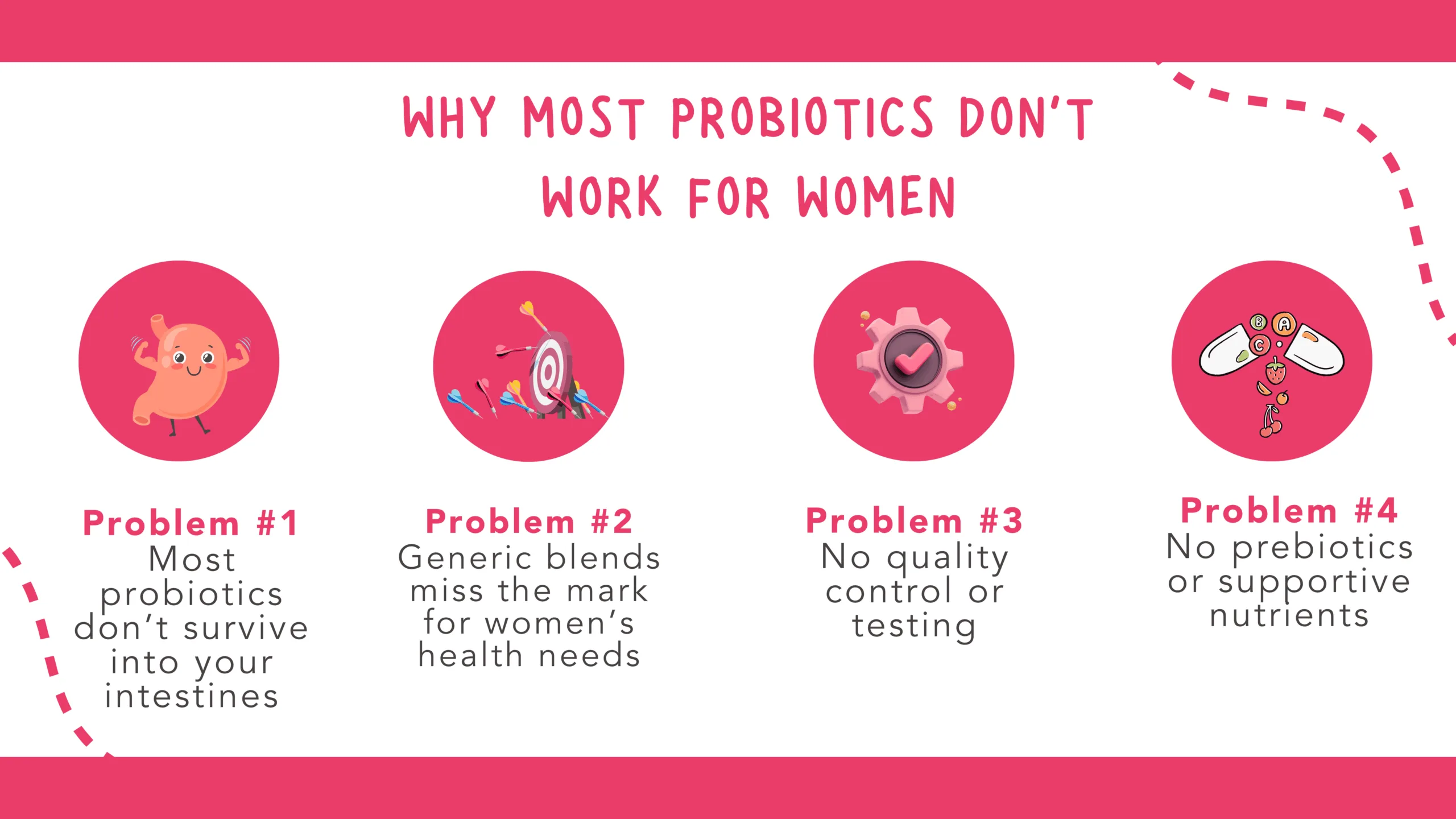
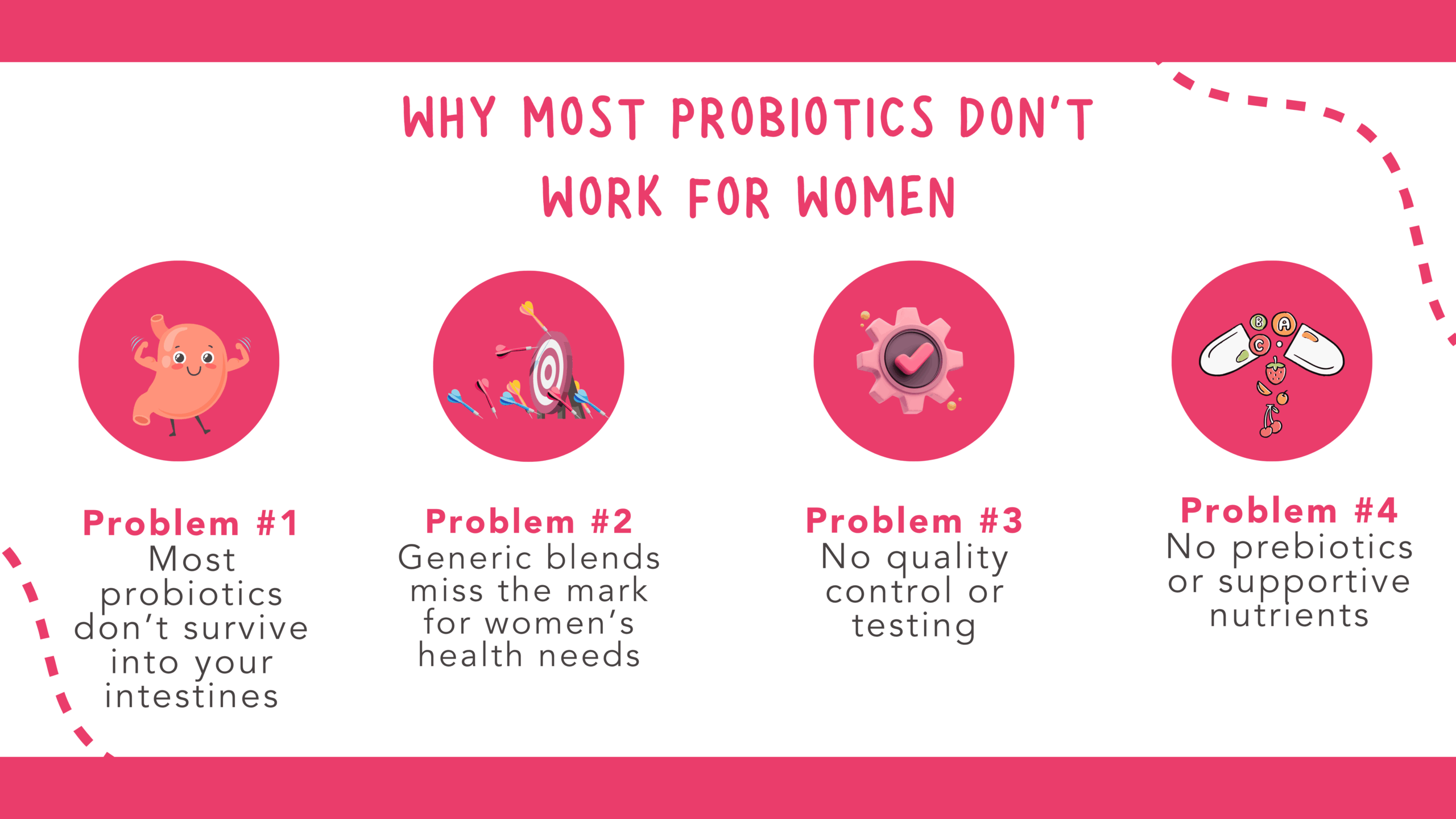
As the "Mama Natural" model suggests, the future of the industry lies in formulas that are "clean," potent, and biologically relevant. By addressing the four major pitfalls of traditional supplements—poor survivability, generic blending, lack of quality control, and the absence of prebiotics—the next generation of probiotics aims to deliver on the long-standing promises of improved digestion, immune resilience, and systemic balance for women worldwide. The transition from general wellness products to targeted therapeutic tools marks a turning point in how the female microbiome is managed in the 21st century.
