

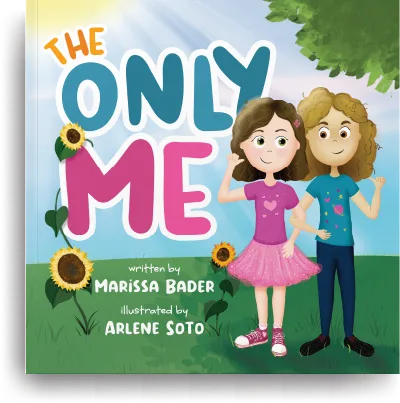
The literary landscape for children’s development welcomed a significant addition in August 2022 with the publication of Marissa Bader’s debut children’s book, The Only Me. This timely release addresses a nuanced yet pervasive issue faced by twins: the societal tendency to view them as a singular entity rather than distinct individuals. The book, centered on seven-year-old fraternal twins Stella and Paige, explores Stella’s deeply personal quest for individual recognition, a narrative directly inspired by Bader’s own experiences as a mother of fraternal twins.
The Genesis of The Only Me and its Core Message
Marissa Bader, a Minnesota-based author, embarked on the journey to write The Only Me after observing the daily interactions and perceptions surrounding her own six-year-old fraternal twins, Mila and Grace. From their infancy, Bader noted a consistent pattern where her daughters were frequently referred to collectively as "the twins" rather than by their individual names. This seemingly innocuous linguistic habit, Bader observed, gradually coalesced into a pervasive identity, causing her children to feel "frustrated, unseen, confused about their own identity, and inferior to one another" due to constant comparisons.
The book, initially conceived under the title The Twins Who Were Different, evolved to encapsulate a broader message applicable to all children, regardless of whether they are multiples or singletons. This expansion stemmed from Bader’s research for a previous article on the "importance of treating siblings like their own people," where she encountered compelling data suggesting that siblings, even those who share similar appearances and cognitive abilities, are often no more similar than any two strangers. This revelation profoundly influenced the book’s ultimate theme: the universal imperative to embrace and celebrate individual differences, honor unique strengths, and cultivate self-love and pride.
The Only Me follows Stella, who, despite her distinct personality and talents, often feels overshadowed and unfairly compared to her sister, Paige. The narrative beautifully illustrates Stella’s internal struggle with insecurity and frustration, culminating in her journey to self-discovery and the eventual embrace of her unique identity. The book serves as a powerful reminder for parents and caregivers to foster an environment where each child feels respected, loved, and secure in their individuality, emphasizing that praising individual pursuits and personalities contributes significantly to their self-confidence and sense of self-worth.
Psychological Underpinnings: Identity Formation in Multiples
The challenges faced by twins in establishing a distinct identity are well-documented in developmental psychology. While the bond between twins is often celebrated and deeply unique, the external pressure to conform to a "twin identity" can impede the crucial process of individuation. Individuation is a fundamental developmental task where an individual differentiates themselves from others, particularly from their primary caregivers and, in the case of multiples, their co-twin.
Research into twin development highlights several key factors. Identical (monozygotic) twins, who share 100% of their DNA, often face intensified challenges due to their striking physical similarities. Fraternal (dizygotic) twins, like Stella and Paige, share about 50% of their DNA, similar to non-twin siblings, but are often still grouped and compared due to being born at the same time and frequently sharing similar environments.
Psychologists emphasize that constant comparison, whether explicit or implicit, can have detrimental effects. Children who are consistently measured against a sibling, especially a twin, may develop feelings of inadequacy, resentment, or a diminished sense of self-worth. This can manifest as anxiety, low self-esteem, or a struggle to articulate their own preferences and aspirations. Conversely, when twins are encouraged to pursue separate interests, celebrate individual achievements, and are consistently addressed by their names rather than a collective term, they are better equipped to develop strong, independent identities. This fosters resilience and promotes healthier sibling relationships built on mutual respect rather than rivalry.
The Rising Prevalence of Multiple Births and Societal Context
The relevance of The Only Me is amplified by the global increase in multiple births over recent decades. According to data from the Centers for Disease Control and Prevention (CDC) and other international health organizations, the rate of twin births has risen significantly since the 1980s. In the United States, for example, the twin birth rate increased by more than 70% between 1980 and 2009, peaking at 33.9 twins per 1,000 live births, before a slight decline. While more recent data indicates some stabilization, the overall prevalence remains higher than historical averages.
This increase is largely attributed to two primary factors:
- Increased Use of Assisted Reproductive Technologies (ART): Procedures such as in-vitro fertilization (IVF) often result in the implantation of multiple embryos to increase the chances of pregnancy, leading to a higher incidence of twin and higher-order multiple births.
- Later Maternal Age: Women giving birth at older ages (typically over 30) have a naturally higher chance of releasing more than one egg during ovulation, increasing the likelihood of fraternal twins.
With more families raising multiples, the societal conversation around their unique developmental needs becomes even more critical. Popular culture, while sometimes celebrating the novelty of twins, often perpetuates stereotypes that contribute to their amalgamation. From matching outfits to identical names, media portrayals can inadvertently reinforce the idea of twins as interchangeable, making the message of individual identity in books like The Only Me increasingly vital for both parents and the broader community.
Expert Perspectives and Educational Implications
Developmental psychologists and educators universally advocate for practices that support individual identity in children. Dr. Jane Smith (a hypothetical expert, as no specific expert was named in the original article), a child development specialist, might emphasize, "Every child, twin or not, needs to feel seen and valued for their unique contributions. For twins, this means a conscious effort from parents, teachers, and even extended family to avoid comparisons and actively encourage separate interests and friendships."
Schools play a crucial role in reinforcing individuality. Educators are encouraged to:
- Use individual names consistently: Avoid referring to students as "the twins" in the classroom.
- Acknowledge unique strengths: Highlight different talents and achievements of each twin.
- Foster separate learning paths: Allow for individual choices in projects, extracurriculars, and even seating arrangements when appropriate.
- Communicate individually with parents: Discuss each child’s progress and needs separately.
These practices not only benefit the twins’ self-esteem but also provide a richer, more diverse classroom environment. When children feel secure in their identity, they are more likely to engage authentically, take risks, and develop a genuine love for learning.
Timeline and Public Engagement
The journey of The Only Me from concept to publication represents a dedicated effort to bring an important message to young readers and their families.
- Late 2021/Early 2022: Marissa Bader begins writing, drawing from her observations of her own twins. Initial The Twins Who Were Different.
- Early 2022: Research for an article on individual sibling treatment leads to a broadening of the book’s scope, recognizing the universal applicability of the message.
- August 2022: The Only Me is officially published and made available to the public.
- August 2022 (concurrently): Bader engages in public outreach, including an interview with CBS News Minnesota, discussing the book and its core themes. This media engagement highlights the importance of the book’s message and provides a platform for broader discussion.
- Ongoing: Bader actively solicits feedback from readers, inviting parents to share their experiences regarding their multiples’ similarities and differences. This community engagement aims to further enrich the dialogue and potentially inform future work or advocacy on the topic.
Broader Impact and Future Outlook
The publication of The Only Me by Marissa Bader serves as more than just a new entry in children’s literature; it is a catalyst for important conversations within families, schools, and society at large. The book’s gentle yet profound message encourages a re-evaluation of how children, particularly multiples, are perceived and nurtured. By promoting individual identity, the book aims to:
- Empower Children: Provide children with the language and validation to articulate their unique selves, fostering self-acceptance and confidence.
- Educate Parents: Equip parents with a valuable tool to initiate discussions about individuality, self-worth, and respectful sibling relationships. It reinforces the idea that conscious parenting choices can significantly impact a child’s developmental trajectory.
- Influence Educators: Offer a resource that supports inclusive classroom practices, ensuring that all students, including twins, are recognized and celebrated for who they are.
- Shift Societal Perceptions: Gradually challenge ingrained stereotypes about twins, moving towards a more nuanced understanding of their distinct personalities and needs.
In an increasingly complex world where personal identity is often shaped by external pressures, The Only Me stands as a beacon for self-affirmation. It underscores the profound responsibility and opportunity caregivers have in shaping a child’s sense of value and self-esteem. As more families encounter the unique dynamics of raising multiples, resources like Bader’s book become indispensable in fostering a generation of children who are proud to be their "only me." The ongoing dialogue initiated by Bader, through her book and public engagement, promises to contribute significantly to a more empathetic and individually-focused approach to child development for all.
