

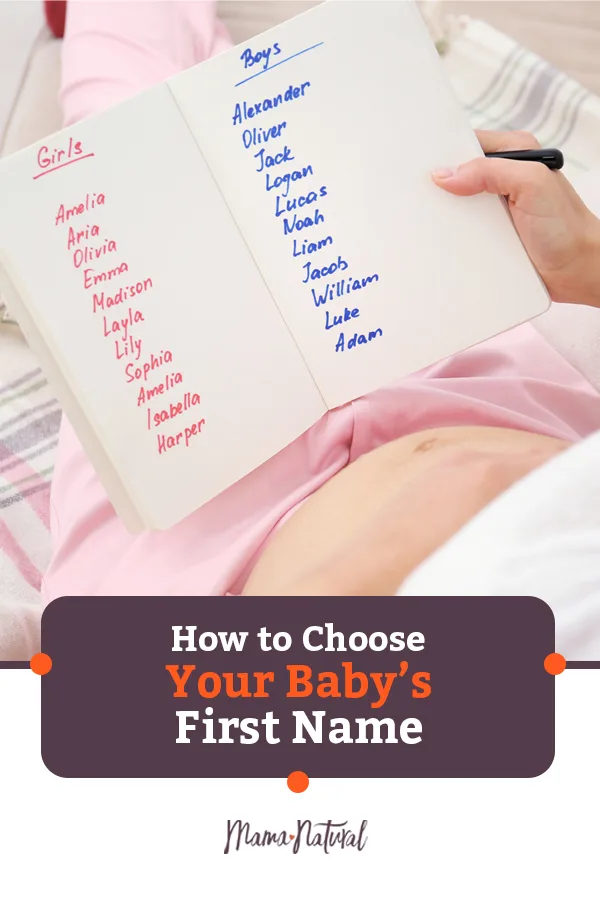
The selection of a child’s first name represents one of the earliest and most enduring decisions parents make, functioning as a permanent gift that shapes an individual’s identity and social interactions. While the process is often viewed as a joyous milestone, it frequently carries significant psychological pressure and social weight. Recent data suggests that the naming process has become increasingly complex in the digital age, as parents navigate a landscape of global influences, cultural heritage, and the desire for uniqueness. According to the United States Social Security Administration (SSA), which tracks naming trends through birth certificate registrations, the diversity of names has expanded significantly over the last two decades. In the 1950s, the top ten most popular names accounted for a large percentage of total births; today, that percentage has dwindled as parents seek more distinctive options for their children.
The Evolution of the Naming Process: A Chronological Approach
The timeline for selecting a baby name varies significantly across different cultures and individual family units. For many, the process begins long before conception, rooted in familial traditions or long-held personal preferences. For others, the search intensifies during the second trimester of pregnancy, often coinciding with the revelation of the baby’s biological sex.
In the initial phase, most experts recommend establishing a foundational agreement between partners. This involves identifying specific "wants and needs" to narrow the vast field of possibilities. Foundational discussions typically center on whether the name should be traditional or modern, the importance of honoring ancestors, and the desired level of popularity. Sociological studies indicate that names often reflect the parents’ aspirations and their perception of social standing. By setting these parameters early, parents can avoid the "decision fatigue" that often occurs in the later stages of pregnancy.
Data-Driven Inspiration and Popularity Trends
Modern parents have moved beyond traditional "baby name books," utilizing digital databases and algorithmic tools to find inspiration. The SSA’s annual release of the most popular baby names provides a critical benchmark for these decisions. For instance, names such as Liam and Olivia have maintained dominance in the United States for several consecutive years, reflecting a broader trend toward soft consonants and vowel-heavy structures.
However, a counter-trend has emerged where parents intentionally avoid the "Top 100" list to ensure their child stands out in a classroom setting. This has led to a surge in "nature-inspired" names (such as Wren, River, or Willow) and "occupational" surnames used as first names (such as Harper, Mason, or Carter). Furthermore, the "100-year rule"—a linguistic phenomenon where names that were popular a century ago, such as Eleanor or Theodore, cycle back into fashion—remains a dominant force in current naming conventions.
To assist in this search, many digital platforms now offer "Surprise Me" features or randomized generators. These tools are designed to break "cognitive loops" where parents find themselves repeatedly considering the same small pool of names, thereby introducing them to linguistic origins or phonetic patterns they might not have otherwise considered.
Linguistic and Cultural Diversity in Naming
As the world becomes more interconnected, the boundaries of naming origins have become increasingly fluid. There is a growing trend of parents "stepping outside the box" by exploring international origins. This is not merely an aesthetic choice but often a reflection of a family’s multicultural identity or a desire to bestow a name with a specific etymological meaning.
For example, while a parent might be drawn to the floral connotations of the name Lily, they may opt for the Polynesian name Leilani (meaning "heavenly flower") to achieve a similar sentiment with a more unique phonetic profile. Similarly, the exploration of meanings allows parents to select names that convey specific virtues. Research into onomastics—the study of names—suggests that names carrying meanings of "strength" (such as Ethan or Matilda) or "peace" (such as Salma or Irene) are consistently popular across various languages. This "meaning-first" approach provides a layer of symbolic significance that many parents find essential for a first name.
Phonetic Compatibility and the Surname Factor
A critical, yet often overlooked, aspect of naming is the phonetic relationship between the first name and the surname. Linguists suggest that the "flow" of a full name is determined by syllable counts and the transition between consonant sounds. A common guideline used by naming consultants is to avoid "clashing" sounds, such as a first name ending in the same letter that the surname begins with (e.g., "Thomas Smith").

Parents are encouraged to consider several practical questions during this phase:
- Does the name sound harmonious when spoken aloud?
- Are the initials likely to form unintended or embarrassing acronyms?
- Is the name easily pronounceable and spellable, or will the child face a lifetime of corrections?
Testing a name in real-world scenarios—often referred to as the "Starbucks Test" or the "Shout Test"—allows parents to gauge their comfort level with the name before it becomes legal. By hearing the name called in a public space or visualizing it on a professional resume, parents can assess whether the name possesses the necessary versatility to serve the child from infancy through adulthood.
Conflict Resolution and the Psychology of Agreement
Disagreements between partners regarding baby names are common and can become a source of significant stress. Psychologists suggest that naming conflicts often mirror deeper differences in values or aesthetic tastes. To resolve these "naming feuds," experts recommend several strategies:
- The Veto List: Each partner is given a set number of "vetoes" that can be used to permanently remove a name from the other’s list.
- The Middle Name Compromise: Using a partner’s favorite name in the middle position can satisfy the desire for that name without it being the primary identifier.
- The Bracket System: Similar to a sports tournament, parents can pit names against each other in a series of "rounds" until a winner emerges.
These methods move the decision-making process from an emotional debate to a structured system, fostering compromise and ensuring that both parents feel a sense of ownership over the final choice.
Broader Impacts: The Societal Implications of a Name
The implications of a first name extend far beyond personal preference. Academic research has frequently highlighted the existence of "name bias" in various sectors of society. A landmark study by the National Bureau of Economic Research (NBER) found that resumes with names perceived as "traditional" or "white-sounding" received more callbacks than those with names perceived as "ethnic" or "unique," even when qualifications were identical.
While society is moving toward greater inclusivity, these findings underscore the weight of the naming decision. Parents today must balance the desire for a unique, identity-affirming name with the practical reality of how that name might be perceived in professional and social institutions. This has led to the rise of "cross-over names"—names that are unique enough to be distinctive but traditional enough to be easily recognized and respected in institutional settings.
Privacy, Disclosure, and Finality
The final stage of the naming process involves the decision of when to announce the choice. Some parents choose to reveal the name during the pregnancy to build a sense of connection with the unborn child among family and friends. Others opt for strict privacy until the birth, often to avoid unsolicited opinions or "name theft" within their social circles.
The pressure to reveal a name can be intense, particularly in the age of social media "gender reveals" and "name announcements." However, naming experts advise that keeping the name private can protect the parents’ decision-making process from external influence. Ultimately, there is no legal or social requirement to finalize a name until the birth certificate is filed, allowing parents the flexibility to "meet" their baby before confirming the name that will follow them for the rest of their lives.
In conclusion, selecting a baby name is a multi-faceted process that requires a balance of emotional resonance, linguistic harmony, and social foresight. By utilizing data, exploring diverse origins, and employing structured decision-making strategies, parents can navigate this significant milestone with confidence, ensuring they provide their child with a name that is both a source of pride and a functional tool for their future.
