

A groundbreaking approach is offering new hope for millions of women suffering from postpartum conditions such as diastasis recti and umbilical hernias, traditionally thought to require surgical intervention. This non-surgical method, centered around targeted core exercises, has demonstrated significant success in repairing abdominal separation and related complications, challenging long-held medical conventions and offering an accessible, at-home alternative to costly and invasive procedures. The development represents a notable shift in the understanding and management of these prevalent postpartum health issues.
Understanding Diastasis Recti and Umbilical Hernia
![Diastasis Recti Before And After [Without Surgery] | Lucies List](https://www.lucieslist.com/wp-content/uploads/2024/03/umbilical-hernia.jpeg)
Diastasis recti abdominis (DR), commonly referred to as "mommy pooch," is a condition characterized by the separation of the rectus abdominis muscles (the "six-pack" muscles) along the linea alba, the connective tissue that runs down the midline of the abdomen. This separation is a natural consequence of pregnancy, as the uterus expands and places considerable pressure on the abdominal wall. While for many women the abdominal muscles naturally close back together within the first few months postpartum, a significant percentage experience persistent separation. Data from the National Institute of Health (2021) indicates that approximately 33% of women, and 39% of those over 35, continue to have DR 12 months after childbirth. The prevalence of DR can be as high as 60% during pregnancy and 30-70% in the immediate postpartum period.
Beyond cosmetic concerns, DR is a clinical condition linked to a spectrum of debilitating symptoms that severely impact a woman’s quality of life. These include chronic lower back pain, often resulting from weakened core support, pelvic floor dysfunction leading to urinary incontinence (e.g., urine leaks from coughing or sneezing), constipation, and even pain during sexual intercourse. If left unaddressed, severe DR can contribute to a weakening of the abdominal wall, increasing the risk of more serious complications, most notably umbilical hernia.
An umbilical hernia occurs when intra-abdominal contents, such as fat or a loop of intestine, protrude through a weak spot in the abdominal wall near the navel. This weakness is often exacerbated by the strain on the linea alba caused by diastasis recti. While common in newborns, umbilical hernias in adults, particularly postpartum women, can be painful and carry risks of incarceration or strangulation, where the protruding tissue becomes trapped or its blood supply is cut off, respectively. Such complications necessitate urgent medical attention and often surgical repair. The transition from an "innie" to a noticeable "outtie" navel is a common physical manifestation of an umbilical hernia.
![Diastasis Recti Before And After [Without Surgery] | Lucies List](https://www.lucieslist.com/wp-content/uploads/2024/03/diastasis-recti-check-1024x682.jpg)
The Traditional Medical Paradigm: Surgical Interventions
Historically, the medical community has often viewed severe cases of diastasis recti and umbilical hernias as conditions requiring surgical intervention. For DR, the primary surgical solution is abdominoplasty, commonly known as a "tummy tuck." This procedure involves excising excess skin and fat and surgically stitching the separated rectus abdominis muscles back together. While effective cosmetically and in restoring abdominal wall integrity, it is a major surgery with significant recovery time, risks, and substantial costs, often considered elective and therefore not fully covered by insurance unless specific functional impairments are severe.
For umbilical hernias, surgical repair typically involves either stitching the weakened abdominal wall opening closed (herniorrhaphy) or reinforcing it with a synthetic mesh (hernioplasty). In cases where DR coexists with an umbilical hernia, surgeons often recommend addressing the DR first. The rationale is that if the underlying abdominal muscle separation is not corrected, the continued pressure on the weakened connective tissue could lead to the failure of a hernia repair, particularly if mesh is used.
![Diastasis Recti Before And After [Without Surgery] | Lucies List](https://www.lucieslist.com/wp-content/uploads/2024/03/diastasis-recti-before-and-after-1024x763.jpg)
A significant consideration for many women contemplating surgery is the possibility of future pregnancies. Surgeons often advise against abdominoplasty or hernia repair if a woman plans to have more children, as subsequent pregnancies can re-damage the surgically repaired muscles or hernia site. This dilemma leaves many women in a state of uncertainty, enduring chronic pain and discomfort while deferring treatment. The personal account of a patient navigating a diagnosis of a 4 cm abdominal gap and an umbilical hernia exemplifies this predicament, where a GI surgeon indicated a "tummy tuck" might be required before hernia repair, with the caveat that future pregnancies could compromise the outcome. This scenario highlights the need for effective, non-invasive alternatives that empower women without forcing difficult choices about family planning.
The Emergence of a Non-Surgical Solution: Every Mother Program
A paradigm shift in treating these conditions began to gain traction with the development of targeted exercise programs. One such program, championed by Leah Keller, CEO of Every Mother, has emerged as a scientifically validated non-surgical cure. Keller’s approach is rooted in a specific exercise methodology designed to engage and strengthen the deep transverse abdominis (TVA) muscle, which acts as a natural corset for the abdomen. This method, often referred to as "core compression breathing," focuses on proper breathwork and isometric contractions to gradually draw the separated abdominal muscles back together and reinforce the linea alba.
![Diastasis Recti Before And After [Without Surgery] | Lucies List](https://www.lucieslist.com/wp-content/uploads/2024/03/umbilical-hernia-anatomy.jpeg)
The effectiveness of this program was notably highlighted in an NPR segment titled "Flattening The ‘Mummy Tummy’ With 1 Exercise, 10 Minutes A Day." The segment brought widespread attention to Keller’s work, emphasizing that certain traditional core exercises, like crossover crunches, can paradoxically worsen diastasis recti and contribute to hernia development by increasing intra-abdominal pressure. In contrast, the Every Mother program prescribes a regimen of exercises tailored to address core and pelvic floor needs across various life stages, including postpartum and during pregnancy. The promise of closing diastasis recti in as little as 12 weeks with just "ten minutes a day" at home, with minimal equipment, captivated many, including those facing the prospect of surgery.
Documented Success and Clinical Validation
The program’s efficacy is not merely anecdotal. It is supported by significant clinical validation and peer-reviewed research. A pilot study involving 63 women in 2014, published in peer-reviewed journals, reported that 100% of participants fully resolved their diastasis recti within an average of 11.25 weeks by following the Every Mother program. Further studies, including collaborations with the Hospital for Special Surgery, have continued to provide "tremendous clinical validation" for its methodology.
![Diastasis Recti Before And After [Without Surgery] | Lucies List](https://www.lucieslist.com/wp-content/uploads/2024/03/postpartum-belly-with-diastasis-recti-and-hernia-1024x684.jpg)
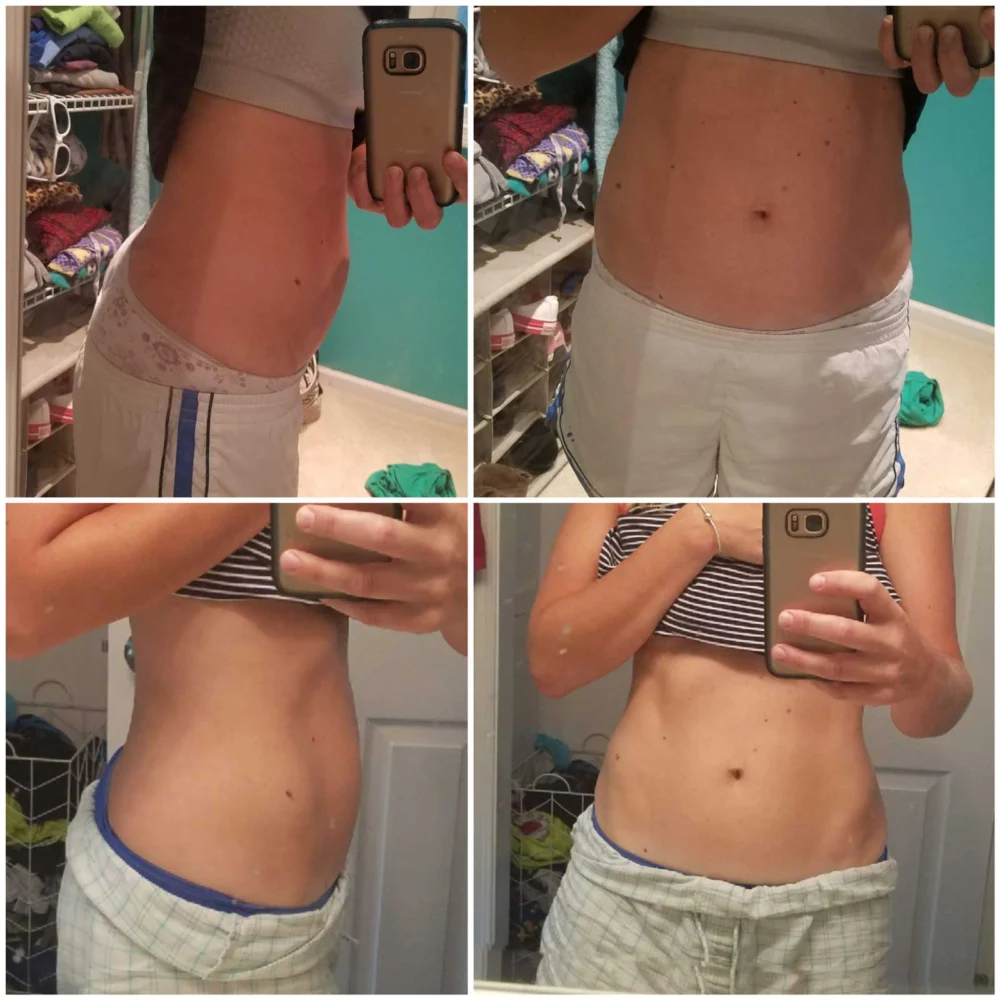
A compelling case study illustrates the program’s real-world impact. A woman diagnosed with a 4 cm abdominal gap and an umbilical hernia, having struggled with persistent postpartum symptoms like lower back pain, constipation, and urinary incontinence after two C-sections, turned to the Every Mother program as an alternative to impending surgery. Her journey unfolded as follows:
- Initial Engagement (Weeks 1-2): Despite initial skepticism about correctly engaging the deep transverse abdominis, daily 8-10 minute breathing workouts led to noticeable muscle soreness, indicating activation. The program provided clear instructions, akin to having a personal physical therapist, emphasizing exercises that heal rather than exacerbate DR.
- Turning Point (Week 3 / Day 21): After 21 days, a measurement check revealed a significant improvement: the diastasis had shrunk by 2 cm, and inches were lost from the waist. Symptoms of soreness diminished, replaced by a growing sense of core strength, improved breathing, and increased daily energy and balance.
- Continued Progress (Weeks 4-5): The program became an integral part of her routine. Adding suggested workouts to the core breathing, she observed further improvements, including the complete resolution of lower back pain and a significant reduction in urinary incontinence. Her confidence in the gap closing grew steadily.
- Full Resolution (Day 62): Remarkably, within 62 days – less than three months – her diastasis recti was officially closed. This achievement was accomplished without the need for a tummy tuck, without significant financial investment in personal trainers or gym memberships, and crucially, without the concern of further injuring her hernia or risking compromised blood supply.
Sustained Results Through Subsequent Pregnancy
Perhaps the most compelling testament to the program’s effectiveness came with a subsequent pregnancy. Months after closing her diastasis, the individual became pregnant with her third child. By switching to the "pregnancy" workout path within the Every Mother app, which adjusts routines to minimize strain on the linea alba and promote strength for labor, she experienced a healthy pregnancy with less back pain and an easier recovery.
![Diastasis Recti Before And After [Without Surgery] | Lucies List](https://www.lucieslist.com/wp-content/uploads/2024/03/diastasis-recti-before-and-after-transformation-1024x1024.jpg)
During her 8-week postpartum visit, her gynecologist was reportedly "baffled" to discover that her diastasis not only remained closed but had done so after a subsequent pregnancy, a feat often considered challenging even after surgical repair. This sustained success prompted the OBGYN practice to begin recommending the Every Mother program to all their patients, regardless of their current stage of childbirth, signaling a significant endorsement from the medical community.
Broader Implications and Accessibility
The success of non-surgical programs like Every Mother carries profound implications for women’s health and healthcare systems. Firstly, it offers an accessible and affordable solution to a widespread problem. With plans starting at a modest monthly fee, it democratizes access to effective postpartum recovery, eliminating barriers of cost, geographical location, and the need for specialized equipment or in-person appointments. This is particularly vital for mothers of young children, who often face time and logistical constraints in seeking traditional physical therapy or surgical consultations.
![Diastasis Recti Before And After [Without Surgery] | Lucies List](https://www.lucieslist.com/wp-content/uploads/2024/03/before-and-after-diastasis-recti-pictures-1024x1024.jpg)
Secondly, it empowers women to take an active role in their own recovery, fostering a sense of control and body awareness. By understanding how to engage deep core muscles and perform specific exercises, women can proactively heal their bodies and prevent future complications. Leah Keller emphasizes this empowerment, stating, "Your body is resilient. Your body wants to get better. It starts with awareness. Everyone deserves affordable access to this information and to know how our body works."
The program’s focus on functional restoration rather than purely cosmetic outcomes also aligns with a more holistic view of postpartum care. By addressing core strength and pelvic floor health, it tackles the root causes of many postpartum symptoms, leading to improvements in overall well-being, mobility, and confidence. The "never too late" aspect, evidenced by an 82-year-old woman successfully closing her diastasis, underscores the universal applicability and enduring benefits of this approach.
This non-surgical path represents a significant advancement, offering a beacon of hope for countless women who have felt overlooked or limited by traditional medical options. It highlights a growing recognition within the medical community of the power of targeted exercise and physiological understanding in resolving complex postpartum conditions, paving the way for more integrated and patient-centric healthcare models.
