

The human gut microbiome, a complex ecosystem of trillions of microorganisms residing in the digestive tract, has emerged as a cornerstone of systemic health in modern medical research. Often referred to by scientists as the "second brain" or a "forgotten organ," the microbiome influences everything from metabolic rate to neurological function. When this delicate balance of beneficial and pathogenic bacteria is disrupted—a state known as dysbiosis—the body emits a series of physiological signals. While some symptoms are localized to the digestive tract, others manifest as systemic issues, including cognitive impairment and dermatological flare-ups. Identifying these signs is the first step toward clinical intervention and lifestyle modification aimed at restoring internal equilibrium.
The Scientific Framework of Gut Health
To understand the implications of an imbalanced gut, one must first recognize the scale of the microbiome’s influence. The human body contains roughly 30 trillion human cells, yet it is host to an estimated 39 trillion microbial cells. These microbes facilitate the digestion of complex carbohydrates, synthesize essential vitamins such as B12 and K, and serve as the primary training ground for the adaptive immune system.
Historically, gastrointestinal health was viewed through a narrow lens of digestion. However, the completion of the Human Microbiome Project (HMP) in 2012, a major initiative by the National Institutes of Health (NIH), catalyzed a shift in the medical community. The project provided a comprehensive baseline of microbial diversity in healthy individuals, allowing researchers to correlate specific bacterial deficiencies with chronic diseases. Today, the medical consensus recognizes that the gut is not merely a processing plant for nutrients but a central hub for hormonal regulation and immune defense.
Seven Primary Indicators of Microbial Imbalance
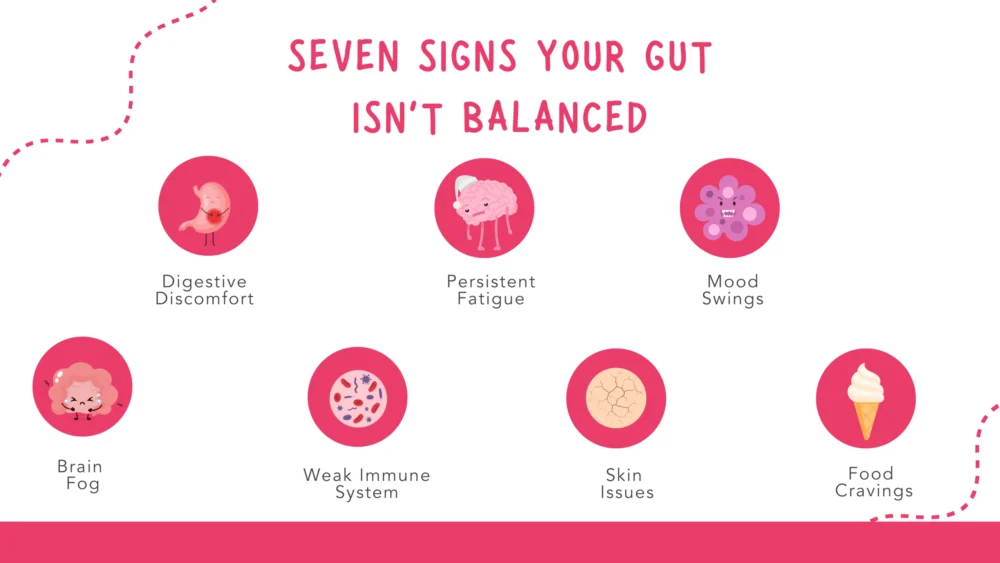
Clinical observations and patient data have identified seven recurring symptoms that frequently correlate with gut dysbiosis. These indicators serve as a diagnostic roadmap for both healthcare providers and individuals seeking to optimize their well-being.
1. Persistent Digestive Dysfunction
The most direct evidence of an unhealthy gut is chronic digestive distress. This includes frequent bloating, gas, constipation, and diarrhea. When the microbiome lacks the diversity required to break down specific food groups, undigested matter ferments in the colon, leading to the production of excess gas and inflammation. Research indicates that an overgrowth of harmful bacteria in the small intestine (SIBO) can significantly impair the body’s ability to eliminate waste efficiently, leading to a cycle of discomfort and nutrient malabsorption.
2. Chronic Fatigue and Mitochondrial Stress
A growing body of evidence links gut health to energy levels. Chronic fatigue is often a byproduct of a compromised gut lining, which allows metabolic toxins to enter the bloodstream, triggering a low-grade systemic inflammatory response. This inflammation can impair mitochondrial function—the "powerhouses" of the cells—reducing the body’s ability to produce adenosine triphosphate (ATP). A 2016 study published in Journal of Nature and Science found that approximately 60% of patients diagnosed with irritable bowel syndrome (IBS) also reported persistent fatigue, suggesting a profound link between intestinal motility and systemic energy.
3. The Gut-Brain Axis and Emotional Volatility
One of the most significant discoveries in recent decades is the gut-brain axis, a bidirectional communication network linked by the vagus nerve. The gut is responsible for producing approximately 95% of the body’s serotonin, a key neurotransmitter involved in mood regulation. Only 5% is synthesized in the brain. Consequently, an imbalanced microbiome can lead to "neuro-inflammation," manifesting as heightened anxiety, depression, or frequent mood swings. When the microbial population is skewed, the production of these neurochemicals is disrupted, directly impacting emotional stability.
4. Microbial Hijacking and Food Cravings
Cravings for sugar and highly processed carbohydrates are often not a matter of willpower but a result of microbial manipulation. Certain yeast species and pathogenic bacteria thrive on simple sugars. These organisms can release signaling molecules into the gut-brain axis that alter taste receptors and induce cravings to ensure their own survival. This creates a feedback loop where poor diet feeds harmful bacteria, which in turn demand more of the substances that further degrade the microbiome.
5. Dermatological Manifestations
The "gut-skin axis" describes the relationship between intestinal health and skin clarity. Conditions such as eczema, rosacea, and acne are frequently rooted in "leaky gut" syndrome, or increased intestinal permeability. When the gut barrier is weakened, pro-inflammatory cytokines circulate throughout the body and are often expelled through the skin, the body’s largest organ of elimination. Clinical trials have shown that patients who improve their gut diversity often see a significant reduction in inflammatory skin conditions.
6. Immune System Vulnerability
It is estimated that 70% to 80% of the human immune system is located within the Gut-Associated Lymphoid Tissue (GALT). The microbiome acts as a gatekeeper, teaching immune cells to distinguish between harmless food proteins and dangerous pathogens. When the gut is out of balance, the immune system may become overactive (leading to autoimmune issues) or underactive (leading to frequent infections). Individuals who find themselves frequently ill often harbor a microbiome that lacks the "good" bacteria necessary to stimulate a robust immune response.
7. Cognitive Impairment and "Brain Fog"
"Brain fog"—characterized by confusion, forgetfulness, and a lack of mental clarity—is increasingly recognized as a symptom of gut dysbiosis. The metabolic byproducts of certain harmful bacteria, such as lipopolysaccharides (LPS), can cross the blood-brain barrier when the gut is inflamed. These toxins trigger inflammation in the brain’s microglial cells, slowing down cognitive processing and making it difficult to maintain focus.
Chronology of Gut Health Evolution in Modern Medicine
The transition from viewing the gut as a simple tube to a complex endocrine organ has occurred over several key milestones:
- 1900s: Nobel laureate Élie Metchnikoff proposes that consuming fermented milk could "prolong life" by replacing putrefactive bacteria in the gut.
- 2007: The NIH launches the Human Microbiome Project, mapping the microbial makeup of the human body for the first time.
- 2013: Breakthrough studies on fecal microbiota transplants (FMT) demonstrate that "resetting" the microbiome can cure life-threatening infections like C. difficile.
- 2020-Present: The rise of "Nutritional Psychiatry" as a formal field, utilizing probiotics and dietary changes to treat mental health disorders.
Strategic Interventions for Microbiome Restoration
Restoring a compromised microbiome requires a multi-faceted approach involving dietary shifts, hydration, and targeted supplementation.
The Role of Dietary Fiber and Prebiotics
Fiber is the primary fuel source for beneficial bacteria. In particular, prebiotic fibers—found in garlic, onions, leeks, and exotic sources like the African baobab fruit—pass through the upper digestive tract undigested to feed the microbes in the colon. The baobab fruit, for instance, is exceptionally high in soluble fiber and antioxidants, providing a potent substrate for the growth of Bifidobacteria. Health organizations currently recommend 25 to 30 grams of fiber daily for adults, yet the average modern diet provides less than half of that amount.
Fermentation and Probiotic Inoculation
While prebiotics feed existing bacteria, fermented foods act as "inoculants," introducing new beneficial strains. Traditional foods like kimchi, sauerkraut, kefir, and kombucha contain live cultures that can temporarily colonize the gut and produce short-chain fatty acids (SCFAs) like butyrate, which heal the intestinal lining.
Targeted Supplementation for Women’s Health
Clinical research suggests that women have unique microbiome needs due to hormonal fluctuations. Probiotic strains such as Lactobacillus rhamnosus and Lactobacillus reuteri have been specifically studied for their ability to support both the digestive tract and the vaginal microbiome. High-quality supplements should ideally be "shelf-stable" and "acid-resistant" to ensure the bacteria survive the journey through the stomach’s harsh acidic environment.
Broader Implications and Economic Impact
The implications of widespread gut dysbiosis extend beyond individual health to public policy and economics. Gastrointestinal disorders are among the leading causes of workplace absenteeism and healthcare expenditures globally. According to the American Gastroenterological Association, digestive diseases cost the United States more than $136 billion annually in direct medical costs.
Furthermore, the rise of processed food "deserts" in urban areas has led to a documented decline in microbial diversity across entire populations. Public health experts are now advocating for "microbiome-conscious" urban planning and food policy, recognizing that a diverse gut is a prerequisite for a resilient society.
Conclusion: The Future of Preventative Medicine
The shift toward gut-centric health represents a new frontier in preventative medicine. By paying attention to the "whispers" of the body—the bloating, the fatigue, and the mental fog—individuals can take proactive steps to mend their internal ecosystems. As science continues to unravel the complexities of the gut-brain-immune axis, the focus of healthcare is likely to move away from treating isolated symptoms and toward the cultivation of a thriving, diverse microbial landscape. The restoration of the gut is not merely about digestive comfort; it is an essential investment in long-term cognitive, emotional, and physical vitality.
