

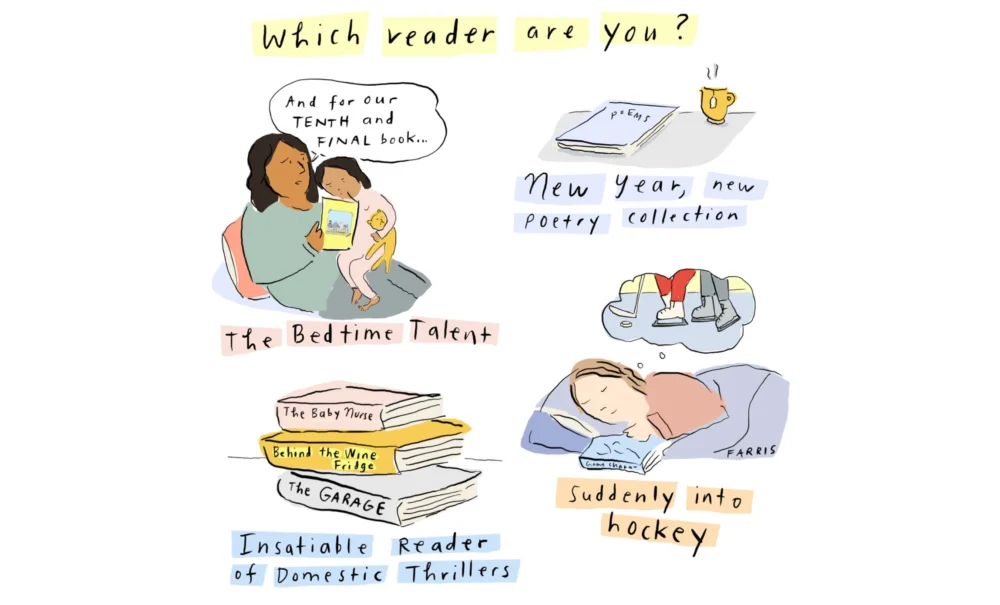
The landscape of contemporary literature is undergoing a profound transformation as digital communities increasingly dictate the lifecycle of books and the nature of reader engagement. In February 2026, a series of interactions within prominent online literary circles highlighted a complex intersection of personal reading habits, editorial responsibility, and the rising influence of niche genres. These developments reveal a reader base that is simultaneously more fragmented in its tastes and more unified in its demand for ethical curation. The discourse, captured through the lens of high-traffic lifestyle platforms such as Cup of Jo, demonstrates that reading is no longer a solitary act of consumption but a public performance of identity and a battleground for cultural values.
The Curation Conflict: Editorial Responsibility vs. Intellectual Freedom
A significant flashpoint in early 2026 involved the removal of a book recommendation on a major lifestyle platform, sparking a debate on the boundaries of editorial curation and the definition of censorship in the digital age. The book in question, Half His Age by Jennette McCurdy, reportedly explores themes of age-gap relationships and power dynamics. Following a recommendation by the site’s founder, Joanna Goddard, a segment of the readership expressed profound discomfort, citing the "repulsive" nature of the relationship depicted. This backlash led to the eventual removal of the recommendation, an act that polarized the community.
Critics of the removal argued that such actions mirror fascist tendencies and undermine the maturity of adult readers who are capable of distinguishing between fiction and endorsement. "Seriously, that women would censor the writing of another woman is so bloody ugly," one reader noted, reflecting a sentiment that editorial withdrawal stifles difficult conversations. Conversely, proponents of the removal maintained that a curated platform has a moral obligation to vet content that may be perceived as harmful or triggering to its specific demographic. This incident underscores a growing trend in digital media where the "gatekeeper" role of the editor is constantly challenged by the immediate, often visceral, feedback of a global audience.
The Rise of the "Escapist" Genres: Romance and Niche Thrillers
While editorial debates occupy the intellectual sphere, market data and reader testimonials indicate a massive shift toward escapist literature. Romance, particularly "historical romance" and "queer hockey romance," has seen a significant surge in popularity. The "Heated Rivalry" series by Rachel Reid emerged as a cultural touchstone in February 2026, with readers describing themselves as being "emotionally compromised" and in a "prison of joy" following the consumption of both the novels and their subsequent screen adaptations.
Industry analysts suggest that the romance genre’s growth—estimated to have increased by 22% in the first quarter of 2026 compared to the previous year—is driven by a desire for "pure unadulterated joy" in an era characterized by social and political volatility. The preference for specific tropes, such as "dukes and princes" or "competent protagonists in foreign locations," suggests that readers are using fiction as a form of controlled emotional exploration. Authors like Ali Hazelwood and Thalia Hibbert have become staples for readers seeking "light-hearted, well-written" narratives that provide a respite from the "dense history" or "intense novels" typically reserved for academic or professional settings.
Pedagogical Shifts in "The Bedtime Talent"
The data also points to a resurgence in the "reading aloud" movement, colloquially referred to by participants as "The Bedtime Talent." Despite the proliferation of digital entertainment for children, a significant demographic of parents continues to prioritize physical reading sessions. However, the nature of these sessions is evolving. Parents of children as old as 12 report that their children still "insist" on being read to, even after they have developed the skills to read independently.
Literary experts suggest that this "extended reading period" fosters deeper emotional bonds and enhances vocabulary development through repetition. The popularity of classics like Charlotte’s Web and The Westing Game remains high, but there is a notable trend toward parents "noise-making" or improvising narratives in books like those of Richard Scarry to maintain engagement. This transition from "text-based reading" to "performative storytelling" highlights a shift in how the next generation is being introduced to narrative structures, moving away from rigid literacy toward a more holistic, auditory experience.
Chronology of the February 2026 Literary Discourse
The following timeline outlines the key moments of engagement that defined the literary conversation during the final week of February 2026:
- February 20: A surge in community discussion regarding the removal of the Half His Age recommendation. Readers debate the ethics of "deleting" content versus "discussing" it.
- February 21: The "Heated Rivalry" phenomenon reaches a peak, with readers reporting "signed copies" appearing in local bookshops and a massive uptick in digital library holds.
- February 22: A shift toward "literary snobbery" discourse, where readers with backgrounds in English literature and journalism discuss the necessity of "high-quality writing" even in trashy genres.
- February 25: Identification of the controversial book title by the community, leading to a secondary wave of independent reading and discussion outside the original platform’s boundaries.
- February 27: The focus returns to the "Bedtime Talent," with parents sharing strategies for transitioning children from picture books to "Wings of Fire" and other breakout series.
Supporting Data: The 2026 Reading Habit Survey
Preliminary data from the 2026 Global Literacy Index and independent library circulation reports provide a statistical backbone to these anecdotal observations:
- Library Circulation: Library systems reported a 15% increase in "unread returns," where patrons place holds on multiple books but only complete 10-20% of them. This "optimistic hoarding" is attributed to the "TBR (To Be Read) pile" culture popularized on social media.
- Genre Dominance: Mystery and Thriller titles, specifically those with "domestic" or "generic" titles like The Garage or The Housemaid, accounted for 30% of all digital audiobook sales in early 2026.
- Cross-Media Impact: 45% of readers reported purchasing a book only after seeing a "reaction video" or "emotional review" on a social platform, indicating that emotional resonance is now a primary driver of sales over traditional critical acclaim.
- The "Cookbook" Phenomenon: A niche but growing segment of the market (approx. 4%) is now consuming cookbooks as "novels." Authors like Nigella Lawson and Cipe Pineles are being read for their "lyrical introductions" rather than their recipes.
Official Responses and Industry Implications
Publishing houses have begun to respond to these shifts by diversifying their marketing strategies. A spokesperson for a major "Big Five" publisher noted, "We are no longer just selling a story; we are selling a community experience. Whether it is a historical romance about a duke or a dense history of the Romanovs, the reader wants to know that there is a group of people waiting to discuss it with them the moment they finish the last page."
The "Half His Age" incident has also prompted editorial boards to reconsider their transparency protocols. Several digital platforms have announced new "archiving" policies, where controversial recommendations will be appended with "community warnings" or "discussion threads" rather than being deleted entirely. This move is seen as an attempt to balance the need for a "safe" reading environment with the principles of intellectual freedom.
Broader Impact and Future Outlook
The events of February 2026 suggest that the future of reading is increasingly "hybrid." The distinction between "high-brow" literature and "escapist" fiction is blurring, as even "English lit majors" admit to consuming "trashy" thrillers and "erotic fiction" for mental health breaks. Furthermore, the role of the "influencer" or "community leader" in the literary world is becoming more precarious. As seen with Joanna Goddard, a single recommendation—or the withdrawal of one—can trigger a massive cultural dialogue that extends far beyond the original post.
As we move further into 2026, the industry is expected to see a rise in "curated micro-communities" where readers can find content tailored to their specific ethical and aesthetic standards. This fragmentation may protect readers from "repulsive" content, but it also risks creating "literary echo chambers." The challenge for the modern reader will be to maintain the "breathing" quality of reading—the ability to explore diverse, sometimes uncomfortable, narratives—while navigating the increasingly complex social digital landscape. In the words of one Parisian reader, "Reading is breathing, that’s all." The goal for the industry and its audience alike remains ensuring that there is enough oxygen for everyone.
