

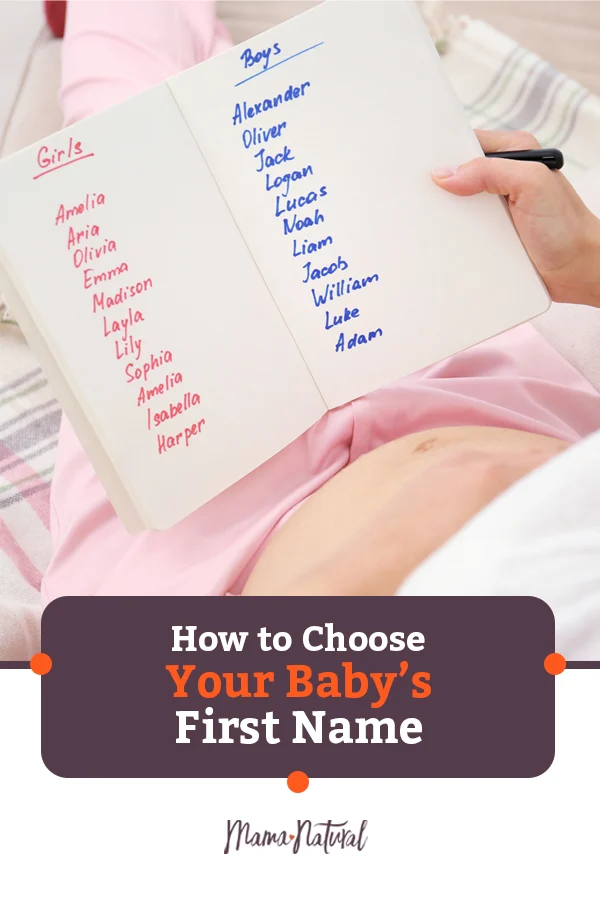
The selection of a child’s first name represents the primary civic and social identifier an individual will carry throughout their lifespan, serving as the foundational gift bestowed by parents upon their offspring. In the contemporary era, the process of naming has evolved from a traditional observance of family lineage into a complex psychological and social undertaking. While the task is inherently celebratory, a significant portion of expectant parents report experiencing substantial pressure to select a name that is simultaneously unique, culturally resonant, and phonetically harmonious. To mitigate the stressors associated with this decision, child development experts and sociologists emphasize a structured approach to selection, utilizing digital databases and empirical testing methods to ensure the chosen name aligns with the family’s long-term values and the child’s future identity.
The Shift in Naming Paradigms: From Tradition to Individuality
Historically, naming conventions in Western societies were largely dictated by religious hagiography or patrilineal tradition, with children frequently inheriting the names of parents, grandparents, or biblical figures. However, data from the Social Security Administration (SSA) indicates a profound shift over the last several decades toward "distinctiveness." In the mid-20th century, a small handful of names accounted for a vast majority of the population; for instance, in 1950, the top ten boy names represented over 25% of all male births. By 2023, that concentration had dropped significantly, as parents increasingly sought names that would allow their children to stand out in an increasingly globalized and digital world.
This move toward individuality has introduced new complexities into the parental decision-making process. Modern parents are no longer just looking for a name; they are curating a personal brand and a social anchor. This necessitates a strategic framework that balances aesthetic preference with practical considerations, such as professional viability and ease of pronunciation.
Establishing a Collaborative Foundation for Selection
The initial phase of the naming process requires a candid negotiation between partners to establish a baseline of expectations. Experts suggest that before browsing databases or lists, couples should define the parameters of their search. This involves discussing specific linguistic preferences, such as the desired number of syllables, the inclusion or exclusion of certain initials, and the degree of popularity they are comfortable with.
The "popularity vs. uniqueness" spectrum is often the primary point of contention. Some parents find comfort in names that rank in the top 100, such as Liam or Olivia, citing their universal recognition and ease of spelling. Others prioritize "discovery names"—those that are recognizable but rare—to ensure their child is the only one with that name in a classroom setting. Establishing these "wants and needs" early in the second trimester can prevent interpersonal friction later in the pregnancy and foster a spirit of compromise.
Data-Driven Research and Global Inspiration
Once the foundational criteria are established, the research phase begins. Modern digital tools, such as the Mama Natural baby name finder and various genealogical databases, allow parents to filter thousands of options by origin, meaning, and popularity trends.
Journalistic analysis of naming trends suggests that "vintage" names are currently experiencing a significant resurgence. Names that were popular in the late 19th and early 20th centuries, such as Sadie, Minnie, or Arthur, are being rediscovered by millennial parents. Furthermore, globalization has expanded the pool of available names. Parents are increasingly looking toward different cultural origins to find sounds that resonate with them. For example, a parent who admires the floral connotations of "Lily" but finds it too common might pivot toward the Polynesian "Leilani," which translates to "heavenly flower." This cross-cultural exploration allows for a more diverse linguistic landscape and reflects the increasing multiculturalism of modern society.
The Role of Etymology and Symbolic Meaning
The etymological roots of a name often carry as much weight as its phonetic appeal. For many parents, the meaning of a name serves as a "silent blessing" or a reflection of the child’s perceived temperament. If a couple values resilience, they may eschew literal names like "Valor" in favor of "Ethan," which derives from Hebrew and signifies "enduring" or "strong."
This focus on meaning is particularly prevalent among parents of multiples or those who have experienced difficult journeys to conception. In such cases, names meaning "life" (e.g., Vida or Eva) or "peace" (e.g., Salma or Arina) are frequently selected to commemorate the child’s arrival. Sociological studies suggest that children who grow up knowing the positive meaning behind their names often feel a stronger sense of identity and connection to their family history.

Phonetic Compatibility and the Surname Constraint
A critical, yet often overlooked, aspect of naming is the phonetic relationship between the first name and the surname. Professional consultants in the field of nomenclature recommend that parents evaluate the "flow" of the full name by considering the following technical questions:
- Syllabic Rhythm: Does the combination of a multi-syllabic first name and a short surname (or vice-versa) create a balanced cadence?
- Alliteration and Assonance: Do the ending sounds of the first name clash with the beginning sounds of the last name? (e.g., "Lucas Smith" can result in a blurred "s" sound).
- Initialisms: Does the resulting acronym of the first, middle, and last names create an unintentional or embarrassing word?
- Nicknames: Is the name easily shortened, and is the parent comfortable with the likely diminutives?
Empirical Testing: Narrowing the Candidate Pool
After generating a "shortlist" of contenders, parents are encouraged to move from theoretical discussion to empirical testing. This stage is designed to "road-test" the name in real-world scenarios before it is legally codified on a birth certificate. Common strategies include:
- The "Starbucks Test": Ordering a beverage using the candidate name to see how it feels to introduce oneself and how easily the name is understood by a stranger.
- The "Backdoor Shout": Calling the name out loud as if summoning a child from a distance to test its resonance and ease of vocalization.
- The "Professional Assessment": Visualizing the name on a business card, a political ballot, or a diploma to ensure it retains its dignity into adulthood.
These exercises serve to de-abstract the name, transforming it from a word on a list into a functional tool for social interaction.
Conflict Resolution and Negotiating "First Name Feuds"
Disagreements regarding naming are a common source of domestic stress. When partners have diametrically opposed tastes—such as one preferring modern, trendy names and the other favoring traditional or eccentric choices—resolution strategies must be employed.
Compromise often takes the form of "derivative naming," where a shortened version of a contested name is used (e.g., "Belle" instead of "Isabella"). Alternatively, the "Middle Name Solution" allows one parent to select the primary identifier while the other chooses the secondary name. In cases of a total impasse, some couples utilize "bracket-style" tournaments or "veto rounds," where each party is allowed to eliminate a certain number of the other’s choices until a mutual middle ground is reached.
The Privacy Debate: Disclosure vs. Secrecy
A final consideration for expectant parents is the timing of the "reveal." There is a growing trend toward keeping the baby’s name private until the moment of birth. This strategy is often employed to avoid unsolicited opinions or "name theft" within social circles.
From a psychological perspective, maintaining privacy allows the parents to bond with the name without external interference. However, those who choose to "shout it from the rooftops" often do so to normalize the name among family members or to begin integrating the child into the family’s social fabric early. Experts advise that if parents feel pressured to disclose a name they wish to keep private, they should employ polite but firm boundaries, often stating they are "waiting to meet the baby" before making a final decision.
Broader Implications and Long-Term Impact
The implications of naming extend far beyond the nursery. Academic research, including studies on "implicit egotism," suggests that people are subconsciously drawn to things, places, and even professions that resemble their own names. Furthermore, studies on resume bias have historically shown that names can influence perceived competence and hireability, though increasing awareness and "blind" hiring practices are beginning to mitigate these effects.
Ultimately, the process of picking a baby name is the first major act of stewardship in a parent’s journey. Whether a name is chosen before conception or in the quiet moments following labor, it serves as the child’s first social footprint. By utilizing a structured, informed, and collaborative approach, parents can ensure that this "first gift" is one that provides the child with a sense of pride, identity, and belonging throughout their life. The modern landscape of naming may be fraught with more options and pressures than in the past, but it also offers unprecedented opportunities for meaningful, personalized expression.
