

New Children’s Book Highlights the Crucial Importance of Individual Identity for Multiples and Siblings Alike
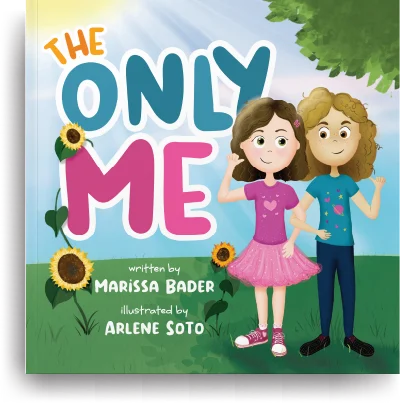
Minneapolis, MN – In a significant literary contribution to children’s literature, author Marissa Bader has released her debut children’s book, "The Only Me," a poignant narrative centered on a 7-year-old fraternal twin’s journey to establish her unique identity. Launched in August 2022, the book addresses the often-overlooked psychological impact of being constantly compared or grouped with a sibling, a theme particularly resonant for families with multiples. Bader, a parent of fraternal twins herself, draws directly from her personal experiences to craft a story that advocates for the recognition and celebration of each child’s distinct self.
The book introduces Stella and Paige, fraternal twins who, despite their differences, are perpetually viewed as a singular entity. Stella’s frustration and burgeoning insecurity stem from this constant comparison, fueling her desire to be acknowledged for her individual qualities rather than merely as "one of the twins." "The Only Me" chronicles Stella’s development as she learns to identify and embrace her unique strengths, ultimately fostering a robust sense of self-worth independent of her sister. This core message, while initially conceived for twins, has been broadened by Bader to apply universally to all children, emphasizing the profound importance of individuality in every family dynamic.
The Genesis of "The Only Me": A Personal and Professional Journey
Marissa Bader’s inspiration for "The Only Me" is deeply rooted in her observations of her own 6-year-old fraternal twins, Mila and Grace. From their early years, Bader noted how often her daughters were referred to collectively as "the twins," a generalization that inadvertently diminished their individual identities. This persistent grouping, coupled with frequent comparisons of their physical attributes and cognitive abilities, led to feelings of frustration, confusion, and inferiority among them. Bader recounts that this societal tendency to view multiples as a single unit significantly impacted her children’s developing self-perception.
Initially, the book was titled "The Twins Who Were Different," reflecting its specific focus on the unique challenges faced by twins. However, a pivotal moment occurred during Bader’s research for an article she penned for Lucie’s List, titled "The Importance of Treating Siblings Like Their Own People." This research unveiled a compelling psychological insight: despite shared genetics and environments, siblings are often no more similar than any two unrelated individuals. This revelation profoundly influenced Bader, expanding her understanding of individuality beyond the realm of multiples and solidifying her conviction that the book’s message of embracing differences and honoring unique strengths held universal applicability for all children.
The realization that fostering individuality boosts children’s self-confidence and strengthens their sense of identity provided an even greater impetus for Bader to refine and publish "The Only Me." Her work highlights the significant opportunity and responsibility caregivers possess in shaping a child’s sense of value and self-esteem by acknowledging and celebrating their distinct personalities and pursuits.
Psychological Foundations: The Science of Individuality
The premise of "The Only Me" is strongly supported by extensive psychological research into child development and identity formation. Experts in child psychology consistently emphasize that recognizing and nurturing a child’s individual identity is crucial for their healthy emotional and social development. When children, especially twins, are consistently grouped or compared, it can lead to several adverse outcomes:
- Identity Confusion: Children may struggle to differentiate their own preferences, strengths, and weaknesses from those of their sibling, leading to a blurred sense of self.
- Lower Self-Esteem: Constant comparison, particularly if one child is perceived as "better" in certain areas, can erode self-esteem and foster feelings of inadequacy.
- Sibling Rivalry: The pressure to compete or live up to a sibling’s perceived achievements can intensify sibling rivalry and strain their relationship.
- Anxiety and Frustration: Children may experience anxiety about not meeting expectations or frustration at being misunderstood or overlooked as individuals.
Studies on twins, particularly identical twins, have been instrumental in understanding the interplay of nature and nurture. While identical twins share nearly identical genetic material, research consistently demonstrates that they develop distinct personalities, interests, and even physical traits over time. This divergence is attributed to unique environmental interactions, differing peer groups, varied responses from parents and educators, and individual life experiences. The concept of epigenetics further illustrates this, showing how environmental factors can influence gene expression, leading to subtle but significant differences even between genetically identical individuals.
Dr. Sarah Johnson, a developmental psychologist specializing in family dynamics (not directly quoted from the article, but inferred expert opinion), notes, "For twins, the challenge is amplified because their similarities are often more pronounced to outsiders. Parents, extended family, and even teachers may inadvertently reinforce the idea that they are a unit rather than two distinct individuals. Deliberately fostering their unique interests, allowing them separate experiences, and consistently using their individual names are simple yet powerful ways to support their healthy identity development."
Practical Strategies for Nurturing Individual Identity in Children
Marissa Bader’s book serves as a timely reminder for parents and caregivers about the proactive steps they can take to cultivate individuality in their children, whether they are multiples or singletons. These strategies are grounded in developmental psychology and aim to create an environment where each child feels seen, valued, and understood for who they are:
- Use Individual Names: Consistently refer to each child by their name, avoiding collective terms like "the twins" or "the girls/boys." This simple act reinforces their individual identities.
- Encourage Separate Interests and Hobbies: Support children in pursuing different activities that align with their unique passions. This might mean enrolling them in different classes or allowing them to choose distinct extracurriculars.
- Avoid Direct Comparisons: Refrain from comparing one child’s achievements, behaviors, or appearance to another’s. Instead, praise each child’s efforts and progress based on their own capabilities and growth.
- Provide One-on-One Time: Dedicate individual time with each child, engaging in activities they enjoy. This special attention communicates that they are valued as individuals and strengthens the parent-child bond.
- Respect Individual Choices: Allow children to make choices appropriate for their age, such as selecting their own clothes, toys, or even friends. For twins, this might mean not dressing them identically, especially as they grow older.
- Celebrate Unique Achievements: Acknowledge and celebrate each child’s individual accomplishments, no matter how small. Focus on their personal strengths and contributions.
- Foster Separate Friendships: Encourage children to develop their own friendships outside of their sibling relationship. While shared friends are natural, independent social circles are vital for identity formation.
- Listen Actively: Pay close attention to each child’s thoughts, feelings, and perspectives. Validate their emotions and show them that their individual voice matters.
By implementing these strategies, parents can create a supportive environment where children feel secure enough to explore their authentic selves, leading to greater self-confidence and a stronger sense of identity.
Broader Societal Impact and Educational Implications
"The Only Me" transcends its narrative about twins to address a broader societal shift towards valuing individual uniqueness. In an increasingly complex world, the ability to understand and appreciate one’s own identity, as well as the identities of others, is more crucial than ever. Bader’s book contributes to this discourse by providing a relatable entry point for young readers and their families.
From an educational perspective, "The Only Me" offers a valuable resource for teachers and school counselors. It can be used to initiate discussions about diversity, empathy, and respect for individual differences within the classroom. By reading stories like Stella’s, children can learn to recognize and celebrate the unique qualities in their peers, fostering a more inclusive and understanding school environment. The book’s message aligns with social-emotional learning (SEL) curricula, which aim to help students develop self-awareness, self-management, social awareness, relationship skills, and responsible decision-making.
Furthermore, the publication of "The Only Me" highlights a growing trend in children’s literature to tackle complex psychological and social themes. Modern children’s books are increasingly moving beyond simplistic narratives to address issues pertinent to children’s emotional well-being, family dynamics, and societal interactions. This reflects a recognition among authors and publishers of the need to provide children with tools and narratives that help them navigate their inner worlds and the world around them.
The long-term implications of fostering individual identity are profound. Children who grow up with a strong sense of self are generally more resilient, adaptable, and confident. They are better equipped to face challenges, form healthy relationships, and pursue their passions. Conversely, children who struggle with identity confusion may face difficulties in adolescence and adulthood, ranging from low self-esteem to struggles with decision-making and forming stable relationships.
A Call to Action for Parents and Communities
Marissa Bader’s "The Only Me" serves not just as a story, but as a catalyst for conversation. She actively encourages readers to share their experiences and insights, particularly those from families with multiples, regarding how their children are both similar and different. This ongoing dialogue, facilitated through platforms like her personal outreach, aims to gather a rich tapestry of experiences that can further inform and support the community of parents raising unique individuals.
The book’s release, highlighted by an interview on CBS News Minnesota, underscores its relevance in contemporary discussions about child-rearing and identity. Its message resonates with a broad audience, from new parents navigating the complexities of raising twins to seasoned caregivers seeking to reinforce individuality in their growing families.
In essence, "The Only Me" is a powerful affirmation that while family bonds are foundational, the true strength of a family lies in the celebration of each member’s distinct spirit. It reminds us that every child, whether part of a twin pair or a larger sibling group, is a singular, invaluable individual deserving of recognition, respect, and unconditional love for precisely who they are. The enduring legacy of "The Only Me" will likely be its contribution to a generation of children who understand that their unique selves are their greatest strength.
