

The transition from the carefree days of individual living to the intricate logistics of family life, particularly with children, transforms simple daily acts into complex operations. What was once a swift exit—grabbing keys, slipping on shoes, and heading out—now involves a cascade of tasks, each a potential point of friction in the morning rush. As educational institutions recommence their academic cycles, the imperative to re-establish and refine household routines becomes paramount for ensuring children arrive at school or daycare punctually and in a state conducive to learning. This comprehensive guide, informed by child development principles and practical experience, outlines seven key strategies, complemented by innovative tools, designed to cultivate a more predictable, less stressful morning environment for families.
The Foundational Role of Routine in Child Development

It is a well-established principle in developmental psychology that children thrive within environments characterized by predictability and consistency. Structured routines provide a sense of security and control, which are vital for a child’s emotional regulation and cognitive development. Without clear expectations, mornings can become a source of anxiety, leading to behavioral challenges, delays, and increased parental stress. Research consistently demonstrates that consistent routines contribute significantly to a child’s ability to develop executive functions, including planning, organization, and time management—skills that are critical not only for academic success but also for lifelong independence. The re-implementation of robust routines post-summer break is not merely about punctuality; it is about reinforcing these foundational life skills and fostering a positive start to each day.
1. Strategic Preparation: The Evening Before
The cornerstone of a smooth morning lies in comprehensive preparation executed the night before. This proactive approach significantly reduces the mental load on parents and minimizes potential crises during the hectic morning hours. Covering as many logistical bases as possible allows families to navigate the early hours with greater ease and less conflict.

Specific preparatory actions include:
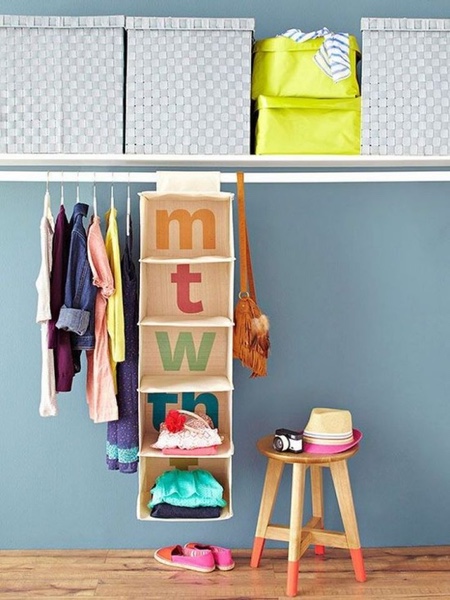
- Outfit Selection: Involve children in choosing their clothes for the following day, or even for the entire week, by utilizing multi-day closet organizers. This fosters a sense of autonomy and eliminates morning wardrobe battles. Studies on child autonomy suggest that giving children appropriate choices increases their cooperation and reduces power struggles.
- Meal Planning and Setup: Clear dinner dishes and set the table for breakfast. Pre-pack lunchboxes and snacks, ensuring all components are ready for immediate retrieval. Resources such as dedicated school lunch planners can streamline this process further, promoting balanced nutrition while saving precious morning minutes.
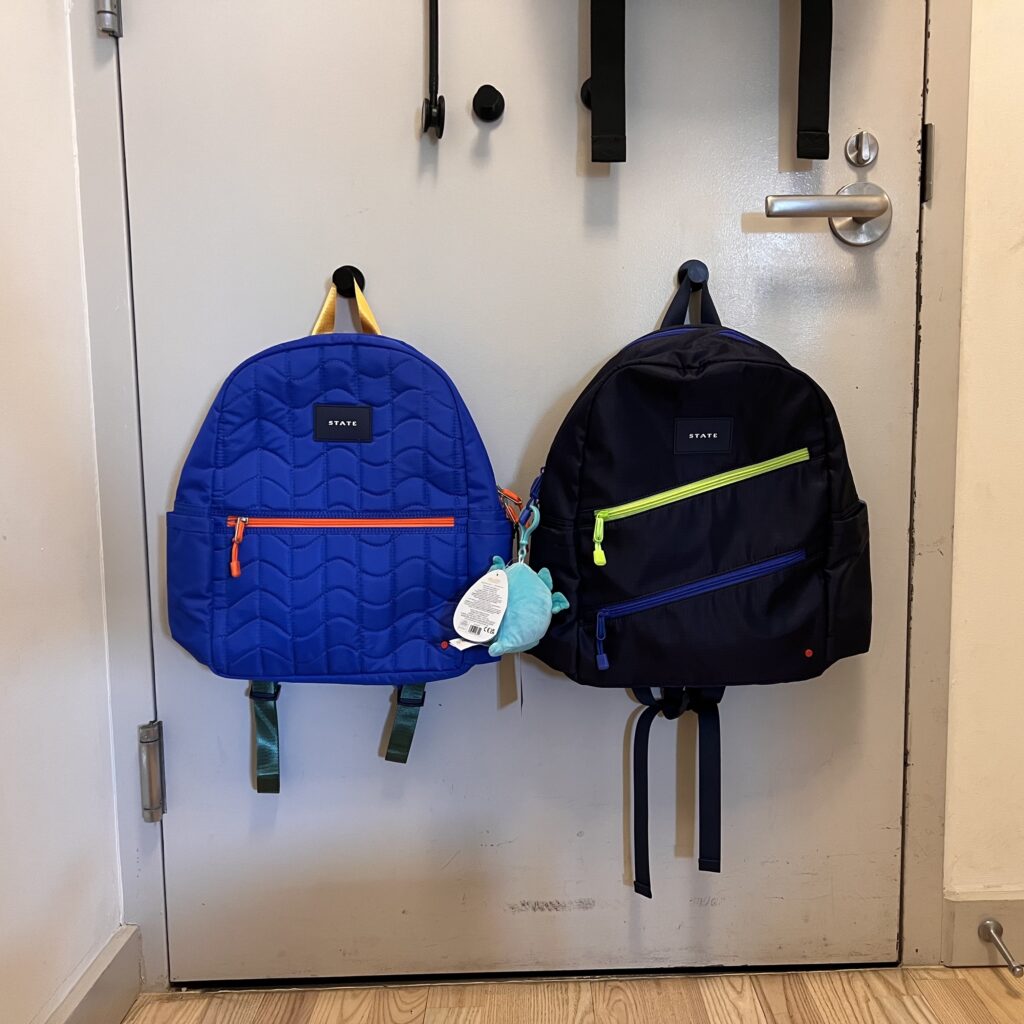
- Bag and Gear Assembly: Ensure backpacks, sports gear, and any other necessary items are packed and placed by the door. This prevents last-minute scrambles for misplaced items.
This pre-emptive organization strategy is supported by cognitive psychology, which highlights the benefits of reducing decision fatigue. By making choices and preparing items when stress levels are low, families conserve mental energy for the inevitable, spontaneous challenges that may arise in the morning.
2. Prioritizing Parental Well-being: Integrating "Me-Time"
While counterintuitive to the goal of efficiency, allocating personal time for parents before children awaken can dramatically improve the overall morning dynamic. This strategy acknowledges that a calm, prepared parent is better equipped to manage the demands of getting children ready.
The practice involves:
- Early Wake-Up: Consistently waking 15-30 minutes before children allows parents a period of quiet self-care—whether it’s enjoying a cup of coffee, meditating, or simply getting dressed in peace. This buffer zone enables parents to mentally prepare for the day without the immediate pressure of child-related demands.
- Discipline and Consistency: This approach necessitates a commitment to an earlier bedtime and avoiding the "snooze" button. The short-term sacrifice of sleep is often outweighed by the long-term benefits of reduced morning stress and improved parental patience.
Psychological research on parental burnout and stress underscores the importance of self-care. Parents who are well-rested and emotionally regulated are more likely to respond to their children with patience and empathy, fostering a more positive and cooperative environment. This "me-time" is not a luxury but a strategic investment in family harmony.

3. Implementing Structured Time Management: The Efficacy of Timers and Auditory Cues
Effective time management is crucial for adhering to morning schedules, particularly when dealing with younger children who have a nascent understanding of temporal concepts. Timers and other cues serve as objective, external guides, minimizing parental nagging and fostering a child’s internal clock.
Key applications include:
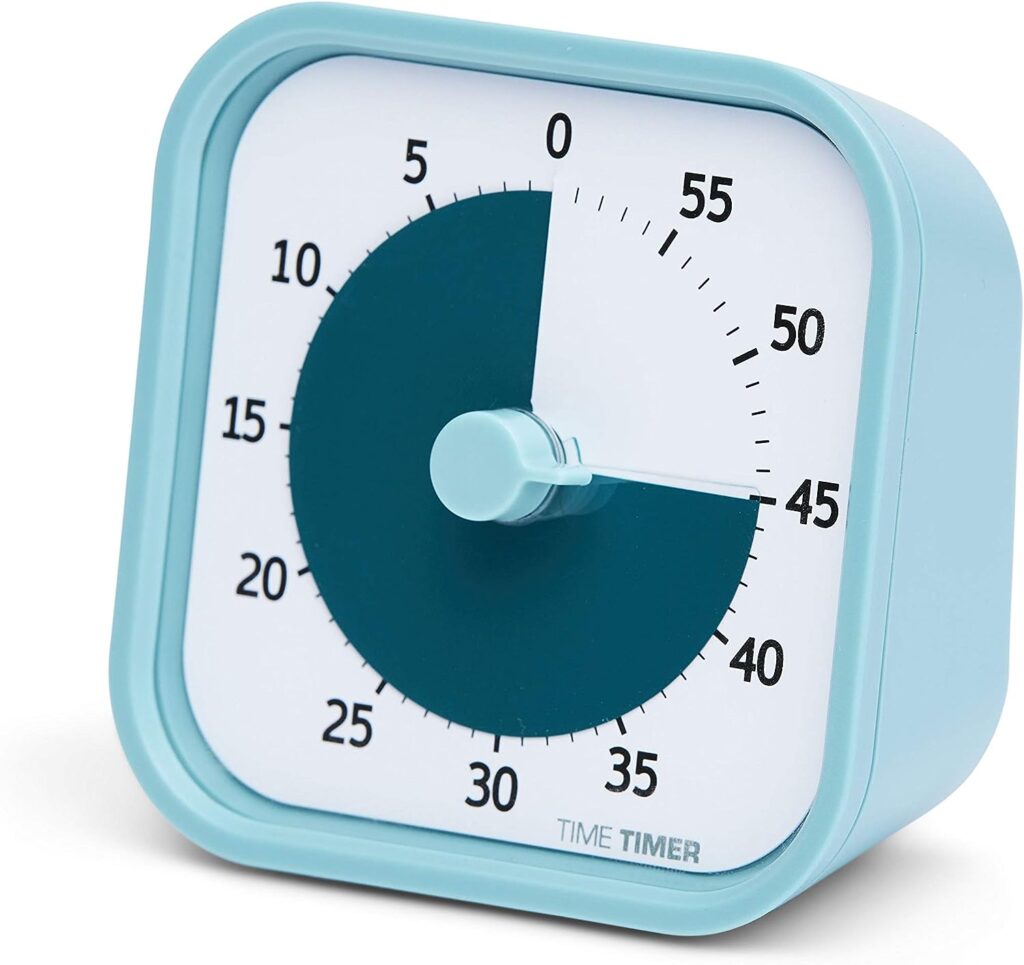
- Visual Timers: For children who cannot yet read traditional clocks, visual or analog countdown timers are invaluable. These devices typically feature a colored disc that gradually disappears, providing a clear, intuitive representation of elapsed and remaining time. Such visual aids empower children to track their progress and understand time limits without constant verbal reminders.
- Auditory Cues: Creating a "morning playlist" of upbeat, familiar songs can rhythmically guide children through their routine. Each song can be associated with a specific task (e.g., "Here Comes the Sun" for getting dressed, another song for breakfast). This playful approach leverages musical memory to prompt action, making the routine feel less like a chore and more like an engaging sequence.
- Verbal Announcements: Consistent verbal announcements of time remaining, in conjunction with timers, reinforce time awareness. For example, "15 minutes until we need to leave for the bus," followed by "5 minutes—time to put on shoes!"
Educational psychologists advocate for the use of external aids like timers to help children develop a sense of time and self-regulation, gradually internalizing these concepts.
4. Motivating Action Through Gamification
Transforming mundane tasks into engaging games can significantly boost children’s motivation and speed. Gamification taps into a child’s natural inclination for play and competition, making the morning routine an interactive challenge rather than a series of commands.
Methods include:
- The "Race" Strategy: Simple challenges, such as "Can you be fully dressed by the time I finish brushing my teeth?" or "Who can get their shoes on first?", can unleash a surprising burst of efficiency.
- Points and Achievements: For slightly older children, a simple points system for completing tasks can be implemented, leading to a small, pre-determined reward at the end of the week.
The power of play is a well-documented psychological phenomenon, particularly effective in early childhood education. By framing routine tasks as games, parents can transform potential resistance into eager participation, fostering a positive association with morning responsibilities.
5. Leveraging Positive Reinforcement: The "Free Time" Incentive

The promise of "free time" serves as a powerful motivator for children to complete their morning tasks promptly. This reward system leverages intrinsic motivation by offering a period of self-directed activity.
Implementation considerations:
- Clear Conditions: Children must understand that "free time" is contingent upon completing all designated tasks (e.g., dressed, fed, teeth brushed, backpack ready).
- Defined Duration: Utilize timers for "free time" as well, ensuring children know precisely how long they have before the next transition (e.g., putting on shoes, grabbing backpacks).
- Curated Choices: While "carte blanche" is offered, parents can subtly guide choices towards beneficial activities. For example, encouraging educational shows, creative play with Legos or stuffed animals, drawing, or reading, while setting clear boundaries for less desirable options like video games or excessive screen time.
- Avoiding Undesirable Outcomes: Parents must be mindful of children potentially waking excessively early to maximize screen time. The goal is efficient completion of tasks, not necessarily earlier wake-ups driven by sedentary rewards. Adjusting the type of "free time" offered or the duration can help maintain balance.
Behavioral psychology supports the use of positive reinforcement. When desirable behaviors (completing morning tasks) are consistently followed by desirable outcomes (free play), children are more likely to repeat those behaviors.

6. Empowering Independence with Checklists
Checklists provide children with a clear, tangible roadmap for their morning responsibilities, fostering self-reliance and reducing the need for constant parental reminders. This externalization of tasks transforms abstract expectations into concrete, actionable steps.
Effective checklist implementation:
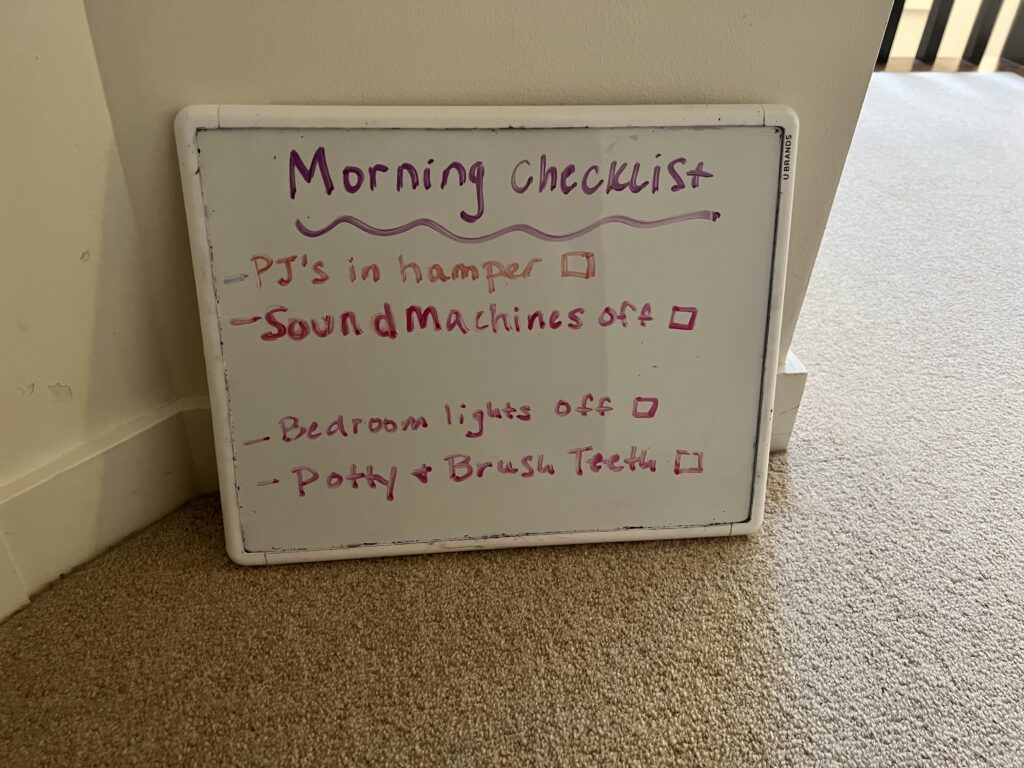
- Visible Placement: Position the checklist in a prominent location, such as outside bedroom doors or on the refrigerator, where it’s the first thing children see.
- Age-Appropriate Formats:
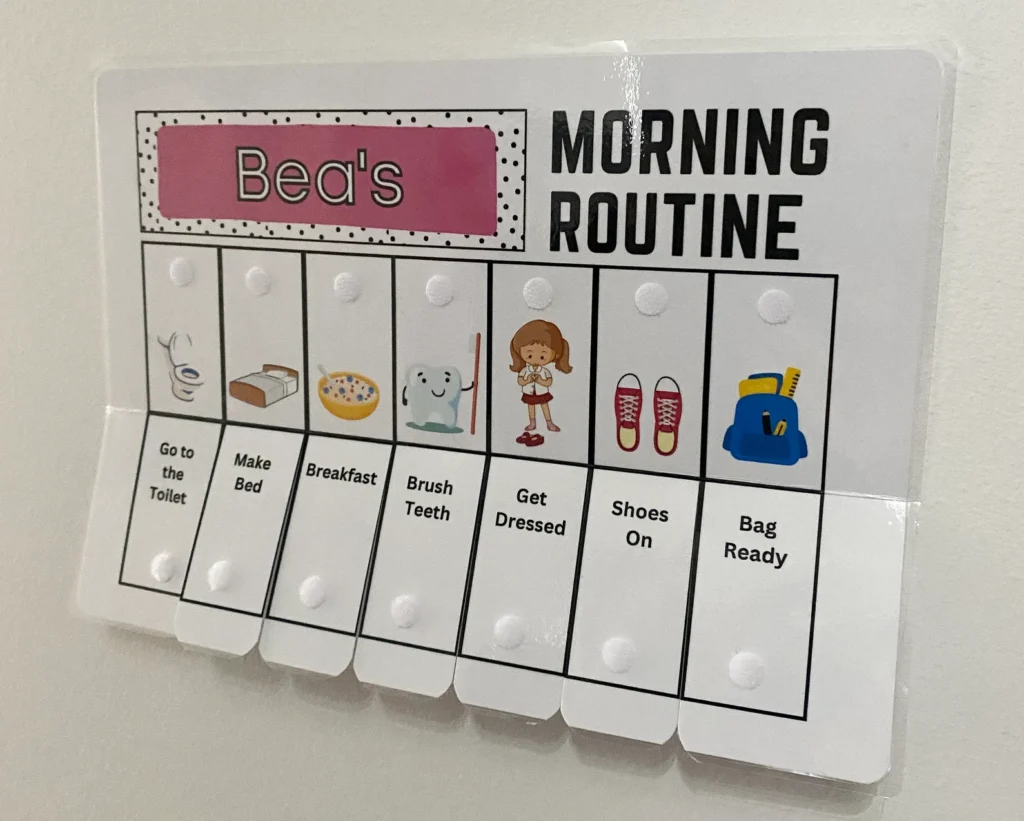
- For non-readers: Use visual checklists featuring drawings or printed pictures of each task (e.g., a toothbrush for "brush teeth," a shirt for "get dressed").
- For readers: Write out simple, clear instructions.
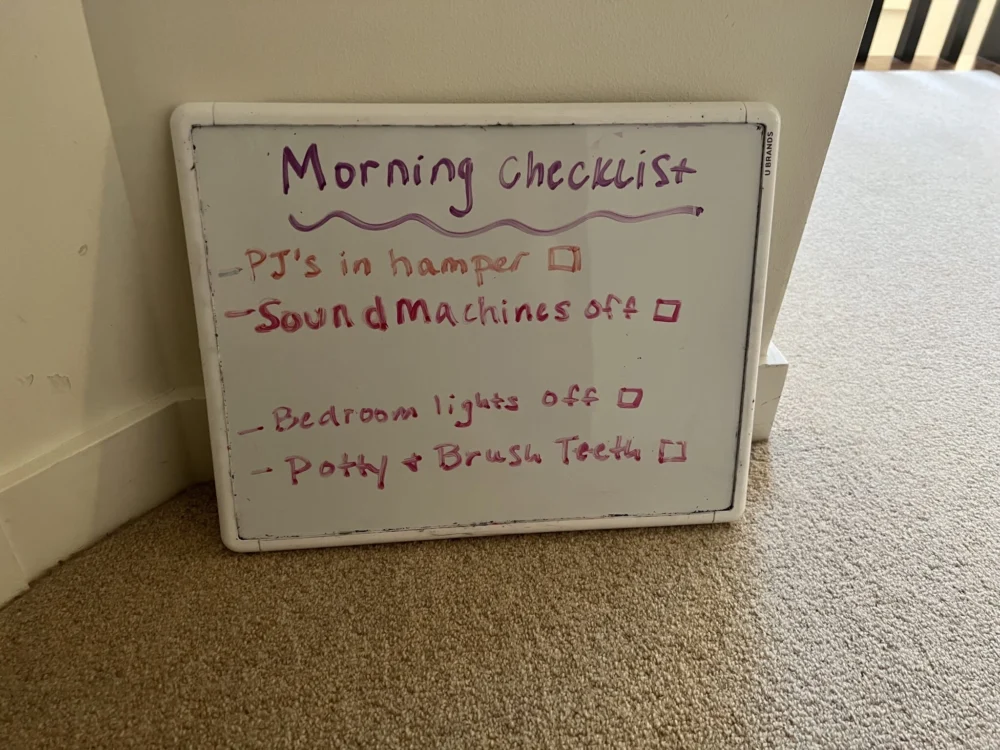
- Interactive Charts: Utilize visual morning charts with movable tabs or sliding check boxes, allowing children to physically mark off completed tasks and experience a sense of accomplishment. DIY options are also available for a personalized touch.
Checklists are a practical application of scaffolding in education, gradually enabling children to internalize the sequence of tasks and develop independent organizational skills.
7. Streamlining Nutrition: Keeping Breakfast Simple
Mornings are not the opportune moment for culinary experimentation. Prioritizing simplicity in breakfast preparation ensures children receive essential nourishment without consuming valuable time or adding stress to the routine.

Recommended simple breakfast options:
- Quick & Nutritious: Peanut butter and banana toast, instant oatmeal, whole-grain toaster waffles, avocado toast, and yogurt with granola are excellent choices that are quick to prepare and provide sustained energy.
- Pre-portioned Ingredients: Having ingredients pre-portioned or readily accessible further reduces preparation time.
The importance of a healthy breakfast for children’s concentration and academic performance is widely recognized. By keeping it simple, parents can ensure this crucial meal is not skipped in the rush.
Essential Tools for Enhanced Morning Efficiency
Several practical items can significantly support the implementation of these strategies, transforming a chaotic morning into a smooth operation.
- Hatch Rest: This "ok-to-wake" clock is an invaluable aid for teaching children independent waking. By programming it to change color (e.g., yellow) and emit gentle sounds (e.g., birds chirping) at a designated wake-up time, children learn to wait for these cues before emerging, eliminating early morning disruptions.
- Visual Timer Clock: These intuitive timers, often featuring a colored disc that visually diminishes as time passes, are perfect for helping children grasp time limits for tasks like getting dressed or free play. Variations exist with animal themes or color-coded segments for younger children.
- Kizik Sneakers: Designed for hands-free wear, these slip-on sneakers eliminate the time-consuming process of tying laces or fastening Velcro, providing a significant advantage during the final moments before departure. Their durability ensures long-term utility.
- Wall Hooks and Entryway Organization: Creating a designated, child-accessible area for backpacks, coats, and shoes near the exit point streamlines the "grab and go" process. Magnetic hooks on doors or low-level coat hangers foster independence and prevent items from being misplaced.
- Dry Erase Whiteboard: A magnetic whiteboard serves as an easily customizable and reusable platform for morning checklists. Its flexibility allows for quick updates to routines as children grow or schedules change.
- Chore Charts with Sliding Check Boxes: These interactive charts offer a satisfying tactile experience for children as they slide a tab to reveal a checkmark upon task completion, reinforcing positive behavior and a sense of accomplishment.
- Weekly Clothes Organizer: A hanging organizer with separate compartments for each day of the school week enables parents and children to pre-select and prepare outfits for the entire week, eliminating daily wardrobe decisions and potential conflicts.
Broader Implications and Lasting Impact
Implementing these strategies extends far beyond merely ensuring timely school arrivals. They represent a holistic approach to fostering a more harmonious family environment, reducing parental stress, and instilling critical life skills in children. By providing structure, predictability, and opportunities for autonomy, parents empower their children to develop self-management, responsibility, and emotional resilience. These are not just tips for navigating the school run; they are investments in a child’s overall development and the sustained well-being of the entire family unit. The cumulative effect of consistent, positive morning routines contributes to children’s readiness to learn, their emotional stability throughout the day, and their long-term capacity for independent functioning.
