

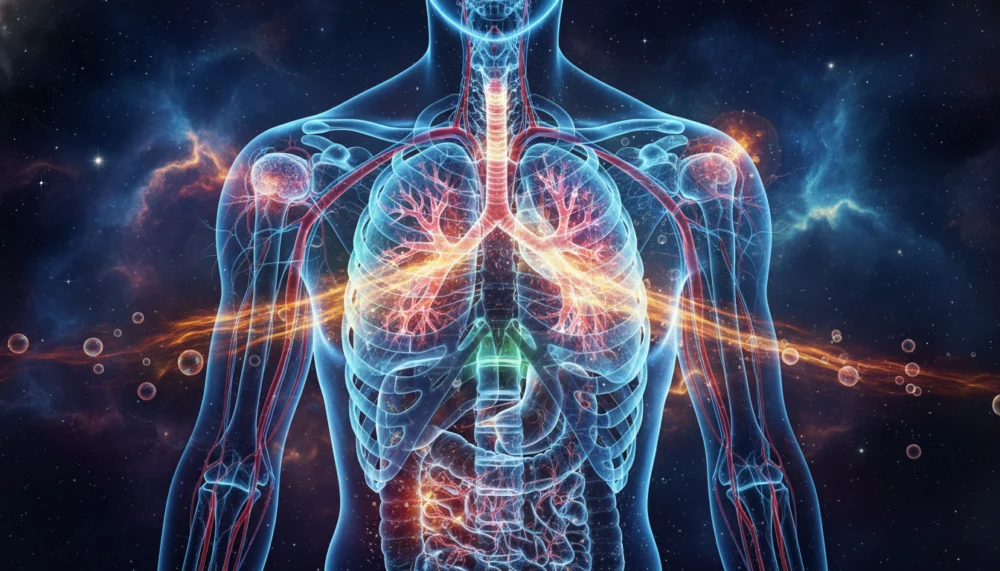
Oxygen is the most critical element for the survival of the human body, acting as the primary catalyst for life-sustaining chemical reactions. While we can survive for weeks without food and days without water, the human body begins to suffer irreversible damage within minutes of oxygen deprivation. This article explores the multifaceted roles oxygen plays in our physiology.
The Primary Role of Oxygen in Cellular Respiration
At the most fundamental level, oxygen is required for cellular respiration, a biochemical process that occurs within the mitochondria of every cell. This process converts the nutrients we consume, particularly glucose, into a usable form of chemical energy. Without a steady supply of oxygen, our cells would be unable to generate the energy required to perform their basic functions.
Adenosine Triphosphate (ATP) Production
The ultimate goal of cellular respiration is the production of Adenosine Triphosphate (ATP). ATP is often referred to as the ‘energy currency’ of the cell. Oxygen acts as the final electron acceptor in the electron transport chain, which is the most efficient stage of ATP production. Without oxygen, the body must rely on anaerobic metabolism, which is significantly less efficient and leads to the buildup of lactic acid.
Oxygen and the Human Brain
The brain is the most oxygen-demanding organ in the human body. Despite making up only about 2% of total body weight, it consumes approximately 20% of the body’s total oxygen supply. This high demand is due to the constant electrical activity and neurotransmitter regulation required to maintain consciousness and control bodily functions.
Consequences of Hypoxia
When the brain is deprived of oxygen—a condition known as hypoxia—the results are immediate and severe. Within seconds, cognitive function begins to decline, and within minutes, neurons start to die. This is why medical emergencies involving respiratory or cardiac arrest require immediate intervention to prevent permanent brain damage or death.
Metabolism and Nutrient Breakdown
Oxygen is essential for the metabolic pathways that break down macronutrients. Through the process of oxidation, the body extracts energy from fats, proteins, and carbohydrates. This energy is not only used for physical movement but also for maintaining a constant internal body temperature and repairing damaged tissues.
The Krebs Cycle and Electron Transport Chain
Inside the mitochondria, the Krebs cycle and the electron transport chain work in tandem to maximize energy output. Oxygen’s role in these cycles is to ensure that electrons are moved efficiently, allowing for the maximum yield of ATP. This aerobic process is what allows complex multicellular organisms like humans to thrive and maintain high activity levels.
Immune System and Detoxification
Oxygen is also a key player in the body’s defense mechanisms. White blood cells, particularly neutrophils and macrophages, use oxygen to create reactive oxygen species (ROS). These molecules are used as a chemical weapon to destroy invading bacteria, viruses, and other pathogens during an immune response.
Wound Healing and Tissue Repair
Oxygen is vital for the synthesis of collagen, the primary structural protein in the skin and connective tissues. Proper oxygenation at the site of an injury ensures that the body can effectively repair wounds and regenerate tissue. Chronic wounds often result from poor circulation, which limits the oxygen available for these repair processes.
The Respiratory and Circulatory Systems
The delivery of oxygen to the tissues is a complex process involving the respiratory and circulatory systems. Air is drawn into the lungs, where oxygen diffuses across the thin walls of the alveoli into the bloodstream. Once in the blood, it binds to hemoglobin, a protein in red blood cells that transports it to every corner of the body.
Gas Exchange in the Alveoli
The efficiency of gas exchange is dependent on the surface area of the lungs and the health of the cardiovascular system. Carbon dioxide, a waste product of metabolism, is exchanged for oxygen in the lungs and then exhaled. This continuous cycle ensures that the body maintains a healthy pH balance and remains free of toxic metabolic byproducts.
Physiological Effects of Low Oxygen Levels
When oxygen levels in the blood drop (hypoxemia), the body initiates several compensatory mechanisms. The heart rate increases to pump blood faster, and the rate of breathing accelerates to intake more air. If these measures fail, symptoms such as dizziness, confusion, and shortness of breath occur, signaling a critical need for supplemental oxygen or medical attention.
Acclimatization at High Altitudes
Humans can adapt to lower oxygen environments, such as high altitudes, through a process called acclimatization. Over time, the body produces more red blood cells to increase the oxygen-carrying capacity of the blood. However, there is a limit to this adaptation, and extreme altitudes still pose a significant risk of altitude sickness and oxygen starvation.
Conclusion: The Breath of Life
In summary, oxygen is much more than just a gas we breathe; it is the fundamental fuel for our cellular machinery. From powering the brain to supporting the immune system and enabling energy production, oxygen is the cornerstone of human health and survival. Maintaining healthy oxygen levels through proper breathing, exercise, and cardiovascular health is essential for a long and vibrant life.
