

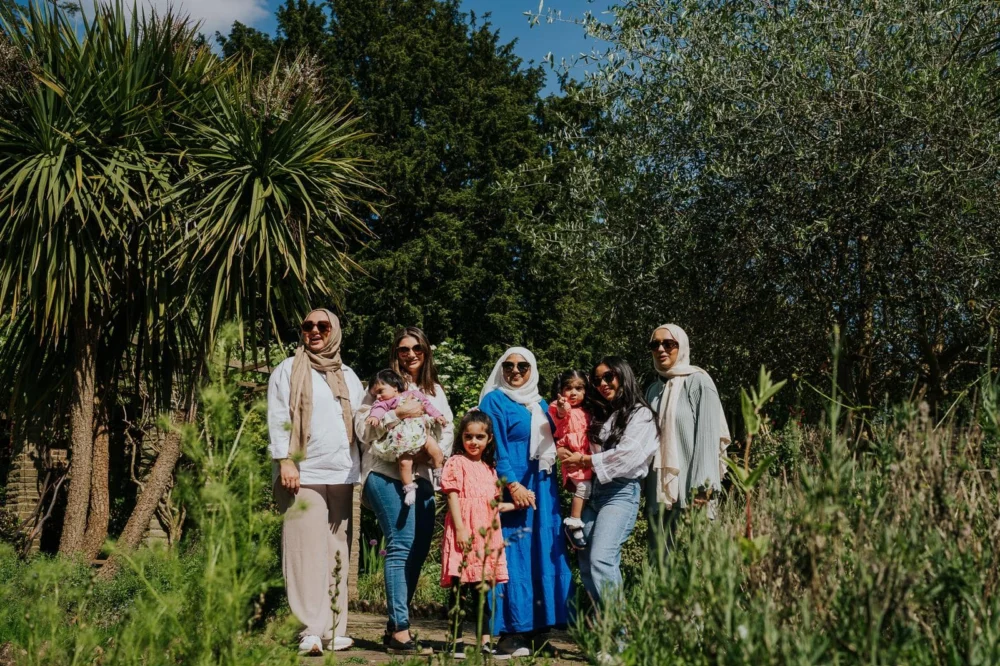
In a testament to unwavering conviction and resilience, Zarina Ayyub, a mother of five and a dedicated doula from Tooting, London, has emerged as a powerful advocate for breastfeeding, fundamentally challenging deeply entrenched cultural norms and systemic barriers within the British South Asian community. Her personal journey, marked by early struggles, generational trauma, and a persistent drive for change, illuminates the complex interplay of cultural expectations, healthcare practices, and individual determination in shaping maternal experiences. Ayyub’s pioneering efforts have not only transformed her own family’s approach to infant feeding but are also paving the way for greater acceptance and support for breastfeeding among ethnic minority families across the UK.
A Legacy of Misinformation and Cultural Pressure
Ayyub’s narrative is deeply rooted in the experiences of her mother, a Pakistani immigrant who arrived in England in the late 1960s. As one of the first in her community to have children in the UK, Zarina’s mother faced immense isolation and a profound lack of support for breastfeeding. Hospital practices of the era routinely promoted formula feeding, often administering pills to suppress lactation – a traumatic experience her mother never forgot. Within the confines of a joint family household shared with five male in-laws, cultural dictates prioritized discretion and conformity, making breastfeeding an uncomfortable and stigmatized act. Her mother recalled a constant struggle, feeling her baby was never satisfied, and enduring significant physical and emotional pain without encouragement. This adverse experience instilled a deep-seated apprehension in Zarina’s mother, who later cautioned her own daughter against breastfeeding, fearing she would endure similar suffering.
Compounding this was a prevalent belief in parts of India, shared by Zarina’s mother, that colostrum – the vital first milk – was "dirty." Instead, traditional remedies involving cooled boiled water with fennel and other seeds were recommended for newborns to clear meconium, bypassing the critical benefits of early breast milk. This practice, while intended to be helpful, inadvertently deprived newborns of essential antibodies and nutrients. These deeply ingrained cultural perceptions and her mother’s painful memories formed the challenging backdrop to Zarina’s own entry into motherhood. Historically, formula feeding gained significant traction in the mid-20th century in Western countries, and these practices often permeated healthcare systems globally, influencing even immigrant communities in the UK. Studies have shown that ethnic minority women in the UK often face lower breastfeeding initiation and continuation rates compared to the general population, attributable to factors including cultural attitudes, lack of culturally appropriate support, and socioeconomic disparities.
Early Motherhood: A Systemic Failure of Support
Zarina Ayyub herself became a mother at the young age of 20, just days after her birthday in November. Her first baby, born on November 3rd, weighed a tiny 4 lbs 13 oz, a consequence of a poorly functioning placenta, though no detailed explanation was provided to her at the time. Her hospital experience mirrored, and in some ways exacerbated, the systemic failures her mother had encountered. Ayyub describes being left isolated, her baby immediately taken to a special nursery and fed formula via a tube. Crucially, she received no guidance on breastfeeding, colostrum, or expressing milk. The opportunity to hand express and provide her fragile newborn with essential colostrum was lost due to a critical lack of information and assistance. Overwhelmed and fearful, she even hesitated to hold her own child, internalizing her mother’s admonition to "trust them," echoing a past generation’s unquestioning acceptance of medical authority. This initial disempowerment set the stage for a fraught beginning to her breastfeeding journey.
When her daughter was finally brought to her on day three, Ayyub was severely engorged. Despite her mother’s renewed pleas to request milk-drying pills, Zarina instinctively resisted. The struggle to latch her tiny baby onto her engorged, "big and hard" breasts was agonizing. A distressing memory remains of a midwife forcefully grasping her breast and pushing her baby on, an act that left her in tears and solidified her mother’s conviction that she should opt for a bottle. The first days at home, around day five or six, were equally arduous. Her nipples became severely cracked and bleeding, leading to a night of collective distress for the new parents. In Birmingham at the time, late-night shopping for essentials was not an option, making it difficult for her husband to find effective solutions like a functioning hand pump or an appropriately sized dummy for their tiny baby. This lack of immediate, accessible support for new parents, particularly those from vulnerable demographics like young mothers, highlights historical gaps in postnatal care.
Navigating Cultural Expectations and Domestic Demands
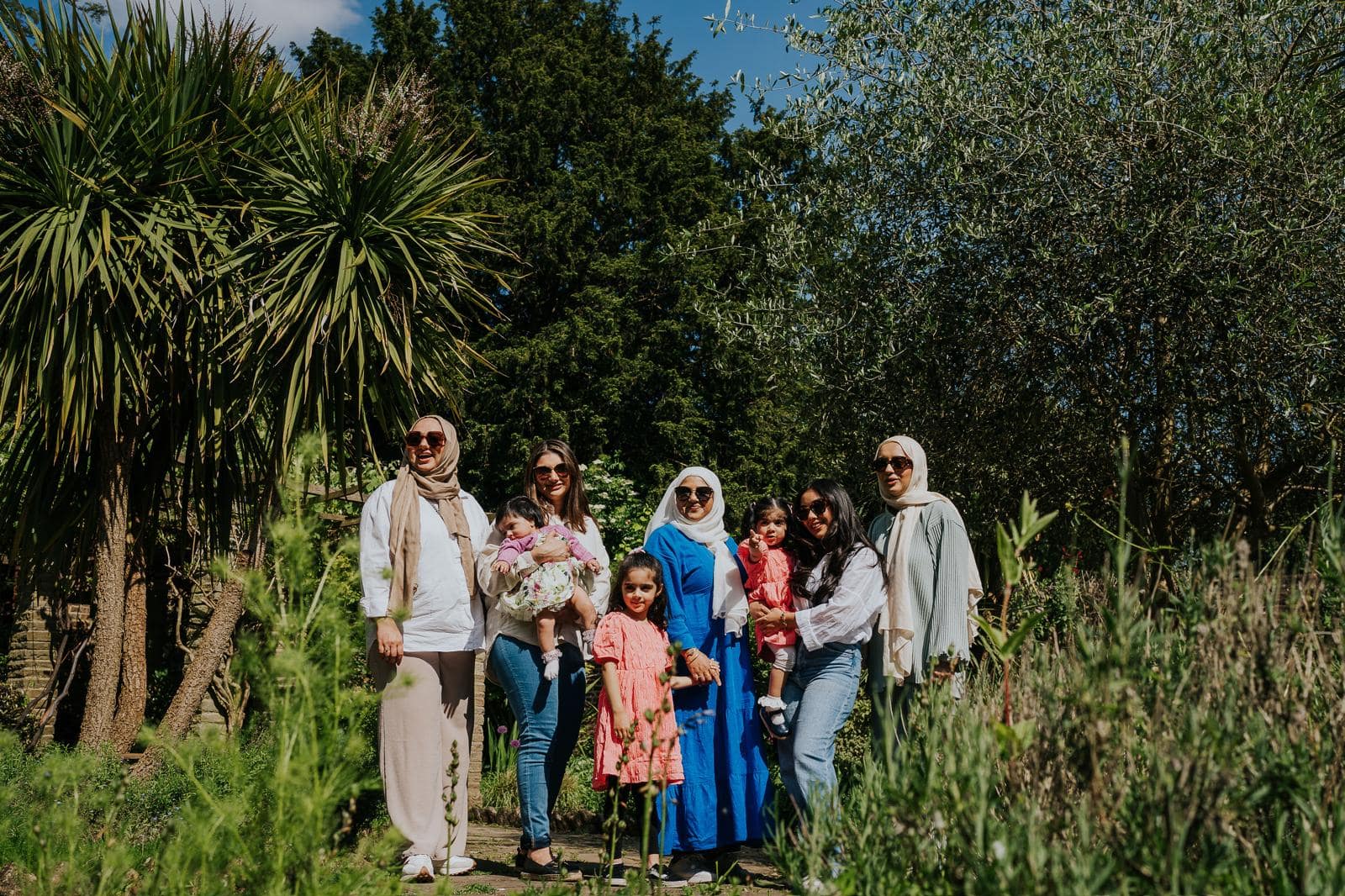
Upon moving to their own flat in London after two weeks at her mother’s, Zarina and her husband continued to face significant societal and familial pressures. While the newfound privacy was a relief, Ayyub felt acutely embarrassed to breastfeed in public, leading her to remain housebound. Their home, reflecting her husband’s own experiences as an immigrant, often hosted newly arrived relatives from the UK, meaning Ayyub was constantly occupied with cooking and cleaning. This relentless domestic schedule made it challenging to prioritize breastfeeding. Without knowledge of responsive feeding, she attempted to adhere to a rigid three-hour formula-feeding schedule, influenced by her mother’s past practices. Her initial intention was to breastfeed until returning to work at six months, assuming her child would then transition to formula under the care of others.
The disapproval extended to her husband’s family in London, even from her mother-in-law, who had breastfed all her sons. Despite this, they failed to comprehend Zarina’s desire to breastfeed, comparing her unfavorably to another daughter-in-law who prioritized a spotless home over breastfeeding. Within their community, maintaining an immaculate household and contributing to family tasks were seen as paramount virtues, often overshadowing maternal bonding and infant feeding. Breastfeeding was often perceived as "laziness" if it kept a woman seated and away from housework. Ayyub, however, trusted her maternal instincts, recognizing her baby’s profound need for touch and closeness, and instinctively picking her up whenever she cried. Her husband also contributed to the pressure, expressing concerns that their children were "too skinny" and advocating for "bottle milk," drawing comparisons to larger children within the extended family. As a woman of modest height, Ayyub’s babies were naturally smaller, a biological reality often misunderstood in the context of cultural ideals of robust, well-fed infants. The emphasis on domesticity over childcare in some traditional settings often places immense pressure on new mothers, diverting attention from critical infant feeding and bonding periods.
Empowerment Through Knowledge: A Turning Point
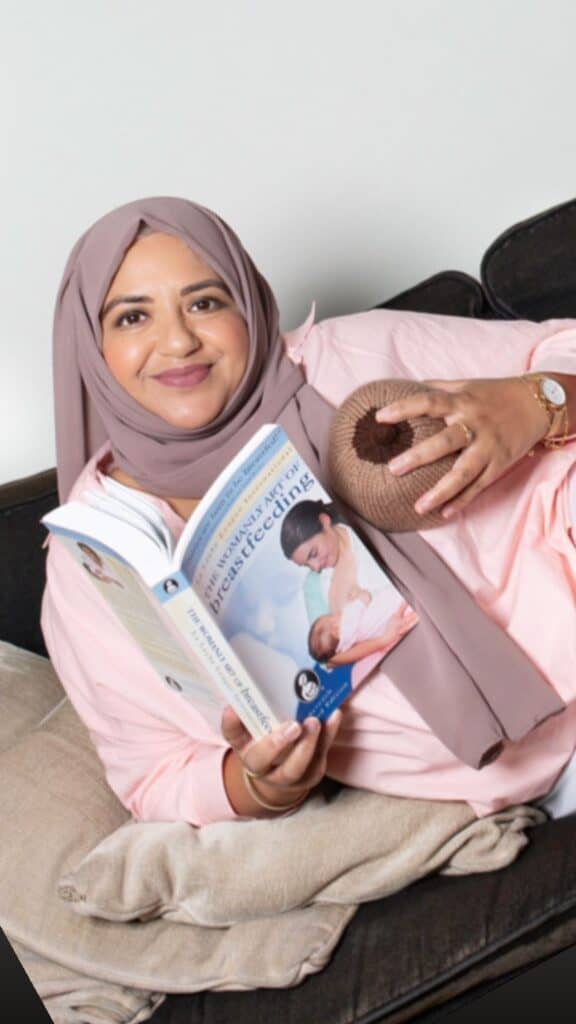
The pivotal shift in Zarina Ayyub’s breastfeeding journey occurred before the birth of her third child. It was during this pregnancy that she discovered "The Womanly Art of Breastfeeding," borrowing the comprehensive guide from a library and devouring its contents over nine months. This intensive self-education proved transformative. She learned critical facts, such as the truth about colostrum’s vital importance and the possibility of relactation, debunking years of misinformation and cultural myths. Armed with this newfound knowledge, Ayyub felt empowered and resolute. "I felt that now I had all this information, no one was going to mess with me!" she stated, reflecting her determination. This empowerment enabled her to breastfeed her third child for two full years, steadfastly resisting numerous critical comments from her extended family and community. This act of self-education highlights the profound impact of accessible, evidence-based information in counteracting deeply ingrained cultural biases and historical medical oversights.
Seeking and Providing Support: From Patient to Peer Supporter
A few weeks after her third baby’s birth, Ayyub experienced mastitis, a common and painful breastfeeding complication. This prompted her to seek help, leading her to a La Leche League (LLL) group in Wimbledon. Her attendance, however, highlighted the ongoing cultural divide; she was the only woman present wearing a shalwar kameez, traditional South Asian attire she wore to mitigate familial criticism. The practicalities of feeding in such clothing made her feel awkward and embarrassed, deterring her from returning to a support group for years. This experience underscores the importance of cultural sensitivity and inclusive environments in breastfeeding support services, where diverse attire and comfort levels are accommodated.
Despite these personal challenges, the desire to support other mothers had long been nascent within Ayyub. Just four weeks after becoming a mother herself, she had already assisted her husband’s aunt with engorged breasts, finding common ground in their shared desire to breastfeed within a household of non-breastfeeding relatives. She later provided crucial support to her younger sister, who successfully breastfed all her children, eventually leading to a positive shift in their own mother’s perspective. Seeing her sister’s "big, happy babies" gradually normalized breastfeeding for Zarina’s mother, who became a supportive ally for her last two children. This intergenerational shift within her immediate family demonstrates the ripple effect of informed advocacy.
It was after the birth of her fifth child, following a difficult birth at 35 weeks and a struggle with severe reflux, that Ayyub finally pursued her aspiration of becoming a breastfeeding peer supporter. After receiving unhelpful advice from a breastfeeding counsellor, she found herself at a local breastfeeding café, years after her initial awkward LLL experience. There, a flyer advertising an NHS-run, 12-week La Leche League peer supporter training course caught her eye. "Thank God I came today!" she remembered thinking, fueled by a renewed determination to provide effective support to other mothers. She successfully completed the course, receiving a cherished pink knitted breast model at her graduation, a symbol of her accomplishment and commitment. This formal training equipped her with the structured knowledge to complement her extensive personal experience.
A Unique Advocate: Bridging Gaps in Support
For two to three years, Zarina Ayyub served as a breastfeeding peer supporter, notably as the only Muslim peer supporter in her area. She observed a significant underrepresentation of Asian women in the groups she ran, underscoring the persistent cultural barriers to accessing mainstream support. Her presence, however, made a tangible difference. Recognizing the comfort and trust fostered by shared identity, Ayyub’s ability to relate to mothers who "look like you, even when there isn’t a language barrier" proved invaluable. While she supported women from all backgrounds, many mothers she assisted expressed a desire to "take me home with them," highlighting the profound impact of her empathetic and culturally sensitive guidance. This illustrates the critical role of representation and cultural competence in effective community health interventions.
Today, Ayyub continues her advocacy as a Doula, supporting mothers through both birth and the postnatal period, now with her own children grown (aged 34, 33, 30, 23, and 18). She actively participates in initiatives aimed at improving support for Asian and other ethnic minority families. Last year, she was invited by The Raham Project in Peterborough to collaborate with the charity BLISS on a project focused on neonatal intensive care units and premature babies. Her participation involved sharing her own emotionally charged birth stories, a process that, while painful, contributes to vital research and understanding of maternal experiences within diverse communities. The raw emotion she experiences when recounting the challenges surrounding her first baby underscores the lasting impact of early maternal experiences and the need for comprehensive emotional support.
Intergenerational Impact and a New Paradigm
Zarina Ayyub’s sustained efforts have yielded remarkable intergenerational change within her own family. Her eldest daughter, now with three children under four, has embraced breastfeeding wholeheartedly, feeding her first for two years, tandem feeding her first two, and continuing with her youngest at eight months. This stands in stark contrast to Ayyub’s own struggles, benefiting from a supportive husband, despite initial discomfort from his family. Ayyub also successfully supported her daughter’s sister-in-law in her breastfeeding journey, further expanding her positive influence. This demonstrates a powerful legacy of breaking cycles of misinformation and fostering informed choices.
The Ayyub household today represents a significant departure from traditional Pakistani norms. "Ours is probably a very unusual Pakistani household," Zarina acknowledges, noting her husband’s evolved comfort in openly discussing topics like breastfeeding and periods – conversations that have become normalized within their family. This openness has extended to her children’s spouses and friends, a testament to Ayyub’s persistent advocacy. Her other daughters are now even exploring the possibility of home births, a choice considered revolutionary within their community, signifying a profound shift in attitudes towards maternal autonomy and natural processes. This family transformation serves as a compelling case study for the potential of individual courage to instigate broader cultural change.
Addressing Persistent Barriers and Advocating for Culturally Competent Support
Despite progress, significant challenges persist in normalizing breastfeeding within the South Asian community. Ayyub notes that "a lot of shame surrounding breastfeeding" remains, with many families still exhibiting a high degree of prudishness. This reluctance often prevents South Asian women from accessing crucial breastfeeding support, as they may feel uncomfortable exposing themselves in a room full of others, even women. Ayyub emphasizes that this discomfort is often cultural, mistakenly conflated with religious strictures. The Muslim faith, she clarifies, supports a baby’s right to be breastfed for as long as desired, often citing a two-year period, though cultural interpretations sometimes overshadow this.
Ayyub advocates strongly for culturally competent breastfeeding supporters who can build relationships of trust, address fears, and demystify breastfeeding. She stresses that it is not something to be embarrassed about, but rather a "normal and natural process that is so beneficial for your baby and your own health, too." Her ongoing work aims to dismantle these misconceptions and ensure that all mothers, particularly those from ethnic minority backgrounds, receive the respectful, informed, and culturally sensitive support they need. Her story is a powerful reminder of how individual courage can catalyze widespread change, making breastfeeding a normalized and celebrated aspect of motherhood for future generations.
In January 2025, Zarina Ayyub further contributed to this vital discourse by speaking on the "Breastfeeding Matters LLLGB Podcast" with volunteer breastfeeding counsellors Maria Yasnova and Sarah Fletcher. Their discussion underscored the critical need for a safe and supportive environment for new mothers from the outset, drawing parallels with ancient traditions like the "first 40 days" or "fourth trimester" observed in many cultures globally, reinforcing the timeless importance of comprehensive postnatal care. Her continued engagement across various platforms solidifies her role as an indispensable voice in maternal health advocacy, working to bridge cultural gaps and empower mothers.
