

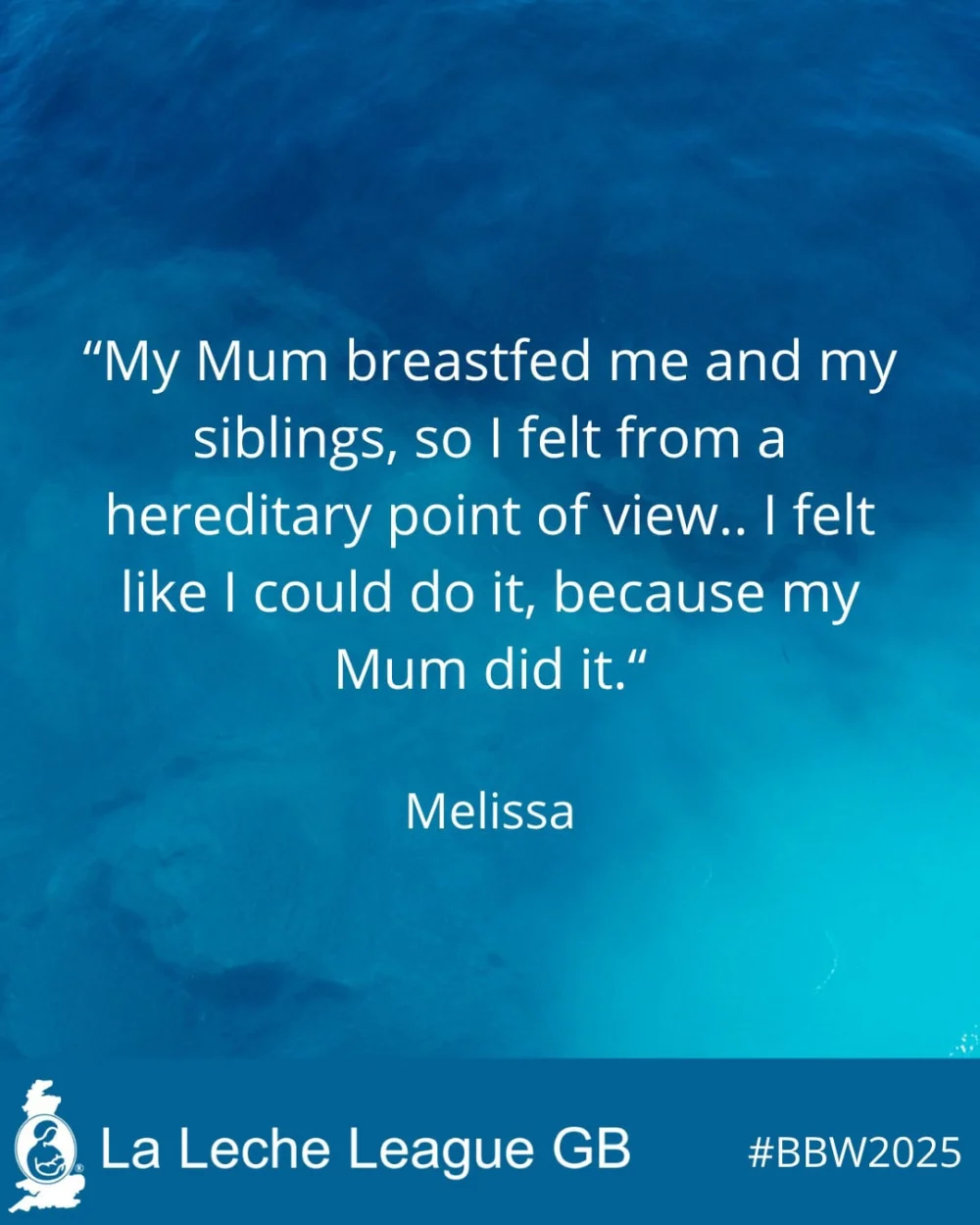
Black Breastfeeding Week, observed annually during the last week of August, stands as a crucial initiative dedicated to elevating the historically underrepresented voices and lived experiences of Black women in the realm of infant feeding. This concerted effort seeks to address profound racial disparities in breastfeeding rates and outcomes, foster culturally competent support networks, and celebrate the unique journeys of Black mothers. Within this broader movement, organizations like La Leche League champion the power of personal narratives, recognizing that sharing stories is fundamental to building connection, community, and mutual support among mothers globally. The recent sharing of audio notes from Melissa in London, detailing her breastfeeding experience while soothing her five-month-old, encapsulates the essence of this week: providing a platform for authentic, relatable stories that can resonate deeply within a community striving for empowerment and equitable care.
The Genesis and Imperative of Black Breastfeeding Week
Black Breastfeeding Week (BBW) was founded in 2012 by Kiddada Green, Kimberly Seals Allers, and Anayah Sangodele-Ayoka, born out of an urgent need to highlight and rectify significant racial disparities in breastfeeding rates in the United States, which disproportionately affect Black families. For decades, statistics have consistently shown that Black women have lower rates of breastfeeding initiation and duration compared to white women and other ethnic groups. This disparity is not merely a statistical anomaly but a reflection of systemic issues rooted in historical trauma, societal inequities, and a lack of culturally sensitive support within the healthcare system.
The historical context of Black women and breastfeeding is complex and painful. During slavery, Black women were often forced to act as wet nurses for white infants, sometimes at the expense of their own children’s nutritional needs, severing the natural bond and turning breastfeeding into a tool of oppression. Post-slavery, economic hardships, coupled with aggressive marketing of infant formula in Black communities, further contributed to a decline in breastfeeding rates. The lingering effects of these historical factors, combined with ongoing issues such as inadequate access to lactation support, implicit bias in healthcare, and a lack of diverse representation among lactation professionals, have created persistent barriers for Black mothers today. BBW emerged as a direct response to these challenges, aiming to create a dedicated space for advocacy, education, and celebration. Its core objectives include empowering Black women to make informed feeding choices, fostering a sense of community and solidarity, and advocating for policies and practices that support equitable breastfeeding outcomes.
Persistent Disparities: A Data-Driven Call to Action
The statistics underscore the critical importance of initiatives like Black Breastfeeding Week. According to the Centers for Disease Control and Prevention (CDC), while overall breastfeeding rates have improved in the U.S., significant racial and ethnic disparities persist. For instance, national data from 2018 showed that 73.3% of Black infants were ever breastfed, compared to 85.3% of white infants and 84.1% of Hispanic infants. The disparities become even more pronounced when examining exclusive breastfeeding and duration. At six months, only 49.3% of Black infants were breastfeeding (any amount), compared to 62.4% of white infants. By 12 months, these figures dropped to 25.3% for Black infants versus 37.1% for white infants.
These disparities have profound public health implications. Breastfeeding is recognized by major health organizations, including the World Health Organization (WHO) and the American Academy of Pediatrics (AAP), as a critical factor in infant and maternal health. Breastfed infants have a lower risk of sudden infant death syndrome (SIDS), ear infections, respiratory illnesses, and childhood obesity. Mothers who breastfeed experience reduced risks of certain cancers (breast and ovarian) and type 2 diabetes. The lower breastfeeding rates among Black families contribute to higher rates of these preventable illnesses, exacerbating existing health inequities and contributing to the disproportionate burden of chronic disease within the Black community. Addressing these gaps is not just about promoting a feeding method; it is about achieving health equity and ensuring that all mothers and infants have the best possible start in life, free from preventable health risks.
The Indispensable Role of Community and Culturally Competent Support
Melissa’s journey, as shared through her audio notes, highlights a universal truth in parenting: the profound need for a supportive community. For Black mothers, this need is often amplified by the aforementioned historical and systemic challenges. A "likeminded community" provides not only emotional solace but also practical advice, validation, and a sense of belonging that can counteract feelings of isolation or judgment. When mothers see their experiences reflected in others, it normalizes challenges and reinforces their strength.
Culturally competent lactation support is not merely a preference; it is a necessity. Many Black mothers report feeling misunderstood or dismissed by healthcare providers who lack an understanding of their cultural backgrounds, socio-economic realities, or the historical context of breastfeeding in their community. This can lead to a lack of trust, reluctance to seek help, and ultimately, premature cessation of breastfeeding. Organizations like La Leche League, alongside dedicated Black-led lactation support groups, play a vital role in bridging this gap. By offering peer-to-peer support, information, and a safe space, they help mothers navigate challenges ranging from latch difficulties and milk supply concerns to societal pressures and return-to-work issues. The presence of lactation consultants and peer counselors who share similar racial and cultural backgrounds can significantly improve a mother’s confidence and success, fostering an environment where she feels truly seen, heard, and understood.
Melissa’s Journey: A Microcosm of Broader Black Maternal Experiences
Melissa’s audio notes, recorded while walking her five-month-old to sleep, offer an intimate glimpse into the everyday realities of breastfeeding, underscored by the specific context of her identity as a Black mother. Her reflections on six key questions likely resonate with countless others:
-
Why does breastfeeding matter to you? For many Black mothers, breastfeeding transcends its nutritional benefits. It can be an act of reclaiming agency over their bodies, a connection to ancestral practices, a source of cultural pride, and a powerful statement of health and wellness for their child. It’s an intimate bonding experience and a conscious choice to provide the best possible start, often in the face of societal obstacles.
-
Prior perception of breastfeeding; family history? Melissa’s prior perception likely reflects the broader societal trend and the impact of formula marketing. Many Black women grow up without seeing breastfeeding normalized in their immediate families or communities due to generations of formula use. This lack of visible role models can create a knowledge gap and make breastfeeding feel unfamiliar or even daunting, rather than a natural part of motherhood.
-
Friends’ and family’s attitudes towards breastfeeding? The support, or lack thereof, from one’s immediate circle can be a significant determinant of breastfeeding success. Melissa may have faced varying attitudes, from enthusiastic encouragement to skepticism or even pressure to formula-feed. These attitudes often stem from misinformation, generational practices, or a misunderstanding of breastfeeding’s benefits, highlighting the need for broader community education.
-
What do you wish you had known; what barriers did you face? This question opens the door to a multitude of common challenges. Melissa likely encountered barriers such as insufficient information about proper latch and positioning, pain, concerns about milk supply, and lack of employer support upon returning to work. For Black mothers, these barriers can be compounded by racial bias in healthcare, limited access to diverse lactation professionals, and systemic issues that make it harder to sustain breastfeeding. The absence of readily available, culturally sensitive resources can turn solvable problems into insurmountable obstacles.
-
Useful sources of help and support? Melissa’s experience points to the vital role of specific support systems. This could include La Leche League meetings, private lactation consultants (especially those of color), online communities, WIC (Women, Infants, and Children) programs, and local Black-led breastfeeding advocacy groups. The discovery of a truly helpful resource can be a turning point, providing the expert advice and emotional reinforcement needed to continue.
-
How have you built your supportive community? This question goes to the heart of the "likeminded community" theme. Melissa likely actively sought out spaces where she felt understood and supported, perhaps online forums, local parenting groups, or specific breastfeeding circles that prioritized inclusivity. Building this community is often a conscious and proactive effort, especially when traditional support systems fall short.
Official Responses and Advocacy for Equitable Outcomes
Major health organizations and governmental bodies have increasingly recognized the need to address racial disparities in breastfeeding. The U.S. Surgeon General’s Call to Action to Support Breastfeeding (2011) highlighted the disparities and called for comprehensive strategies to improve breastfeeding rates across all populations. The CDC continues to track and report on these disparities, emphasizing the importance of hospital practices (e.g., Baby-Friendly Hospital Initiative), workplace support, and community-based lactation services.
Beyond data collection, concrete actions are being taken. Many WIC programs, which serve a large proportion of low-income mothers and children, including a significant number of Black families, have expanded their peer counseling programs to offer culturally congruent support. Efforts are underway to increase the diversity within the lactation consultant profession (IBCLC), recognizing that representation matters deeply for trust and effective communication. Furthermore, implicit bias training is being implemented in healthcare settings to equip providers with the awareness and tools to offer more equitable and respectful care to Black mothers. Advocacy groups continue to push for stronger workplace protections for breastfeeding mothers and for insurance coverage that adequately covers lactation support services.
Broader Impact and Future Implications
The ongoing work of Black Breastfeeding Week and the stories it amplifies, like Melissa’s, have far-reaching implications. By normalizing and celebrating Black breastfeeding journeys, these initiatives help to dismantle stigma, foster intergenerational knowledge transfer, and build a stronger, healthier community. Increased breastfeeding rates among Black families promise a reduction in health disparities, contributing to lower rates of infant mortality and chronic diseases for both mothers and children. Economically, successful breastfeeding can also reduce healthcare costs and alleviate financial burdens on families.
Moreover, the act of sharing these personal narratives is a powerful form of empowerment. It validates individual experiences, builds collective resilience, and inspires others to seek support and advocate for themselves. The movement is not just about feeding infants; it is about maternal health equity, social justice, and recognizing the unique strengths and challenges of Black motherhood. Continued investment in culturally appropriate resources, policy changes that support breastfeeding families, and sustained efforts to increase diversity in lactation support are crucial for translating the vision of Black Breastfeeding Week into lasting, equitable outcomes for all.
La Leche League: A Global Platform for Shared Stories
La Leche League’s enduring commitment to the power of stories aligns perfectly with the mission of Black Breastfeeding Week. By providing a global platform for mothers to connect and learn from one another, La Leche League reinforces the idea that no mother should feel isolated in her breastfeeding journey. Melissa’s experience, though unique to her, becomes a universal touchstone for others navigating similar paths. The organization warmly encourages any mother inspired by these narratives to share their own experiences, either for their member publication, Breastfeeding Matters, or in person at local meetings. Each story contributes to a richer tapestry of understanding and support, providing exactly what someone else might need to hear to feel empowered and connected. The call to action remains clear: to contribute your story for Breastfeeding Matters or the website, email [email protected], or utilize the provided form at bit.ly/lllgb-newsletter. Through shared voices, communities grow stronger, and every mother finds her place.
