

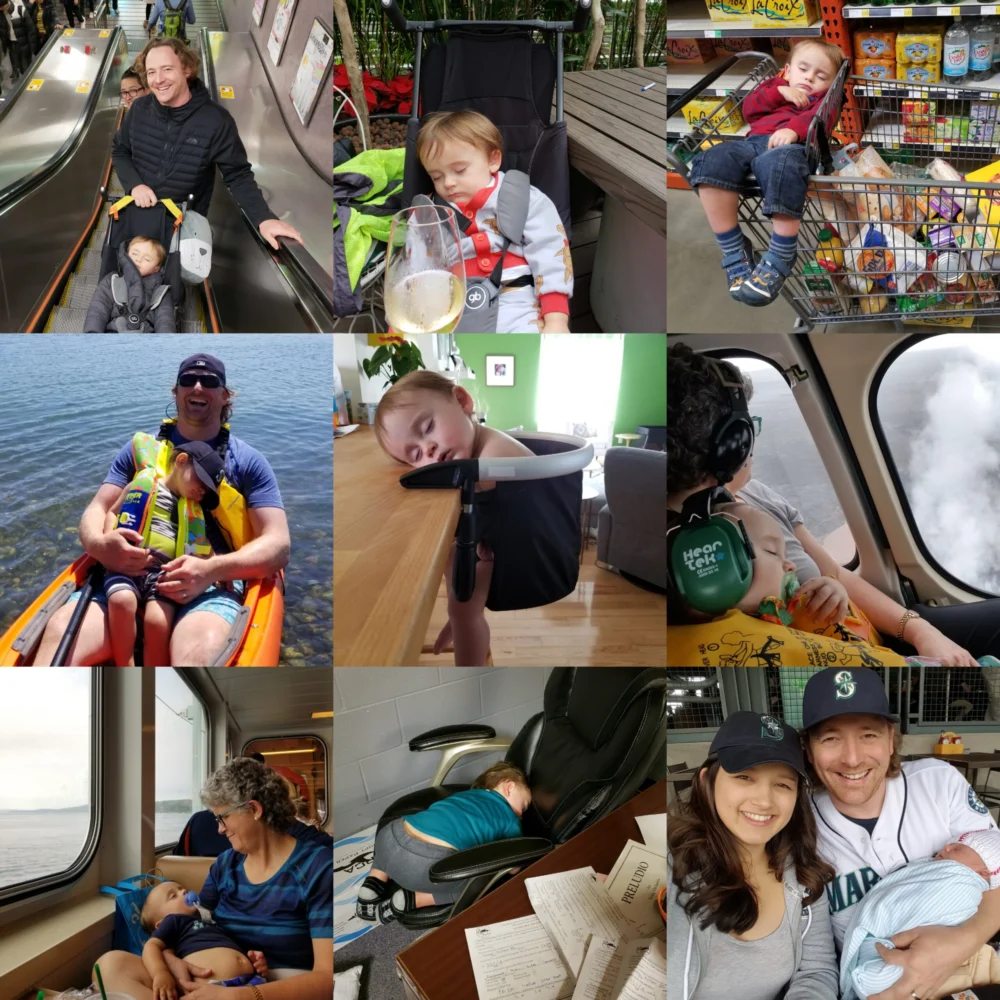
The phenomenon of infant sleep remains one of the most unpredictable aspects of early childhood development, often defying the rigorous schedules and environmental controls established by parents. While pediatricians emphasize the importance of consistent bedtime routines and safe sleep environments, anecdotal evidence from parents worldwide suggests that infants possess a remarkable, if occasionally inconvenient, ability to succumb to exhaustion in the most unlikely of settings. A recent collection of experiences shared by contributors to the lifestyle publication Cup of Jo highlights this biological imperative, documenting instances of children falling asleep during high-intensity activities such as rafting, helicopter tours, and public parades. These accounts provide a window into the physiological resilience of the infant sleep drive and the varied environmental factors that can trigger sudden somnolence in young children.
The Biological Mechanism of Unconventional Infant Sleep
The primary driver behind infants falling asleep in unusual locations is the intensity of "sleep pressure," or the homeostatic sleep drive. In infants and toddlers, the central nervous system is in a state of rapid development, requiring significantly more sleep than the adult brain to process sensory input and facilitate neural growth. According to the National Sleep Foundation, newborns typically require 14 to 17 hours of sleep per 24-hour period, while toddlers aged one to two years require 11 to 14 hours. When the need for sleep reaches a critical threshold, the biological urge to rest can override external stimuli, regardless of the noise level or physical activity occurring in the immediate vicinity.
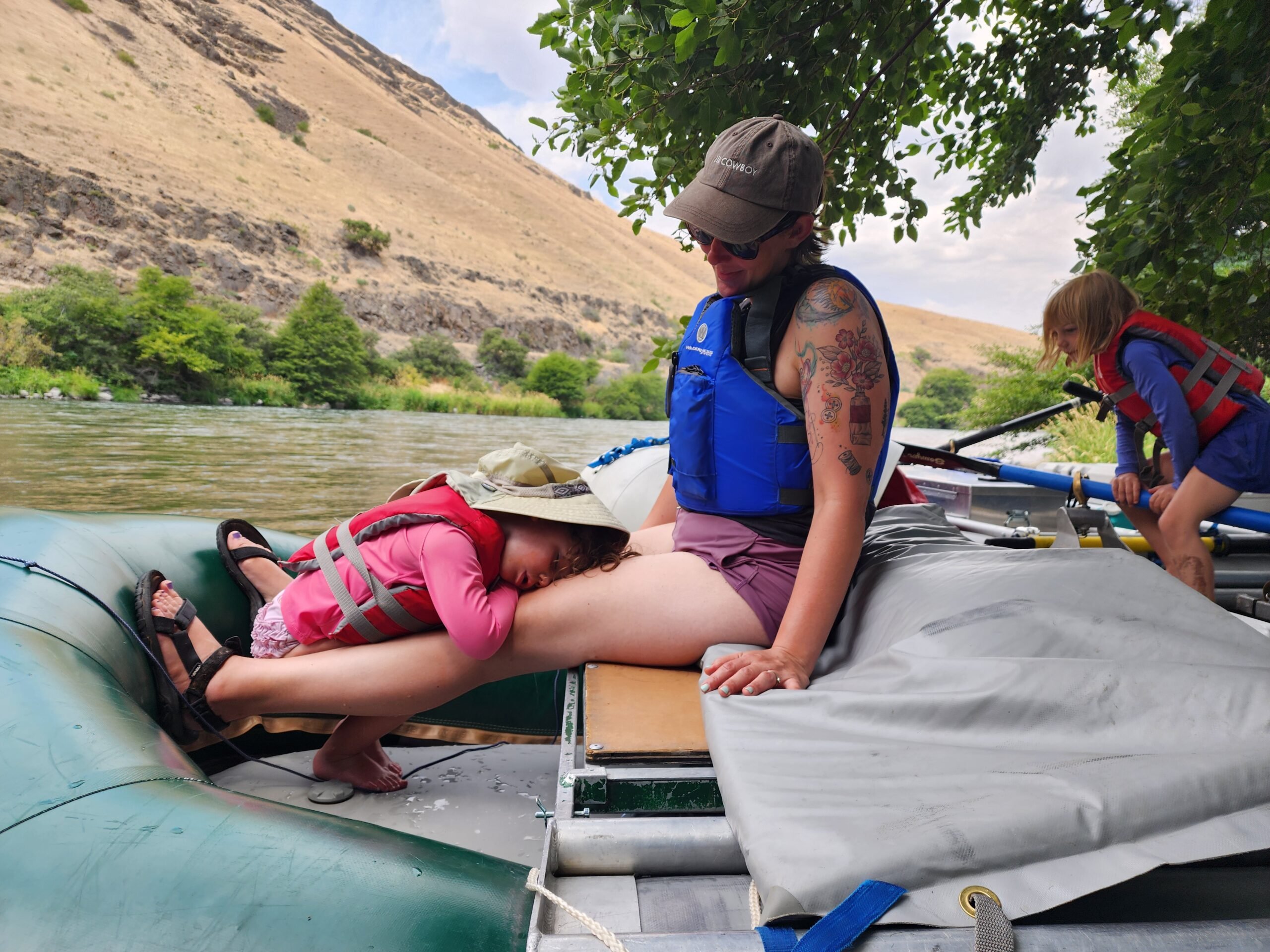
Furthermore, many of the unusual locations cited by parents involve "vestibular stimulation"—rhythmic movement or vibration. This type of motion, whether from a boat on a river, a moving vehicle, or even the vibration of a helicopter, mimics the environment of the womb. This sensory input has a soothing effect on the infant’s parasympathetic nervous system, often leading to a rapid transition from an alert state to deep sleep.
Chronology of Sleep Incidents: From Domestic Settings to International Travel
The documented instances of unexpected sleep follow a trajectory that mirrors the expanding world of a growing child. In the earliest months of life, sleep incidents are often confined to the home or immediate vicinity. As children age and their environments diversify, the locations of these naps become increasingly complex.
Domestic Transitions and Early Infancy
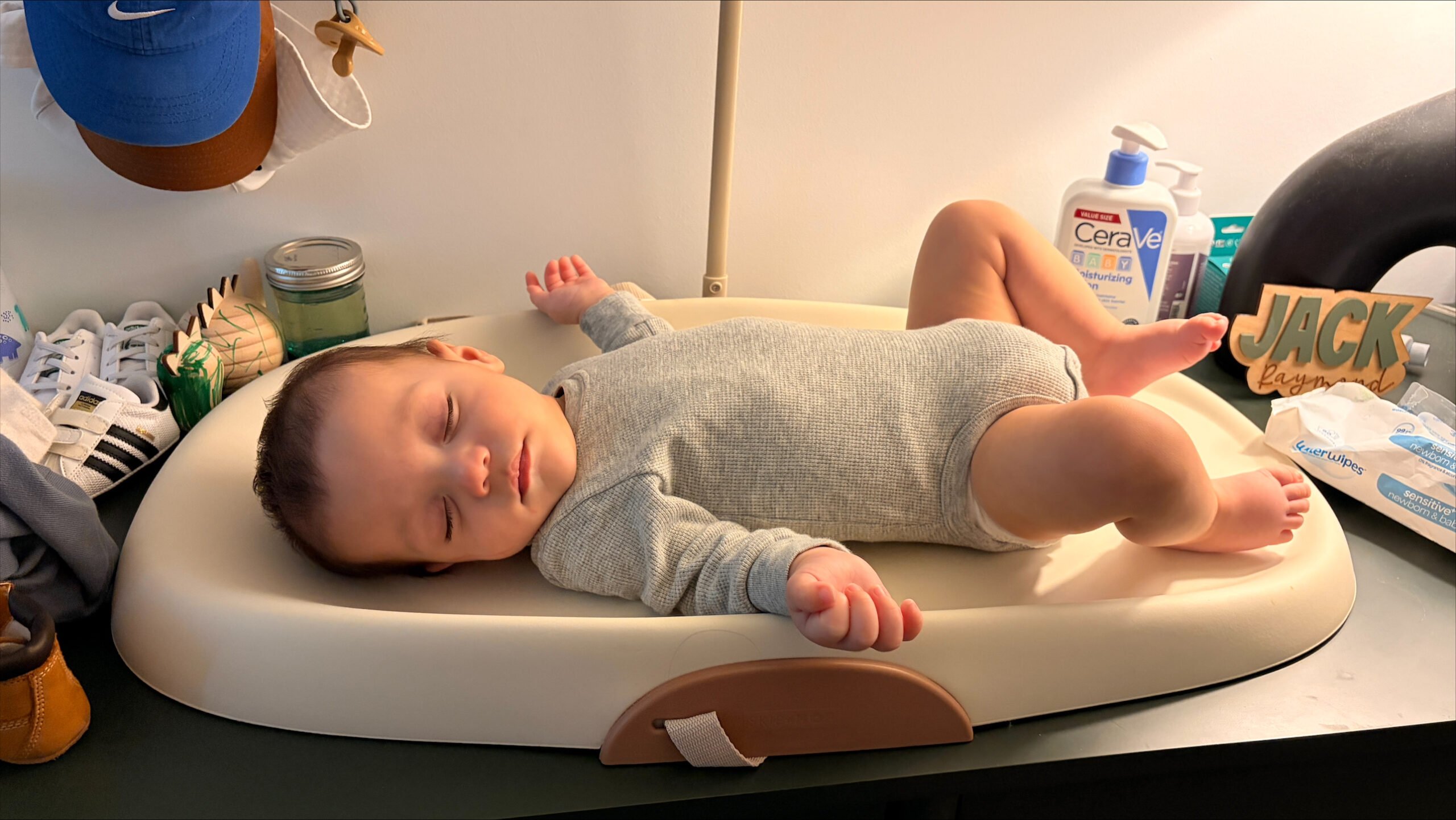
In the initial stages of development, infants may fall asleep during routine care. One parent, Aveena Mathew, noted that her four-month-old son, Jack, fell asleep unexpectedly on a changing pad. In this instance, the child was fully awake when placed down, yet the transition to a horizontal position combined with the momentary lull in activity resulted in immediate sleep. Similarly, Kaitlan, a mother of four, reported that all of her children reached a point of "post-prandial somnolence"—falling asleep during meals—while seated in a standard IKEA high chair. These domestic instances highlight how even the briefest pause in stimulation can allow the sleep drive to take over.
Environmental Stress and Household Upheaval
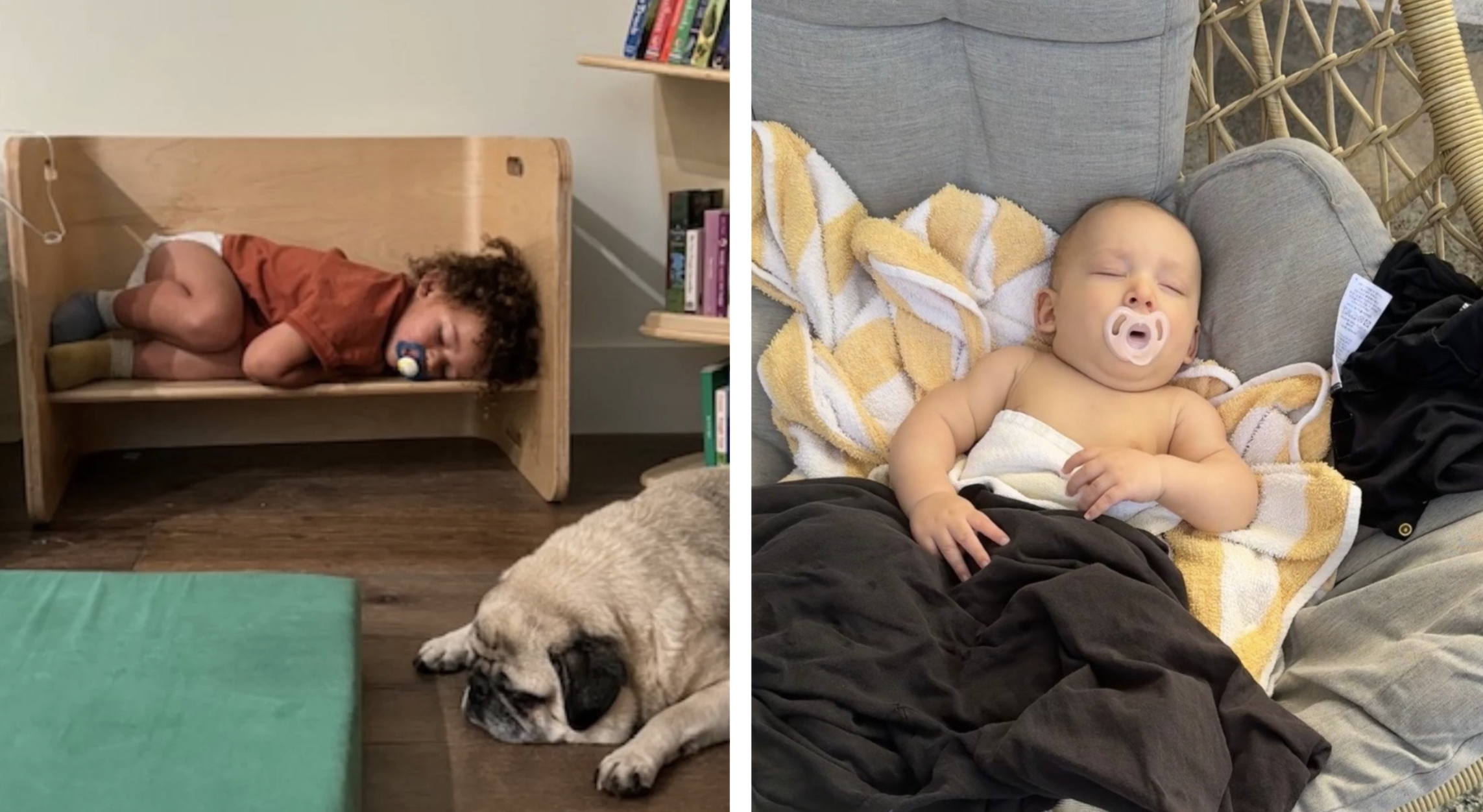
As children reach the toddler stage, their sleep patterns can be influenced by changes in their physical environment. Chloe Hall shared an account of her son, Otis, falling asleep amidst the "chaos of boxes" during a move to a new home at eighteen months old. Despite the lack of a familiar bed or a quiet atmosphere, the child found rest on a small dinner bench, the only furniture unpacked at the time. This suggests that for some children, the exhaustion resulting from environmental change can facilitate sleep even in high-stress or disorganized settings.
High-Stimulus Outdoor Activities
The most striking examples of infant sleep often occur during activities that would typically be expected to keep a child awake. Nicole, a Cup of Jo reader, documented her four-year-old daughter falling asleep while floating down the Deschutes River in Oregon during a rafting trip. Despite the excitement of the excursion and the "squealing with joy" that preceded the nap, the rhythmic movement of the raft and the white noise of the river proved to be a potent sedative.
In more extreme environments, infants have demonstrated the ability to sleep through significant noise and vibration. Katherine, another contributor, reported that her son, Henry, slept through a helicopter ride over volcanoes and kayaking excursions in the Puget Sound. These cases illustrate the power of white noise—the consistent, low-frequency sound of engines or water—in masking disruptive sounds and inducing sleep.
Supporting Data: The Role of White Noise and Sensory Overload
Scientific research into pediatric sleep supports the observations made by these parents. A study published in the Archives of Disease in Childhood found that 80% of newborns fell asleep within five minutes when exposed to white noise, compared to only 25% of those in a control group. The heavy, mechanical hum of a helicopter or the rushing water of a river acts as a natural white noise machine, creating a consistent auditory backdrop that allows the brain to "tune out" individual loud noises.
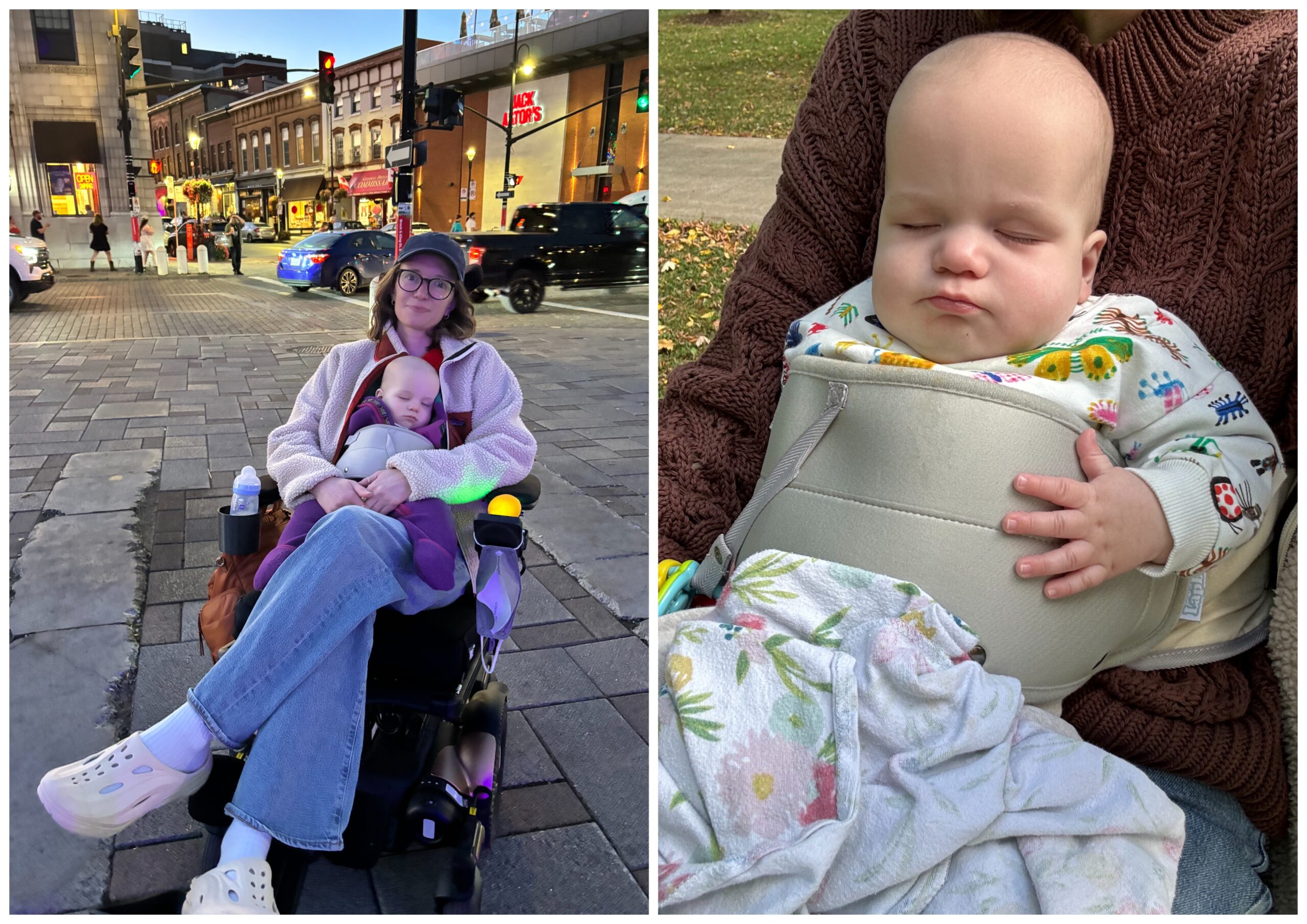
Additionally, the phenomenon of "sensory shutdown" may play a role in why babies sleep in busy environments like parades or shopping malls. Jessica Slice, who uses a wheelchair, noted that her son Frank frequently fell asleep in a "LapBaby" carrier while watching parades. When a child is overwhelmed by an excess of visual and auditory stimuli, their brain may initiate a defensive sleep response to process the information and prevent overstimulation.
Comparative Analysis: Cultural and Individual Variations
The ability to sleep in varied environments is not universal and is often influenced by both temperament and cultural practices. While some children, like Henry, are "flexible sleepers" who can rest anywhere, others require strict adherence to a routine. Katherine noted that her second child, unlike her first, refuses to sleep anywhere except her own bed, highlighting the role of individual biological predispositions.
The Nordic Perspective
Cultural context also dictates what is considered an "unusual" sleep location. In many Nordic countries, such as Denmark and Norway, it is standard practice for infants to nap outdoors in strollers, even in sub-zero temperatures. This practice is rooted in the belief that fresh air promotes better health and deeper sleep. What might appear as a "surprising" sleep location to an American observer is a carefully curated health practice in other parts of the world. This cultural comparison suggests that infant sleep flexibility can be nurtured or discouraged by parental expectations and societal norms.
Safety Implications and Official Pediatric Guidelines
While the images of babies sleeping in grocery carts or during snow tubing excursions are often viewed as humorous or endearing, pediatric experts maintain a focus on safety. The American Academy of Pediatrics (AAP) provides clear guidelines on "Safe Sleep," primarily aimed at reducing the risk of Sudden Infant Death Syndrome (SIDS) and accidental suffocation.
The AAP recommends that infants always be placed on their backs on a firm, flat sleep surface. While "naps on the go" are often unavoidable, experts warn against prolonged sleep in sitting devices such as car seats, strollers, swings, and infant carriers. These devices can allow an infant’s head to slump forward, potentially compromising their airway—a condition known as positional asphyxia. Therefore, while a baby falling asleep in a high chair or a rafting tube makes for a compelling photograph, journalistic objectivity requires noting that medical professionals advise moving the child to a safe, flat surface as soon as it is practical.
Broader Impact on Parenting and Social Perception
The sharing of these "unconventional sleep" stories serves a broader social purpose within the parenting community. Modern parenting is often characterized by an intense pressure to adhere to "sleep training" regimens and rigid schedules. The visibility of children sleeping in "chaotic" or "imperfect" locations helps to normalize the reality of child-rearing, which is often unpredictable and messy.
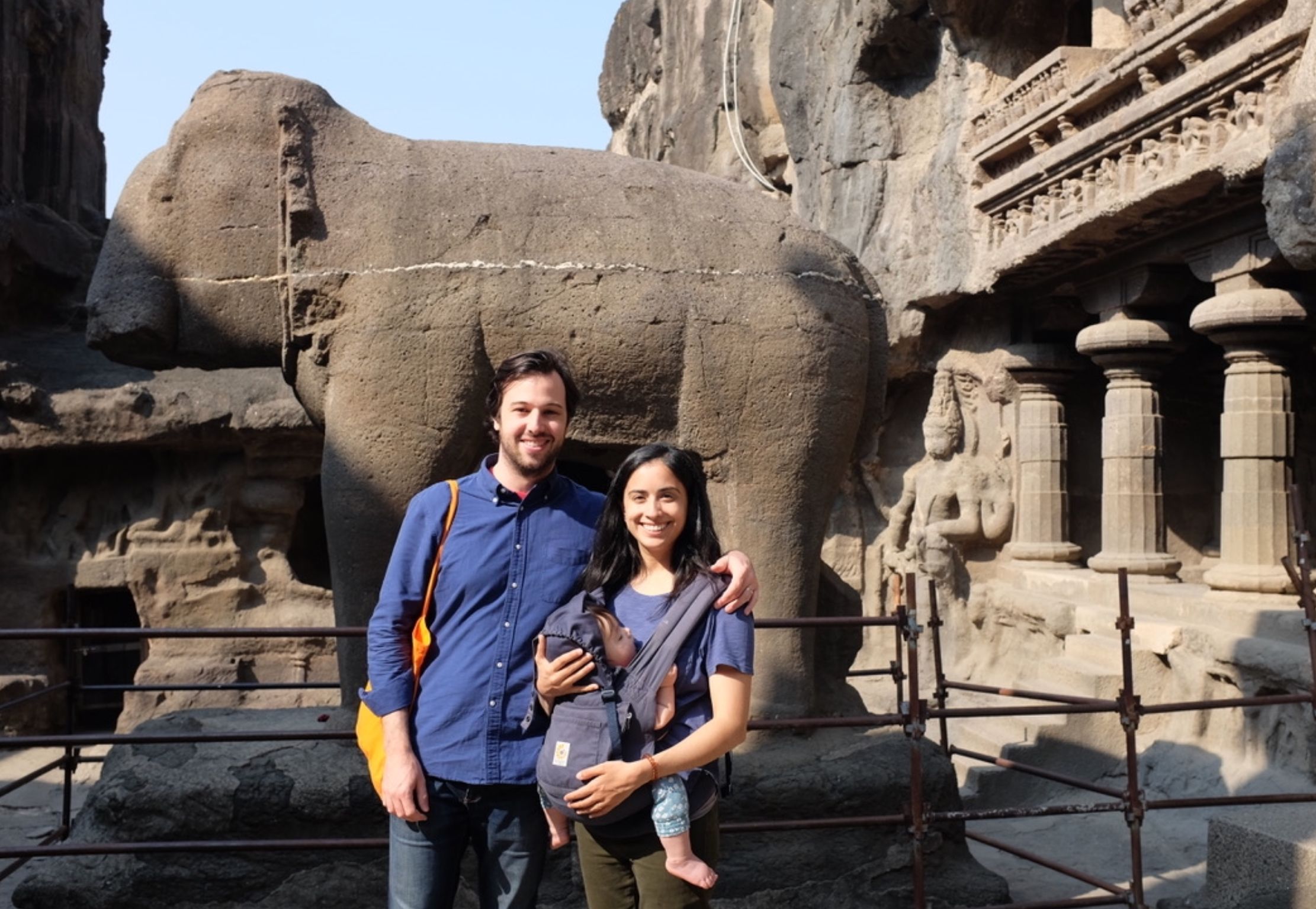
Melina Gac Levin, who traveled to India with her daughter, reflected on the stress she felt regarding nap schedules during the first year of her child’s life. She observed that her daughter, who was a difficult sleeper at home, managed to nap during sightseeing tours in a foreign country. This realization led to a shift in perspective, suggesting that the "lesson" for parents is often to embrace flexibility rather than fighting against the inherent unpredictability of an infant’s internal clock.
Conclusion
The diverse array of locations where infants find rest—from the middle of a river to the seat of a helicopter—highlights the intersection of biological necessity and environmental influence. While the "perfect" sleep environment remains the goal for many, the reality of development often involves a child’s body taking the rest it needs, whenever and wherever it can. These anecdotes, backed by sleep science and developmental psychology, underscore a fundamental truth of early childhood: while parents may try to manage the schedule, the infant’s biological drive for sleep is a powerful and often surprising force. As the parenting community continues to share these experiences, the collective understanding of infant resilience and the "art of the nap" continues to evolve, moving toward a model that values both safety and the necessary flexibility of modern life.
