

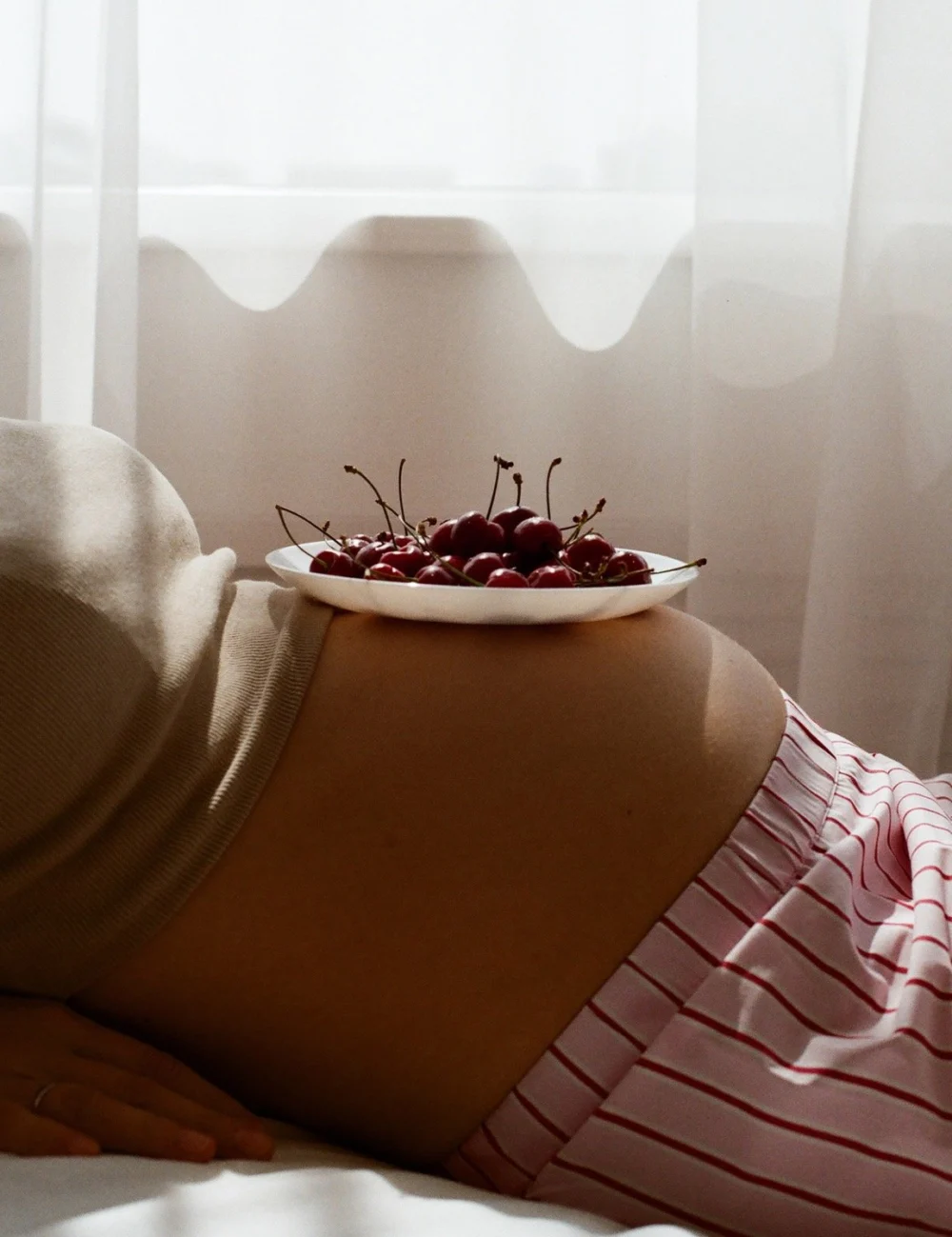
The transition into parenthood is frequently marked by a series of ritualistic behaviors, among which the selection of a final meal before the onset of labor holds significant cultural and physiological weight. For individuals within the professional food industry, these choices often reflect a confluence of culinary expertise, emotional comfort, and the practical necessity of sustaining energy for what medical professionals describe as one of the most physically demanding events in human biology. A recent survey of prominent food writers and editors highlights a diverse range of "last meals," ranging from traditional Georgian dumplings to decadent Italian staples, illustrating the varied ways in which expectant parents navigate the hours preceding childbirth.
The Physiological and Clinical Context of Pre-Labor Nutrition
The selection of a pre-labor meal is often influenced by hospital protocols and the physiological requirements of the birthing process. Historically, the medical community enforced a strict "nil per os" (NPO) or "nothing by mouth" policy for laboring patients, primarily to mitigate the risk of pulmonary aspiration should emergency surgery under general anesthesia become necessary. This protocol, established in the mid-20th century, often relegated expectant mothers to a diet of ice chips and clear liquids.
However, modern obstetric research has led to a shift in these guidelines. The American Society of Anesthesiologists (ASA) and the American College of Obstetricians and Gynecologists (ACOG) have updated their stances to acknowledge that most healthy women can benefit from light meals during early labor. The metabolic demands of labor are frequently compared to those of a marathon; caloric expenditure can reach several hundred calories per hour during active labor. Consequently, the "last meal" serves as a critical glycogen store, providing the endurance necessary for the later stages of delivery.
Documented Experiences from the Culinary Sector
In a series of testimonials from figures within the food media landscape, the choice of a pre-labor meal often serves as a subconscious or intentional "send-off" to life before children. These accounts provide a qualitative look at how food interacts with the biological triggers of labor.
Sarah Karnasiewicz, a features editor at The Wall Street Journal, detailed a rigorous culinary excursion to a Georgian restaurant in Brooklyn. Despite inclement weather and transit delays, Karnasiewicz consumed a substantial volume of khinkali (traditional meat dumplings), lamb soup, and fermented pickles. The onset of labor occurred just hours after this high-protein, high-sodium meal, raising questions about the relationship between heavy caloric intake and the stimulation of the digestive and reproductive systems.
Similarly, Rachel Tepper Paley, Digital Editorial Director at Wine Enthusiast, reported a sudden and intense craving for chocolate ice cream at 39 weeks gestation. Within six hours of consuming the high-sugar, high-fat dessert, her water broke. This pattern of "final cravings" is a common anecdotal phenomenon, often interpreted as the body’s attempt to front-load energy before the intense physical exertion of labor begins.
The Strategy of Inconvenience and Culinary Rituals
For some, the pre-labor meal is a tactical decision. Kristen Miglore, author of the Genius Recipes series, noted a strategy suggested by peers: "Babies like to come when it’s inconvenient." This led Miglore to dine at Al Di La, a renowned Italian establishment in Park Slope, Brooklyn. The meal, consisting of pasta bolognese and profiteroles, coincided with the intensification of contractions. The psychological aspect of "making plans" to trigger labor is a recognized folk tradition in maternal circles, though it lacks rigorous clinical backing. It does, however, highlight the use of dining as a stress-reduction tool during the high-anxiety waiting period of late-term pregnancy.
Jerrelle Guy, author of Black Girl Baking, experienced a similar intersection of celebration and biological onset. During a family BBQ dinner, Guy reported experiencing Braxton Hicks contractions—which she later identified as active labor—while consuming a variety of desserts, including pecan pie. The presence of family and the indulgence in comfort food underscore the social dimension of the pre-birth meal, serving as a communal gathering before the focus shifts to the neonate.
Chronological Analysis of Labor Onset and Food Consumption
The timeline between the consumption of a final meal and the commencement of labor varies significantly among the surveyed professionals.
- Early Labor Sustenance: Sarah Copeland, author of Every Day is Saturday, consumed a chocolate croissant at the onset of her first contraction. This single source of carbohydrates and fats reportedly sustained her through a 44-hour labor marathon. This case aligns with nutritional theories regarding the importance of slow-release energy sources (fats and complex carbs) during the early stages of cervical dilation.
- Induction and Surgical Considerations: In contrast, Sari Kamin, author of Honey & Schmaltz, sought a celebratory meal at Frankies Spuntino after an induction was delayed. The meal—eggplant parmigiana—held sentimental value, as it was the same location where the child was conceived. This highlights the "full circle" narrative many parents seek through culinary choices.
- Clinical Interruptions: The experience of Leah Koenig, a prolific Jewish cookbook author, serves as a reminder of the unpredictability of childbirth. Despite a planned meal of Chinese takeout—including spring rolls and General Tso’s tofu—an unexpected C-section necessitated an immediate shift to NPO status, leaving her with only ice chips. This highlights the tension between culinary desire and clinical necessity.
Supporting Data: Nutritional Requirements and Labor Duration
Data suggests that the average duration of labor for first-time mothers ranges from 12 to 24 hours, while subsequent births are generally shorter. The energy required for uterine contractions and the "pushing" stage is immense. A study published in the journal Obstetrics & Gynecology suggests that women who are allowed to eat a light diet during labor may have shorter total labor times compared to those restricted to clear liquids, as adequate nutrition prevents ketosis (the buildup of ketones in the blood), which can lead to uterine exhaustion.
The meals described by the writers—rich in carbohydrates (pasta, dumplings, pie crusts), proteins (lamb, beef), and fats (ice cream, olive oil)—align with the body’s need for varied energy sources. Carbohydrates provide immediate glucose, while fats and proteins offer sustained satiety.
Broader Implications and Cultural Impact
The "last meal" before birth is more than a biological necessity; it is a cultural artifact. In many societies, the final days of pregnancy are marked by "nesting," a period where the expectant parent prepares the home and, frequently, stocks the pantry. The choice to dine out at a favorite restaurant represents a final moment of autonomy and adult social interaction before the demands of a newborn take precedence.
Furthermore, the transition from the "last meal" to the "first meal" postpartum is a significant area of study in maternal health. Many hospitals have begun to improve the quality of their "celebratory meals" for new parents, recognizing that the first meal after birth is often the most memorable. The writers surveyed noted that their pre-labor choices often became lifelong favorite foods for their children, suggesting a potential—though scientifically unproven—prenatal influence on taste preferences.
Official Guidelines and Future Outlook
As the medical community continues to refine its approach to maternal nutrition, the trend toward "patient-centered care" suggests that more expectant parents will be encouraged to follow their instincts regarding pre-labor food. The ASA currently recommends that "modest amounts of clear liquids" are acceptable for most healthy women in labor, but many birthing centers are moving toward allowing light solids, such as toast or fruit, for low-risk patients.
The accounts provided by these food industry professionals serve as a qualitative bridge between clinical data and the human experience. They suggest that while the "perfect" last meal cannot guarantee a specific birth outcome, the act of eating—whether it is a chocolate croissant or a bowl of borscht—provides a sense of agency, comfort, and physical preparation for the transition into motherhood.
In conclusion, the intersection of gastronomy and obstetrics remains a rich field for both personal narrative and scientific inquiry. As hospital policies evolve and the understanding of maternal metabolism deepens, the "last meal" will continue to be a celebrated and scrutinized component of the birthing journey, serving as both fuel for the body and a final toast to a life about to change forever.
