

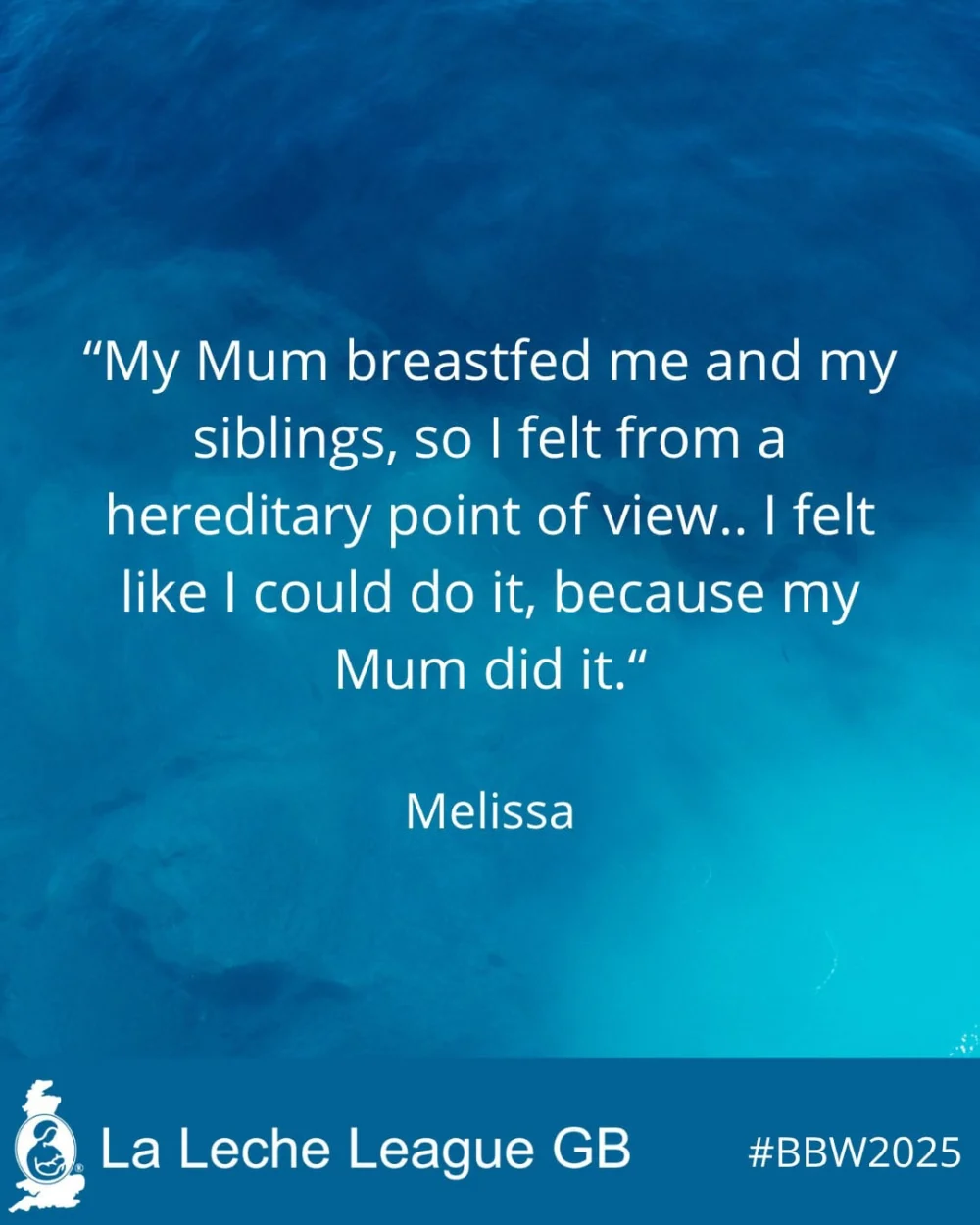
Black Breastfeeding Week, observed annually during the last week of August, serves as a vital platform to amplify the historically underrepresented voices and lived experiences of Black women in the global breastfeeding narrative. This dedicated week aims to confront racial disparities in breastfeeding rates, address systemic barriers, and foster a supportive community that celebrates and empowers Black mothers on their infant feeding journeys. At the heart of this movement, organizations like La Leche League champion the power of personal narratives, recognizing that sharing individual stories like Melissa’s, a mother from London, cultivates a profound sense of connection and collective learning among peers. Melissa’s candid audio reflections, captured while nurturing her five-month-old, offer a poignant window into the realities, challenges, and triumphs faced by Black mothers today, underscoring the critical need for culturally competent support and robust community networks.
The Genesis and Enduring Importance of Black Breastfeeding Week
The origins of Black Breastfeeding Week (BBFW) trace back to 2012, a pivotal initiative spearheaded by public health advocates Kimberly Seals Allers and Kiddada Green. Their vision was to create a specific time to address the stark racial disparities in breastfeeding rates and outcomes that persist globally, particularly in countries like the United States and the United Kingdom. For decades, Black women have faced unique obstacles that have contributed to lower breastfeeding initiation and duration rates compared to their white counterparts. These challenges are deeply rooted in historical injustices, including the legacy of slavery where Black women were forced into wet-nursing roles for white families, often at the expense of nursing their own children. This historical trauma, coupled with aggressive formula marketing in Black communities during the 20th century and ongoing systemic racism within healthcare systems, has created a complex landscape that disproportionately impacts Black mothers.
BBFW was established to counteract these historical and contemporary forces by:
- Raising Awareness: Shining a spotlight on the health disparities and systemic issues affecting Black breastfeeding.
- Building Community: Creating spaces where Black mothers feel seen, heard, and supported.
- Celebrating Black Breastfeeding: Highlighting the beauty, strength, and resilience of Black mothers who choose to breastfeed.
- Advocating for Change: Pushing for policies and healthcare practices that are equitable and culturally sensitive.
According to the Centers for Disease Control and Prevention (CDC) data, in the United States, while breastfeeding initiation rates have improved across all racial and ethnic groups, significant disparities remain. For instance, Black mothers consistently have lower rates of breastfeeding initiation and duration compared to white and Hispanic mothers. Similar patterns are observed in the UK, where data suggests that Black women may face greater challenges in accessing appropriate support and continuing breastfeeding for recommended durations. These disparities are not merely statistical anomalies; they represent real health equity gaps that impact both maternal and infant health outcomes.
Melissa’s Journey: A Microcosm of Broader Challenges and Triumphs
Melissa’s experience, shared through La Leche League, encapsulates many of the themes central to Black Breastfeeding Week. Her reflections on her breastfeeding journey with her five-month-old provide valuable qualitative data on the lived experience, illustrating the need for the focused advocacy BBFW provides.
The Personal Significance of Breastfeeding: For many mothers, breastfeeding transcends mere nutrition; it is an act of profound connection, a cornerstone of maternal identity, and a pathway to optimal health for their child. Melissa’s perspective on why breastfeeding matters to her likely resonates with countless others who view it as a natural, empowering, and deeply personal choice. Beyond the well-documented health benefits—reduced risk of infections, allergies, and chronic diseases for infants, and decreased risk of certain cancers and type 2 diabetes for mothers—breastfeeding fosters an unparalleled bond, promoting emotional well-being for both parent and child. For Black mothers, choosing to breastfeed can also be an act of reclaiming ancestral practices and cultural pride, asserting agency in a healthcare system that has historically disempowered them.
Preconceived Notions and Familial Influences: Melissa’s inquiry into her perception of breastfeeding before motherhood and whether anyone in her family had breastfed touches upon the powerful role of intergenerational knowledge and visible role models. In communities where formula feeding became normalized due to historical factors, many Black women grow up without direct exposure to breastfeeding. This lack of familial precedent can lead to a knowledge gap, making the journey feel more isolating or daunting. Without seeing breastfeeding normalized within their own family circles, new mothers might lack the intuitive understanding or immediate support network that others might possess, making the need for external, likeminded communities even more critical.
Societal and Familial Attitudes: The attitudes of friends and family significantly shape a mother’s breastfeeding experience. While some families offer unwavering encouragement, others may harbor misconceptions, cultural taboos, or even open skepticism, often rooted in outdated advice or a lack of understanding. For Black mothers, navigating these attitudes can be compounded by racial stereotypes or a lack of cultural sensitivity from their social circles. The pressure to conform, the unsolicited advice, or the lack of understanding about breastfeeding’s importance can undermine confidence and lead to early cessation. Melissa’s experience likely reflects the delicate balance between seeking support and setting boundaries within her personal network.
Unforeseen Barriers and Essential Knowledge: Melissa’s question about what she wished she had known and the barriers she faced is particularly illuminating. The reality of breastfeeding often differs from idealized expectations. Common challenges include latch difficulties, pain, supply concerns, mastitis, and the practicalities of breastfeeding in public or returning to work. For Black mothers, these universal challenges can be exacerbated by systemic issues. Studies have shown that Black women are more likely to experience pain during breastfeeding and less likely to receive adequate pain management or lactation support. They may also encounter implicit bias from healthcare providers, leading to less empathetic care or a quicker recommendation for formula. The lack of diverse lactation consultants who understand the unique cultural context and physiological differences (e.g., common misconceptions about milk supply based on breast size) can leave Black mothers feeling unheard and unsupported. These barriers underscore the urgent need for comprehensive, culturally sensitive prenatal education and postpartum support.
Crucial Sources of Help and Support: Identifying useful sources of help is paramount for any breastfeeding journey, but especially for those facing additional systemic hurdles. Melissa’s reflection on her support system highlights the types of resources that prove invaluable:
- La Leche League: As a peer-to-peer support organization, LLL provides evidence-based information, encouragement, and a safe space for mothers to share experiences. Its emphasis on mother-to-mother support is particularly potent.
- Certified Lactation Consultants (IBCLCs): Professional lactation care can address complex issues, but access to culturally competent IBCLCs who understand the specific needs of Black mothers remains a challenge.
- Black-led Breastfeeding Organizations: Groups like the Black Mothers’ Breastfeeding Association (BMBA) specifically cater to the unique needs of Black families, providing culturally congruent support and advocacy.
- Healthcare Providers: While general practitioners and midwives are crucial, specialized training in lactation and cultural competency is vital to ensure equitable care.
Building a Supportive Community: Perhaps the most profound insight from Melissa’s story is the power of building a supportive community. Breastfeeding thrives in environments where mothers feel connected, validated, and empowered. For Black mothers, finding "likeminded" individuals, as the article title suggests, is not just about shared parenting philosophies, but often about shared racial identity and understanding of systemic challenges. These communities—whether online forums, local support groups, or trusted friends—provide emotional resilience, practical advice, and a sense of belonging that can make the difference between successful, sustained breastfeeding and early cessation. They act as a buffer against societal pressures and a source of strength when navigating difficult moments.
Broader Implications and The Path Forward
The narratives emanating from Black Breastfeeding Week, including Melissa’s, carry significant implications for public health, social equity, and economic stability. Addressing the disparities in breastfeeding rates among Black women is not merely a matter of individual choice; it is a critical component of achieving health equity. When Black mothers are empowered to breastfeed, the entire community benefits from improved health outcomes, reduced healthcare costs associated with infant illness, and stronger maternal-child bonds.
Healthcare System Reform: There is an urgent need for healthcare systems to acknowledge and dismantle the systemic racism that impacts Black mothers’ breastfeeding experiences. This includes:
- Training Healthcare Professionals: Mandating cultural competency and implicit bias training for all healthcare providers involved in maternal and infant care.
- Diversifying the Lactation Profession: Increasing the number of Black lactation consultants and educators who can provide culturally sensitive and informed support.
- Equitable Access to Care: Ensuring that all mothers, regardless of socioeconomic status or race, have access to high-quality, professional lactation support.
Policy and Advocacy: Policymakers must implement initiatives that support Black breastfeeding, such as:
- Paid Parental Leave: Enabling mothers to breastfeed for longer durations without financial pressure.
- Workplace Protections: Ensuring adequate pumping breaks and private spaces for breastfeeding mothers returning to work.
- Funding for Community-Based Programs: Investing in grassroots organizations and peer support networks that directly serve Black communities.
Community Empowerment: Continuing to foster and fund Black-led organizations and initiatives that celebrate and support Black breastfeeding is paramount. These organizations often provide a sense of belonging and trust that traditional healthcare settings may struggle to replicate. By amplifying stories like Melissa’s, these platforms challenge negative stereotypes, provide role models, and create a powerful collective voice for change.
The ongoing celebration of Black Breastfeeding Week, supported by organizations like La Leche League, is more than an annual observance; it is a movement dedicated to rectifying historical wrongs, addressing present-day inequities, and building a future where every Black mother has the knowledge, support, and community needed to achieve her breastfeeding goals. Melissa’s story is a testament to the resilience of mothers and the transformative power of a supportive community. It serves as a powerful reminder that while individual journeys vary, the collective commitment to equity and empowerment can pave the way for a healthier, more just society. La Leche League continues to encourage mothers to share their unique stories, understanding that each narrative contributes to a richer, more inclusive tapestry of support. Those inspired to contribute their own experiences to "Breastfeeding Matters" or the organization’s website can reach out via email at [email protected] or by completing the form at bit.ly/lllgb-newsletter, reinforcing the idea that every voice is a crucial building block in the ongoing mission to support and empower breastfeeding mothers worldwide.
