

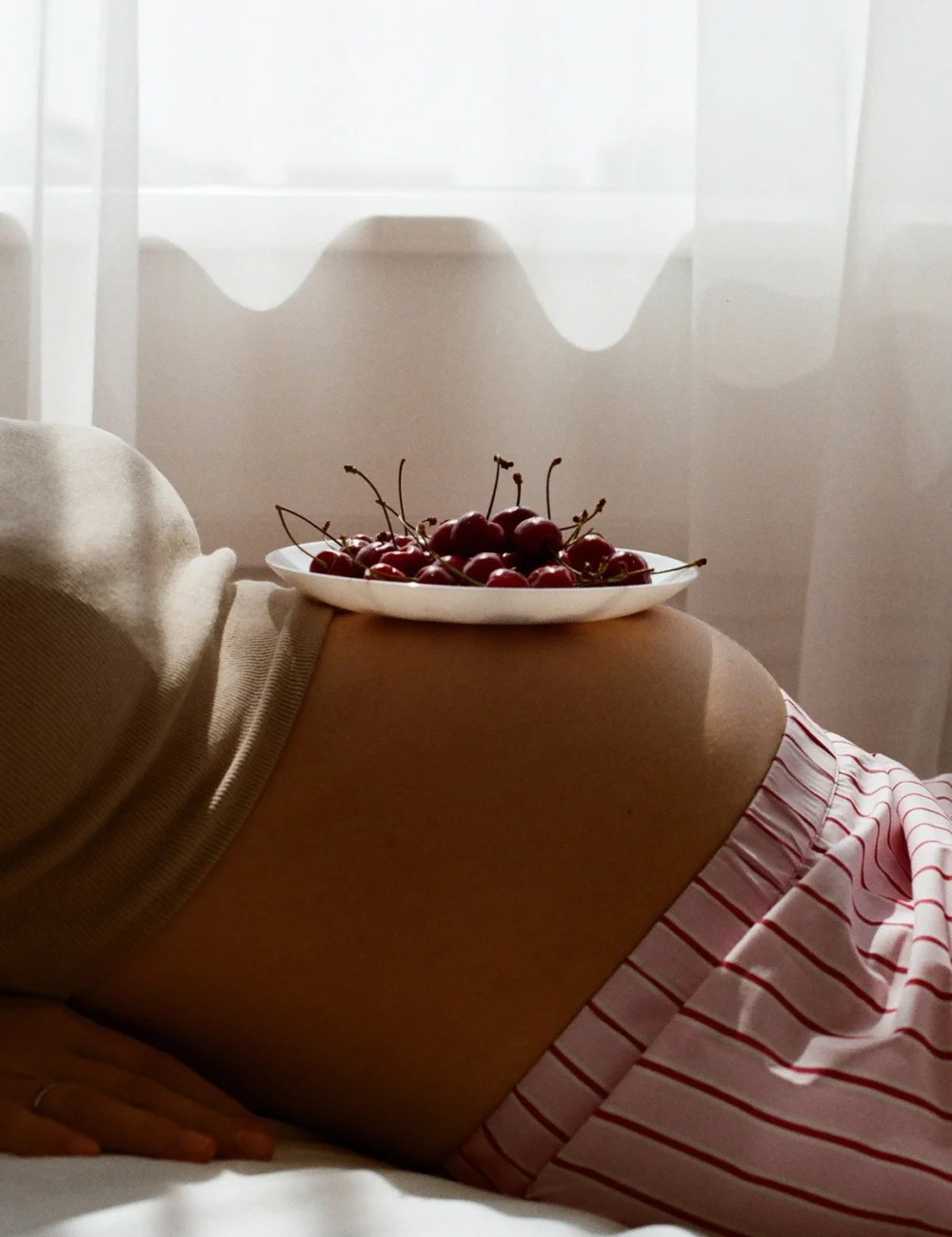
The transition from pregnancy to active labor represents one of the most significant physiological and psychological shifts in the human experience, a period often characterized by a final moment of normalcy: the last meal. For many expectant parents, particularly those whose professional lives revolve around the culinary arts, this final intake of sustenance serves as more than mere nutrition; it is a strategic caloric reserve for the physical demands of childbirth and a symbolic farewell to life before the arrival of a newborn. While medical guidelines regarding intake during labor have evolved over decades, the cultural ritual of the "last meal" remains a poignant milestone in the birthing timeline.
The Evolution of Clinical Perspectives on Labor Nutrition
Historically, the medical community maintained strict protocols regarding food consumption prior to and during labor. For much of the 20th century, the "NPO" (nil per os, or nothing by mouth) rule was standard in hospital settings. This practice was largely rooted in a 1946 study by Dr. Curtis Mendelson, which identified the risk of aspiration pneumonitis—now known as Mendelson’s Syndrome—should a patient require general anesthesia during an emergency C-section. Because general anesthesia was more common and less refined in the mid-century, the risk of stomach contents entering the lungs was a primary concern for obstetricians and anesthesiologists.
However, contemporary research has led to a shift in these restrictive policies. The American Society of Anesthesiologists (ASA) and the American College of Obstetricians and Gynecologists (ACOG) updated their joint committee opinions in recent years, noting that for healthy women with uncomplicated pregnancies, the risk of aspiration is exceedingly low. Modern guidelines now often permit clear liquids and, in some cases, light snacks during early labor. The rationale is physiological: labor is an energy-intensive process, frequently compared to running a marathon. Depriving the body of glucose can lead to ketosis, which may decrease the efficiency of uterine contractions and potentially prolong the duration of labor.
Despite these updates, the "last meal" remains a critical juncture, especially for those facing scheduled inductions or surgical births. As noted by culinary professionals, the frustration of missing this meal due to unexpected medical interventions, such as an emergency C-section, highlights the emotional weight placed on this final act of consumption.
Case Studies in Pre-Labor Gastronomy: Professional Accounts
For food writers and editors, the choice of a final meal is rarely accidental. It often reflects a desire for comfort, a craving driven by late-stage hormonal shifts, or a calculated attempt to "induce" labor through specific ingredients.
Sarah Karnasiewicz, a features editor at The Wall Street Journal, recounted a deliberate trek to a Georgian restaurant in Brooklyn during a cold snap. Her meal consisted of khinkali (traditional soup dumplings), lamb soup, borscht, and sausages. The heavy, spice-rich profile of Georgian cuisine is often cited in anecdotal circles as a potential catalyst for labor. In Karnasiewicz’s case, the transition from digestion to active labor occurred within three hours of her meal, illustrating the thin line between gastrointestinal activity and uterine contractions.
In contrast, Rachel Tepper Paley of Wine Enthusiast Magazine highlighted the role of specific cravings. At 39 weeks, she experienced an urgent need for chocolate ice cream, a common craving in the third trimester often linked to the body’s need for quick-release sugars and fats. The onset of labor followed six hours later, suggesting that the "nesting" instinct may extend to a biological drive to store specific nutrients before the physical exertion of birth begins.
The Intersection of Superstition and Culinary Tradition
The "labor-inducing" meal is a well-documented phenomenon in American food culture. Specific restaurants, such as Scalini’s in Georgia (famed for its eggplant parmigiana) or various pizza parlors claiming "labor-inducing" toppings, have become pilgrimage sites for overdue expectant parents.
Sari Kamin, author of Honey & Schmaltz, documented a similar experience at Frankies Spuntino in Brooklyn. Her choice of eggplant parmigiana—a dish frequently associated with labor induction myths—was both a culinary preference and a symbolic bookend, as it was the same location where her child was conceived. This circularity highlights the emotional and narrative role food plays in the reproductive cycle.
Similarly, Kristen Miglore, author of the Genius Recipes series, utilized the strategy of "inconvenience." The theory suggests that labor is more likely to begin when the parents are engaged in an activity that would be difficult to interrupt. Miglore’s experience at a legendary Italian restaurant in Park Slope, where contractions intensified over a bowl of pasta bolognese and culminated just as dessert arrived, serves as a quintessential example of the "last meal" being interrupted by the very event it was meant to precede.
Supporting Data: The Metabolic Demands of Childbirth
To understand the significance of these meals, one must look at the metabolic data associated with parturition. During active labor, the uterus undergoes powerful muscular contractions that require significant adenosine triphosphate (ATP) production. Studies have shown that the energy expenditure of a woman in labor can range from 2.3 to 4.5 METs (Metabolic Equivalents), comparable to continuous hiking or light aerobic exercise.
Data from the Journal of Midwifery & Women’s Health suggests that women who consume light meals or high-carbohydrate liquids during labor may have shorter labor durations by an average of 45 to 90 minutes compared to those restricted to ice chips. This supports the anecdotal evidence provided by Sarah Copeland, author of The Newlywed Cookbook, who credited a single chocolate croissant with providing the necessary endurance for a 44-hour labor marathon. The longevity of the energy provided by complex fats and carbohydrates in pastries can be a vital resource when the "active" phase of labor extends beyond the expected timeframe.
Chronology of the Final Hours: A Summary of Experiences
The timeline from the final bite to the first contraction varies, but a pattern emerges in the accounts of these food professionals:
- The Anticipatory Phase: Occurring 12 to 24 hours before labor. This is often marked by a "celebratory" meal, such as Jerrelle Guy’s BBQ feast and mini-dessert buffet. The focus is on indulgence and family gathering.
- The Latent Phase: Occurring 3 to 6 hours before active labor. Cravings become "violent" or highly specific, as seen in the ice cream and croissant anecdotes. The body is likely signaling a need for a final glucose spike.
- The Active Transition: Labor begins during or immediately following the meal. This is the "interrupted" meal scenario, where the physical process of labor overrides the social act of dining.
Official Responses and Broader Implications
While there is no "official" recommendation for a specific last meal from organizations like the World Health Organization (WHO), the general consensus among midwives and progressive obstetricians is to "eat to hunger." The WHO’s recommendations for a positive childbirth experience emphasize that low-risk women should be encouraged to drink and eat according to their wishes during labor to maintain energy levels.
The broader implications of these culinary choices touch upon the medicalization of birth versus the humanization of the experience. By choosing a specific "last meal," expectant parents reclaim a sense of agency in a process that is often dictated by hospital protocols and biological unpredictability.
Furthermore, the "last meal" serves as a bridge between two identities. For food writers, whose identities are deeply tied to the appreciation of flavor and craft, these meals represent the final act of a "former self" before the selfless demands of newborn care take precedence. The fact that Sarah Copeland’s daughter, 15 years later, shares her mother’s love for the chocolate croissant that fueled her birth speaks to the lasting cultural and emotional legacy of these final pre-labor choices.
Conclusion: The Lasting Significance of the Pre-Birth Meal
The stories of these six food writers underscore a universal truth: food is never just fuel, especially not on the eve of a life-altering event. Whether it is a bowl of pasta in Brooklyn, a chocolate cone on a summer walk, or a spread of Georgian dumplings, the last meal before giving birth is a high-stakes culinary event. It is a moment of calm before the storm, a strategic preparation for a physical marathon, and a final celebration of life as it has been known. As medical protocols continue to evolve toward a more holistic view of maternal nutrition, the ritual of the last meal is likely to remain a cherished and analyzed tradition in the journey to parenthood.
