

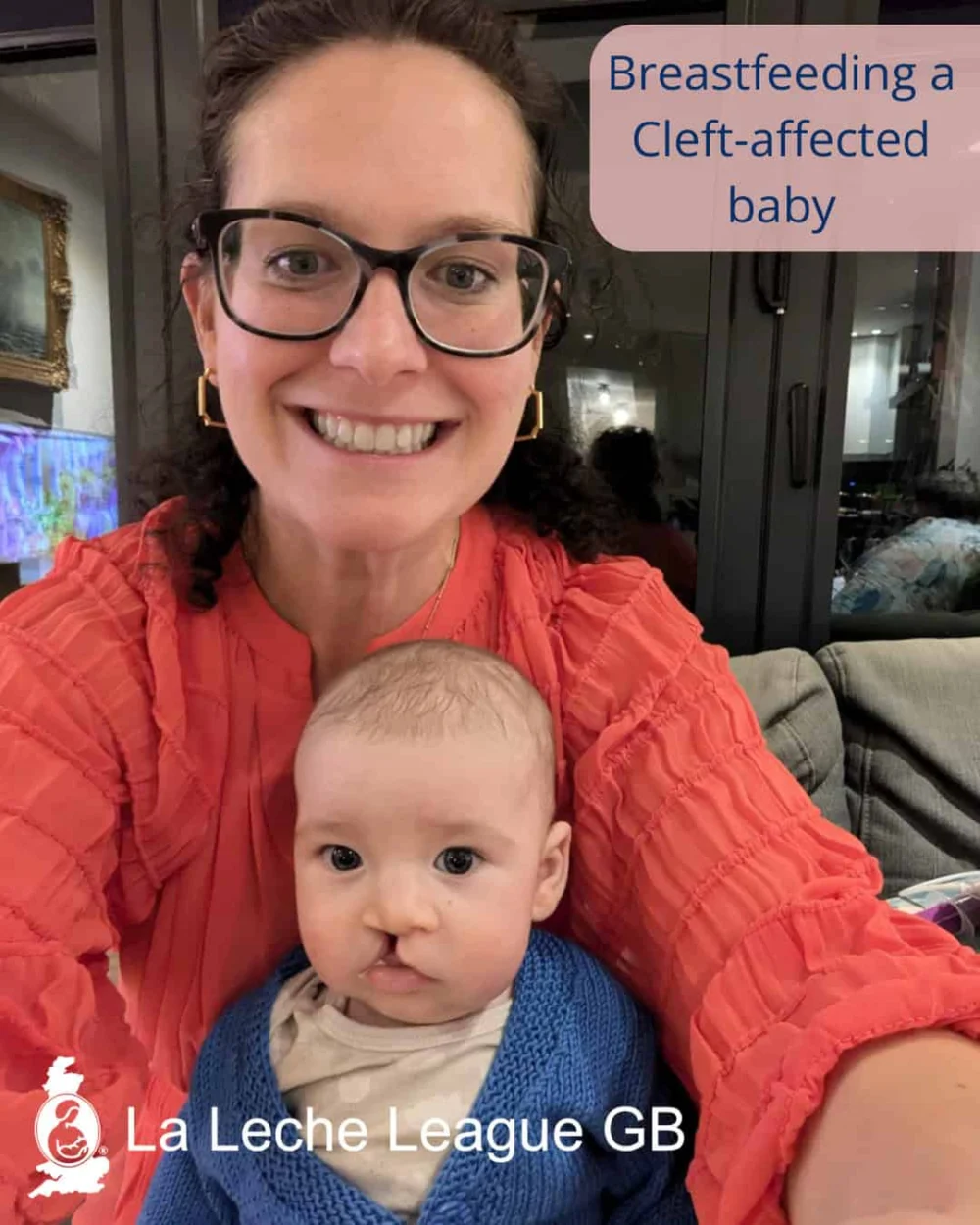
A cleft lip or palate occurs when the structures forming the baby’s upper lip or the roof of the mouth do not fully fuse during early fetal development. This congenital condition, affecting approximately 1 in 700 live births globally, presents unique challenges for infant feeding, particularly breastfeeding. While a cleft lip often allows for successful breastfeeding with adaptations, a cleft palate significantly impedes a baby’s ability to generate the necessary suction pressure to extract milk from the breast, making direct nursing difficult until surgical repair. Despite these obstacles, breastfeeding remains a viable and highly recommended option for many families, demanding perseverance, tailored strategies, and robust support systems.
Understanding Cleft Lip and Palate: A Medical Overview
Cleft conditions are among the most common birth anomalies. A cleft lip can range from a minor notch to a complete separation extending into the nose, while a cleft palate involves an opening in the roof of the mouth, which can affect the soft palate, hard palate, or both. These conditions can occur independently or in combination, and their severity dictates the extent of feeding difficulties and the complexity of surgical intervention. The precise cause is often multifactorial, involving a combination of genetic predispositions and environmental factors during pregnancy.
The diagnosis of a cleft lip is frequently made during prenatal ultrasound examinations, offering prospective parents an opportunity for early education and planning. Cleft palates, however, can be more challenging to detect prenatally and are often identified at birth during the routine newborn examination. Upon diagnosis, families are typically introduced to a multidisciplinary cleft team, which includes surgeons, speech and language therapists, audiologists, dentists, and specialist nurses, all dedicated to guiding the child’s care from infancy through adolescence.
The Crucial Role of Breastfeeding in Cleft Care
For any infant, breast milk provides optimal nutrition and immunological protection. For babies born with a cleft, these benefits are even more pronounced. Breast milk contains antibodies that help protect against infections, which is particularly vital for infants facing multiple surgeries. It also offers anti-inflammatory properties that can aid in healing and recovery post-surgery. Furthermore, the act of breastfeeding, even with adaptations, can contribute to the development of oral motor skills, which are beneficial for future speech and feeding development.

The journey of breastfeeding a cleft-affected baby is often described by parents as an act of profound commitment. While initial reactions to the diagnosis may include uncertainty and apprehension regarding feeding, medical professionals and lactation experts consistently emphasize that breastfeeding is not only possible but highly advantageous. "We understand the initial shock and concern parents feel about feeding their cleft-affected baby," states Dr. Eleanor Vance, a lead pediatric surgeon specializing in craniofacial anomalies. "However, with the right guidance and tools, we see many mothers successfully provide breast milk, which significantly contributes to the baby’s overall health and surgical recovery."
Establishing and Maintaining Milk Production: A Foundation for Success
The cornerstone of successful breastfeeding for a cleft-affected baby, whether directly at the breast or through expressed milk, is establishing and maintaining a robust milk supply. This process is critical from the earliest hours after birth. In the initial days and weeks, the breasts are "learning" how much milk to produce to meet the baby’s needs. The more frequently and effectively milk is removed, the greater the supply will become.
Key Strategies for Milk Production:
- Early Initiation: Ideally, mothers should begin feeding or expressing milk within the first few hours following birth. This early stimulation is crucial for signaling the body to initiate a full milk supply.
- Frequent Milk Removal: To establish and maintain a full milk supply, mothers typically need to breastfeed or express at least 8-12 times within a 24-hour period during the first month. The principle is "supply and demand": breasts that feel full for extended periods slow down milk production. Consistent milk removal, therefore, is paramount.
- Efficient Pumping Equipment: For babies unable to feed directly or efficiently from the breast, a double electric "hospital-grade" breast pump is often the most effective tool. These pumps offer powerful, consistent suction and allow for simultaneous pumping from both breasts, maximizing efficiency and milk yield. Cleft specialist nurses can often facilitate access to these pumps, either through loan programs or rental services. While some mothers find success with smaller, personal pumps or hand expression, a hospital-grade pump is frequently recommended for establishing and maintaining a full supply.
- Storage and Handling: Proper storage of expressed breast milk is essential to preserve its nutritional and immunological properties. Guidelines on safe storage durations at room temperature, in the refrigerator, and in the freezer are readily available from healthcare providers and lactation resources.
The effort required to build and maintain a full milk supply for an infant who cannot breastfeed effectively is considerable. It demands significant time and dedication from the mother, often necessitating extensive practical support from family, friends, and healthcare professionals. The initial weeks are often the most challenging, as the body adjusts and the feeding routine is established. However, many mothers report that over time, their bodies become more efficient, and they can maintain their supply with less frequent expression, making the process more manageable.
Adaptive Feeding Techniques in the Early Days
In the immediate postpartum period, a newborn’s stomach capacity is small, and they consume only tiny amounts of colostrum. As milk supply increases over the first week, so does the baby’s intake. For cleft-affected babies who cannot feed effectively at the breast, alternative methods are employed to ensure they receive adequate nutrition.

Feeding Tools and Methods:
- Syringe and Teaspoon Feeding: In the very first day or two, when colostrum volumes are small, a syringe or teaspoon can be used to deliver expressed breast milk directly into the baby’s mouth. This method is temporary as the baby’s milk needs quickly outgrow its practicality.
- Specialized Bottles: A significant innovation in feeding cleft-affected babies has been the development of specialized bottles and teats. These are designed to minimize air intake and facilitate milk flow without requiring strong suction. Examples include bottles with softer, longer teats, or those with one-way valves that prevent milk from flowing back into the bottle, reducing the effort needed by the baby. Your cleft specialist nurse is an invaluable resource for advising on the most suitable type for your baby’s specific cleft anatomy.
- Nursing Supplementers (Supplemental Nursing Systems): These devices represent a bridge between direct breastfeeding and alternative feeding methods. A nursing supplementer allows a baby to latch onto the breast while simultaneously receiving additional milk (expressed breast milk, donor milk, or formula) through a thin tube positioned alongside the nipple.
Benefits of Nursing Supplementers:
- Stimulates Milk Supply: The baby’s suckling at the breast, even if inefficient, helps to stimulate the mother’s milk production.
- Promotes Bonding: Facilitates skin-to-skin contact and the intimate experience of feeding at the breast, fostering a strong emotional connection.
- Oral Motor Development: Encourages the baby to practice suckling movements, which can be beneficial for future feeding and speech.
There are several types of nursing supplementers, ranging from simple systems involving a bottle and tube to more integrated devices. Working with a lactation consultant experienced in using these systems is highly recommended to ensure proper setup, positioning, and milk delivery. For babies with a cleft palate who cannot create suction, the supplemental milk often needs to be delivered rather than relying solely on the baby’s efforts. This can be achieved by gently squeezing the bag or bottle of the supplementer, or by using a syringe to push milk through the tube. This "assisted feeding" ensures the baby receives adequate nutrition while still being at the breast.
Optimizing Feeding Positions
Finding a comfortable and effective feeding position is crucial for both mother and baby. While there is no single "correct" position, certain adaptations can help manage the unique challenges posed by a cleft.
Recommended Positions and Techniques:
- Upright or Semi-Upright Positions: Holding the baby in a more upright position, such as the football hold or a modified cradle hold, can help gravity assist milk flow and reduce the risk of milk entering the nasal cavity (a common issue with cleft palates).
- Supporting the Jaw: Gently supporting the baby’s jaw and cheeks can improve their ability to compress the breast tissue and manage milk flow.
- Directing the Nipple: For a cleft lip, positioning the breast so that the fuller part of the nipple and areola fills the cleft opening can help create a better seal.
- Frequent Burping: Babies with clefts may swallow more air during feeding, making frequent burping important to prevent discomfort.
- Observation and Responsiveness: Mothers are encouraged to observe their baby’s cues closely, looking for signs of effective swallowing, comfort, and satiety.
"Each baby’s cleft is unique, and so is their feeding style," notes Sarah Muir-Little, a mother who successfully breastfed her cleft-affected son using a nursing supplementer. "It took time and experimentation to find our rhythm, but the effort was incredibly rewarding. The support from our lactation consultant and cleft team was invaluable in navigating the different positions and techniques."

The Surgical Journey and Post-Operative Feeding
The timeline for cleft repair surgery typically involves lip repair around 3-6 months of age, and palate repair between 6-12 months. These surgeries significantly alter the baby’s oral anatomy, which in turn impacts their feeding abilities.
Pre-Surgery Preparation:
If a mother plans to breastfeed directly after palate repair, it is beneficial for the baby to have had at least some direct breast exposure prior to surgery. This helps the baby "remember" the action of latching and associate the breast with milk. Maintaining a strong milk supply through expression during this period is also vital.
Post-Surgery Recovery:
Following surgery, babies may initially struggle with direct breastfeeding due to pain, swelling, and the unfamiliarity of their newly repaired mouth. It can take several weeks for them to regain strength, adapt to the new oral structure, and re-learn effective suckling. During this recovery phase, continued expression of breast milk is paramount. Not only does it maintain the mother’s supply, but breast milk also provides critical nutrients and immunological support for healing and recovery. The protective factors in breast milk can reduce the risk of post-operative infections, contributing to a smoother recovery.
The Emotional and Psychological Landscape
Parenting a child with a congenital anomaly like a cleft lip or palate can be an emotionally taxing experience. The initial diagnosis, the multiple medical appointments, the surgeries, and the ongoing feeding challenges can lead to feelings of stress, anxiety, and even grief. For mothers, the pressure to provide breast milk, especially when direct breastfeeding is difficult, can add another layer of emotional burden.
"It’s okay to feel overwhelmed," advises a representative from a national cleft charity. "The journey is demanding, but parents are not alone. Accessing emotional support, whether through peer groups, counseling, or simply connecting with other parents who have walked a similar path, is crucial for mental well-being." Organizations like La Leche League (LLL) offer invaluable peer-to-peer support, connecting mothers with experienced LLL Leaders who can provide practical advice and empathetic understanding throughout the breastfeeding journey. These leaders often have personal experience or extensive knowledge of diverse breastfeeding situations, including those involving cleft-affected babies.

Broader Implications and Long-Term Impact
The sustained effort to provide breast milk, whether directly or expressed, has significant long-term implications for children with cleft conditions. Beyond the immediate health benefits, successful breastfeeding or provision of breast milk can foster a sense of empowerment and accomplishment for parents. It reinforces their ability to nurture and provide for their child despite significant obstacles.
From a public health perspective, increasing awareness and support for breastfeeding cleft-affected babies can lead to better health outcomes for this vulnerable population. It highlights the importance of integrated care, where lactation support is seamlessly woven into the multidisciplinary cleft team’s services. Continuous research into optimal feeding strategies and tools further enhances the possibilities for these families.
Conclusion
Breastfeeding a baby with a cleft lip or palate is undeniably a journey marked by challenges, requiring dedication, patience, and a strong support network. However, it is a journey rich with rewards, offering profound health benefits for the baby and deep satisfaction for the mother. From maintaining a robust milk supply through consistent expression to mastering adaptive feeding techniques with specialized bottles or nursing supplementers, every step contributes to the baby’s well-being and development. With the expert guidance of cleft specialist teams, lactation consultants, and the invaluable support offered by organizations like La Leche League, mothers can navigate this path successfully, ensuring their cleft-affected babies receive the unparalleled nourishment and comfort of human milk. The stories of mothers who have triumphed in this endeavor serve as powerful testaments to the strength of maternal love and the transformative power of informed, compassionate care.
