

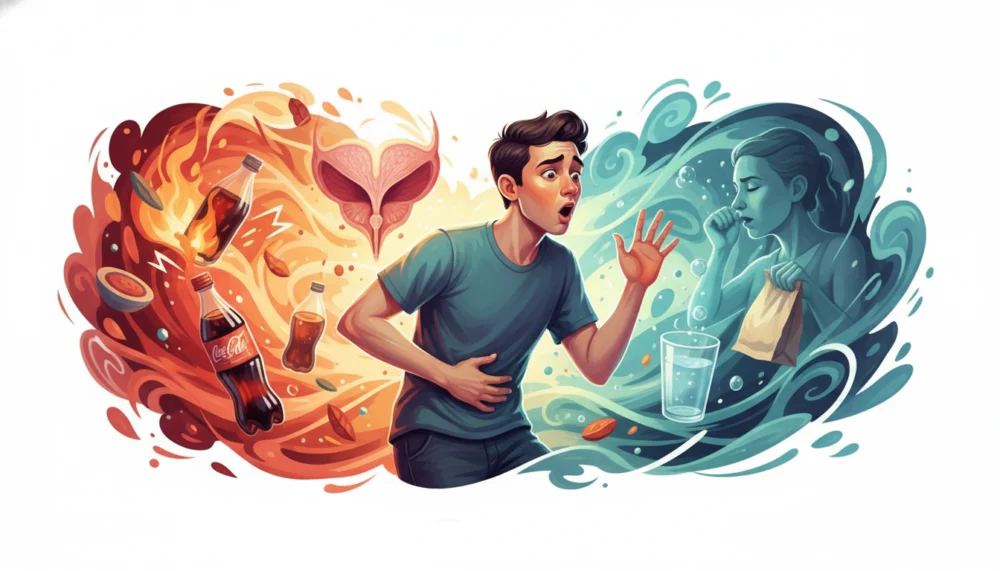
Hiccups, known medically as singultus, are involuntary contractions of the diaphragm—the muscle that separates your chest from your abdomen and plays a vital role in breathing. Each contraction is followed by a sudden closure of your vocal cords, which produces the characteristic ‘hic’ sound.
Understanding the Physiology of a Hiccup
The diaphragm is a dome-shaped muscle that works rhythmically. When you inhale, it pulls down to help pull air into the lungs. When you exhale, it relaxes to help push air out. However, when the diaphragm becomes irritated, it may jerk downward in an involuntary fashion, causing you to suck air into your throat suddenly.
The Role of the Vagus and Phrenic Nerves
The involuntary reflex that causes hiccups involves a complex pathway of nerves. The phrenic nerve and the vagus nerve are the primary messengers that control the diaphragm. If these nerves are stimulated or irritated by external factors, they can trigger the repetitive spasms we recognize as hiccups.
Common Short-Term Triggers
Most cases of hiccups are temporary and disappear within a few minutes. These are usually linked to lifestyle factors or sudden changes in the digestive system. Understanding these triggers can help in preventing future occurrences.
- Eating too quickly or overeating
- Consuming carbonated beverages
- Swallowing too much air while chewing gum
- Sudden changes in stomach temperature
- Excessive alcohol consumption
Dietary Habits and Digestive Distention
A distended or full stomach is one of the most frequent causes of short-term hiccups. When the stomach expands rapidly, it can press against the diaphragm, causing it to become irritated. This is why eating a large meal or drinking fizzy sodas often leads to a bout of singultus.
Emotional and Psychological Factors
It is not just physical triggers that cause hiccups; emotional states play a role as well. Sudden excitement, stress, anxiety, or even a sudden shock can disrupt the normal breathing rhythm and trigger the reflex arc in the nervous system.
Chronic and Long-Term Hiccups
While most hiccups are a minor nuisance, some individuals experience persistent hiccups that last for more than 48 hours. These are often categorized as chronic or intractable hiccups and may indicate an underlying medical condition that requires professional attention.
Nerve Damage or Irritation
Persistent hiccups can be caused by damage to the vagus or phrenic nerves. This irritation might result from a variety of factors, including a sore throat, a tumor in the neck, or even a hair touching the eardrum, which is linked to the same nerve pathways.
Central Nervous System Disorders
Because the hiccup reflex is controlled by the brain, any damage to the central nervous system can disrupt the body’s ability to regulate this reflex. Conditions such as encephalitis, meningitis, multiple sclerosis, or stroke have been known to cause long-lasting hiccups.
Popular Home Remedies and Their Effectiveness
There are hundreds of folk remedies for hiccups, ranging from the practical to the bizarre. While many lack rigorous scientific backing, they often work by changing the concentration of carbon dioxide in the blood or stimulating the vagus nerve.
- Holding your breath for a short period
- Breathing into a paper bag
- Gargling with ice water
- Biting on a lemon
- The Valsalva maneuver (exhaling while closing your mouth and nose)
The Science of Interruption
Most effective home remedies work on the principle of interruption. By stimulating the nasopharynx or the vagus nerve, you can essentially ‘reset’ the nervous system’s signal to the diaphragm, causing the spasms to cease.
When Should You See a Doctor?
You should consult a healthcare provider if your hiccups last longer than 48 hours or if they are so severe that they interfere with eating, sleeping, or breathing. Persistent hiccups can lead to exhaustion, weight loss, and dehydration if left untreated.
Diagnostic Tests for Chronic Cases
To find the cause of long-term hiccups, doctors may recommend blood tests to check for signs of infection or diabetes, or imaging tests like an X-ray or CT scan to look for abnormalities near the diaphragm or nerves. Endoscopic exams may also be used to view the esophagus and stomach.
Pharmacological Treatments
For intractable hiccups that do not respond to home remedies or lifestyle changes, medication may be prescribed. Common treatments include muscle relaxants or medications that aid digestion and reduce stomach pressure.
Conclusion
Hiccups are a fascinating, if sometimes annoying, physiological phenomenon. While most are caused by simple triggers like eating too fast or drinking soda, they serve as a reminder of the complex interplay between our nervous system and respiratory muscles. By understanding the causes, you can better manage and resolve them whenever they arise.
