

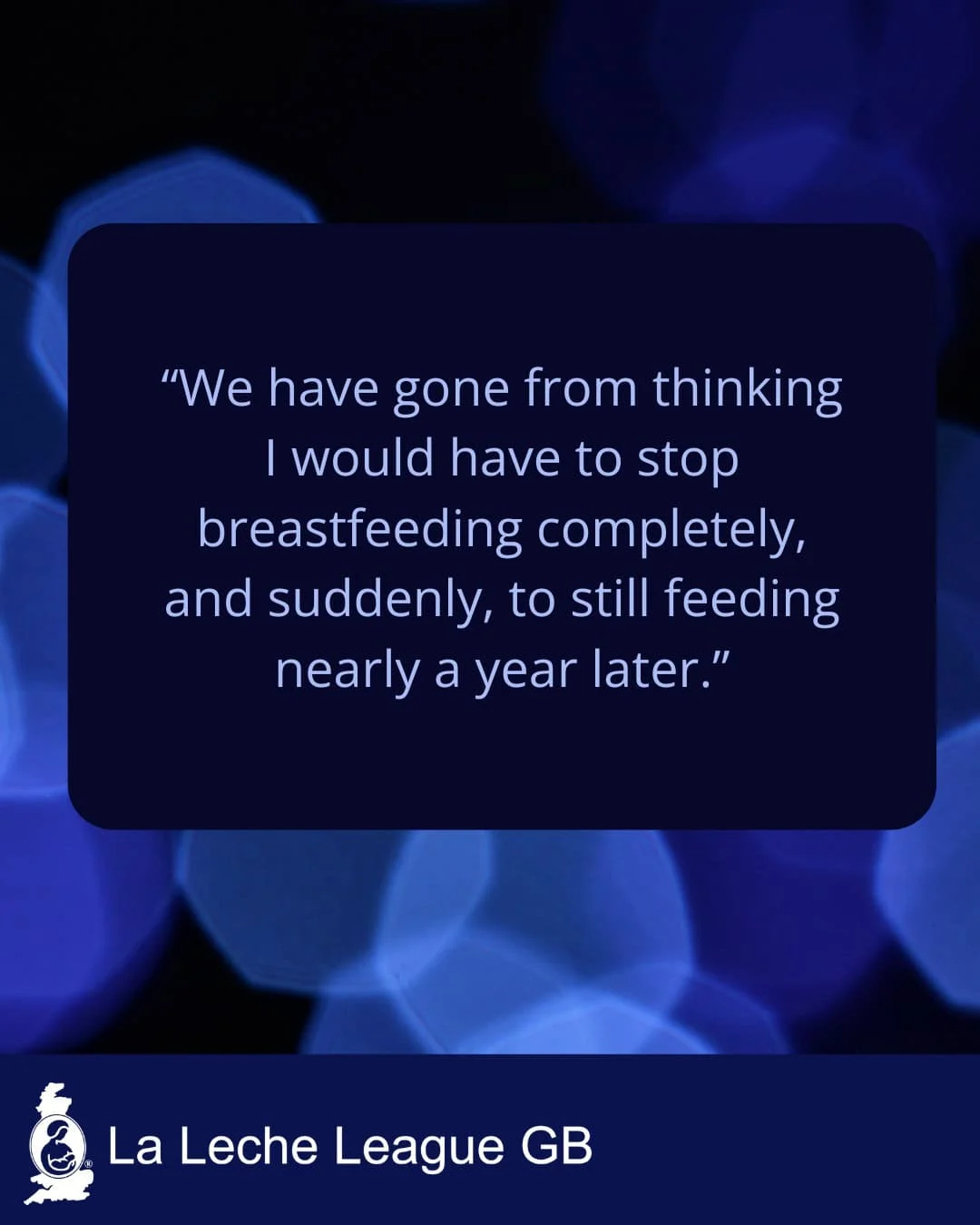
A mother from Yorkshire has shared her harrowing experience of sustaining a severe breast injury in a car crash while exclusively breastfeeding her six-month-old daughter, a journey that tested her physical and emotional limits but ultimately underscored the power of maternal resilience and the importance of adaptable medical care. The incident, which occurred on a national speed limit road, highlights critical considerations for emergency medical protocols involving lactating mothers and the broader support infrastructure for trauma survivors.
The Incident: A Sudden Impact on a Family
The accident unfolded when another vehicle abruptly turned across the path of the car carrying the mother, her partner, and their infant daughter. While her partner, who was driving, sustained a burn from the airbag, and her daughter, secured in a rear-facing car seat, escaped with only a minor bruise from her harness, the mother bore the brunt of a significant injury. Seated in the back without an airbag, her seatbelt, while crucial for overall safety, exerted immense pressure on her chest, resulting in a severe crush injury to one of her breasts. The immediate aftermath saw the affected breast begin to swell rapidly, quickly becoming bruised and intensely painful, a stark and alarming development for an exclusively breastfeeding mother. This sudden trauma plunged the family into an unforeseen crisis, transforming a routine journey into a life-altering event.
Immediate Medical Response and Uncharted Territory
Following the crash, the family sought immediate medical attention at A&E. The severity of the mother’s breast injury prompted medical staff to arrange for a breast pump to be brought from the maternity ward, indicating an early recognition of her lactating status. However, initial attempts to pump from the injured breast yielded minimal results, with the small amount of milk expressed being alarmingly bright red, indicative of internal bleeding. Fortunately, her other breast continued to produce milk normally, providing a crucial lifeline for her daughter’s nutrition. Despite the immediate pain and the unsettling sight of blood-tinged milk, medical professionals advised continued pumping on the damaged breast, a recommendation aimed at preventing stasis and potential complications, though without a clear understanding of the full extent of the internal trauma at that stage. This initial phase was characterized by uncertainty, as such specific lactational trauma is not a commonly encountered injury in emergency settings.
Weeks of Agony: The Unfolding Medical Mystery
The days and weeks following the accident were marked by excruciating pain and significant physical limitations for the mother. An ultrasound scan conducted a few days after the crash provided some clarity but no immediate solution, confirming internal damage but not specifying a direct course of action beyond continued pumping. The injured breast remained severely swollen and intensely painful, with a burning sensation whenever she moved. This acute discomfort severely restricted her ability to perform routine maternal duties, making it nearly impossible to pick up or hold her six-month-old daughter. The family found themselves largely confined indoors for weeks, grappling with the physical recovery and the emotional toll of the incident. This period highlighted the profound impact of trauma on daily life, particularly for a primary caregiver, and the challenges of managing a complex injury without an immediate definitive treatment plan.
A Turning Point: Diagnosis, Drainage, and Difficult Decisions
When the initial conservative management failed to alleviate her symptoms, the mother was referred by her GP to a specialized breast clinic. A subsequent ultrasound scan at the clinic revealed a significant accumulation of fluid within the injured breast – a large hematoma or seroma, potentially mixed with milk (galactocele), a common complication of blunt trauma. This crucial diagnosis led to an immediate intervention: a needle aspiration procedure. Over a pint of liquid was drained from the breast, a quantity so substantial that a nurse light-heartedly described its appearance as "like a latte." The relief from pain was immediate and profound. However, this critical intervention was accompanied by a stark warning from the consultant: if the swelling were to return, the mother might need to cease breastfeeding entirely to halt milk production and allow the breast to heal. This prospect was deeply distressing for the mother, who cherished her exclusive breastfeeding relationship with her daughter. The potential cessation of breastfeeding, a primary source of comfort and nutrition for her infant, presented an emotional hurdle as significant as the physical trauma itself. Her concern was further compounded by discovering online the case of another woman advised to stop breastfeeding her newborn after a similar car crash injury, highlighting the perceived lack of established protocols for such specific scenarios.
The Path to Recovery: Perseverance Against Odds
Despite the initial relief, the swelling, though less severe, did return within days. This necessitated further needle drainage procedures, coupled with a course of antibiotics to prevent infection, a common risk with fluid collections. Crucially, the consultant agreed to a "wait-and-see" approach, allowing the mother to continue breastfeeding from her unaffected side while monitoring the fluid buildup in the injured breast. This decision proved pivotal. Over several months, the mother endured a cycle of returning to the hospital for repeated drainage, with each subsequent procedure yielding progressively less fluid. Throughout this period, she diligently continued to pump from the damaged side, initially expressing pink-tinged milk, which gradually transitioned to a normal white color. This persistent effort, combined with the gradual reduction in fluid accumulation, eventually led to a breakthrough: after several months, there was no longer any fluid left to drain. The small amount of milk produced by the injured breast returned to its normal color, allowing her to cautiously reintroduce direct feeding from that side. The pain significantly subsided, and the breast began to regain a more normal appearance, save for a visible ridge where the seatbelt had impacted.
Long-Term Adaptation and Unanswered Questions
Nine months after the accident, the mother continues to breastfeed her daughter on both sides. While the injured breast now produces very little milk, it still provides comfort, a vital aspect of the breastfeeding relationship. The unaffected breast has commendably compensated, producing sufficient milk to satisfy her daughter’s nutritional needs, especially now that the infant is also consuming solids. The mother suspects, though medical confirmation is pending, that the milk ducts in the injured breast sustained permanent damage, preventing milk from reaching the nipple and leading to a significant reduction in supply from that portion of the breast. Consultants have been unable to definitively confirm whether full milk supply will ever return to the damaged side, which the mother considers unlikely. This outcome has resulted in a noticeable physical asymmetry, with one breast having borne the majority of the feeding responsibilities for nearly a year. Yet, this physical alteration is a testament to a remarkable journey: from the initial fear of complete breastfeeding cessation to successfully continuing the practice almost a year later, adapting to an unexpected and challenging circumstance.

Broader Context: Road Safety, Breastfeeding, and Trauma
The mother’s experience underscores several broader societal and medical contexts. According to the Department for Transport (DfT) statistics, while road casualties have seen a long-term decline in the UK, thousands of individuals are still injured annually in road traffic accidents. In 2022, there were 105,739 casualties of all severities in reported road traffic accidents. The efficacy of seatbelts in preventing more severe injuries and fatalities is well-documented, with studies showing they reduce the risk of death for front-seat occupants by 45% and the risk of serious injury by 50%. The crucial role of child car seats, particularly rear-facing ones for infants, in protecting vulnerable passengers is also powerfully demonstrated by the minimal injury sustained by the daughter in this severe crash.
From a public health perspective, breastfeeding offers numerous well-documented benefits for both mother and child, including enhanced immunity for the infant, reduced risk of certain diseases for the mother, and significant emotional bonding. UK data indicates that while initiation rates are high (around 80% nationally), exclusive breastfeeding rates decline significantly by six months, making the mother’s commitment to continuing particularly noteworthy. Disruptions to breastfeeding, especially due to trauma, can have profound physical and psychological impacts, potentially leading to engorgement, mastitis, and emotional distress for the mother, alongside nutritional challenges for the infant.
Medical Perspectives on Lactational Trauma
Breast injuries in lactating women, while not common, present unique challenges. Blunt trauma can lead to hematomas (blood clots), seromas (serous fluid collections), or galactoceles (milk-filled cysts) if milk ducts are damaged. Managing these conditions in a lactating breast requires careful consideration to avoid complications like infection or abscess formation while ideally preserving milk supply if desired by the mother. The "wait-and-see" approach adopted by the consultant in this case, coupled with repeated aspiration and antibiotic therapy, exemplifies a nuanced, patient-centered strategy. This approach minimized invasive surgery and allowed the body’s natural healing processes to occur while supporting the mother’s desire to continue breastfeeding. This case highlights the importance of multidisciplinary care involving emergency physicians, general practitioners, breast surgeons, and lactation consultants to provide comprehensive support tailored to the unique physiological state of a lactating woman.
Challenges in Emergency Care for Breastfeeding Mothers
The initial experience in A&E, while responsive in providing a pump, also points to potential areas for improvement in standard emergency protocols. Trauma centers and emergency departments may not always have specialized guidelines or readily available expertise for managing specific injuries in lactating mothers. The rarity of such cases means that frontline staff might not be immediately familiar with the specific complications or the best course of action to support continued breastfeeding. This case advocates for enhanced training and awareness among emergency medical personnel regarding the unique needs of breastfeeding mothers, including protocols for managing breast trauma, access to lactation support, and clear communication regarding potential impacts on milk supply. Such integration ensures that physical injury management does not inadvertently compromise the continuation of breastfeeding, which is often a critical aspect of maternal well-being and infant health.
Psychological and Emotional Impact
Beyond the physical injuries, the psychological and emotional toll of a traumatic event like a car crash cannot be overstated. Survivors often grapple with post-traumatic stress, anxiety, and depression. For a mother, the added stress of an injury threatening her ability to nourish her child through breastfeeding can intensify these feelings. The prospect of suddenly ceasing breastfeeding, a source of comfort and bonding, can be profoundly upsetting, adding a layer of grief and anxiety to an already traumatic situation. The mother’s determination to continue breastfeeding despite immense pain and uncertainty speaks volumes about the emotional connection and importance she placed on this aspect of motherhood. Her story serves as a powerful reminder of the psychological resilience required to navigate such complex challenges and the critical role of emotional support alongside medical intervention.
Implications for Healthcare and Public Policy
This compelling personal narrative carries significant implications for healthcare practice and public policy. Firstly, it underscores the need for standardized, evidence-based protocols for managing breast trauma in lactating women across all levels of care, from emergency rooms to specialized clinics. Such protocols should prioritize the preservation of breastfeeding when medically feasible and align with maternal wishes. Secondly, it highlights the invaluable role of a patient-centered "wait-and-see" approach, particularly in complex cases where immediate cessation of a vital function like breastfeeding might not be the only or best option. Thirdly, the story reinforces the need for integrated care models that connect trauma services with lactation support and mental health services. Finally, it serves as a powerful advocacy tool for continued investment in road safety measures, including advanced airbag systems for rear-seat passengers, to mitigate severe injuries in accidents.
In conclusion, the unnamed mother from Yorkshire’s journey is a testament to extraordinary resilience in the face of unforeseen adversity. Her story, from the jarring impact of a car crash to the painstaking recovery of her injured breast and the continuation of breastfeeding, offers invaluable insights. It not only provides hope for others facing similar challenges but also serves as a crucial call to action for healthcare systems to refine their approaches to lactational trauma, ensuring that comprehensive, compassionate, and adaptable care is readily available to support mothers through their most challenging moments.
