

Black Breastfeeding Week, observed annually during the last week of August, serves as a vital platform to amplify the voices and lived experiences of Black women, whose breastfeeding journeys have historically been underrepresented and often overlooked within broader societal narratives and healthcare systems. This dedicated week aims to address persistent racial disparities in breastfeeding rates, challenge systemic barriers, and foster a supportive environment where Black mothers feel seen, heard, and empowered. At the heart of this movement is the understanding that individual stories are not merely anecdotes but powerful tools for connection, education, and collective advocacy, as exemplified by organizations like La Leche League, which champions the sharing of personal narratives to build a global community of peer support.
The Genesis and Historical Imperative of Black Breastfeeding Week
Founded in 2012 by a coalition of Black maternal health advocates, including Kimberly Seals Allers, Kiddada Green, and Anayah Sangodele-Ayoka, Black Breastfeeding Week emerged from a critical need to address significant racial disparities in breastfeeding initiation and duration rates in the United States and beyond. For decades, statistics consistently showed that Black women had lower rates of breastfeeding compared to their white counterparts. This disparity is not merely a statistical anomaly but a deeply rooted issue intertwined with historical trauma, systemic racism, and socio-economic factors.
The historical context is crucial for understanding these disparities. During slavery, Black women were often forced to act as wet nurses for their enslavers’ children, frequently at the expense of nursing their own infants. This profound exploitation severed the sacred bond between Black mothers and their babies, instilling a complex legacy of trauma around breastfeeding. Following emancipation, many Black women continued to work outside the home, often in domestic service, which made sustained breastfeeding challenging due to lack of workplace support and separation from their infants. In the 20th century, aggressive marketing tactics by formula companies disproportionately targeted Black communities, further normalizing formula feeding and contributing to a decline in breastfeeding rates. These historical and ongoing systemic factors have created a landscape where breastfeeding support and education have often failed to be culturally congruent or readily accessible to Black families.
Black Breastfeeding Week was established to counteract these forces, providing a dedicated space for celebration, education, and advocacy. Its objectives include increasing awareness of the benefits of breastfeeding for Black families, addressing the unique challenges Black mothers face, promoting culturally competent lactation support, and fostering a sense of community and empowerment. By dedicating a specific week, advocates aim to shine a spotlight on these issues, encouraging a broader societal dialogue and driving concrete policy changes.
Melissa’s Journey: A Testament to Community and Resilience
The ethos of La Leche League, where "stories matter," resonates deeply with the mission of Black Breastfeeding Week. The organization understands that sharing personal experiences fosters connection within a global community of mothers and peers, facilitating mutual learning and support. Melissa, a mother from London, recently contributed her personal insights to this collective narrative, recording audio notes of her breastfeeding journey while engaging in the everyday act of getting her five-month-old to sleep. Her candid reflections offer a window into the multifaceted realities of breastfeeding for Black women.
For Melissa, breastfeeding transcended mere nutrition; it was a profound act of bonding and nurturing. She highlighted its importance not only for the health benefits it conferred upon her infant but also for the deep emotional connection it forged between them. This personal significance often drives mothers through the initial hurdles, grounding their commitment in a deeper purpose.
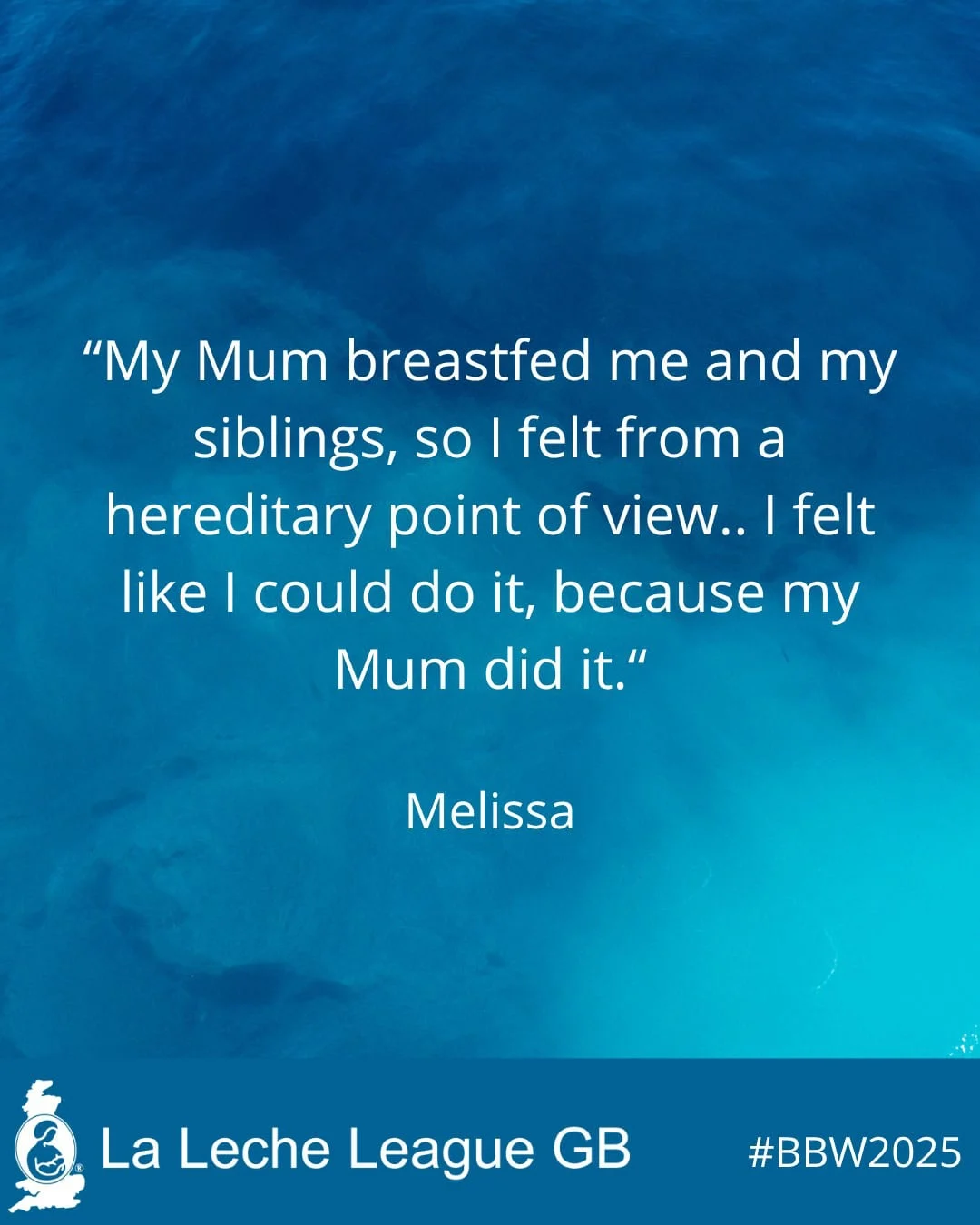
Prior to becoming a mother, Melissa’s perception of breastfeeding was shaped by her family’s experiences, or lack thereof. The visibility of breastfeeding within one’s immediate and extended family often plays a crucial role in normalizing the practice for future generations. In many Black communities, due to the historical factors mentioned, breastfeeding was not always a commonly observed practice among recent generations, leading to a lack of readily available role models and an absence of inherited wisdom about nursing. This can leave new mothers feeling isolated and uncertain when they embark on their own feeding journeys, making external support even more critical.
The attitudes of friends and family can significantly influence a mother’s breastfeeding success. Melissa’s experience likely mirrors that of many others who encounter a spectrum of reactions, from enthusiastic encouragement to skepticism or even subtle disapproval. Societal norms, often influenced by media portrayals and historical context, can create an environment where breastfeeding, particularly extended or public breastfeeding, is not fully understood or accepted. Navigating these social dynamics requires resilience and a strong support system.
Melissa also shed light on the barriers she faced and the knowledge she wished she had possessed before embarking on her nursing journey. Common challenges for new mothers include difficulties with latch, nipple pain, concerns about milk supply, sleep deprivation, and the sheer intensity of constant feeding. For Black mothers, these challenges can be compounded by additional layers of systemic issues, such as encountering healthcare providers who lack cultural competence, experiencing implicit bias in medical settings, or facing inadequate workplace accommodations upon returning to work. These barriers underscore the critical need for comprehensive, culturally sensitive prenatal and postnatal education and support.
Crucially, Melissa identified useful sources of help and support. Organizations like La Leche League, with their network of trained leaders and peer-to-peer support meetings, often serve as lifelines for mothers seeking practical advice and emotional reassurance. Certified lactation consultants, both independent and hospital-affiliated, provide expert clinical guidance. Online communities and social media groups also play an increasingly vital role in connecting mothers who might otherwise feel isolated, offering a platform for shared experiences and collective problem-solving.
Ultimately, Melissa emphasized the importance of building a supportive community. Finding "likeminded" individuals who understand, validate, and encourage a mother’s breastfeeding choices is paramount for sustained success. This sense of belonging mitigates feelings of isolation and provides a crucial emotional buffer against challenges. Her story is a powerful reminder that while breastfeeding is an intimate act, its success is often contingent upon a robust community framework.
Supporting Data: Persistent Disparities and Health Implications
Despite progress, significant racial disparities in breastfeeding rates persist, highlighting the ongoing relevance of initiatives like Black Breastfeeding Week. According to the Centers for Disease Control and Prevention (CDC), while overall breastfeeding initiation rates have risen, Black infants continue to have lower rates of ever being breastfed compared to white infants. For instance, in the U.S., Black infants have consistently had lower rates of breastfeeding initiation and duration at 6 and 12 months. Data often shows that while initiation rates are improving, the gap widens significantly when looking at sustained breastfeeding.
These disparities have profound health implications. Breastfeeding is associated with numerous health benefits for both mother and child, including reduced risk of infections, sudden infant death syndrome (SIDS), asthma, and obesity for infants, and lower risks of certain cancers, type 2 diabetes, and postpartum depression for mothers. Consequently, lower breastfeeding rates among Black mothers contribute to existing health inequities, exacerbating higher rates of certain chronic diseases within Black communities.
Factors contributing to these disparities are multifaceted:
- Lack of Culturally Competent Care: Healthcare providers may not always be equipped to address the specific needs and concerns of Black mothers, or implicit biases can impact the quality of care.
- Access to Lactation Support: Disparities exist in access to International Board Certified Lactation Consultants (IBCLCs), particularly in underserved Black communities.
- Socioeconomic Factors: Poverty, food insecurity, and lack of paid parental leave can make sustained breastfeeding challenging. Black women are disproportionately affected by these systemic issues.
- Workplace Barriers: Insufficient workplace lactation accommodations and lack of flexibility hinder mothers’ ability to continue breastfeeding after returning to work.
- Historical and Cultural Context: The lingering effects of historical trauma and aggressive formula marketing continue to influence perceptions and practices.
Official Responses and Advocacy Efforts
Public health organizations, non-profits, and government agencies are increasingly recognizing the critical need to address these disparities. Organizations such as the Black Mothers’ Breastfeeding Association (BMBFA), National Association of Black Physical Therapists, and various local Black maternal health collectives are at the forefront of advocacy, providing culturally relevant education, support, and training for community-based lactation counselors. They work to dismantle systemic barriers, empower Black families, and ensure that breastfeeding resources are accessible and inclusive.
La Leche League International and its national affiliates, including La Leche League Great Britain, actively support Black Breastfeeding Week and similar initiatives. They strive to create diverse leadership within their organizations and ensure that their support materials and meeting spaces are welcoming and reflective of the diverse communities they serve. Their leaders, like Melissa, are crucial in offering peer support and disseminating evidence-based information.
Government bodies and public health departments are also beginning to implement policies aimed at promoting breastfeeding equity. These include initiatives to increase the number of diverse lactation consultants, fund community-based peer support programs, and improve workplace protections for nursing mothers. Policy changes such as extended paid parental leave and mandated lactation accommodations are vital in creating environments where Black mothers can choose and sustain breastfeeding without undue burden.
Broader Impact and Implications
The focus on Black Breastfeeding Week extends beyond individual health outcomes, encompassing broader implications for health equity, cultural reclamation, and community resilience.
Health Equity: By addressing the disparities in breastfeeding, Black Breastfeeding Week contributes directly to the larger goal of achieving health equity. When Black mothers and infants have equal opportunities to access the benefits of breastfeeding, it can lead to improved maternal and child health outcomes, reducing the burden of preventable diseases within these communities. This, in turn, can help narrow the gap in overall health disparities that disproportionately affect Black populations.
Cultural Reclamation and Empowerment: For many Black women, breastfeeding represents an act of cultural reclamation—reconnecting with a practice that was historically exploited and later marginalized. It is an assertion of agency over their bodies and their children’s well-being, challenging narratives that have historically disempowered them. This act of reclaiming and celebrating breastfeeding within the Black community fosters pride and strengthens cultural identity.
Community Resilience: The emphasis on building supportive communities, as highlighted by Melissa’s story, reinforces the inherent resilience of Black communities. By creating spaces where shared experiences are valued and support is readily available, these initiatives strengthen social bonds and foster collective well-being. Peer support networks become crucial in navigating systemic challenges and reinforcing positive health behaviors.
Future Outlook: While significant strides have been made, the work of Black Breastfeeding Week and allied organizations remains critical. Continued advocacy is needed for policy changes that support breastfeeding mothers, including comprehensive paid family leave, universal access to lactation support services, and robust anti-bias training for healthcare professionals. Further research into the specific barriers faced by Black mothers and the effectiveness of culturally tailored interventions is also essential. Funding for community-led initiatives and ensuring diverse representation in all levels of maternal healthcare leadership will be pivotal in ensuring that all Black families have the opportunity to make informed feeding choices and receive the support they need to thrive.
Melissa’s powerful, yet understated, audio narrative underscores the profound importance of individual experiences in shaping collective understanding and driving systemic change. Her journey, like those of countless other Black mothers, serves as a poignant reminder that while breastfeeding is a deeply personal endeavor, it thrives within a supportive community and a just society.
For those inspired by Melissa’s story and eager to contribute their own experiences, La Leche League warmly encourages submissions for its member publication, Breastfeeding Matters, or participation in local meetings. Sharing one’s story can be the exact source of validation and inspiration that another mother desperately needs. Stories can be shared for Breastfeeding Matters or the La Leche League website by emailing [email protected] or by completing the online form at bit.ly/lllgb-newsletter. Each narrative shared strengthens the fabric of a global community dedicated to supporting mothers and babies.
