


Implantation bleeding is a physiological phenomenon occurring approximately 10 to 14 days following conception, when a fertilized egg successfully attaches to the interior lining of the uterus. This pivotal event in early pregnancy can manifest as light bleeding or spotting, which is generally considered a normal and benign occurrence, typically not requiring medical intervention. Data indicates that approximately one-third of women who become pregnant will experience some form of implantation bleeding, making it a relatively common, albeit often confusing, early sign of gestation. While its timing may closely coincide with an anticipated menstrual period, key differences exist, primarily in the lighter nature and distinct appearance of implantation bleeding compared to regular menstruation.

The Biological Genesis: Conception and Implantation
To fully comprehend implantation bleeding, it is essential to understand the intricate biological cascade that precedes it. Conception begins with the fusion of a sperm and an egg, forming a zygote, typically within the fallopian tube. Over the subsequent 3 to 5 days, this zygote embarks on a journey down the fallopian tube towards the uterus, undergoing rapid cellular division and transforming into a blastocyst. Upon reaching the uterine cavity, the blastocyst floats freely for a short period, typically 1 to 2 days, before seeking an optimal site for attachment. The process of implantation, where the blastocyst burrows into the richly prepared endometrial lining of the uterus, usually occurs between 6 and 12 days post-fertilization. It is during this crucial embedment that minor blood vessels within the uterine wall may be disturbed, leading to the characteristic light bleeding known as implantation bleeding. This timing, often falling within the week leading up to a woman’s expected menstrual period, is a primary source of confusion, frequently causing individuals to mistake it for an unusually light or early period.
Identifying the Signs: Symptoms and Characteristics
Recognizing implantation bleeding requires an understanding of its typical presentation, which often deviates significantly from a regular menstrual flow. Medical experts emphasize several distinguishing features:
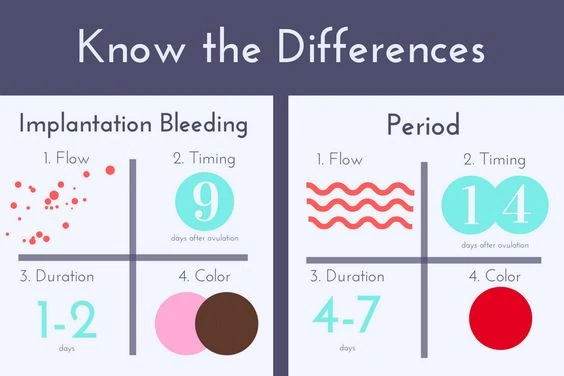
- Appearance: Implantation bleeding is characteristically light pink or brownish in color, often described as rusty or watery. It is rarely bright red, which is a common color for menstrual blood, particularly at the beginning of a period. The absence of clots, which are frequently observed during menstruation, is another key differentiator.
- Volume: The bleeding is typically very light, manifesting as spotting rather than a steady flow. It may only be noticeable when wiping after using the restroom or as a few drops on underwear. It is insufficient to saturate a sanitary pad or tampon, unlike a normal period.
- Duration: Implantation bleeding is generally brief, lasting anywhere from a few hours to a maximum of three full days. Bleeding that persists beyond this timeframe, is heavy, or necessitates the use of pads or tampons is unlikely to be implantation bleeding.
- Associated Symptoms: While not universally experienced, some women report mild cramping concurrent with implantation bleeding. These cramps are typically less intense and shorter-lived than menstrual cramps, often described as a mild pulling or tingling sensation rather than sharp pain. Other early pregnancy symptoms, such as breast tenderness, mild nausea, fatigue, and mood swings, may also coincide with implantation, driven by the surge in hormones like human chorionic gonadotropin (hCG) and progesterone. However, it is important to note that many of these symptoms can also be indicative of premenstrual syndrome (PMS) or ovulation, further contributing to diagnostic ambiguity.
Discerning Implantation Bleeding from Menstruation
The close temporal proximity of implantation to the expected menstrual period necessitates a clear understanding of their differences. Healthcare providers often highlight these comparative aspects:
| Feature | Implantation Bleeding | Menstrual Period |
|---|---|---|
| Timing | Typically 10-14 days post-conception; often a week before expected period. | Occurs at the expected time of the menstrual cycle. |
| Color | Light pink, brownish, or rusty. | Bright red to dark red, often changing throughout the flow. |
| Flow Volume | Light spotting; not enough to soak pads/tampons. | Moderate to heavy flow, requiring pads/tampons. |
| Duration | A few hours to up to 3 days. | Typically 3 to 7 days. |
| Consistency | Thin, watery; no clots. | Thicker, often with clots and tissue. |
| Cramping | Mild, fleeting; less severe than typical period cramps. | Moderate to severe, persistent abdominal pain. |
| Other Symptoms | May include mild nausea, breast tenderness, fatigue (early pregnancy signs). | May include PMS symptoms like bloating, mood swings, headaches. |
It is noteworthy that individual menstrual cycles vary significantly, and some women experience lighter or shorter periods naturally. However, if a woman observes a deviation from her typical menstrual pattern—specifically, a lighter, pinkish/brownish flow, shorter duration, and less severe cramping than normal—implantation bleeding should be considered a possibility, especially if she has been sexually active.

The Mechanism of Occurrence
The underlying reason for implantation bleeding lies in the physiological event of the embryo embedding itself into the uterine wall. Following ovulation, the uterine lining, or endometrium, thickens and becomes highly vascularized in preparation for a potential pregnancy, primarily under the influence of progesterone. When the blastocyst, equipped with specialized cells (trophoblasts), begins to penetrate this lining, it can rupture tiny blood vessels. This minor vascular disruption is the source of the light bleeding.
The close timing with the expected menstruation cycle (which occurs approximately 11-14 days after ovulation if fertilization does not happen) is a key factor in the frequent confusion between the two. Women often perceive implantation bleeding as an early or unusually light period. For instance, if a woman anticipates her period on January 25th, any spotting experienced between January 18th and January 25th could potentially be implantation bleeding. While less common, early ovulation or a rapid implantation process, or conversely, late ovulation with a slow implantation, can alter this typical timeframe. The consistency of a woman’s normal menstrual flow, unless influenced by new medications (such as birth control or emergency contraceptives) or significant stress, usually remains stable in terms of blood flow, color, and consistency. Therefore, the appearance of lighter, pinkish spotting that seems "out of place" can be a significant indicator.

Navigating Uncertainty: When to Take a Pregnancy Test
For women who experience spotting and suspect it might be implantation bleeding, the natural next step is often a pregnancy test. However, timing is crucial for accurate results. Pregnancy tests detect the presence of human chorionic gonadotropin (hCG), a hormone produced by the cells that will form the placenta. hCG levels only begin to rise after implantation has occurred.
Taking a pregnancy test too early, specifically during or immediately after implantation bleeding, can lead to a false negative result because hCG levels may not yet be high enough to be detected by over-the-counter tests. Medical guidance suggests waiting at least three days after the bleeding or spotting has ceased. Optimally, waiting until approximately one week after a missed period provides the most accurate results, as hCG levels will have had sufficient time to accumulate in the urine. If uncertainty persists, consulting a pregnancy educator or healthcare provider is recommended.

Addressing Concerns: When to Seek Medical Attention
While implantation bleeding itself is a normal and harmless sign of potential pregnancy, it is vital to differentiate it from other types of bleeding that may indicate a concern. True pregnancy complications rarely stem from implantation bleeding and typically manifest after a missed period.
Healthcare providers universally advise reporting any bleeding or spotting during pregnancy. While at least 50% of women who experience light bleeding (other than implantation bleeding) during pregnancy will go on to have a normal, healthy pregnancy, certain signs warrant immediate medical evaluation:

- Heavy Bleeding: Any bleeding that is bright or dark red, heavy enough to fill pads or tampons, or lasts more than three days, especially if it occurs several days after a missed period, is unlikely to be implantation bleeding and should be assessed by a healthcare provider.
- Severe Pain: Intense abdominal pain, particularly if it is localized to one side, accompanied by nausea, vomiting, or dizziness, could be a symptom of an ectopic pregnancy—a serious condition where the fertilized egg implants outside the uterus. This requires immediate medical attention.
- Bleeding in Later Trimesters: Spotting in the first trimester, while concerning, often resolves without issue. However, any spotting or bleeding during the second or third trimesters is considered more serious and requires immediate medical consultation. Heavy bleeding at any point during pregnancy should prompt immediate contact with a healthcare provider or seeking emergency care.
Potential causes for bleeding beyond normal implantation include subchorionic hemorrhage (bleeding between the chorion and uterine wall), cervical irritation (which can occur after intercourse or a pelvic exam due to increased vascularity during pregnancy), or more serious complications such as miscarriage or molar pregnancy. Informing an OBGYN or other medical professional about any current or recent bleeding, its characteristics, and any accompanying symptoms is crucial for accurate diagnosis and appropriate management.
Broader Implications and Clinical Significance
The phenomenon of implantation bleeding carries significant implications for women attempting to conceive and for early pregnancy monitoring. For many, it serves as one of the very first physical indications that conception may have occurred, offering a blend of hope and anxiety. Understanding its characteristics can alleviate unnecessary stress and empower women to take appropriate next steps, such as timing a pregnancy test effectively or seeking medical advice when symptoms are atypical.

Conversely, the absence of implantation bleeding is not a cause for concern, as many healthy pregnancies proceed without this particular sign being noticed or occurring at all. The American College of Obstetricians and Gynecologists (ACOG) and other leading health organizations emphasize the importance of comprehensive prenatal care following a positive pregnancy test, regardless of whether implantation bleeding was experienced. This early engagement with healthcare providers ensures optimal maternal and fetal health outcomes, addresses any concerns, and provides crucial guidance through the journey of pregnancy.
In conclusion, implantation bleeding is a normal, albeit sometimes confusing, early physiological event in the pregnancy timeline. By understanding its distinct characteristics—light, pinkish-brown spotting, short duration, and mild cramping—women can better interpret their body’s signals. While generally harmless, awareness of when to seek medical attention for atypical bleeding is paramount for ensuring a safe and healthy pregnancy.
