

The landscape of children’s literature is undergoing a critical examination, with a growing emphasis on the need for books that reflect the rich tapestry of society. While many beloved children’s books feature compelling narratives and engaging characters, a significant gap exists in the consistent portrayal of diverse races, genders, abilities, and sexual orientations. This oversight not only limits children’s understanding of the world but also deprives them of opportunities to see themselves and others reflected in the stories they consume. The following compilation aims to highlight exceptional books that not only captivate young readers but also champion inclusivity, offering a vital counterpoint to the prevailing trend of predominantly white, male protagonists in children’s media.
The Underrepresentation Crisis in Children’s Books
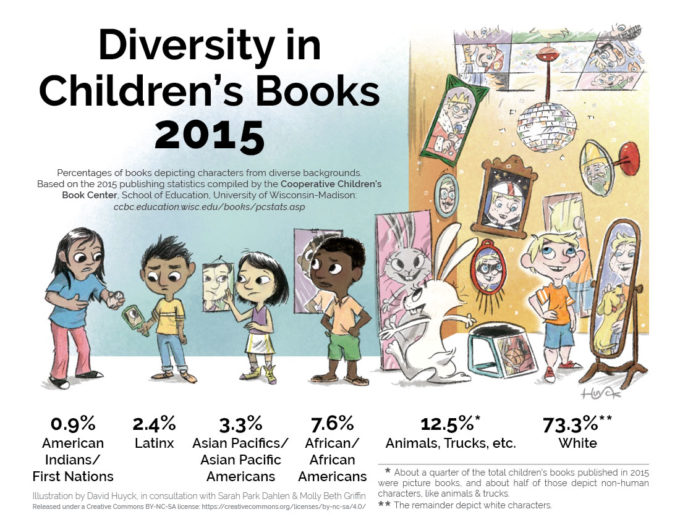
Studies and analyses consistently reveal a concerning imbalance in the representation within children’s literature. For instance, reports from organizations like the Cooperative Children’s Book Center (CCBC) at the University of Wisconsin-Madison have, for years, tracked the scarcity of books by and about people of color. While progress has been made, the majority of children’s books continue to feature white characters. A similar pattern emerges when examining gender representation. Even in narratives featuring animals or anthropomorphic characters, male figures often dominate. This pervasive lack of diversity means that many children, particularly those from marginalized communities, rarely encounter characters who share their background, experiences, or identities.
This underrepresentation can have profound implications for a child’s developing sense of self and their perception of the world. When children only see themselves reflected in a narrow range of characters, it can inadvertently convey a message that their experiences are less important or less universal. Conversely, exposure to a wide array of characters can foster empathy, broaden perspectives, and cultivate a more inclusive worldview. It allows children to understand that diversity is not an exception but a fundamental aspect of human existence.
A Call to Action: Curating Inclusive Bookshelves
Recognizing this disparity, educators, parents, and literary advocates are actively seeking out and promoting books that offer a more authentic and inclusive reflection of the world. This movement is not about replacing existing beloved stories but about enriching children’s bookshelves with narratives that expand their understanding and affirm the value of every individual. The following selection represents a curated list of books that excel in both literary quality and their commitment to diverse representation, categorized by age group for ease of selection.
Books for Early Learners: Building Foundations of Inclusion (Babies and Toddlers)
The earliest years of a child’s life are crucial for developing foundational understandings of the world. Introducing diverse characters from infancy can help normalize differences and foster a sense of belonging for all children.

-
Not Quite Narwhal by Jessie Sima: This charming story follows Kelp, a creature who feels different but discovers the encompassing power of family and belonging. While seemingly a simple tale of individuality, its underlying message of unconditional love and acceptance resonates deeply. The book’s whimsical illustrations and heartfelt narrative make it a delightful addition to any young child’s library, subtly introducing the idea that differences are not only acceptable but can be celebrated.
-
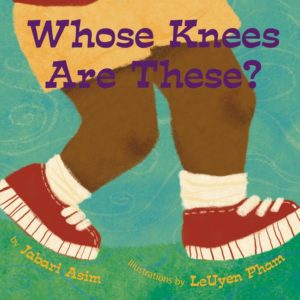
Whose Knees Are These? by Trudy Krisher, illustrated by Susan Miller: This simple board book uses engaging rhymes to help toddlers learn about body parts. Its illustrations depict a diverse group of children, showcasing a range of skin tones and features. This seemingly straightforward book provides an early opportunity for children to see themselves and their peers represented in a positive and educational context, reinforcing the idea that all bodies are normal and worthy of attention.
-
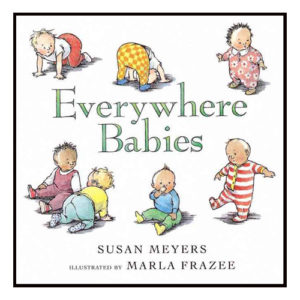
Everywhere Babies by Susan Meyers, illustrated by Caldecott Honor winner Rachel Griffiths: With vibrant and inclusive illustrations, this board book celebrates the universal experience of babies. It features a multitude of infants from various racial and ethnic backgrounds, engaging in typical baby activities. The book’s gentle text and visually rich pages offer a comforting and affirming introduction to diversity, demonstrating that babies, like families, come in all shapes, sizes, and colors. Its connection to the Caldecott Honor-winning All the World by Liz Garton Scanlon and Marla Frazee further attests to its artistic merit and broad appeal.
-
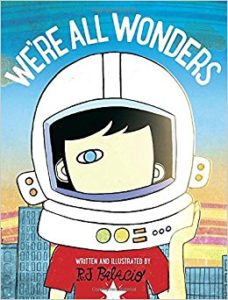
We’re All Wonders by R.J. Palacio: Adapted from the critically acclaimed novel Wonder, this picture book introduces younger children to the story of Auggie, a boy who looks different from others. It beautifully conveys the message that everyone is unique and worthy of kindness. The book gently tackles themes of acceptance and empathy, encouraging children to look beyond superficial differences and embrace the inherent worth in every individual. Its companion, Wonder, provides a more in-depth exploration of these themes for older readers.
Books for Preschoolers: Exploring Identity and Empathy
As children enter preschool, they begin to form stronger social connections and develop a greater understanding of the world around them. Books at this stage can play a pivotal role in shaping their perceptions of fairness, kindness, and the value of different perspectives.
-
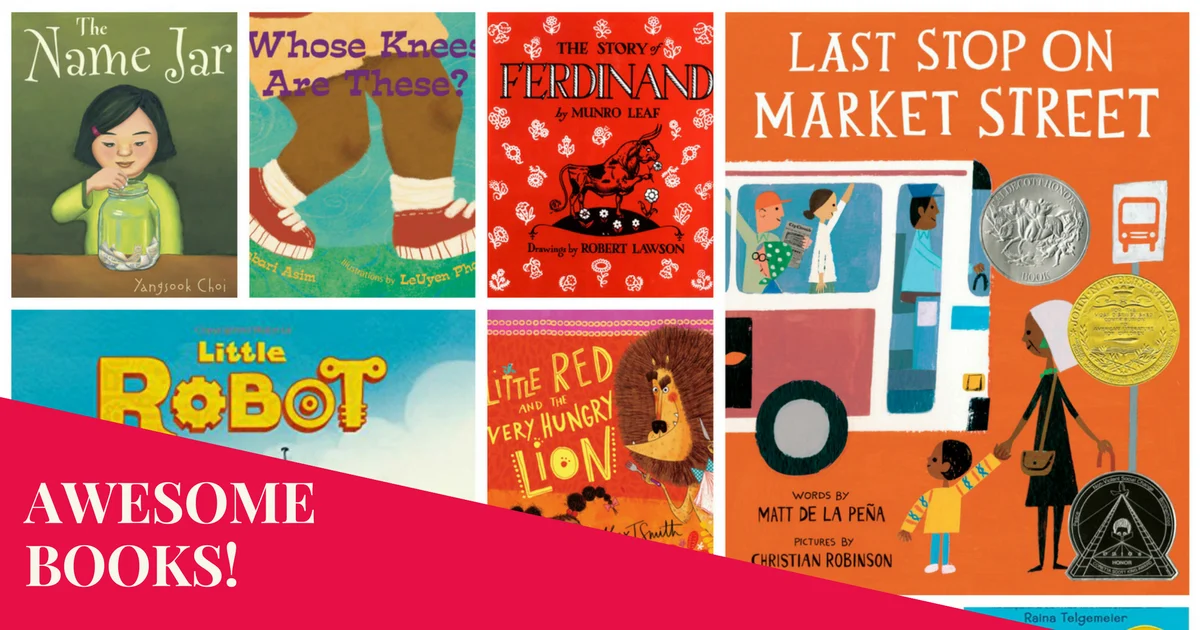
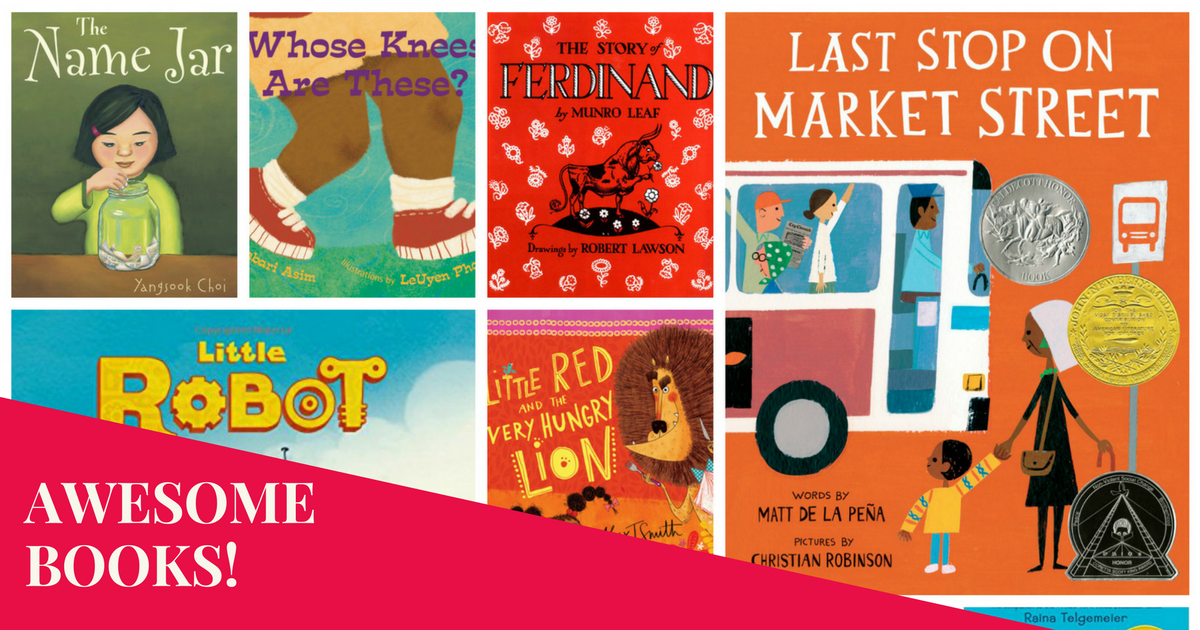
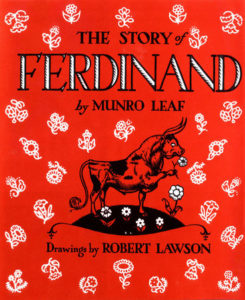
The Story of Ferdinand by Munro Leaf, illustrated by Robert Lawson: This timeless classic tells the story of Ferdinand, a bull who prefers smelling flowers to bullfighting. Ferdinand’s gentle nature and refusal to conform to societal expectations make him a powerful symbol of individuality and peace. The book, a testament to the power of non-conformity, has been a beloved staple for generations, its enduring appeal lying in its simple yet profound message about embracing one’s true nature, regardless of external pressures.
-
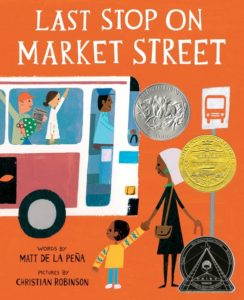
Last Stop on Market Street by Matt de la Peña, illustrated by Christian Robinson: This Caldecott Medal winner follows CJ and his grandmother on their weekly bus ride through their diverse neighborhood. The book beautifully portrays themes of community, gratitude, and finding beauty in the ordinary. Christian Robinson’s vibrant illustrations capture the essence of urban life and the richness of human connection, offering a powerful depiction of intergenerational relationships and the beauty of everyday diversity. The narrative skillfully avoids didacticism, allowing young readers to absorb its positive messages organically.
-
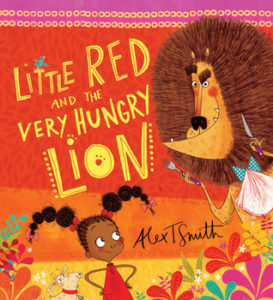
Little Red and the Very Hungry Lion by Alex Smith: A playful and colorful retelling of "Little Red Riding Hood," this version is set in the African jungle and features a resourceful and brave Little Red. The vibrant illustrations and engaging narrative offer a fresh perspective on a familiar tale, with a happy ending that avoids the darker elements of the original. Its humor and captivating artwork make it a personal favorite for its ability to entertain while introducing a new cultural context.
-
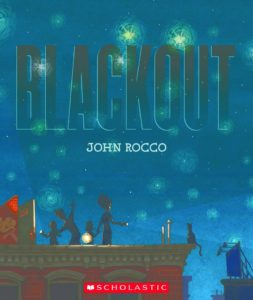
Blackout by John Rocco: This Caldecott Honor book, with its striking illustrations and minimal text, tells the story of a family whose evening is transformed by a city-wide power outage. The blackout forces them to put down their devices and connect with each other and their neighbors, highlighting the importance of human interaction and community. The visual storytelling is powerful, allowing even pre-readers to engage with the narrative and its themes of shared experience and resilience.
-
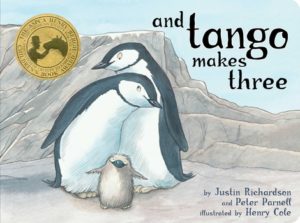
And Tango Makes Three by Justin Richardson and Peter Parnell, illustrated by Henry Cole: Based on a true story, this heartwarming book recounts the tale of two male penguins at the Central Park Zoo who form a pair and are given an egg to raise. It offers a gentle and accessible introduction to same-sex families, demonstrating that love and family can take many forms. The book has been lauded for its simple yet impactful message of love and family, providing representation for children with same-sex parents and promoting understanding among all readers.
-
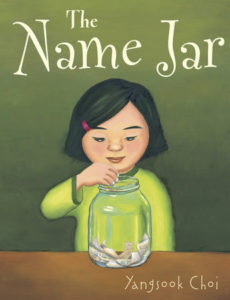
The Name Jar by Yangsook Choi, illustrated by Cornelius Van Wright and Ying-Hwa Hu: This award-winning book centers on Unhei, a young Korean girl who has just moved to America and is worried about her name being difficult to pronounce. When her classmates create a "name jar" of suggestions for a new name, Unhei faces a dilemma about her identity. The story explores themes of cultural assimilation, self-acceptance, and the importance of embracing one’s heritage. The gentle narrative and charming illustrations make it a valuable tool for discussing diversity and belonging.
-
The Snowy Day by Ezra Jack Keats: A perennial favorite and a recipient of the Caldecott Medal, The Snowy Day captures the pure joy of a young boy named Peter experiencing the magic of a snow-covered world. Keats’ groundbreaking use of collage and his depiction of an African American protagonist in a mainstream children’s book were revolutionary for their time. Decades later, the book remains a beloved classic, celebrated for its simple beauty, evocative atmosphere, and its quiet affirmation of a child’s solitary wonder.
-
Little Robot by Ben Hatke: This wordless graphic novel tells the story of a small robot who is befriended by a lonely girl. The narrative unfolds through expressive illustrations, showcasing the development of their bond. Ben Hatke’s work is consistently praised for its emotional depth and artistic skill. Little Robot is a testament to the power of visual storytelling and the universal themes of friendship and connection, transcending language barriers to deliver a touching and visually engaging experience.
Books for Older Children: Deeper Narratives and Complex Themes
As children grow, their capacity for understanding more complex themes and nuanced characters expands. The following books offer engaging stories that weave in themes of disability, cultural identity, and diverse family structures, providing opportunities for deeper reflection and discussion.
-
Zita the Spacegirl series by Ben Hatke: This thrilling trilogy follows Zita, a brave and loyal Earth girl who embarks on an intergalactic adventure. The series is lauded for its engaging plotlines, relatable characters, and vibrant illustrations. Hatke’s ability to create flawed yet lovable characters and compelling storylines makes these books a favorite for read-aloud sessions and independent reading alike. The books subtly introduce themes of courage, friendship, and problem-solving in a fantastical setting.
-
Mighty Jack series by Ben Hatke: A creative reimagining of "Jack and the Beanstalk," this series introduces Jack and his sister Maddy, who has autism and is nonverbal. Maddy is a central character, and her relationship with Jack is a core element of the plot. The series also explores themes of divorced households and the mother-son dynamic. Beyond its representation of disability, Mighty Jack is a thrilling adventure comic filled with action and fantasy, appealing to readers who enjoy epic quests and fantastical creatures.
-
El Deafo by Cece Bell: This Newbery Honor-winning graphic novel is a semi-autobiographical account of the author’s childhood experience of losing her hearing and navigating the world with a bulky hearing aid. Cece imagines herself as a superhero named "El Deafo," using her hearing aids to her advantage. The book humorously and honestly addresses the challenges of being different, the pain of social isolation, and the journey towards self-acceptance and finding one’s place in the world. Its relatable narrative and engaging illustrations make it a powerful story for children of all abilities.
-
Sisters by Raina Telgemeier: Raina Telgemeier’s graphic novels are immensely popular among middle-grade readers, and Sisters is a fantastic starting point. The story delves into the complex relationship between two sisters, exploring sibling rivalry and the dynamics of a family road trip. Telgemeier’s signature style, characterized by humor, relatable characters, and expressive artwork, resonates deeply with young readers. Her other works, such as Ghost (featuring a protagonist with cystic fibrosis) and Drama (which includes a character questioning his sexuality), further expand the scope of diverse representation in her bibliography, offering nuanced portrayals of various life experiences.
The Broader Impact and Future Outlook
The growing availability of books that champion diversity is a positive development, but the journey towards equitable representation is ongoing. The data consistently shows that while progress is being made, there is still a significant need for more books featuring characters from underrepresented backgrounds. The implications of this shift are far-reaching. For children who see themselves reflected in these stories, it offers validation and a sense of belonging. For all children, it provides opportunities to develop empathy, challenge stereotypes, and cultivate a more inclusive understanding of the world.
The continued advocacy for diverse children’s literature is crucial. It requires ongoing collaboration between authors, illustrators, publishers, educators, librarians, and parents. By actively seeking out and sharing these inclusive stories, we can help shape a generation that is more accepting, understanding, and celebratory of the rich diversity that defines our global community. The books recommended here are merely a starting point, and the ongoing conversation about what constitutes truly representative literature is vital for ensuring that every child has the opportunity to find themselves within the pages of a book.
