

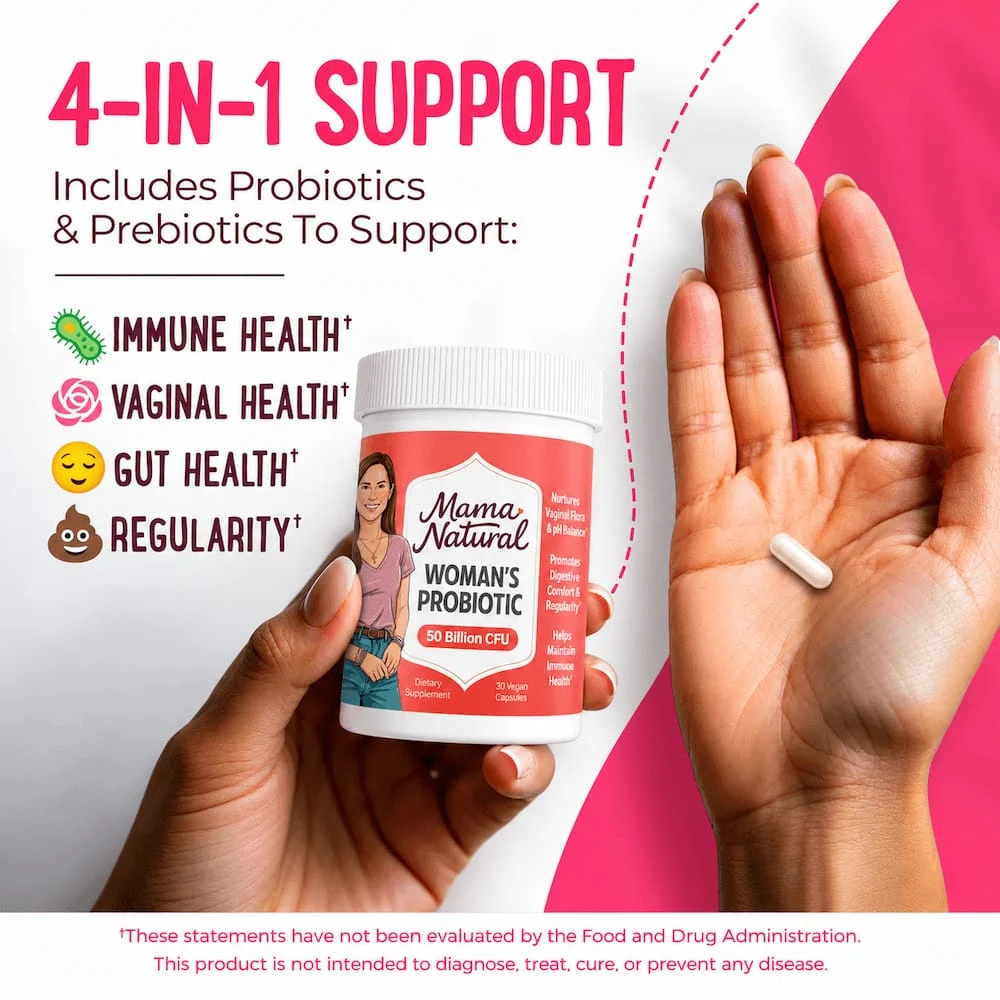
The global probiotic market, valued at approximately $60 billion as of 2023, continues to expand as consumers increasingly prioritize gut health as the cornerstone of systemic wellness. However, despite the proliferation of dietary supplements on retail shelves, a growing body of clinical research and consumer feedback suggests a significant efficacy gap, particularly concerning female biology. While marketing campaigns frequently promise improvements in digestion, skin clarity, and mood, many products fail to account for the unique physiological requirements of women, leading to a cycle of trial and error with little to no measurable health benefits.
Industry analysts and microbiologists point to several systemic issues within the supplement industry that contribute to these failures. From the inability of live cultures to survive the harsh environment of the human digestive tract to the use of generic bacterial strains that ignore the complexities of the vaginal microbiome, the current landscape requires a more sophisticated approach to formulation. To address these challenges, new standards in "potent overage" manufacturing and the inclusion of targeted prebiotics, such as baobab fruit fiber, are emerging as the new benchmark for efficacy in women’s health.
The Gastric Barrier: A Primary Obstacle to Probiotic Efficacy
The fundamental challenge for any oral probiotic is the journey through the human stomach. The gastric environment is characterized by high acidity, with a pH typically ranging from 1.5 to 3.5. This biological mechanism serves as a primary defense against ingested pathogens, but it also poses a lethal threat to beneficial bacteria. Clinical studies have indicated that a significant percentage of standard probiotic strains are neutralized by stomach acid before they can reach the small or large intestines, where they are intended to colonize and provide health benefits.
To counteract this degradation, pharmaceutical-grade manufacturers have begun employing a strategy known as "potent overage." This process involves incorporating a significantly higher number of Colony Forming Units (CFUs) at the time of manufacture than the amount stated on the label for the end of the product’s shelf life. By over-formulating the initial dosage, manufacturers can ensure that a sufficient number of live bacteria survive both the storage period and the transition through the stomach. This approach prioritizes biological resilience over marketing-driven CFU counts, focusing on the quantity of bacteria that actually reach the "gut garden" in a viable state.

The Gender Gap in Microbiome Research and Formulation
Historically, clinical research has often utilized a "one-size-fits-all" model, which frequently overlooks the distinct hormonal and physiological shifts inherent to the female body. Women’s health needs are influenced by fluctuating estrogen and progesterone levels, which in turn impact the gut-brain axis, immune response, and the delicate balance of the vaginal microbiome. Generic probiotic blends often lack the specific strains necessary to address female-specific concerns such as recurrent urinary tract infections (UTIs), yeast overgrowth, and hormonal acne.
The vaginal microbiome, dominated by Lactobacillus species, requires a specific environment to maintain a low pH and inhibit the growth of harmful pathogens. When systemic probiotics do not include strains capable of migrating to or supporting this specific niche, they fail to provide the comprehensive support women require. Scientific consensus is shifting toward the necessity of strain-specific labeling, where manufacturers must identify not just the genus and species (e.g., Lactobacillus rhamnosus), but the specific clinical strain used, as different strains within the same species can have vastly different health outcomes.
Critical Strains for Female Physiological Support
Data-driven health interventions now emphasize the importance of specific bacterial strains that have been clinically studied for their impact on women’s health. Among the most vital are:
- Lactobacillus rhamnosus: Extensively researched for its ability to survive the digestive tract and its role in supporting both vaginal and urinary tract health.
- Lactobacillus gasseri: Identified in clinical trials for its potential role in weight management, reduction of visceral fat, and supporting the integrity of the vaginal flora.
- Lactobacillus reuteri: Known for its antimicrobial properties, this strain helps inhibit the colonization of pathogenic bacteria and supports immune system modulation.
- Bifidobacterium longum: A critical strain for gut barrier function, which has also shown promise in reducing stress-related cortisol levels, thereby supporting the gut-brain axis during hormonal shifts.
The inclusion of these specific strains, rather than generic fillers, marks the difference between a supplement that provides a placebo effect and one that induces meaningful biological change.
The Transparency Crisis in Supplement Manufacturing
A significant hurdle for consumers is the lack of stringent regulation and quality control in the global supplement market. Independent laboratory testing has frequently revealed discrepancies between label claims and actual bottle contents. In some instances, products marketed as containing billions of live cultures were found to have zero viable bacteria by the time they reached the consumer.

This degradation is often the result of poor manufacturing practices, such as exposure to heat, moisture, or oxygen during the encapsulation process. Furthermore, the absence of third-party testing—such as certifications from organizations like the NSF or USP—leaves consumers vulnerable to products containing undisclosed fillers, allergens, or heavy metals. For a probiotic to be effective, it must be manufactured in a controlled environment that guarantees stability and purity from the factory to the consumer’s doorstep.
The Role of Prebiotics: Nourishing the Gut Ecosystem
The effectiveness of a probiotic is largely dependent on the availability of prebiotics—non-digestible fibers that serve as the primary food source for beneficial bacteria. Without adequate prebiotic support, even the highest-quality probiotic strains may fail to colonize effectively.
Modern dietary trends show that the average woman consumes significantly less than the recommended 25 grams of daily fiber, with many falling short by 10 grams or more. This "fiber gap" creates a hostile environment for probiotics. To solve this, innovative formulations are now including whole-food prebiotic sources like baobab fruit fiber. Sourced from the African "Tree of Life," baobab is not only rich in soluble and insoluble fiber but also contains high concentrations of antioxidants and Vitamin C. Unlike synthetic prebiotics, which can cause bloating or digestive distress in sensitive individuals, baobab provides a gentle, nutrient-dense substrate that allows probiotics to flourish naturally.
Chronology of Probiotic Development and Consumer Awareness
The evolution of the probiotic industry can be categorized into four distinct phases:
- The Fermentation Era (Pre-20th Century): Reliance on fermented foods like yogurt, sauerkraut, and kefir for general digestive health, without an understanding of specific bacterial strains.
- The Discovery Phase (1900s–1980s): Initial scientific identification of Lactobacillus and its benefits, leading to the first generation of commercial supplements, which were often unstable and poorly researched.
- The Proliferation Phase (1990s–2010s): Massive market expansion characterized by high-CFU "mega-doses" and generic formulations. This era saw the rise of marketing-led products that often lacked clinical validation.
- The Precision Era (2020–Present): A shift toward "personalized" and gender-specific microbiology. This phase emphasizes strain specificity, prebiotic synergy (synbiotics), and rigorous stability testing to ensure survival through the gastric barrier.
Broader Implications for Preventative Healthcare
The move toward more effective, women-centric probiotics has implications that extend beyond simple digestive comfort. As the medical community gains a deeper understanding of the "second brain" (the enteric nervous system) and the role of the microbiome in autoimmune regulation, high-quality probiotics are being viewed as essential tools in preventative medicine.

For women, maintaining a balanced microbiome is increasingly linked to the prevention of chronic conditions, including metabolic syndrome, inflammatory bowel disease (IBD), and certain dermatological conditions. By choosing supplements that prioritize survival rates, strain specificity, and prebiotic nourishment, women can move away from the "trial and error" approach and toward a targeted regimen that supports their long-term health trajectory.
The consensus among health professionals is that consistency remains the final piece of the puzzle. Microbiome rebalancing is a gradual process that typically requires 14 to 30 days of daily adherence to show measurable results. When paired with a diet rich in whole foods and adequate hydration, a scientifically formulated, women-specific probiotic represents a powerful intervention in the pursuit of holistic well-being.
