

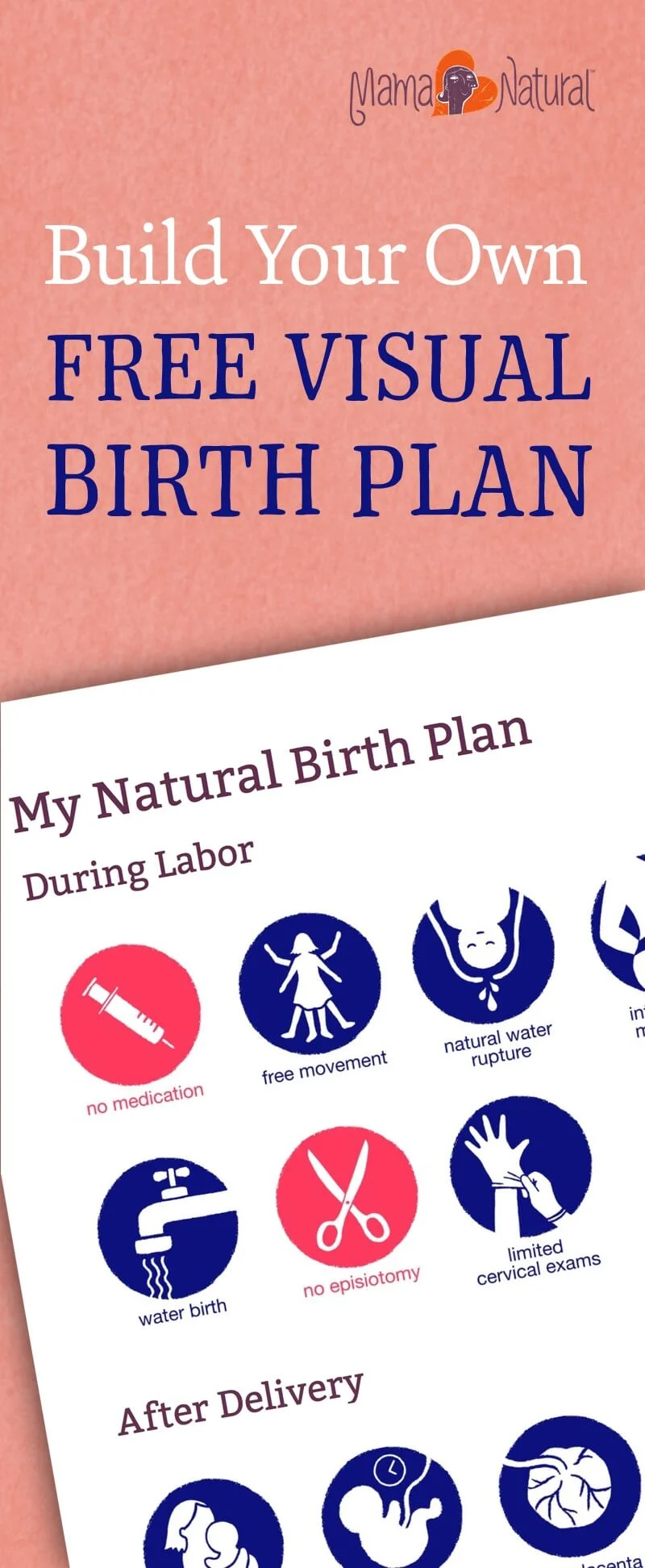
The landscape of modern obstetrics is undergoing a significant shift as expectant parents increasingly prioritize autonomy and clear communication through the use of streamlined, visual birth plans. Traditionally, birth plans were lengthy, text-heavy documents that often faced resistance from time-pressed hospital staff; however, the emergence of visual templates, such as the newly updated 2025 resources provided by maternal health advocates, is redefining how patients and providers interact during the labor and delivery process. These tools serve as a clinical blueprint, translating complex personal preferences into a concise, icon-based format designed to reduce cognitive load for medical professionals while ensuring that the birthing person’s choices remain central to the care experience.
The Shift Toward Visual Communication in Clinical Settings
The concept of a birth plan—a written document outlining a parent’s preferences for labor, delivery, and immediate postpartum care—first gained traction in the 1980s as a response to the increasing medicalization of childbirth. For decades, these documents were often several pages long, detail-oriented, and sometimes perceived as adversarial by medical staff. Recent trends in healthcare communication, however, emphasize the importance of "at-a-glance" information.
In a high-pressure environment like a labor and delivery ward, nurses and physicians must often make rapid decisions. Data from clinical communication studies suggest that visual aids can improve information retention and reduce the likelihood of errors. By utilizing a visual birth plan template, patients can present their desires regarding pain management, fetal monitoring, and newborn procedures using standardized icons. This method addresses a common grievance among healthcare providers: the "wall of text" that can be difficult to navigate during an active labor scenario.
The updated 2025 visual templates incorporate color-coded systems to further clarify intent. Blue icons typically denote affirmative preferences—actions the birthing team should take, such as allowing for free movement or utilizing delayed cord clamping. Conversely, red icons signal "do not" preferences, such as avoiding episiotomies or routine artificial rupture of membranes. This binary visual system allows for instantaneous recognition of a patient’s boundaries and goals.
Chronology of the Birth Plan Evolution
To understand the current importance of visual birth plans, it is necessary to examine the timeline of patient advocacy in maternal health:
- The Pre-1970s Era: Childbirth was largely managed as a purely medical event with little input from the mother. Paternal presence in delivery rooms was rare, and interventions were standardized.
- The 1980s Advocacy Movement: The term "birth plan" was popularized as parents began seeking more "natural" experiences, influenced by the Lamaze and Bradley methods.
- The Late 1990s Friction: As birth plans became more common, a disconnect grew between patients and hospital staff. Some providers began to view birth plans as "contracts" that were too rigid for the unpredictable nature of labor.
- The 2010s Digital Transition: The rise of online health portals and printable templates allowed parents to research options more thoroughly. However, the length of these documents continued to grow.
- 2020-2025 The Visual Revolution: Recognizing the burnout and high-stress levels of frontline healthcare workers, advocates moved toward icon-based, one-page templates. The 2025 updates specifically include icons for "Gentle Cesareans," reflecting a broader understanding that even surgical births can be patient-centered.
Supporting Data on Maternal Outcomes and Communication
Research suggests that the process of creating a birth plan may be as beneficial as the document itself. According to a study published in the Journal of Perinatal Education, women who prepare birth plans often report higher levels of satisfaction with their birthing experience, regardless of whether every preference in the plan was met. This is largely attributed to the sense of agency and the educational process involved in researching various interventions.
However, data also highlights the "birth plan paradox." A study in the American Journal of Obstetrics & Gynecology noted that while birth plans are intended to improve communication, they can sometimes lead to increased tension if they are not discussed with providers well ahead of labor. This underscores the necessity of the "visual" aspect; a simple, professional-looking document is less likely to be viewed as a challenge to medical authority and more likely to be seen as a collaborative tool.
Furthermore, statistics from the Centers for Disease Control and Prevention (CDC) indicate that maternal mortality and morbidity rates remain a significant concern in the United States, particularly among marginalized communities. For women of color, the birth plan is not merely a list of preferences but a vital tool for self-advocacy. The integration of frameworks like the "Black Birthing Bill of Rights" into birth planning processes serves as a critical safeguard, ensuring that patients receive respectful, high-quality care that honors their bodily autonomy.

Addressing Provider Perspectives and Stigma
Despite their utility, birth plans have historically carried a social stigma within hospital cultures. Some medical professionals have used the term "high maintenance" to describe patients with detailed plans, fearing that the patient will be inflexible if medical emergencies arise.
"The best and clearest way to keep everyone on the same page is through brevity," notes a midwife in a recent review of visual templates. The feedback from healthcare providers suggests that a one-page visual format mitigates the fear of "inflexibility." When a plan is easy to read, nurses can quickly identify which preferences are most important to the patient, such as a desire for a quiet environment or the use of a birthing ball, and integrate those into the standard care protocol without disrupting the workflow.
The 2025 visual templates specifically address these concerns by encouraging patients to delete icons that do not apply to them, leaving only the most relevant information. This "less is more" approach is a direct response to the feedback from hospital staff who prefer a clear hierarchy of needs over a exhaustive list of possibilities.
The Emergence of the Gentle Cesarean
One of the most significant additions to the 2025 visual birth plan templates is the section dedicated to "Gentle Cesareans." As the national cesarean rate in the United States remains around 32%, according to recent CDC data, there is a growing movement to make surgical births more family-centered.
Icons for a Gentle Cesarean might include:
- Clear Drapes: Allowing the parents to see the baby being born.
- Immediate Skin-to-Skin: Placing the baby on the mother’s chest in the operating room.
- Music of Choice: Creating a calming atmosphere during surgery.
- Lowered Lights: Reducing the harshness of the surgical environment for the newborn.
By including these options in a standard visual template, maternal health advocates are normalizing the idea that a surgical birth can still be a personalized experience. This shift represents a broader medical trend toward "humanizing" high-intervention procedures.
Analysis of Broader Implications and Future Trends
The rise of visual birth plans is a microcosm of a larger movement in healthcare toward "Shared Decision Making" (SDM). SDM is a process in which clinicians and patients work together to make decisions and select tests, treatments, and care plans based on clinical evidence that balances risks and expected outcomes with patient preferences and values.
The implications of this shift are manifold:
- Reduction in Birth Trauma: Clear communication can reduce the likelihood of "obstetric violence" or perceived trauma, where patients feel interventions were forced upon them without consent.
- Efficiency in Emergency Situations: If a patient’s preferences are known at a glance, the medical team can pivot more quickly while still respecting the patient’s core values (e.g., "if a C-section is necessary, please use a clear drape").
- Standardization of Care: As these visual tools become more common, hospitals may begin to integrate similar iconography into their electronic health record (EHR) systems, creating a seamless flow of information from the patient’s home to the delivery room.
In conclusion, the modernization of birth plans through visual templates represents a maturation of patient advocacy. By moving away from confrontational or overly dense documents and toward collaborative, easily digestible visual aids, expectant parents are finding a middle ground that respects both their personal autonomy and the clinical expertise of their healthcare providers. As we move into 2025, these tools are likely to become a standard component of prenatal education, fostering an environment where informed consent and patient-centered care are the expected norms rather than the exceptions.
