

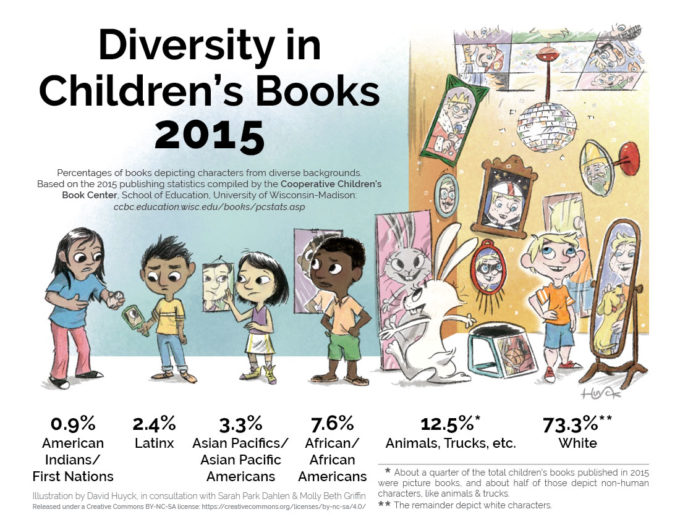
The landscape of children’s literature is undergoing a vital transformation, with an increasing emphasis on the inclusion of diverse characters and narratives. This shift is not merely a trend but a fundamental recognition of the profound impact that books have on a child’s developing worldview. For decades, children’s books have been overwhelmingly dominated by white, male protagonists, a statistic that, while slowly changing, still represents a significant imbalance. Research consistently highlights this disparity; for instance, a 2018 study by the Cooperative Children’s Book Center at the University of Wisconsin-Madison found that only 13% of children’s books published in 2018 featured characters of color, and a mere 7% had Black or African American protagonists. Similarly, representations of girls and female characters, while more prevalent than characters of color, also fall short of reflecting their proportion in the general population. This underrepresentation, particularly for characters from marginalized communities, including those with disabilities and LGBTQ+ identities, means that many children are not seeing themselves reflected in the stories they consume, potentially leading to feelings of invisibility or otherness.
The importance of diverse representation in children’s books cannot be overstated. When children encounter characters who share their race, ethnicity, gender, abilities, or family structures, it validates their experiences and fosters a sense of belonging. Conversely, exposure to a wide range of characters helps all children develop empathy, understanding, and respect for those who are different from them. It broadens their horizons, challenges stereotypes, and prepares them to navigate an increasingly diverse and interconnected world. This is not just about representation; it’s about fostering a generation that is more inclusive, compassionate, and equipped to build a more equitable society. The following curated selection of books aims to highlight exceptional stories that not only entertain and engage young readers but also champion diversity across race, gender, disability, and sexuality, offering valuable insights and experiences for children of all backgrounds.
Early Childhood Narratives: Embracing the World’s Rich Tapestry
For the youngest readers, from babies to toddlers, the foundation of literacy and understanding is built through simple, engaging stories. The following titles offer gentle introductions to diverse themes and characters, laying the groundwork for a broader appreciation of the world.
-
"Not Quite Narwhal" by Jessie Sima: This charming tale introduces Kelp, a creature who feels different and embarks on a journey of self-discovery. While seemingly a story about not fitting in, it beautifully illustrates the power of unconditional family love and acceptance, demonstrating that differences can be celebrated and embraced. The narrative’s subtle exploration of identity and belonging resonates with young children as they begin to understand themselves and their place in the world.
-
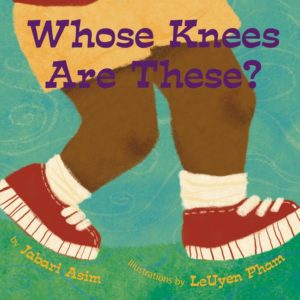
"Whose Knees Are These?" by Sundee Frazier: A simple yet effective board book, this title uses playful rhymes to introduce young children to different body parts. Its appeal lies in its straightforward approach and the opportunity for interactive learning. While not explicitly focused on racial or gender diversity, the illustrations in such board books often depict a range of children, providing early exposure to varied appearances and fostering a natural acceptance of difference.

-
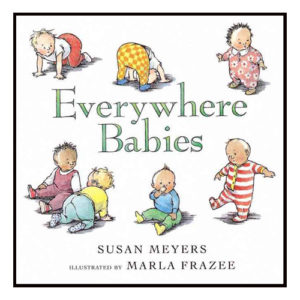
"Everywhere Babies" by Susan Juby and illustrated by Pete Oswald: This book, featuring illustrations by the acclaimed artist behind the Caldecott Honor book "All the World," presents a celebration of babies in all their forms and families. Through its vibrant and inclusive artwork, it showcases babies of various ethnicities and family structures, emphasizing that babies are everywhere and loved. This inclusive approach normalizes diversity from the earliest stages of life, making it a staple for any nursery library.
-
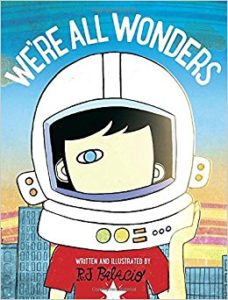
"We’re All Wonders" by R.J. Palacio: Adapted from the beloved chapter book "Wonder," this picture book introduces the character of Auggie Pullman to a younger audience. Auggie, who looks different from his peers, navigates the challenges of social inclusion. The story powerfully conveys the message that everyone is unique and worthy of kindness, promoting empathy and understanding towards those who may face physical or social differences. It is a testament to the idea that true beauty lies within.
Preschool Adventures: Exploring Identity and Community
As children enter the preschool years, their capacity for understanding more complex social dynamics and themes expands. The following books offer engaging narratives that explore individuality, community, and the beauty of diverse experiences.
-
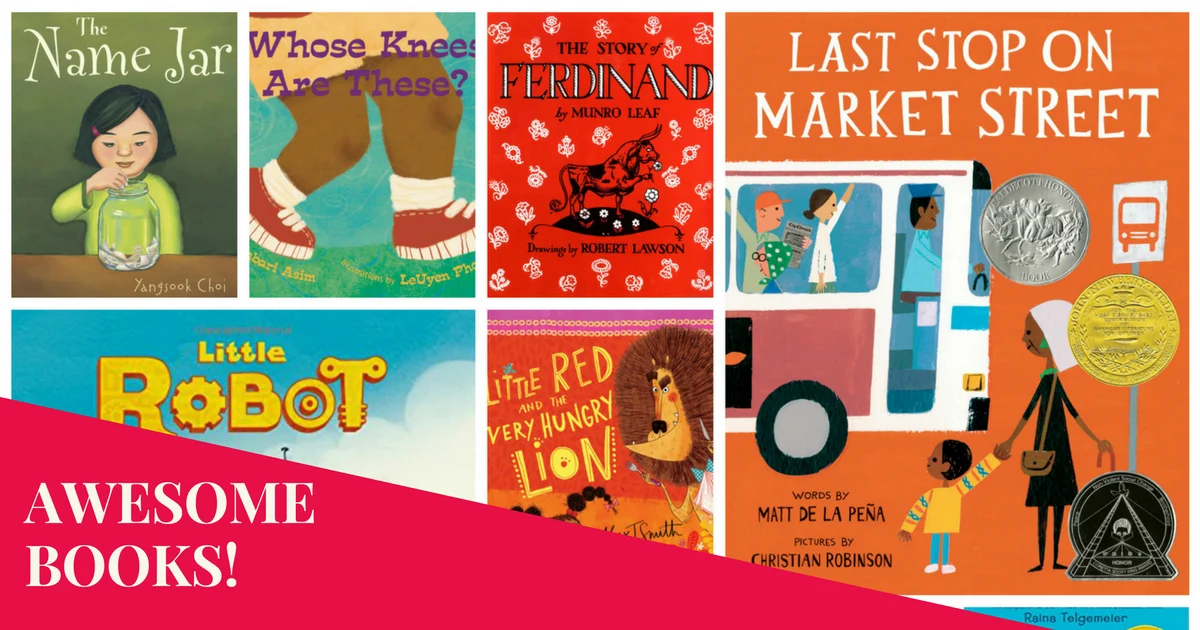
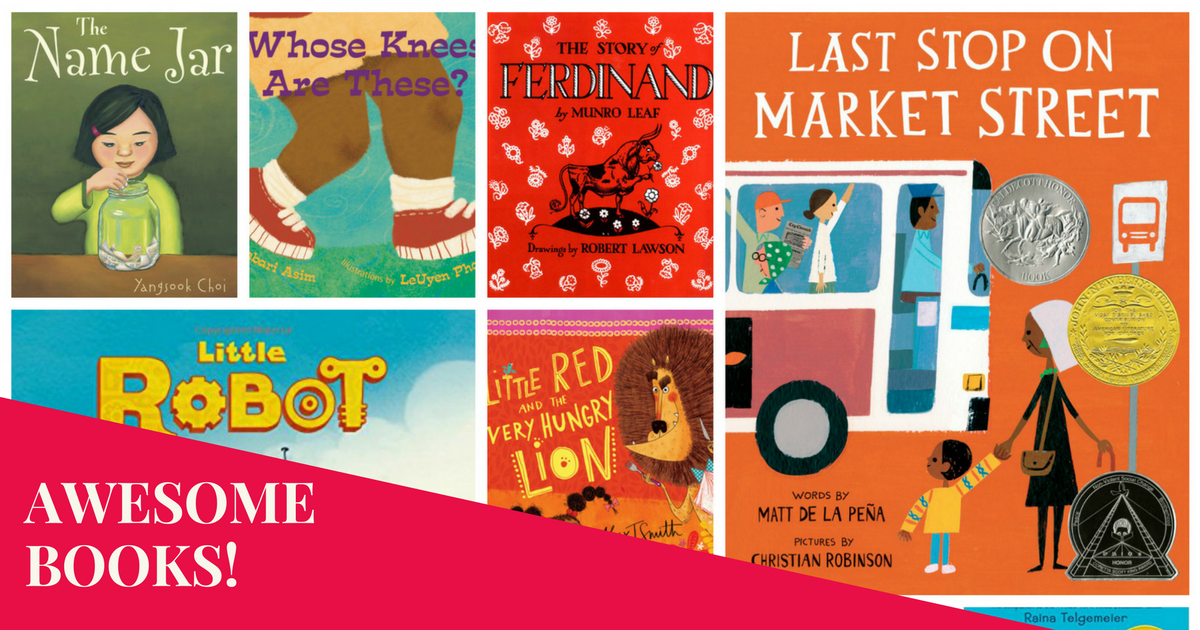
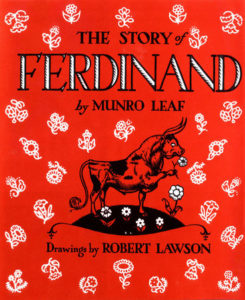
"The Story of Ferdinand" by Munro Leaf: A timeless classic, "The Story of Ferdinand" tells the tale of a bull who prefers smelling flowers to fighting. Ferdinand’s gentle nature and rejection of societal expectations highlight the importance of individuality and staying true to oneself. This book, celebrated for its lyrical prose, subtly challenges traditional gender roles and encourages children to embrace their unique personalities, even if they differ from the norm.
-
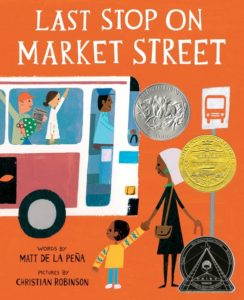
"Last Stop on Market Street" by Matt de la Peña: This Newbery Medal winner follows a young boy and his grandmother on their weekly bus ride through their urban neighborhood. The book is a powerful exploration of community, diversity, and finding beauty in the everyday. Through its rich descriptions and heartwarming interactions, it showcases intergenerational relationships and the vibrancy of diverse urban life, offering a nuanced perspective on social experiences without being overtly didactic.
-
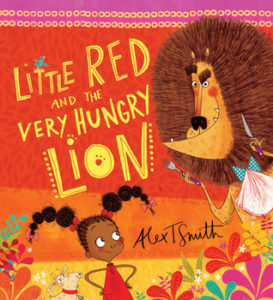
"Little Red and the Very Hungry Lion" by Alex Smith: A delightful twist on the classic "Little Red Riding Hood," this version is set in a jungle and features a brave young girl and a rather comical lion. The story’s vibrant illustrations and humorous retelling make it a favorite. Its reimagining of a familiar tale and its focus on a strong female protagonist in a non-traditional setting offer a fresh perspective on classic narratives, promoting courage and resourcefulness.
-
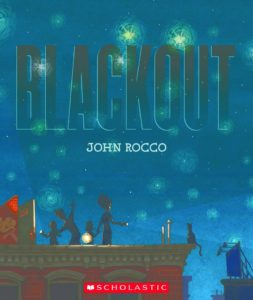
"Blackout" by John Rocco: This Caldecott Honor book uses minimal text and striking illustrations to tell the story of a family’s experience during a city-wide power outage. The narrative shifts from a family engrossed in their individual screens to one that comes together, connecting with neighbors and finding shared experiences in the darkness. It subtly touches upon themes of family connection and community resilience in the face of unexpected events, with diverse representation in its depiction of urban dwellers.
-
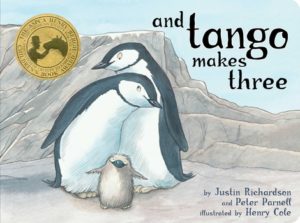
"And Tango Makes Three" by Justin Richardson and Peter Parnell: Based on a true story, this heartwarming book tells the tale of two male penguins at the Central Park Zoo who form a loving partnership and are given a baby penguin to raise. It stands out as a rare and valuable depiction of same-sex parents in children’s literature, normalizing diverse family structures and promoting acceptance. The book’s simple narrative and factual basis make it an accessible and impactful way to introduce children to different kinds of families.
-
"The Name Jar" by Yangsook Choi: This story centers on Unhei, a young girl who has recently moved from Korea and is worried about her new classmates pronouncing her name. Her classmates’ effort to create a "name jar" with potential new names for her, and the eventual embrace of her original name, highlights themes of cultural identity, belonging, and the importance of respecting individual heritage. It is a gentle yet profound story about navigating the challenges of being new and finding acceptance.
-
"The Snowy Day" by Ezra Jack Keats: A landmark in children’s literature, this Caldecott Medal winner features Peter, a young Black boy, exploring the joy and wonder of a snow day in his city. Its groundbreaking inclusion of a Black protagonist in a mainstream children’s book was revolutionary for its time and continues to be celebrated for its simple, evocative prose and beautiful watercolor illustrations. The story’s enduring appeal lies in its universal depiction of childhood wonder and discovery.
-
"Little Robot" by Ben Hatke: This wordless graphic novel tells the story of a small robot who is befriended by a kind and curious girl. The narrative unfolds through expressive illustrations, demonstrating the power of non-verbal communication and the formation of interspecies friendships. The relationship between the robot and the girl, who is depicted with diverse features, underscores themes of connection, loyalty, and overcoming differences. Ben Hatke’s work consistently features strong, often female, protagonists in engaging and imaginative narratives.
Expanding Horizons: Diverse Narratives for Older Children
For older children, the books can delve into more complex themes, character development, and intricate plots. The following selections offer compelling stories that integrate diversity naturally into their adventurous and thought-provoking narratives.
-
The "Zita the Spacegirl" series by Ben Hatke: This acclaimed series follows Zita, a spirited and resourceful Earth girl who embarks on extraordinary space adventures. The books are celebrated for their strong female lead, imaginative world-building, and themes of friendship, bravery, and responsibility. Hatke’s characters are often flawed yet lovable, and his stories are accessible to early readers while offering depth that resonates with older children, consistently showcasing diverse alien species and intergalactic cultures.
-
"Mighty Jack" series by Ben Hatke: A creative reimagining of the Jack and the Beanstalk tale, this graphic novel series introduces Jack and his sister Maddy. Maddy, who has autism and is nonverbal, plays a significant role in the story, and her relationship with Jack is central to the plot. The series also touches upon themes of divorce and family dynamics. Its blend of fantasy, adventure, and authentic sibling relationships, alongside its inclusion of a prominent character with autism, makes it a rich and engaging read.
-
"El Deafo" by Cece Bell: This Newbery Honor-winning graphic memoir tells the story of a girl who loses her hearing and uses a bulky hearing aid, which she imagines as a superhero’s cape, transforming her into "El Deafo." The book honestly explores the challenges of feeling different, the search for acceptance, and the power of imagination. It offers a nuanced portrayal of living with a disability, highlighting both the struggles and the unique strengths that can emerge.
-
"Sisters" by Raina Telgemeier: A widely popular graphic novel, "Sisters" chronicles the complex relationship between two sisters as they embark on a road trip. The book humorously and honestly explores sibling rivalry, family dynamics, and personal growth. Telgemeier’s work, including "Ghosts" (featuring a protagonist with cystic fibrosis) and "Drama" (which includes a character exploring their sexuality), is known for its relatable characters, engaging artwork, and frank exploration of middle school life and identity. These stories resonate deeply with young readers, offering both entertainment and valuable social-emotional learning.
The Broader Impact and Future of Diverse Literature
The increasing availability and promotion of diverse books are not merely about filling shelves; they represent a critical investment in the social and emotional development of children and the future of society. By providing a wider spectrum of stories, we equip children with the tools to understand and appreciate the complexities of the human experience. This, in turn, can lead to a reduction in prejudice, an increase in empathy, and the cultivation of a more inclusive mindset from an early age.
The data underscores the ongoing need for these efforts. While progress has been made, the journey toward truly equitable representation in children’s literature is far from over. Continued advocacy, conscious selection by parents and educators, and a commitment from publishers to support diverse creators and stories are essential. As more books that reflect the richness and variety of the world are brought to children, we foster a generation that is not only well-read but also open-minded, compassionate, and ready to embrace the full spectrum of human diversity. The conversation is ongoing, and the engagement from parents and educators in sharing their favorite diverse books is a vital part of this evolving landscape, ensuring that no child feels unseen and that every child has the opportunity to learn from the vast tapestry of human experience.
