

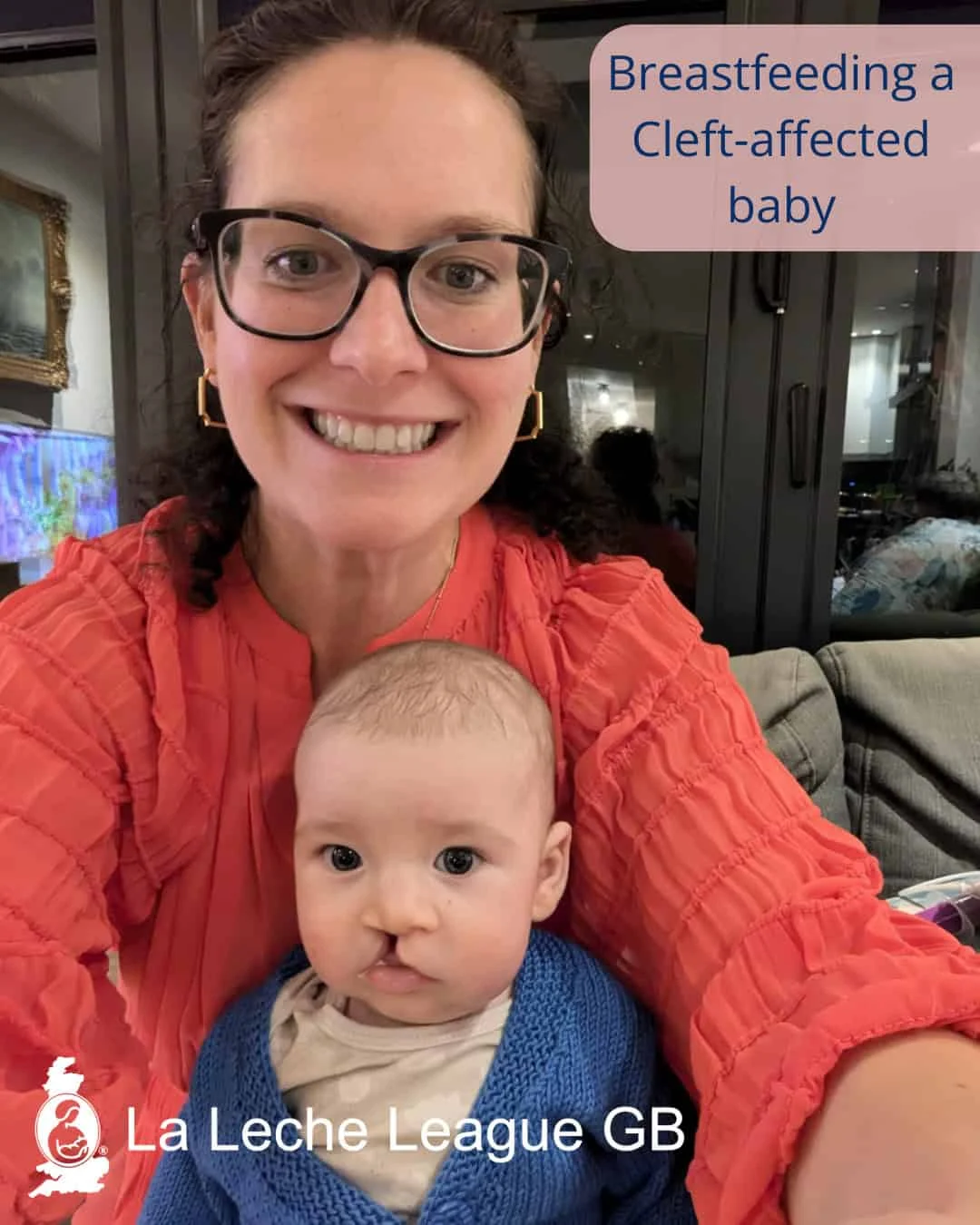
Cleft lip and palate are among the most common congenital conditions affecting newborns globally, impacting approximately 1 in every 700 babies. This developmental anomaly occurs when the structures forming a baby’s upper lip or the roof of their mouth (palate) fail to fuse completely during early fetal development. While the diagnosis can present initial challenges and concerns for new parents, particularly regarding infant feeding, comprehensive support and adaptive strategies are enabling a growing number of families to successfully breastfeed their cleft-affected infants, either partially or exclusively.
Understanding Cleft Lip and Palate
A cleft can manifest in various forms: a cleft lip, a cleft palate, or a combination of both. A cleft lip involves a split in the upper lip, which can range from a minor notch to a complete separation extending into the nose. A cleft palate, on the other hand, is an opening in the roof of the mouth, which can affect the hard palate (bony front part), the soft palate (fleshy back part), or both. These conditions can be unilateral (affecting one side) or bilateral (affecting both sides).
The primary functional impact of a cleft, especially a cleft palate, relates to feeding. Babies with a cleft lip often retain the ability to create sufficient suction to breastfeed, albeit sometimes requiring minor adaptations in positioning and latch. However, infants born with a cleft palate face a more significant hurdle: the opening in the roof of the mouth prevents them from generating the necessary suction pressure to extract milk efficiently from the breast. This is because the oral cavity cannot be sealed off from the nasal cavity, making it impossible to create a vacuum. Consequently, direct breastfeeding for babies with a cleft palate is typically not fully effective until surgical repair of the palate has been performed, usually between six and eighteen months of age.
The Journey Begins: Diagnosis and Early Days
For many families, the diagnosis of a cleft condition occurs during routine prenatal ultrasounds, offering valuable time for research, planning, and consultation with medical professionals. For others, the diagnosis is made at birth, often leading to immediate shock and uncertainty. Regardless of when the news is received, parents are often concerned about their baby’s immediate health, future surgeries, and crucially, how they will be fed.

Upon diagnosis, families are typically introduced to a multidisciplinary cleft care team. This team often includes plastic surgeons, oral and maxillofacial surgeons, ear, nose, and throat (ENT) specialists, pediatricians, orthodontists, speech and language therapists, dietitians, and, critically, specialist nurses and lactation consultants. Their collective expertise is vital in guiding parents through the complexities of cleft care, from initial feeding strategies to surgical interventions and long-term development.
Prioritizing Milk Production: A Foundation for Success
Regardless of whether a baby can feed directly from the breast from day one, establishing and maintaining a robust milk supply is identified as a paramount priority by lactation specialists and medical teams. This proactive approach ensures a continuous supply of human milk, which offers unparalleled nutritional and immunological benefits, particularly crucial for infants who will undergo surgery. Breast milk provides antibodies and growth factors that aid healing, reduce infection risks, and support overall development—advantages that are even more valuable for vulnerable infants.
To initiate and sustain a full milk supply, mothers are advised to begin expressing milk within the first few hours after birth. The principle is simple: the more milk that is removed, the more milk the body is signaled to produce. In the initial weeks, most mothers need to express or breastfeed at least 8-12 times in 24 hours to establish a strong supply. Consistency is key; frequent milk removal prevents breasts from becoming overly full, which can signal the body to slow down production.
For mothers whose babies cannot feed directly or efficiently at the breast, a hospital-grade double electric breast pump is often recommended as the most effective tool. These pumps are designed for maximum efficiency and can help mothers achieve and maintain a full supply. Many cleft specialist nurses can facilitate access to these pumps, either through loan programs or rental services. While some mothers may find success with smaller pumps or hand expression, the early weeks are generally recognized as the most demanding phase, requiring significant dedication and practical support to manage the demanding pumping schedule.
Adaptive Feeding Strategies in the Early Days
In the immediate aftermath of birth, babies consume small amounts of milk. If a cleft-affected baby cannot obtain sufficient milk directly from the breast, there are several methods to deliver expressed breast milk, donor milk, or formula. In the first day or two, a syringe or teaspoon might suffice for colostrum, but as milk volume increases, more efficient methods become necessary.

Specialized bottles and teats designed for cleft-affected babies are often recommended. These bottles typically feature softer, longer teats and sometimes one-way valves or compressible designs that allow milk to flow without requiring strong suction. The cleft specialist nurse plays a crucial role in advising parents on the most suitable type of bottle and teat for their baby’s specific needs, as different designs work better for different cleft types and individual feeding styles.
The Role of Nursing Supplementers
A nursing supplementer, also known as a supplemental nursing system (SNS) or lactation aid, offers a unique bridge for mothers who wish to provide milk at the breast when their baby cannot independently extract enough. These systems involve a reservoir (a bag or bottle) filled with expressed milk, donor milk, or formula, connected to a thin tube that is taped alongside the mother’s nipple. When the baby latches onto the breast, the tube delivers supplemental milk directly into their mouth.
The benefits of using a nursing supplementer are multifaceted. It allows the baby to engage in the act of breastfeeding, promoting skin-to-skin contact, bonding, and the hormonal responses associated with nursing. Crucially, it stimulates the mother’s milk supply through the baby’s suckling motions at the breast, even if the baby isn’t effectively removing milk themselves. This continuous stimulation helps maintain or increase milk production, keeping the door open for full direct breastfeeding post-surgery.
While nursing supplementers require patience and practice to master, many mothers find them incredibly rewarding. As one mother, Sarah, shared regarding her son Russ, who used a supplementer: "A friend said she had wondered why I was going to all this effort to bridge the gap until potentially breastfeeding after Russ’s palate surgery, but on seeing us feed she said she got it: I was already breastfeeding. Comments like these make me feel so happy I could cry." This sentiment underscores the emotional and physical connection fostered by at-the-breast supplementation.
There are various types of nursing supplementers, ranging from simple syringe-and-tube setups to more elaborate commercial systems with adjustable flow rates. For babies with a cleft palate, who struggle with suction, it is often necessary to deliver the milk through the supplementer rather than relying solely on the baby’s efforts. This can be achieved by gently squeezing the bag or bottle, or by creating a small hole in the bottle cap to allow gravity to assist milk flow. For a more controlled delivery, a syringe can be attached to the tube, allowing the parent to slowly push milk as the baby sucks. Working with an experienced lactation consultant or breastfeeding supporter is highly recommended to learn the techniques for optimal use, positioning, and cleaning of these systems.
Finding Optimal Feeding Positions

Effective positioning is vital for any breastfeeding dyad, but it becomes even more critical for cleft-affected babies. The goal is to maximize the baby’s ability to latch and swallow safely, minimizing milk leakage from the nose or mouth and reducing the risk of aspiration. There is no single "correct" position; what works best is highly individualized and may evolve as the baby grows or after surgery.
Commonly recommended positions include:
- Upright or Semi-Upright Positions: Holding the baby more upright allows gravity to help milk flow down the esophagus and reduces the chance of milk entering the nasal cavity. This can be achieved in a football hold (clutch hold) or a modified cradle hold.
- Cradle Hold: While often a go-to for many parents, adaptations might be needed. Ensuring the baby’s head is slightly elevated and their body is aligned can help.
- Football Hold (Clutch Hold): This position allows the mother to support the baby’s head and neck, providing good control over the latch and keeping the baby upright.
- Laid-Back Breastfeeding (Biological Nurturing): While less common for babies with significant palatal clefts due to potential leakage, some mothers find success with a semi-reclined position, allowing the baby to instinctively root and latch.
Regardless of the position, key considerations include ensuring a deep latch, supporting the baby’s head and neck, and keeping the cleft covered by the breast tissue as much as possible to create the best possible seal. Parents are encouraged to experiment with different positions under the guidance of a lactation specialist to find what feels most comfortable and effective for both mother and baby.
Feeding After Surgery: A New Chapter
Cleft lip repair typically occurs around 3-6 months of age, while palate repair is usually performed between 6-18 months. These surgeries are transformative, significantly improving the baby’s ability to feed, speak, and develop normally.
For babies with a repaired cleft lip, direct breastfeeding can often commence or improve significantly shortly after surgery. The repair provides a more complete lip structure, allowing for better suction and latch. For babies with a repaired cleft palate, the change is even more profound. Once the palate is closed, the baby can finally generate the necessary suction pressure to effectively draw milk from the breast.
However, the post-surgical period also presents its own challenges. Babies may initially struggle to feed at the breast for several weeks as they recover from surgery, build up strength, and adapt to their new oral anatomy. Pain, swelling, and simply relearning how to use their mouth differently can make feeding difficult. During this recovery phase, maintaining a strong milk supply through frequent expression remains critical. The mother’s milk continues to be a vital source of nutrition and healing factors. Patience, perseverance, and ongoing support from the cleft team and lactation consultants are essential to successfully transition to or re-establish direct breastfeeding after surgery.

The Indispensable Role of Support Systems
The journey of breastfeeding a cleft-affected baby is often described as a marathon, not a sprint, requiring immense dedication from parents. This journey is made significantly more manageable and successful with robust support systems.
- Cleft Specialist Nurses: These nurses are often the first point of contact and provide invaluable guidance on feeding techniques, equipment, and emotional support. They coordinate care across the multidisciplinary team.
- Lactation Consultants: Certified lactation consultants (IBCLCs) specializing in complex feeding issues are crucial. They can offer personalized advice on latch, positioning, milk supply management, and the effective use of nursing supplementers. Organizations like La Leche League (LLL) offer peer-to-peer support through experienced LLL Leaders who can provide practical tips and emotional encouragement.
- Peer Support Groups: Connecting with other parents who have experience feeding cleft-affected babies can provide a powerful sense of community, shared understanding, and practical wisdom.
- Family and Friends: Practical help from family and friends—whether it’s preparing meals, doing laundry, or simply offering a listening ear—can significantly reduce the burden on parents, allowing them to focus on their baby and milk production.
Broader Implications and Outlook
The commitment to breastfeeding a cleft-affected infant extends beyond immediate nutritional needs. Successful breastfeeding contributes positively to the baby’s overall health, growth, and development. The oral motor skills developed during breastfeeding can also support speech development later on. For mothers, achieving breastfeeding goals can significantly boost confidence and enhance the maternal-infant bond, despite the initial obstacles.
From a healthcare perspective, the emphasis on empowering mothers to provide human milk highlights a holistic approach to cleft care. It recognizes the profound impact of nutrition on surgical outcomes and long-term well-being. Ongoing research continues to refine feeding techniques and support strategies, ensuring that families receive the most up-to-date and effective guidance.
While the path to breastfeeding a cleft-affected baby can be challenging, it is increasingly navigable with adequate preparation, adaptive strategies, and a strong network of professional and peer support. The ultimate reward is the enduring bond formed at the breast and the knowledge that a mother has provided her child with the very best start in life, overcoming significant hurdles with resilience and love.
Credit for illustrations: Brigitte Sparnaaji, from Breastfeeding Illustrated, published by La Leche League GB, 2021. Copyright Stichting La Leche League Nederland. Written by Bronwyn Davies and Jayne Joyce, with thanks to Sarah Muir–Little. Copyright LLLGB May 2025.
