

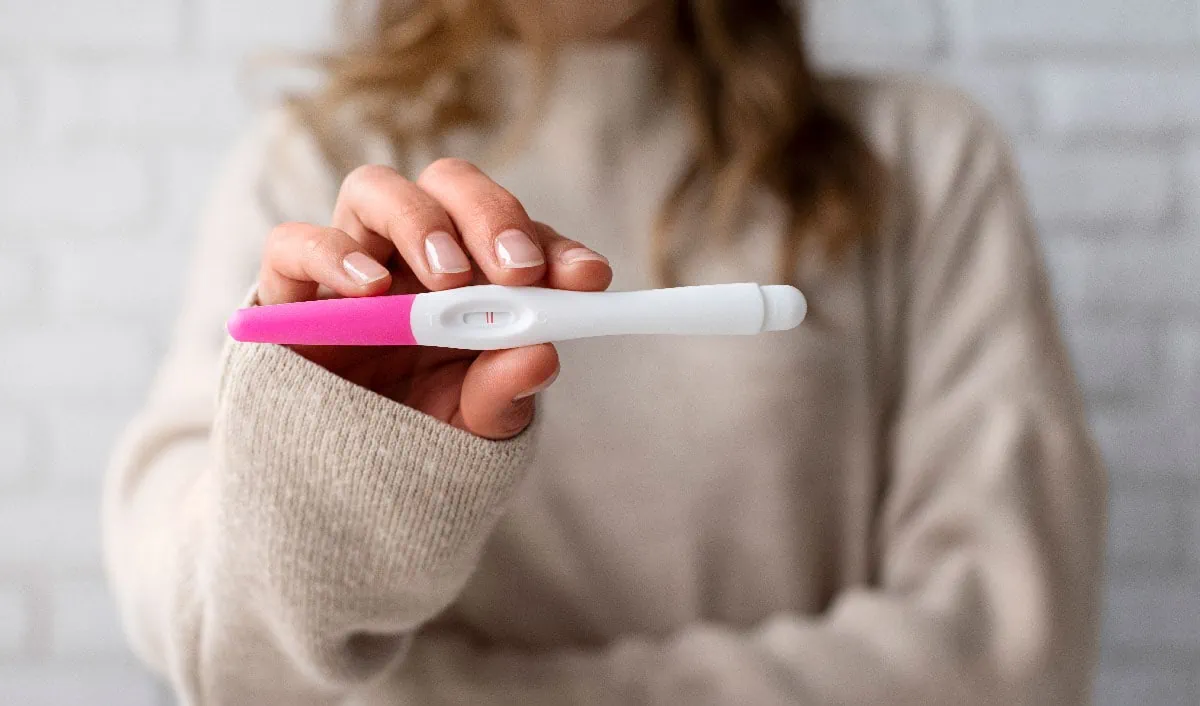
The journey to ascertain pregnancy is often marked by anticipation, whether hopeful or anxious, and hinges critically on accurate and timely testing. When symptoms such as breast tenderness, nausea, or a missed period emerge, the immediate question for many individuals is how to definitively confirm or rule out pregnancy. Modern medical science offers highly reliable methods, primarily through the detection of human chorionic gonadotropin (hCG), a hormone uniquely produced during pregnancy. These methods range from accessible at-home urine tests to more precise clinical blood analyses, each offering distinct advantages and considerations for those seeking answers.

The Science Behind the Test: Human Chorionic Gonadotropin (hCG)
At the heart of nearly all contemporary pregnancy tests lies the detection of human chorionic gonadotropin (hCG), often referred to as "the pregnancy hormone." This glycoprotein hormone is pivotal for sustaining pregnancy and is produced by cells that will eventually form the placenta, shortly after the fertilized egg implants in the uterine wall. The production of hCG begins almost immediately after implantation, typically occurring 6 to 12 days after fertilization. Its levels then rapidly double approximately every 48 to 72 hours during the first trimester, reaching peak concentrations around 8 to 11 weeks of gestation before gradually declining. This rapid increase is not only crucial for maintaining the corpus luteum, which produces progesterone vital for the uterine lining, but also serves as the biochemical marker that pregnancy tests are designed to identify. It is this swift hormonal shift that also underlies many of the earliest physical symptoms of pregnancy, such as nausea, fatigue, and breast sensitivity.
Evolution of Pregnancy Testing: A Historical Perspective
The quest for early pregnancy detection is not new, with methods dating back to ancient civilizations. Ancient Egyptians, for instance, used a method involving urine poured over barley and wheat seeds, believing that if the seeds sprouted, pregnancy was confirmed. While scientifically unfounded, this highlights a long-standing human desire for early answers. The 20th century brought the first scientific breakthroughs. In the 1920s, the "A-Z test" (Aschheim-Zondek test) involved injecting a woman’s urine into immature mice, observing ovarian changes. This, along with the subsequent rabbit test (Friedman test), relied on biological assays and took days to yield results, requiring laboratory animals. The significant leap came with the discovery of hCG in 1928, paving the way for immunological tests. The first immunoassay-based pregnancy tests emerged in the 1960s, offering faster, more convenient, and eventually, at-home options. These early tests were still somewhat cumbersome, requiring lab work. The true revolution for consumers arrived in the late 1970s with the introduction of the first home pregnancy tests, which utilized monoclonal antibody technology to detect hCG with increasing sensitivity and speed, transforming private medical diagnostics.

Home Pregnancy Tests: Accessibility and Accuracy
Home pregnancy tests (HPTs) utilize a urine sample to detect hCG and have become a ubiquitous first step for many individuals suspecting pregnancy due to their convenience, privacy, relatively low cost, and rapid results. These tests are performed in various ways: by dipping a test stick into a collected urine sample, placing urine into a specialized container with an eyedropper, or by holding a test stick directly in the urine stream (midstream collection). Results typically appear within minutes, manifesting as a change in color, the appearance of a line, a specific symbol (e.g., plus or minus), or digital display of "pregnant" or "not pregnant."
When performed correctly, most over-the-counter HPTs boast an accuracy rate of approximately 97%. However, this high accuracy is contingent on several critical factors. The timing of the test is paramount. hCG levels are highest in the morning, making the first urination of the day the optimal time for testing. Using diluted urine later in the day can lead to a false negative result, even if pregnancy is present. Furthermore, testing too early in the cycle, before sufficient hCG has accumulated, is a common cause of inaccurate negative results. While many tests claim to detect pregnancy as early as the first day of a missed period, medical professionals often advise waiting at least a week after a missed period for enhanced reliability. This recommendation aligns with the understanding that implantation and subsequent hCG production can vary, and a menstrual cycle can naturally fluctuate by several days while still remaining within a "normal" timeframe.

Despite their advantages, HPTs are not without potential pitfalls. User error, such as not following instructions precisely, reading the result outside the specified time window, or using an expired test, can compromise accuracy. If a negative result is obtained but pregnancy symptoms persist (e.g., persistent nausea, breast tenderness, unexplained fatigue), it is advisable to retest after a few days or a week, or to consult a healthcare provider for further evaluation. The market for HPTs is robust, valued at billions globally, reflecting their integral role in reproductive health decisions. Regulatory bodies like the U.S. Food and Drug Administration (FDA) oversee the approval and marketing of these devices, ensuring they meet certain standards for safety and effectiveness before reaching consumers.
Clinical Pregnancy Tests: Precision and Professional Guidance
Beyond the convenience of home testing, clinical pregnancy tests offer a higher degree of precision and are typically performed in a doctor’s office or laboratory setting. These tests can involve either urine or blood samples, but blood tests are particularly noted for their enhanced sensitivity and ability to provide more detailed information.

Blood Tests: There are two primary types of blood tests for pregnancy:
- Quantitative hCG Blood Test (Beta hCG Test): This test measures the exact amount of hCG present in the blood, providing a numerical value. This precision allows healthcare providers to track the hormone’s rise over time, which can be crucial for monitoring early pregnancy progression, assessing for potential complications like ectopic pregnancy, or evaluating the viability of a pregnancy. Quantitative tests can detect hCG at much lower levels than urine tests, often as early as 6 to 8 days after ovulation, even before a missed period.
- Qualitative hCG Blood Test: This test simply provides a "yes" or "no" answer regarding the presence of hCG, similar to a home urine test, but with a generally higher sensitivity.
Advantages of Blood Tests:

- Earlier Detection: Blood tests can typically detect pregnancy days earlier than most urine tests.
- Higher Accuracy: Less susceptible to user error and environmental factors compared to home tests.
- Quantitative Data (for Beta hCG): Provides specific hCG levels, which can be vital for monitoring pregnancy health and identifying potential issues.
- Professional Interpretation: Results are analyzed and interpreted by medical professionals, offering guidance on next steps.
Disadvantages of Blood Tests:
- Less Convenient: Requires a visit to a clinic or laboratory, which may involve scheduling and travel.
- Not Immediate Results: While faster than historical methods, results typically take hours to a day, unlike the immediate results of HPTs.
- Cost: Generally more expensive than home urine tests, though often covered by insurance.
- Invasive: Involves a blood draw, which can be a minor discomfort for some individuals.
Medical professionals often recommend blood tests when there’s a need for very early confirmation, when previous home tests have been inconclusive, or when there are concerns about pregnancy viability or potential complications.

Interpreting Results: What a Positive and Negative Mean
Understanding the implications of a pregnancy test result is crucial for subsequent decision-making.
Positive Result: A positive result, whether from a home urine test or a clinical blood test, signifies the presence of detectable hCG in the system. This indicates that an embryo has successfully implanted in the uterine lining, initiating the hormonal cascade of pregnancy. While overwhelmingly accurate, very rare instances of "false positives" can occur due to certain medical conditions (e.g., ovarian cysts, rare types of cancer), specific medications containing hCG, or chemical pregnancies (early miscarriages where implantation occurs but pregnancy doesn’t progress). However, for the vast majority, a positive test is a definitive indicator of pregnancy. Upon receiving a positive result, it is highly recommended to contact a healthcare provider to confirm the pregnancy, discuss prenatal care options, and plan for initial appointments.

Negative Result: A negative result means that no detectable levels of hCG were found. This can accurately indicate that an individual is not pregnant. However, "false negatives" are more common than false positives and typically arise from:
- Testing Too Early: The most frequent reason. hCG levels may not yet be high enough to be detected by the test, especially if ovulation occurred later than expected or if the test’s sensitivity is lower.
- Incorrect Test Usage: Not following instructions, such as using diluted urine or reading the test too late/early.
- Expired Test: The chemical reagents in expired tests may not function effectively.
If a negative result is obtained but menstrual periods remain missed or pregnancy-like symptoms persist, it is advisable to retest in a few days to a week or seek medical advice. A healthcare professional can perform a more sensitive blood test or conduct a clinical evaluation to ascertain the situation.

The Critical Window for Testing: Timing is Key
The optimal timing for taking a pregnancy test is a frequent point of inquiry. While many home pregnancy tests advertise detection as early as the first day of a missed period, the American Pregnancy Association, along with many nurses and pregnancy educators, often advises a slightly more conservative approach. They suggest waiting until at least seven days after a missed period for a more reliable result. This recommendation is rooted in the physiological timeline of early pregnancy. Ovulation typically occurs around day 14 of a standard 28-day cycle, followed by fertilization. Implantation of the fertilized egg into the uterine wall usually happens between 6 and 12 days after ovulation, initiating hCG production. hCG then needs time to build up to levels detectable by standard tests. While some highly sensitive tests might detect hCG around 11-12 days post-ovulation, waiting until approximately 14 days post-ovulation (which aligns with the expected start of a period) or a week after a missed period maximizes the chances of sufficient hCG accumulation for an accurate result, minimizing the emotional distress and uncertainty of false negatives.
Beyond the Test: Next Steps and Support Systems
A positive pregnancy test marks the beginning of a new phase, regardless of whether the pregnancy was planned. The immediate next step is to schedule an appointment with a healthcare provider. This initial visit is crucial for officially confirming the pregnancy, estimating the due date, discussing medical history, and initiating prenatal care. Early and consistent prenatal care is fundamental for ensuring the health and well-being of both the pregnant individual and the developing fetus. This includes guidance on nutrition, lifestyle adjustments, medication safety, and screening for potential risks.

For those facing an unplanned pregnancy, the emotional and practical implications can be overwhelming. Organizations like the American Pregnancy Association offer vital resources, including helplines and chat services, to provide non-judgmental information on all available options: parenting, adoption, or abortion. These services also help connect individuals with local pregnancy centers that can offer free pregnancy verification, counseling, and a broad spectrum of support services, from educational materials to community resources. The availability of such support systems underscores the recognition that navigating pregnancy involves not only medical considerations but also significant emotional and social dimensions.
Conclusion
Pregnancy tests, from convenient at-home urine strips to precise clinical blood assays, represent remarkable advancements in reproductive health. Their ability to detect the unique hormone hCG provides individuals with critical information, often at the earliest stages of pregnancy. While home tests offer accessibility and speed, understanding their limitations and the importance of correct timing is paramount for accurate results. Clinical tests, particularly quantitative blood tests, provide superior precision and are invaluable for medical monitoring. Ultimately, whether the result is positive or negative, accurate testing empowers individuals to make informed decisions about their health, their future, and their family planning journey, supported by a network of medical professionals and dedicated resources.
