

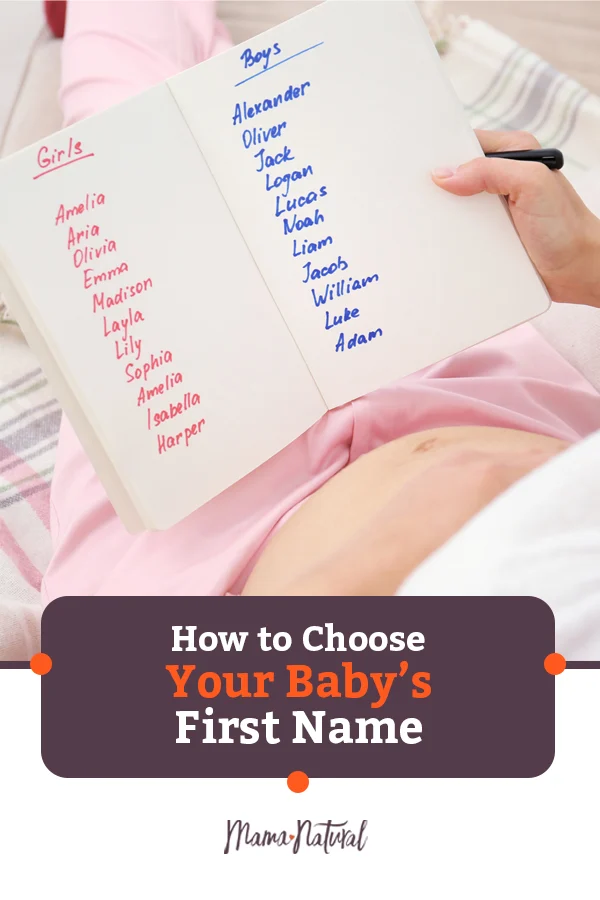
The process of selecting a child’s first name represents one of the earliest and most enduring decisions parents make, serving as a permanent identifier that influences social perception and personal identity. While the task is often viewed through a lens of excitement, it frequently carries significant psychological and logistical pressure for expectant families. To navigate this complex landscape, child development experts and sociologists suggest a structured approach that balances aesthetic preference with practical considerations, historical context, and linguistic harmony.
The Evolution of Naming Conventions and Modern Trends
The landscape of American naming has undergone a radical transformation over the last century. Data from the Social Security Administration (SSA), which has tracked baby name popularity since 1880, reveals a significant shift from a concentrated pool of traditional names to a highly diversified marketplace of unique identifiers. In the mid-20th century, a handful of names like Mary, Linda, James, and Robert dominated the charts. Today, parents are increasingly moving toward "micro-trends," where names like Paisley, Kenzie, and Leilani rise in popularity due to cultural influences, social media, and a desire for individuality.
This shift is partly attributed to the "100-year rule," a sociological phenomenon where names that were popular three generations ago—such as Sadie, Minnie, or Otis—begin to feel fresh and "vintage" rather than "dated." This cycle allows names that were once relegated to great-grandparents to find new life in modern nurseries. Journalistic analysis of these trends suggests that the modern parent prioritizes a name that stands out in a digital database while remaining grounded in a sense of heritage or specific meaning.
Establishing a Decision-Making Framework
Before beginning the search for the ideal name, experts recommend that partners establish a foundational set of criteria. This preliminary "needs and wants" assessment prevents future conflicts and narrows the scope of the search. Key variables to discuss include:
- Cultural and Religious Heritage: Determining whether the name should reflect a specific lineage, such as biblical origins or ancestral homelands.
- Popularity Tolerance: Deciding whether the goal is a top-ten name, which offers a sense of familiarity, or a "hidden gem" that ensures the child is the only one with that name in their peer group.
- Stylistic Preferences: Aligning on whether the desired aesthetic is modern, traditional, gender-neutral, or whimsical.
- Family Honorifics: Deciding if the first name will serve as a tribute to a relative or if the couple prefers a completely "blank slate" name.
By establishing these parameters early in the second trimester, parents can approach name lists with a filtered perspective, reducing the "paradox of choice" that often leads to decision fatigue.
The Role of Etymology and Semantic Meaning
A name is more than a collection of phonemes; it carries an etymological history that can shape a child’s narrative. Many parents find that the meaning of a name provides the "tie-breaker" when choosing between two aesthetically pleasing options. For example, the name Ethan, which consistently ranks high in English-speaking countries, is often chosen for its Hebrew roots meaning "strong" or "enduring."
Similarly, parents looking for names that evoke specific temperaments often turn to meanings associated with nature or peace. Names such as Vida or Eva, meaning "life," are popular choices for children who show significant activity in the womb. Conversely, names like Salma or Arina, which translate to "peace," are often selected for their calming phonetics and serene definitions.
Linguistic experts also suggest looking toward global origins to find unique variations of common themes. A parent who likes the floral connection of "Lily" but dislikes its commonality might opt for the Polynesian "Leilani," which means "heavenly flower." This global approach allows for a name that feels both exotic and deeply meaningful.
The Practical Application: Testing for Longevity and Flow
Once a shortlist of contenders is established, the names must be subjected to a series of practical "stress tests." A name that looks beautiful on paper may not function well in the daily reality of social interaction.
The Surname Compatibility Test
The relationship between the first name and the surname is critical for phonetic harmony. Parents are encouraged to consider the syllable count; often, a short first name pairs well with a long surname, and vice-versa. Additionally, one must check for "clashing" sounds, such as a first name ending in the same letter that the last name begins with, which can lead to a "muddled" pronunciation.

The "Starbucks Test" and Vocalization
A common strategy recommended by naming consultants is to use the potential name in public settings. By giving the name at a coffee shop or shouting it across a park, parents can gauge how the name sounds when spoken by strangers and how it feels to say it aloud repeatedly. This exercise often reveals hidden issues, such as difficult spellings or unintended nicknames.
The Initials and Monogram Review
It is a professional necessity to check the initials of the full name to ensure they do not form unintended words or acronyms. A child named "Assher Silas Smith" may face unnecessary social friction due to the resulting initials.
Conflict Resolution in Naming Feuds
It is not uncommon for partners to have diametrically opposed tastes. One parent may prefer a classic name like Isabella, while the other favors a modern, automotive-inspired name like Chevelle. In these instances, professional mediators and parenting coaches suggest several compromise strategies:
- The "Veto Power" System: Each parent is given a specific number of "hard vetos" to remove names they absolutely cannot tolerate.
- The Middle Name Pivot: If one parent loves a name that the other finds too "out there," that name can be moved to the middle name slot, allowing for a more traditional first name.
- The "Third Way" Search: If a couple cannot agree, they are encouraged to find a name that shares the "sounds" of both favorites. For example, a compromise between "Isabella" and "Chevelle" might be "Isabel" or "Belle."
The Chronology of Decision-Making and Legal Requirements
The timeline for naming a baby varies by jurisdiction and personal preference. In the United States, most hospitals require the name for the birth certificate paperwork before the mother and child are discharged, typically within 24 to 72 hours of birth. However, there is no legal requirement to have a name picked out before the birth.
Many parents choose to wait until they meet the child to finalize the decision, citing that the baby’s physical appearance or early temperament "dictates" the right name. Others prefer the security of having a name decided months in advance to begin the bonding process. Both approaches are valid, provided the parents are aware of the administrative deadlines required for Social Security registration and health insurance enrollment.
Privacy and Social Implications
In the era of social media, the "name reveal" has become a significant event. However, there is a growing trend toward naming privacy. Many parents choose to keep the name a secret until birth to avoid unsolicited opinions from friends and family, which can lead to second-guessing.
Psychological studies suggest that when parents share a name prematurely, they open themselves up to "name-shaming" or negative associations from others ("I knew a kid with that name in third grade and he was a bully"). By keeping the name private, the parents ensure that the first time anyone hears the name, it is associated with a specific, beloved newborn, which typically silences any potential criticism.
Broader Impact: The Socio-Economic Influence of Names
Beyond the immediate family circle, the choice of a name carries long-term implications for a child’s professional and social life. Research in the field of behavioral economics has occasionally suggested that names can influence teacher expectations and even resume callbacks. While these studies are often debated, they highlight the weight of the naming decision.
A name that is easy to pronounce and spell may offer a path of less resistance in administrative settings, while a highly unique name can foster a strong sense of individual identity and "personal branding." Ultimately, the goal of modern naming is to find a balance between a name that honors the child’s heritage and one that provides them with a versatile tool for navigating their future.
In conclusion, choosing a baby’s first name is a multifaceted process that blends intuition with strategic planning. By utilizing digital tools, exploring etymological roots, and conducting practical tests, parents can provide their child with a gift that is both unique and perfectly suited for a lifetime of use. The bottom line for any expectant parent is to enjoy the process, embrace the research, and remember that the name will ultimately be defined by the person who wears it.
