

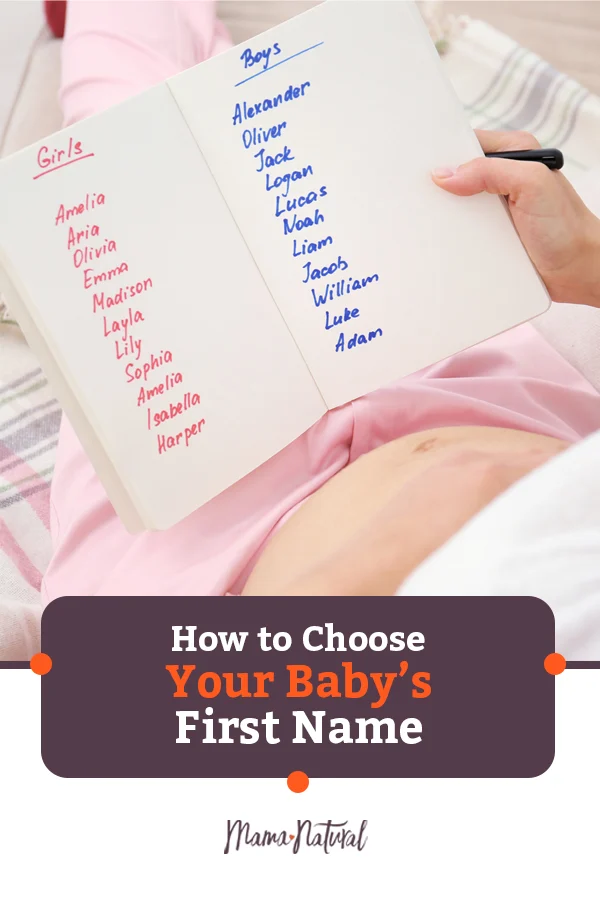
The process of selecting a first name for a newborn represents one of the most significant initial responsibilities of parenthood, serving as a permanent identifier and the child’s first social hallmark. While the task is inherently celebratory, contemporary sociological data suggests that modern parents face unprecedented pressure to balance tradition, uniqueness, and phonetic harmony. This comprehensive analysis explores the methodologies for selecting a name, the historical evolution of naming trends, and the psychological implications of these choices within the framework of child development and social identity.
The Evolution of Naming Conventions: A Historical Chronology
The methodology behind naming has undergone a radical transformation over the last century. In the early 20th century, naming conventions in Western societies were largely dictated by familial heritage and religious adherence. Data from the Social Security Administration (SSA) indicates that between 1900 and 1920, a limited pool of names—such as John, Mary, James, and Elizabeth—accounted for a significant percentage of the population.
By the mid-20th century, specifically during the post-World War II "Baby Boom" era, naming began to shift slightly toward popular culture and modern aesthetics, though traditional biblical names remained dominant. The 1980s and 1990s introduced a surge in "trendy" names influenced by television and cinema, marking the beginning of the decline in the "top 10" names’ overall market share.
In the 21st century, the "uniqueness" factor has become a primary driver. Statistical analysis shows that while the top names of the 1950s might have been shared by 5% of all babies born that year, the top names of the 2020s, such as Liam or Olivia, are shared by less than 1% of the total birth population. This reflects a broader societal shift toward individualism and the rejection of monolithic naming patterns.
Establishing a Strategic Framework for Selection
Before beginning the search for a name, experts in child development and linguistics recommend that parents establish a foundational set of criteria. This preliminary phase involves a candid discussion regarding "wants and needs" to ensure both guardians are aligned. Key considerations include the desired level of popularity, cultural or religious significance, and the complexity of the name’s spelling and pronunciation.
By establishing these parameters early, parents can mitigate the "decision fatigue" that often accompanies the browsing of extensive databases. This structured approach fosters compromise and prevents interpersonal conflict as the pregnancy progresses toward the third trimester.
Diversifying Sources of Inspiration and Data
Modern parents have access to a vast array of digital tools and historical records to assist in their search. Journalistic observation of naming trends suggests that current popular categories include:
- Biblical and Traditional: Names that offer a sense of historical continuity and established meaning.
- Nature-Inspired and Botanical: A growing trend involving names like Willow, Rowan, or Leilani (meaning "heavenly flower"), which reflect a modern affinity for environmental connection.
- Vintage Revivals: The "100-year rule" suggests that names popular a century ago, such as Sadie or Minnie, often experience a resurgence as they transition from "dated" to "classic."
- Global and Cross-Cultural: As global connectivity increases, parents are increasingly looking toward diverse origins, such as Polynesian, Scandinavian, or Sanskrit names, to provide a unique phonetic profile.
For those facing "naming paralysis," digital features such as randomized generators or popularity-by-letter searches provide a low-pressure environment to discover names that may not have been previously considered.
Semantic and Phonetic Analysis
A name is more than a collection of vowels and consonants; it carries a semantic weight that can influence a child’s self-perception. Research into "nominative determinism" suggests that the meaning behind a name can have subtle psychological effects. For instance, names associated with strength, such as Ethan ("enduring and strong") or Valor, are often chosen to instill specific virtues.

Linguistic experts also emphasize the importance of "flow" and phonetic compatibility with the family surname. Professional naming consultants suggest evaluating the following:
- Syllabic Rhythm: A multi-syllabic first name often pairs well with a shorter surname, and vice versa.
- Alliteration and Assonance: While some parents prefer the rhythmic quality of alliterative names (e.g., Benjamin Brown), others find it overly repetitive.
- Initial Analysis: It is vital to ensure that the initials of the first, middle, and last names do not inadvertently form unintended words or acronyms.
Conflict Resolution in Joint Decision-Making
It is common for partners to experience "name feuds," where aesthetic preferences diverge. In these instances, sociologists recommend a "veto and compromise" system. If a primary choice—such as Isabella—is rejected, partners may explore derivatives like Isabel or Belle.
If a deadlock persists, secondary strategies include:
- The Middle Name Compromise: Utilizing a preferred name in the middle position allows it to be part of the child’s identity without being the primary social identifier.
- The "Labor Day" Clause: Some parents choose to wait until the birth to finalize the decision, allowing the child’s physical presence to influence the final choice.
- The Alternation Method: If multiple children are planned, parents may agree that one partner has the "final say" for the first child, while the other takes the lead for the second.
Legal and Global Perspectives on Naming
While the United States maintains relatively liberal naming laws, it is important to note the global context of naming regulations. Countries such as Iceland, Germany, and Denmark maintain "official name registries" to protect children from names deemed detrimental to their well-being or social integration.
In the U.S., legal restrictions are generally limited to the use of numerals, symbols, or obscenities. However, the administrative implications of a name—such as how it appears on a passport or social security card—remain a practical concern. Parents are encouraged to consider the long-term professional impact of a name, ensuring it remains viable for the child as they transition into adulthood and the global workforce.
The Privacy Debate: To Reveal or Conceal?
The decision of when to announce a baby’s name has become a point of contention in the age of social media. Data suggests a growing trend toward "naming privacy," where parents withhold the name until the birth. This strategy is often employed to avoid unsolicited opinions or "name theft" within social circles.
Conversely, revealing the name early can foster a sense of connection among family members and allow for personalized preparations. Regardless of the choice, etiquette experts suggest that parents should remain firm in their decision, as the introduction of external opinions during the "shortlist" phase can lead to unnecessary doubt and regret.
Broader Implications and Societal Impact
The naming of a child is a microcosm of broader societal values. As we move further into the 2020s, the shift toward gender-neutral names and "meaning-heavy" identifiers reflects a culture that prioritizes identity fluidity and personal narrative.
Ultimately, the goal of selecting a first name is to provide the child with a tool for self-expression. Whether the choice is a popular contemporary name or a rare vintage find, the process requires a balance of emotional resonance and practical foresight. By utilizing a structured, data-driven approach, parents can ensure that this "first gift" serves the child well throughout their lifetime.
The selection of a name is not merely a box to be checked on a birth certificate; it is the first act of defining a new human being’s place in the world. As such, it warrants the time, research, and deliberate consideration outlined in this guide. Through careful discussion, exploration of meanings, and a willingness to step outside traditional boxes, parents can navigate the complexities of modern naming with confidence and clarity.
